


Heinrich Schütz
Selig sind die Toten, SWV 391 (Op. 11/23)
Released Album
Recent Album



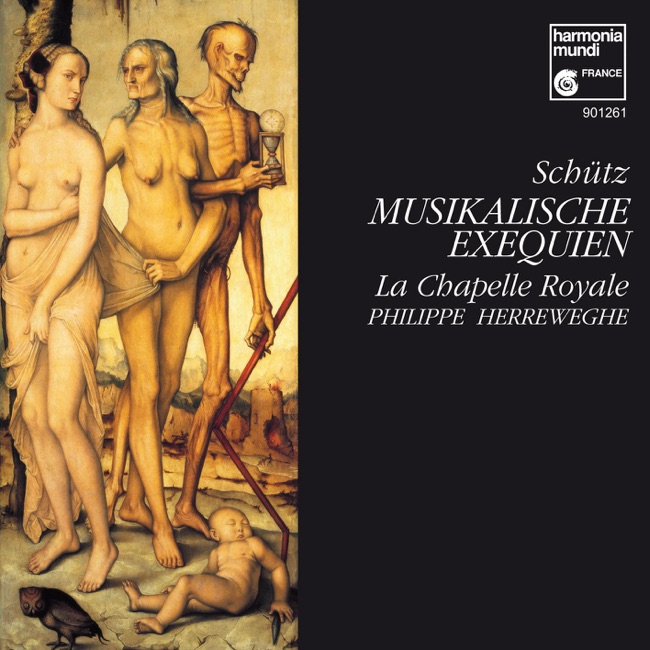
Featured Album
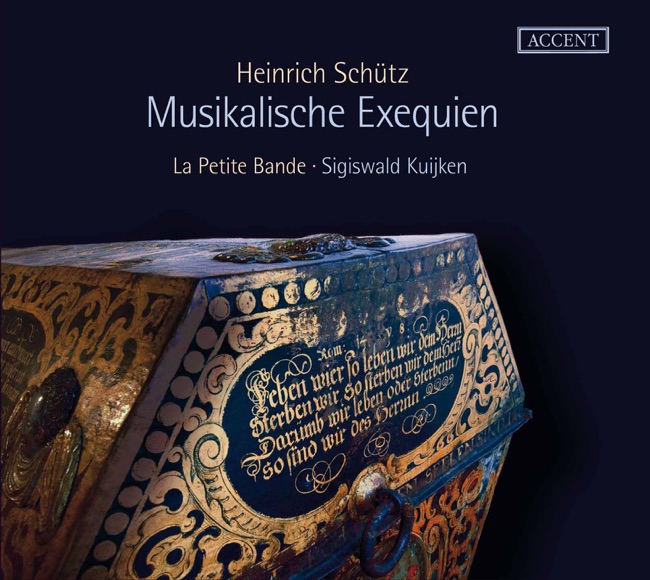
Works Info
Composer:Heinrich SchützGenre:ChoralStyle:MotetPublication Date:1648Average_duration:4:05Heinrich Schütz's 'Selig sind die Toten' (Blessed are the dead) is a sacred motet for five voices, composed in 1636. It is also known as SWV 391 (Op. 11/23) and is one of Schütz's most famous works. The piece was written in memory of the composer's wife, who had died the previous year. The motet is divided into three movements, each with its own distinct character. The first movement is a somber and mournful setting of the text from the Book of Revelation, "Blessed are the dead who die in the Lord." The second movement is a more joyful and celebratory setting of the text, "They rest from their labors, and their works follow them." The final movement returns to the somber mood of the first, with a setting of the text, "Blessed are the dead who die in the Lord, for they shall rest from their labors." Schütz's use of harmony and counterpoint in 'Selig sind die Toten' is masterful. The piece is written in a polyphonic style, with each voice weaving in and out of the others to create a rich and complex texture. The use of dissonance and chromaticism adds to the emotional intensity of the piece, particularly in the first and third movements. The motet was premiered in Dresden in 1636, and has since become a staple of the choral repertoire. Its enduring popularity is a testament to Schütz's skill as a composer and his ability to capture the complex emotions surrounding death and mourning.More....
Works Music
Released Music
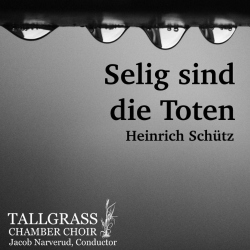

6
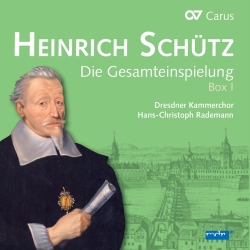
4:14

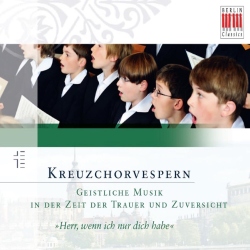

Featured Music
1
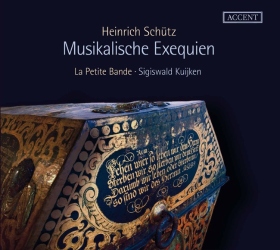
Blessed are the dead, SWV 391 (Op. 11/23)
Selig sind die Toten (SWV 391, from Geistliche Chormusik)
3:16