


Heinrich Schütz
Die sieben Worte unsers lieben Erlösers und Seeligmachers Jesu Christi, SWV 478
Released Album
Recent Album
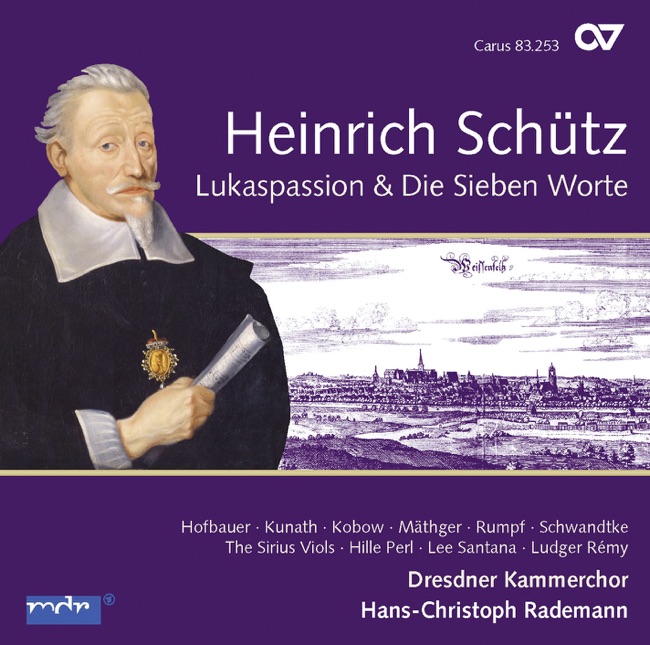
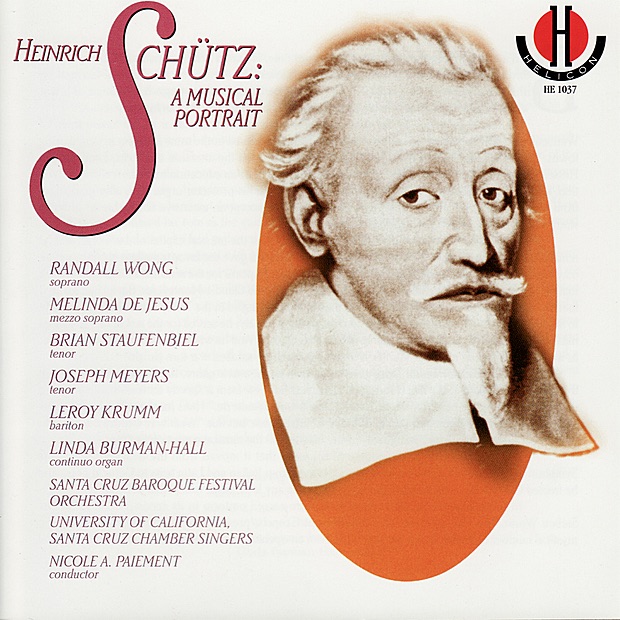
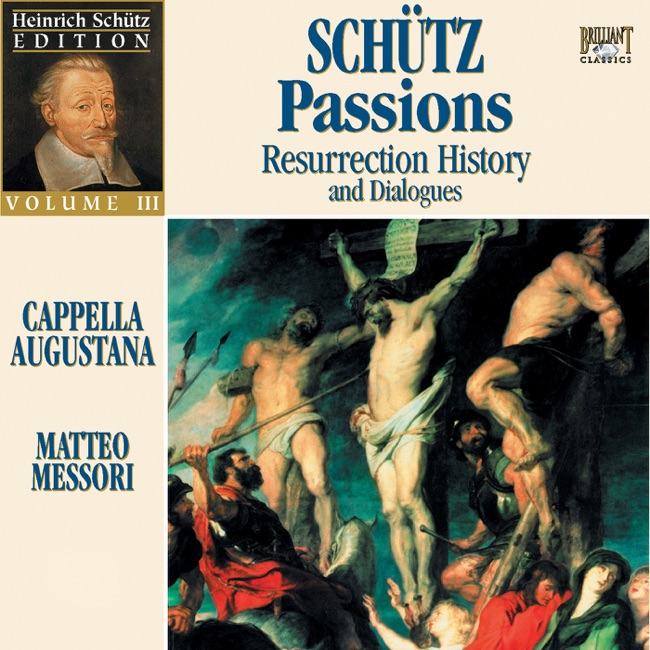
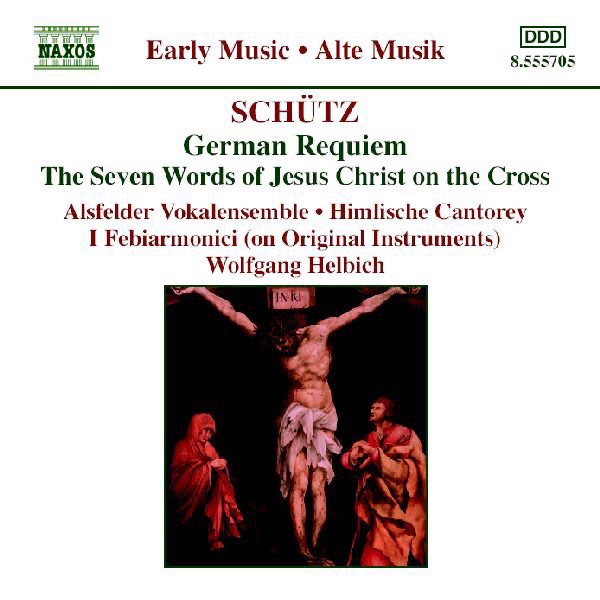
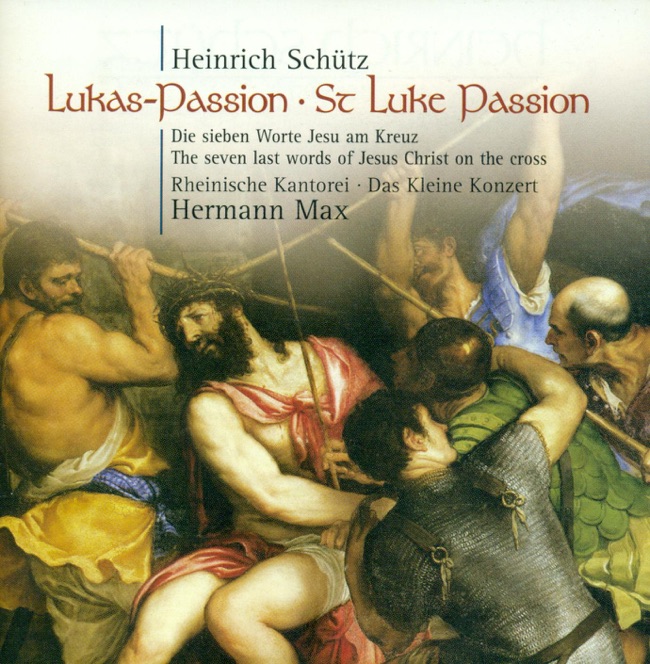
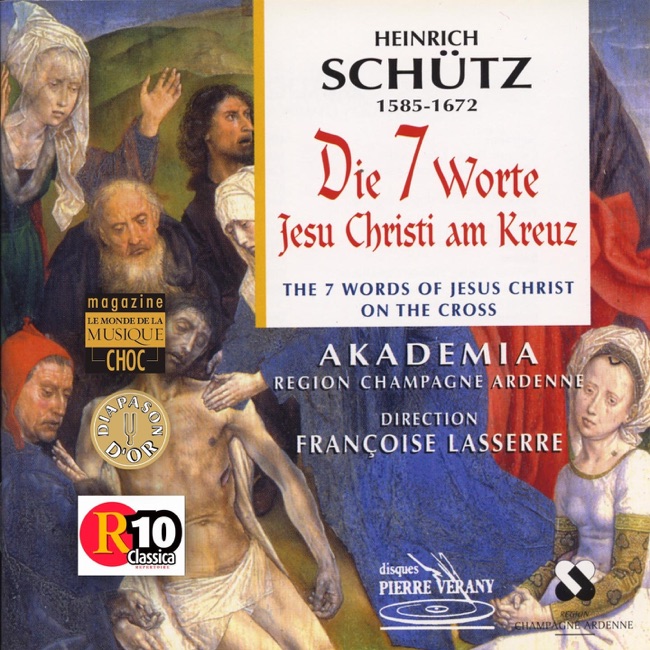
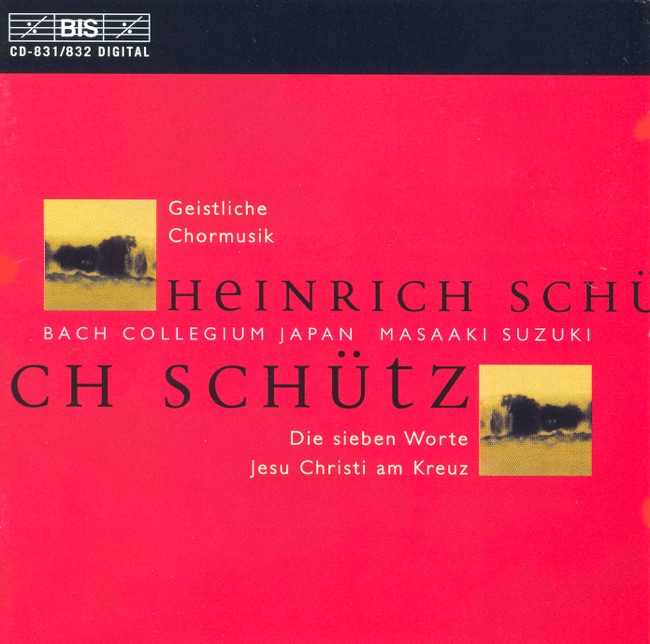
Featured Album
Works Info
Composer:Heinrich SchützGenre:ChoralStyle:PassionCompose Date:1657Average_duration:18:20Heinrich Schütz's 'Die sieben Worte unsers lieben Erlösers und Seeligmachers Jesu Christi, SWV 478' is a sacred vocal work that was composed in 1645. The piece is based on the seven last words of Jesus Christ on the cross, as recorded in the Gospels. It was premiered in the court chapel of Dresden on Good Friday of the same year. The work is divided into seven movements, each corresponding to one of the seven last words of Christ. The first movement, "Vater, vergib ihnen, denn sie wissen nicht, was sie tun" (Father, forgive them, for they know not what they do), is a prayer for forgiveness and mercy. The second movement, "Heute wirst du mit mir im Paradies sein" (Today you will be with me in paradise), is a promise of salvation to the repentant thief on the cross. The third movement, "Frau, siehe, das ist dein Sohn! ... Siehe, das ist deine Mutter!" (Woman, behold your son! ... Behold your mother!), is a tender moment where Jesus entrusts his mother to the care of his disciple John. The fourth movement, "Mein Gott, mein Gott, warum hast du mich verlassen?" (My God, my God, why have you forsaken me?), is a cry of despair and abandonment. The fifth movement, "Mich dürstet" (I thirst), is a simple statement of physical suffering. The sixth movement, "Es ist vollbracht" (It is finished), is a declaration of the completion of Christ's mission on earth. The final movement, "Vater, in deine Hände befehle ich meinen Geist" (Father, into your hands I commend my spirit), is a peaceful surrender of the soul to God. Schütz's setting of the seven last words is characterized by its simplicity and directness. The vocal lines are often homophonic, with the text clearly emphasized. The harmonies are mostly diatonic, with occasional chromaticism for expressive effect. The work is scored for four voices (soprano, alto, tenor, and bass) and continuo, with occasional instrumental interludes. Overall, 'Die sieben Worte unsers lieben Erlösers und Seeligmachers Jesu Christi, SWV 478' is a poignant and moving work that captures the emotional depth of Christ's final moments on the cross.More....
Works Music
Released Music
1
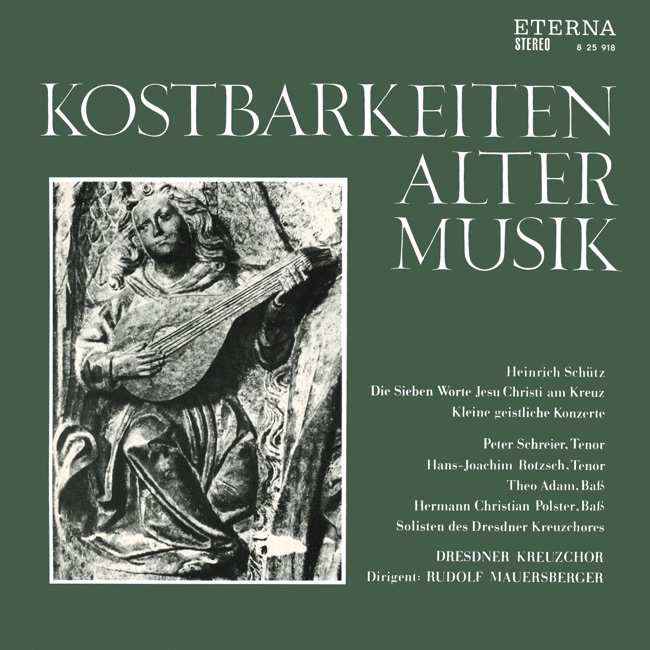
Schütz: Die Sieben Worte Jesu Christ am Kreuz & Kleine Geistliche Konzerte (2023 Remastered Version)
22:15
2
The seven words of our dear redeemer and soul maker Jesus Christ, SWV 478
Introitus. 'Da Jesus an dem Kreuze stund'
2:13
3
1:38
4
The seven words of our dear redeemer and soul maker Jesus Christ, SWV 478
Introitus. 'Da Jesus an dem Kreuze stund'
2:8
5
1:55
6
2:17
7
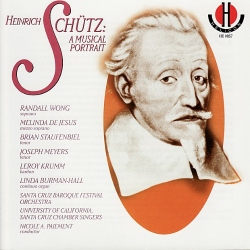
20:39
8
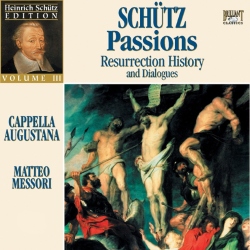
The seven words of our dear redeemer and soul maker Jesus Christ, SWV 478
Introitus. Da Jesus an dem Kreuze stund
2:9
9
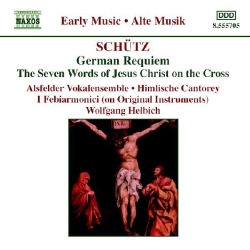
The seven words of our dear redeemer and soul maker Jesus Christ, SWV 478
Introitus: Da Jesus an dem Kreuze stund
2:13
10
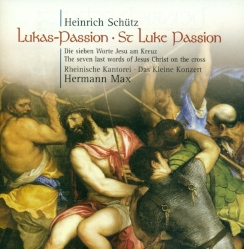
The seven words of our dear redeemer and soul maker Jesus Christ, SWV 478
Introitus "Da Jesus an dem Kreuze stund"
1:27
Featured Music
1
2:4
2
1:22
3
11:4
4
1:27
5
1:33
6
2:10
7
1:25
8
The seven words of our dear redeemer and soul maker Jesus Christ, SWV 478
III. Die sieben Worte
10:43
9
1:20
10
1:52
Main Perform Artists
Tenor Vocal
Tenor (Vocal)
Choir/Chorus
Alto (Vocals)
Soprano (Vocal)
Bass (Vocal)