


Heinrich Schütz
Alleluja! lobet den Herren (Psalm 150), SWV 38 (Op. 2/17)
Released Album
Recent Album
Featured Album
Works Info
Composer:Heinrich SchützGenre:ChoralStyle:PsalmPublication Date:1619Average_duration:8:49'Alleluja! lobet den Herren (Psalm 150), SWV 38 (Op. 2/17)' is a choral work composed by Heinrich Schütz, a German composer of the Baroque era. The piece was composed in 1619 and premiered in the same year in Dresden, Germany. The work is a setting of Psalm 150, which is a hymn of praise to God. The text is in German and is divided into six movements, each of which corresponds to a different verse of the psalm. The movements are as follows: 1. Alleluja! Lobet den Herren - The first movement is a joyful and exuberant setting of the opening verse of the psalm. The choir sings in unison, accompanied by a lively instrumental ensemble. 2. Alles, was Odem hat - The second movement is a more subdued setting of the second verse of the psalm. The choir sings in four-part harmony, accompanied by a smaller instrumental ensemble. 3. Lobet den Herren, alle seine Heerscharen - The third movement is a grand and majestic setting of the third verse of the psalm. The choir sings in eight-part harmony, accompanied by a full instrumental ensemble. 4. Lobet ihn in seiner Taten - The fourth movement is a lively and rhythmic setting of the fourth verse of the psalm. The choir sings in four-part harmony, accompanied by a small instrumental ensemble. 5. Alles, was Odem hat - The fifth movement is a repeat of the second movement, but with a slightly different musical setting. 6. Lobet den Herren in seinen Taten - The final movement is a triumphant and celebratory setting of the final verse of the psalm. The choir sings in eight-part harmony, accompanied by a full instrumental ensemble. The characteristics of 'Alleluja! lobet den Herren (Psalm 150), SWV 38 (Op. 2/17)' are typical of Schütz's style, which is characterized by a blend of Renaissance and Baroque elements. The work features rich harmonies, lively rhythms, and a variety of instrumental textures. The use of multiple choirs and instrumental ensembles creates a sense of grandeur and majesty, while the use of unison and four-part harmony in some movements creates a more intimate and personal atmosphere. Overall, 'Alleluja! lobet den Herren (Psalm 150), SWV 38 (Op. 2/17)' is a powerful and uplifting work that showcases Schütz's mastery of choral and instrumental composition.More....
Works Music
Released Music
1
8:20
2
8:39
3
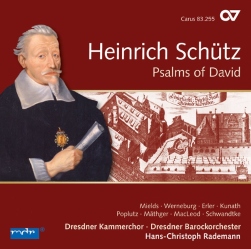
Alleluia! Praise the Lord (Psalm 150), SWV 38 (Op. 2/17)
Alleluja! Lobet den Herren in seinem Heiligtum, SWV 38
8:39
4
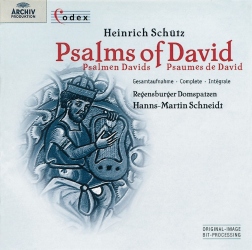
Alleluia! Praise the Lord (Psalm 150), SWV 38 (Op. 2/17)
"Alleluja, lobet den Herren in seinem Heiligtum" SWV 38
7:20
5
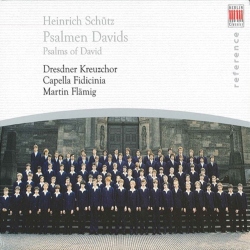
10:44
6
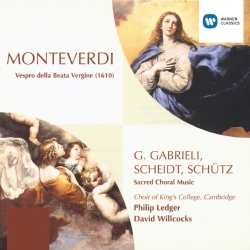
9:36
7
8:43
8
10:44
Featured Music

Main Perform Artists
Choir/Chorus
Soprano (Vocal)
Tenor (Vocal)
Tenor (Vocal)
Soprano (Vocal)
Alto (Vocals)