


Walter Piston
Released Album
Chamber
-
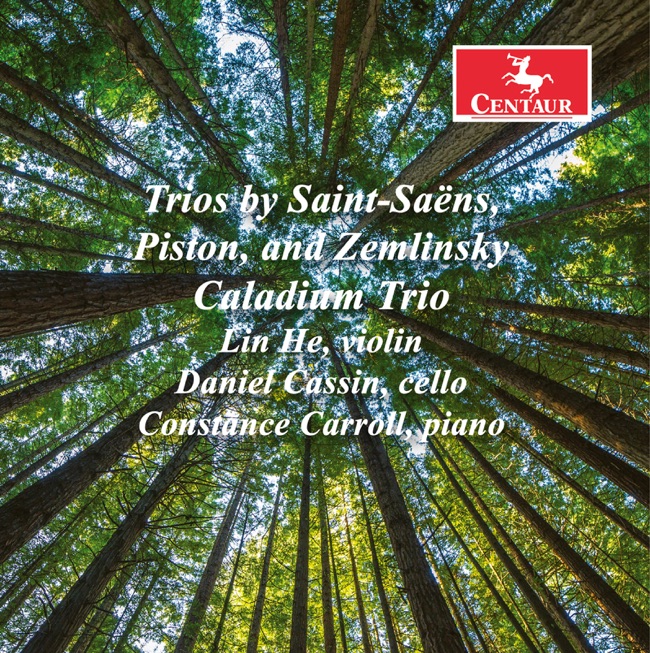 November 18, 2022
 -

-
 January 3, 2020
 -
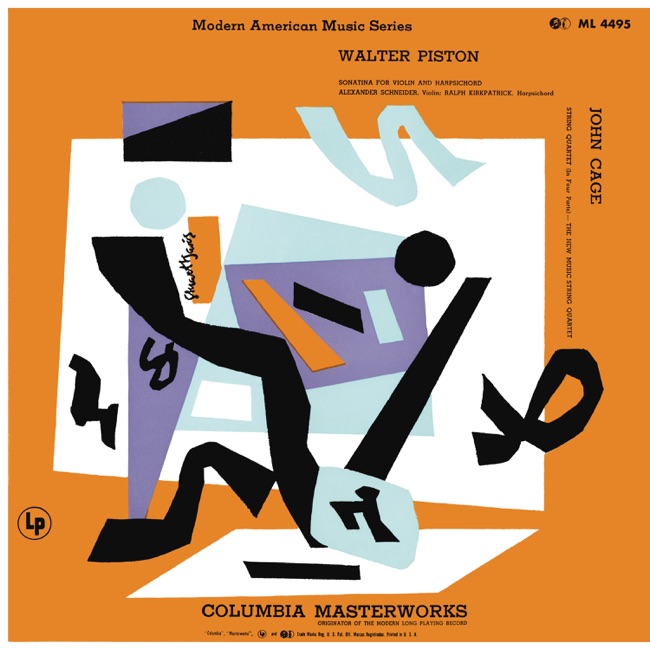
-
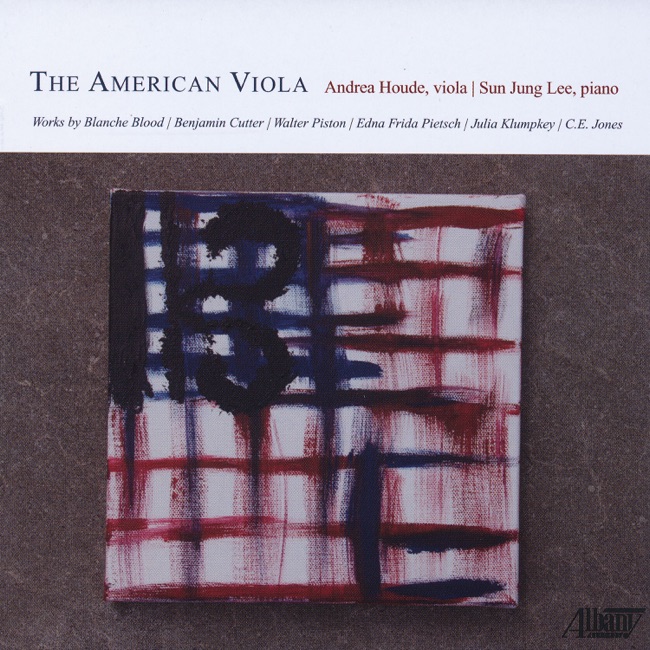 November 13, 2018
 -
 August 3, 2018
Orchestral
-
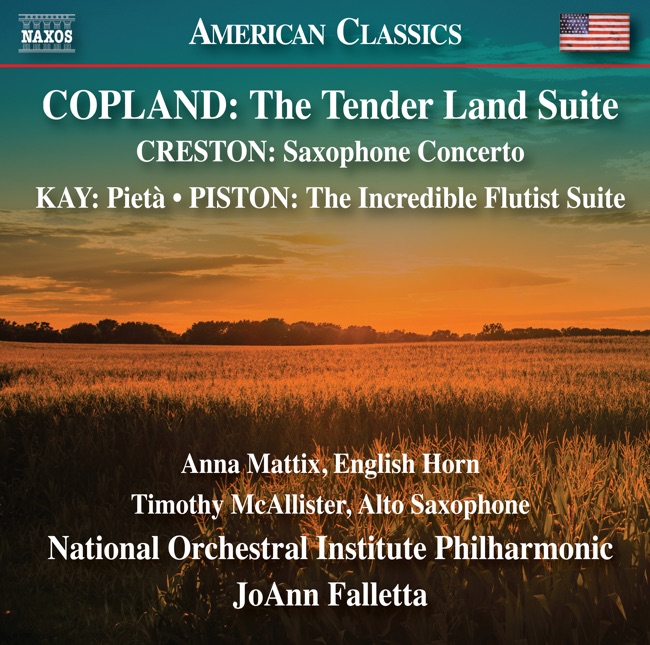
-
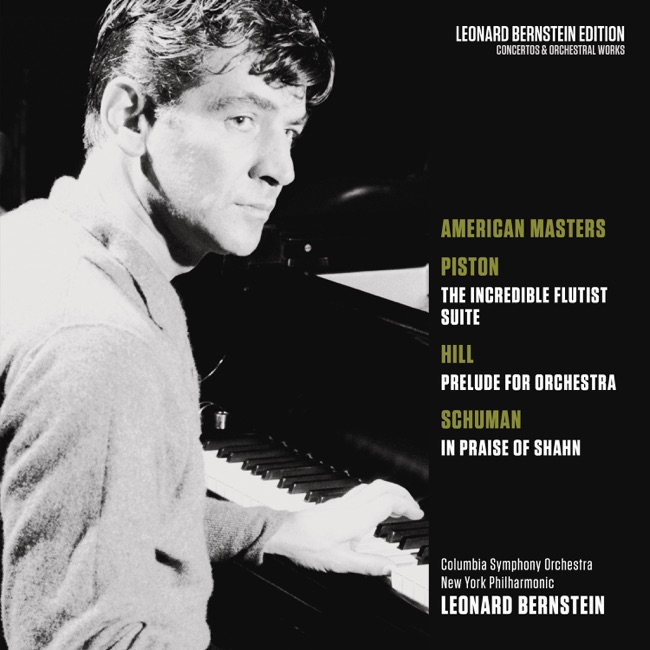
-
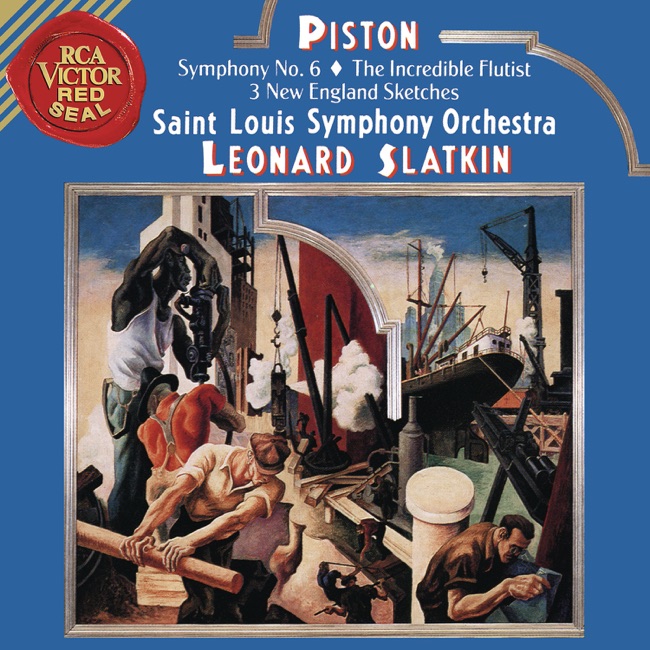
-
 September 21, 2015
 -
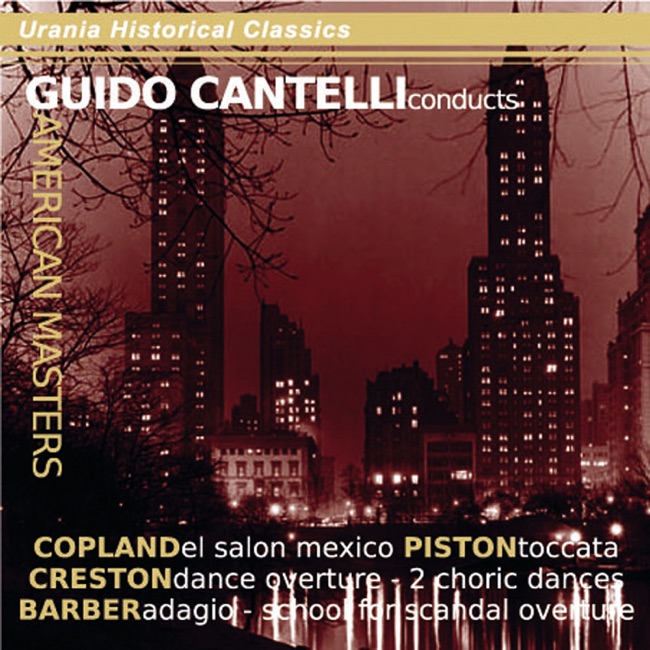 July 27, 2010
 -
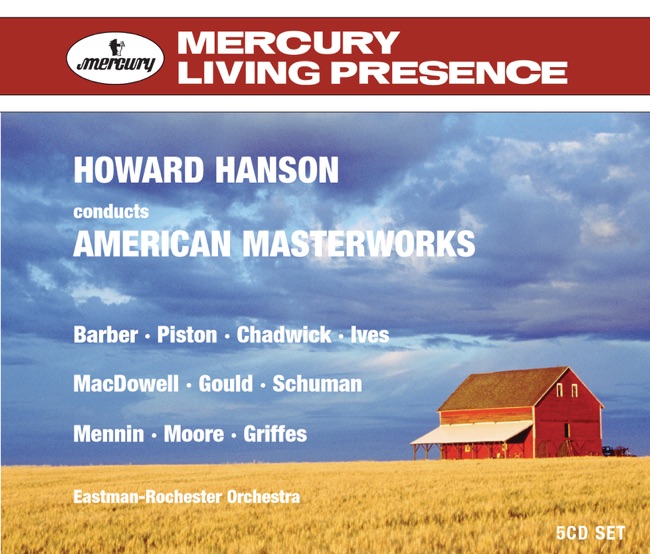 September 1, 2004
Concerto
-
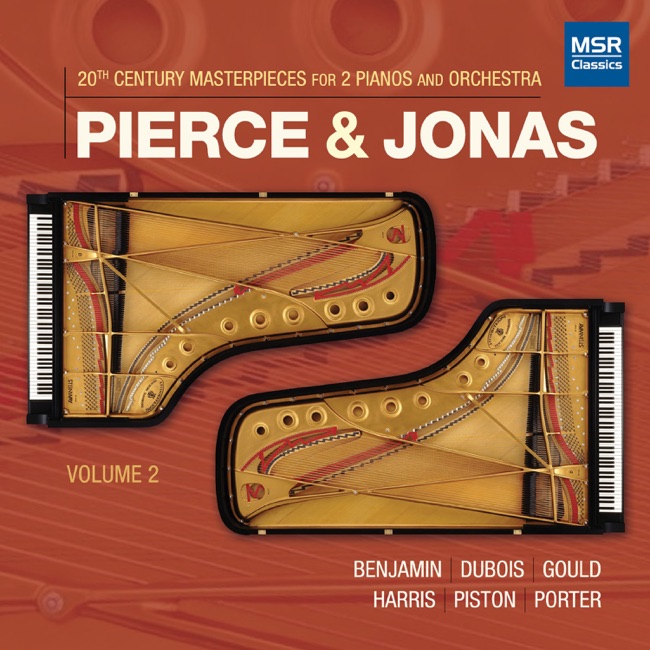 January 6, 2023
 -
 December 10, 2021
 -
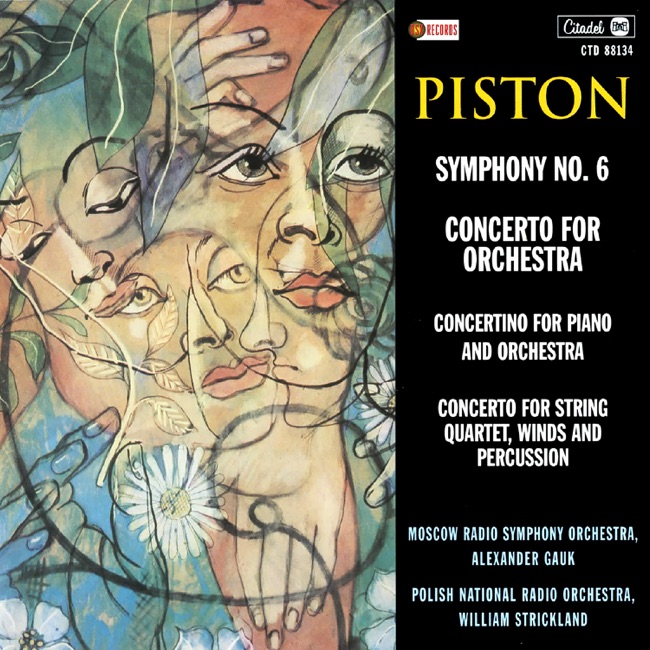
-
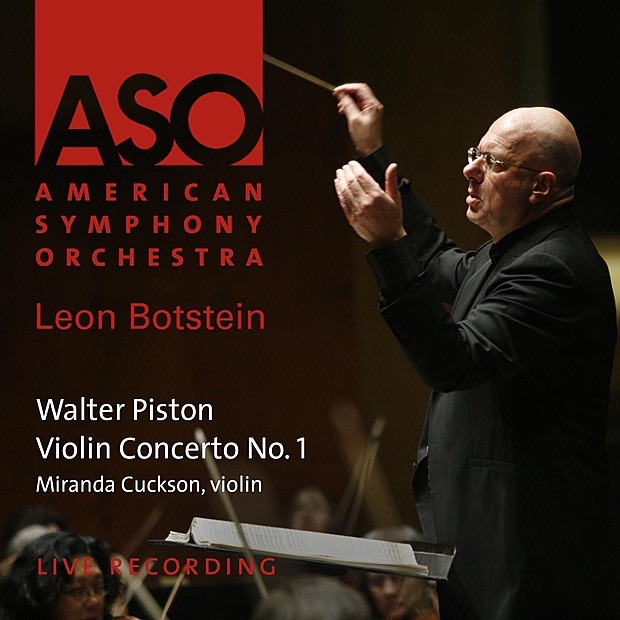 April 16, 2012
 -
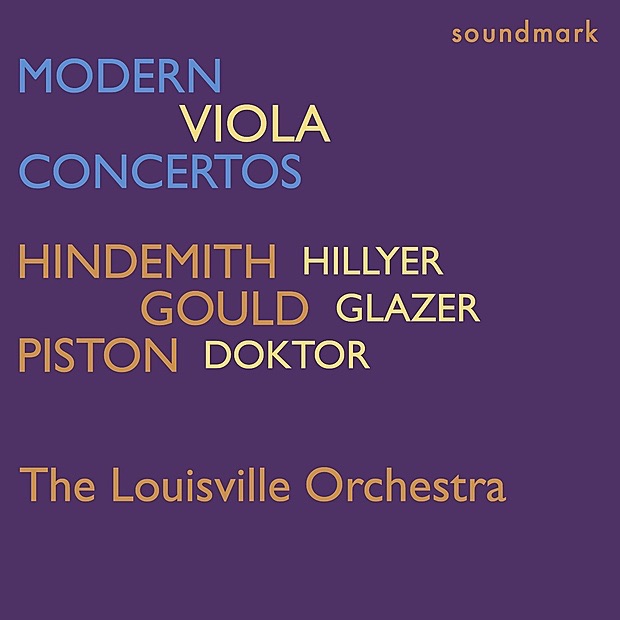 February 27, 2011
 -
 August 15, 2010
Symphony
-
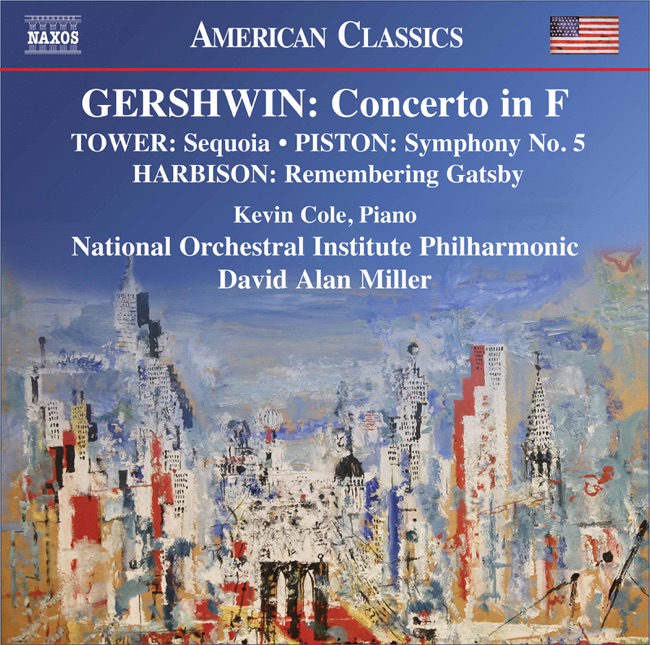
-
 March 13, 2020
 -
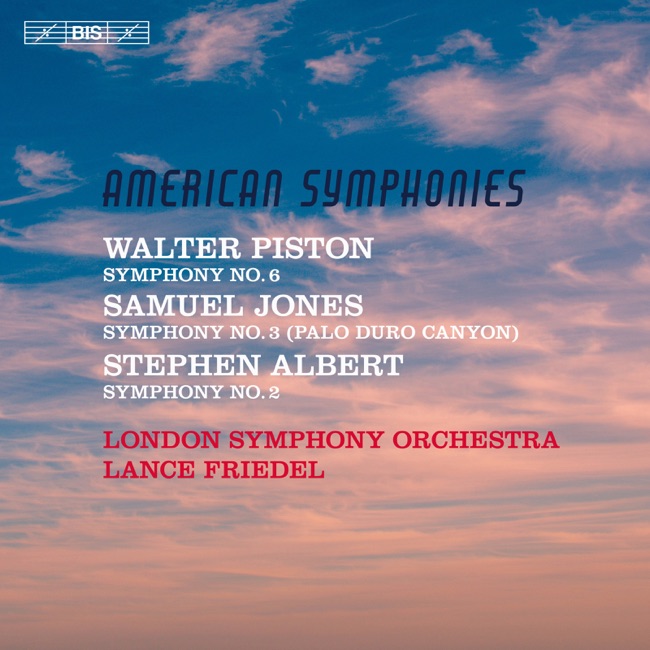 July 6, 2018
 -
 April 16, 2012
 -
 April 16, 2012
 -
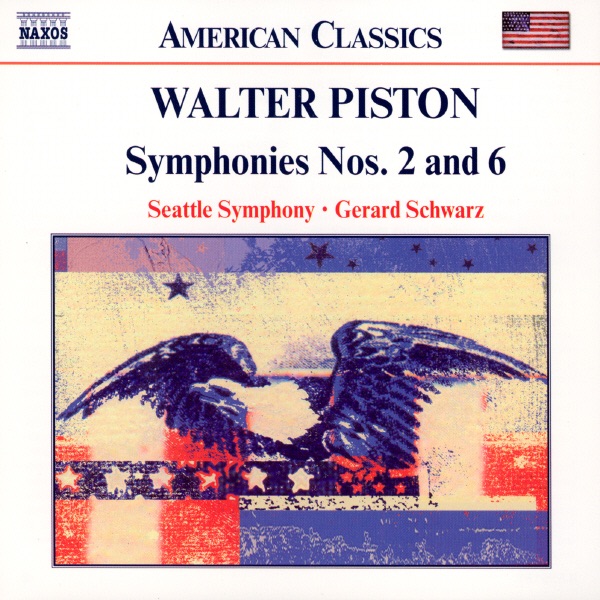 July 15, 2003
Artist Info
Role:ComposerCountry: United States of AmericaBirth:January 20, 1894 in Rockland, MEDeath:November 12, 1976 in Belmont, MAPeriod:ContemporaryModernGenre:ChamberConcertoOrchestralSymphonyWalter Piston was an American composer who was born on January 20, 1894, in Rockland, Maine. He was the son of Walter Piston Sr., a shoe factory superintendent, and Sarah Robinson. Piston showed an early interest in music and began playing the piano at the age of six. He later learned to play the violin and the organ. Piston attended Harvard University, where he studied music with Edward Burlingame Hill. He graduated in 1924 with a Bachelor of Arts degree in music. After graduation, Piston worked as a music critic for the Boston Evening Transcript and taught music theory at Harvard. In 1926, he received a Master of Arts degree in music from Harvard. Piston's early compositions were influenced by the neoclassical style of Igor Stravinsky and the Second Viennese School. His first major work, the Suite for Orchestra, was premiered by the Boston Symphony Orchestra in 1929. The suite was well-received and established Piston as a promising young composer. In 1934, Piston was awarded the Pulitzer Prize for Music for his Symphony No. 1. The symphony was premiered by the Boston Symphony Orchestra under the direction of Serge Koussevitzky. The work is characterized by its use of polytonality and complex rhythms. Piston continued to compose throughout the 1930s and 1940s, producing works such as the String Quartet No. 1, the Symphony No. 2, and the Concerto for Orchestra. His music during this period was marked by a shift towards a more tonal and accessible style. During World War II, Piston served in the United States Army Air Forces as a bandmaster. He composed several works for military bands, including the Prelude and Allegro for Band and the Suite from The Incredible Flutist. After the war, Piston returned to teaching at Harvard and continued to compose. He wrote several works for the Boston Symphony Orchestra, including the Symphony No. 3 and the Symphony No. 4. He also composed the ballet The Fairy's Kiss, which was based on music by Igor Stravinsky. In 1960, Piston was awarded the National Medal of Arts by President Dwight D. Eisenhower. He retired from teaching at Harvard in 1960 but continued to compose until his death in 1976. Piston's music is characterized by its clarity of form, use of counterpoint, and incorporation of elements of neoclassicism and modernism. His works are often tonal but feature complex harmonies and rhythms. He was a prolific composer, producing over 100 works in a variety of genres, including symphonies, concertos, chamber music, and ballets. Some of Piston's most notable works include the Symphony No. 1, the String Quartet No. 1, the Concerto for Orchestra, and the Symphony No. 3. His music has been performed by orchestras around the world and has been recorded by numerous artists. In conclusion, Walter Piston was a significant figure in American classical music. His compositions were marked by their clarity of form, use of counterpoint, and incorporation of elements of neoclassicism and modernism. He was a prolific composer who produced over 100 works in a variety of genres. His music has been performed and recorded by numerous artists and continues to be celebrated today.More....
Recent Artist Music





Recommend Playlist



Related Artists
Copyright Ⓒ 2013 Davinci Finger. All rights reseved
Service Terms & Policy