


Aaron Copland
Released Album
Orchestral
-
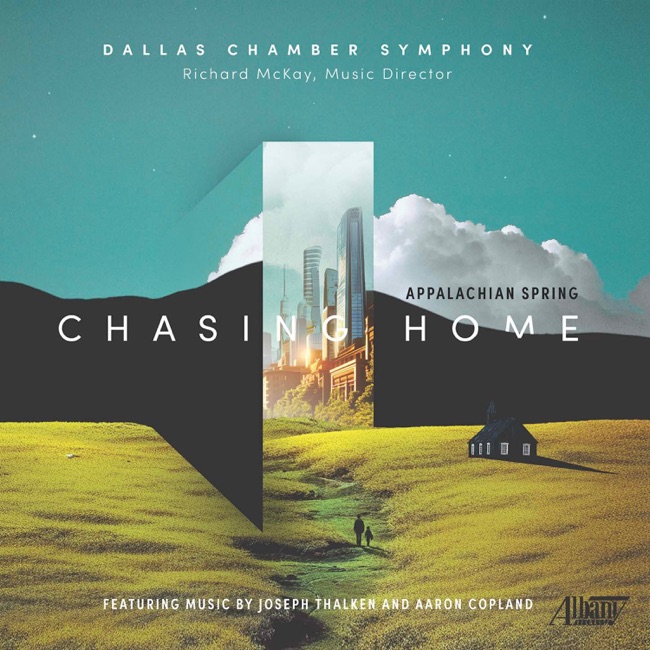 May 22, 2024
 -
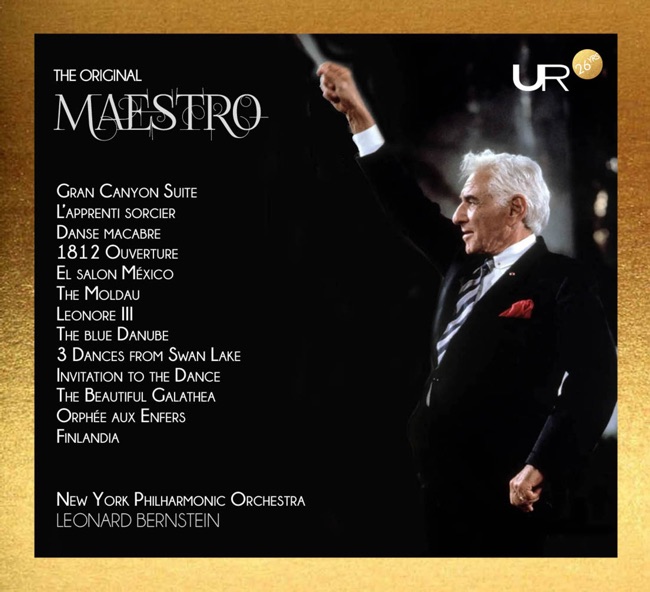 February 20, 2024
 -
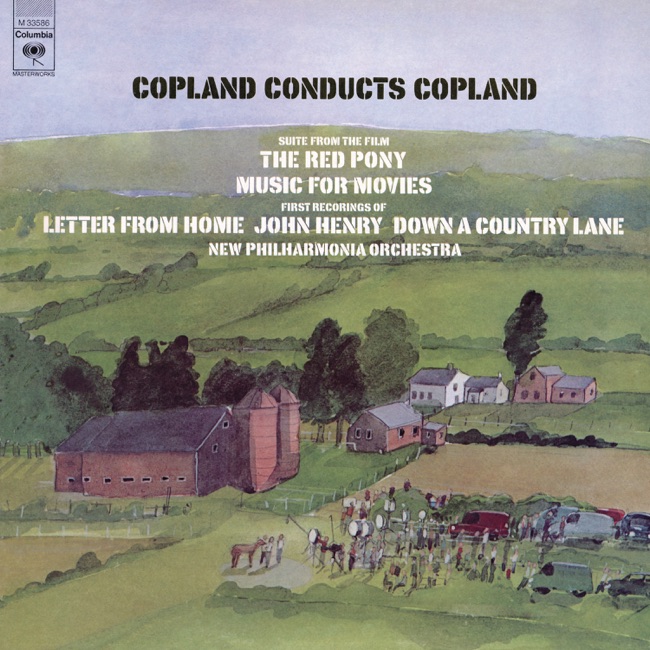
-
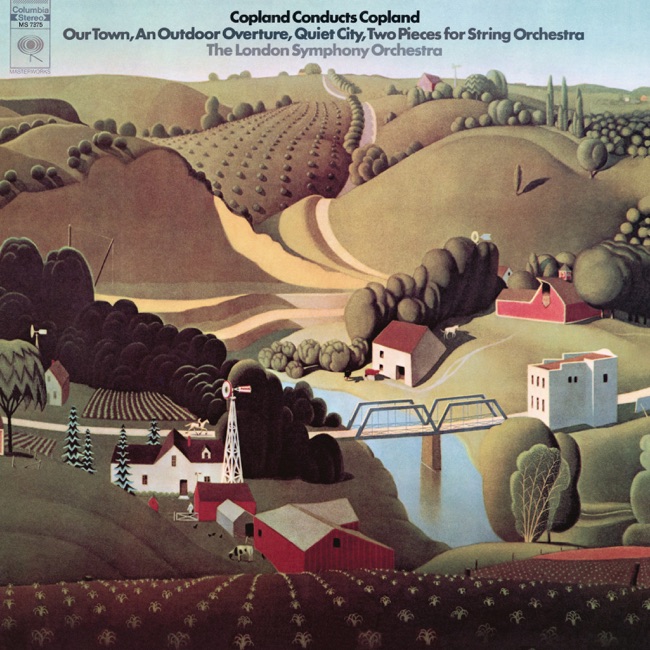
-
 February 16, 2024
 -
Ballet
-
-
 February 16, 2024
 -
 April 15, 2021
 -
-
 September 30, 2020
Vocal
-
 August 26, 2024
 -
 June 9, 2023
 -
 September 16, 2022
 -
 August 19, 2022
 -
 September 24, 2021
 -
 August 6, 2021
Keyboard
-
-
 August 12, 2022
 -
 July 9, 2021
 -
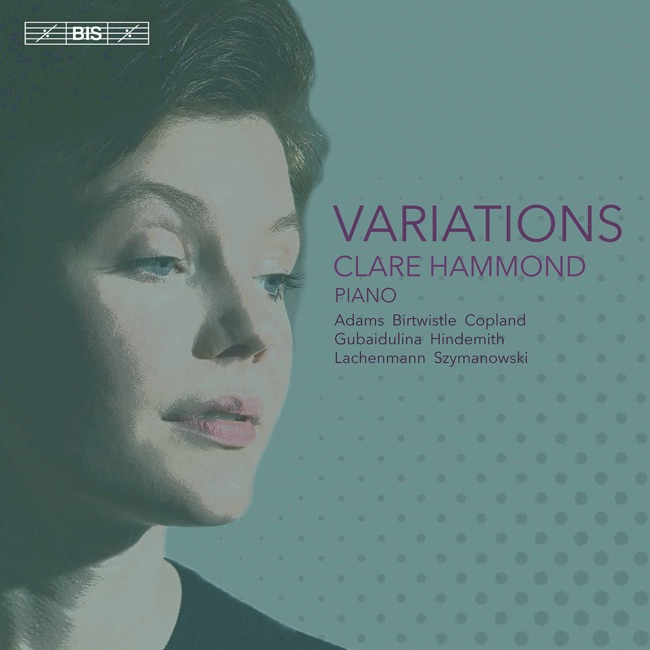 February 5, 2021
 -
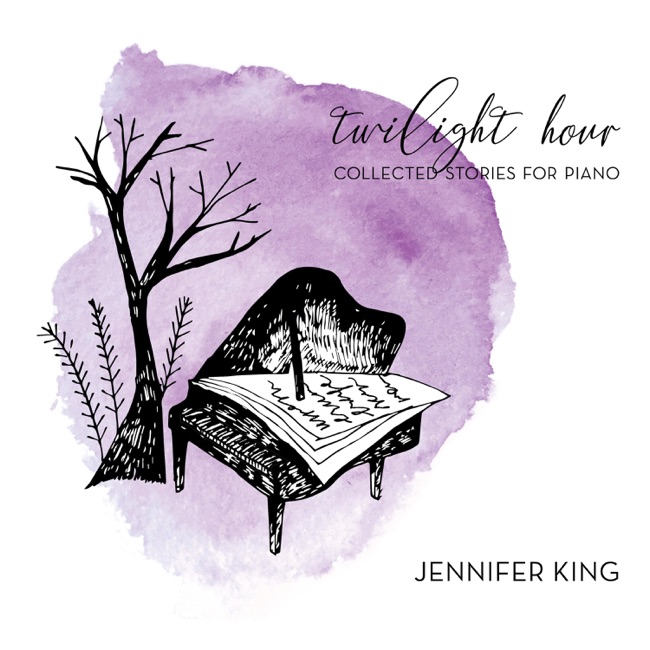 October 30, 2020
 -
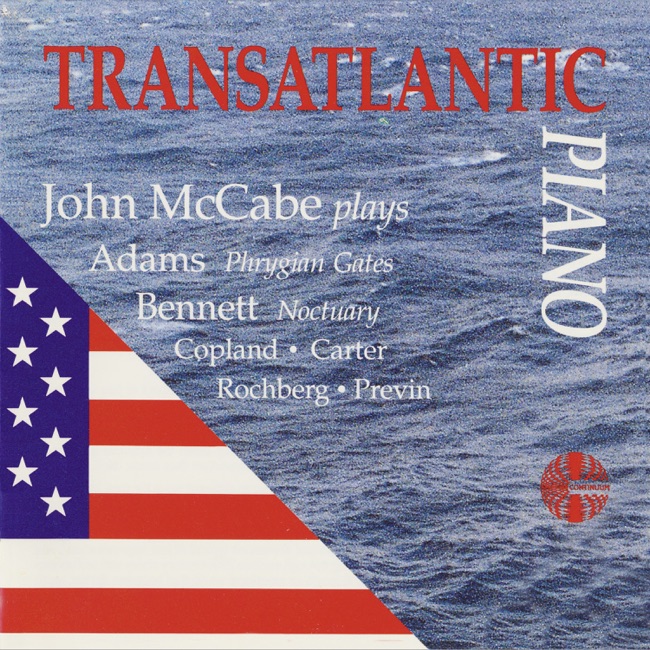 April 24, 2020
Artist Info
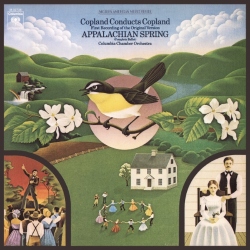
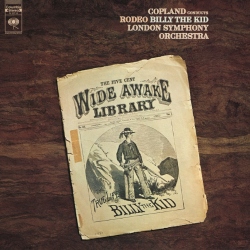
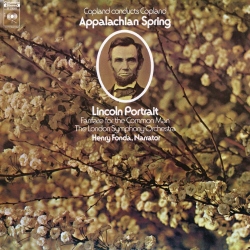
Role:Composer ConductorCountry: United States of AmericaBirth:November 14, 1900 in Brooklyn, NYDeath:December 2, 1990 in North Tarrytown, NYPeriod:ContemporaryModernGenre:BalletKeyboardOrchestralVocalAaron Copland was an American composer, conductor, and music educator who is widely regarded as one of the most important figures in 20th-century classical music. He was born on November 14, 1900, in Brooklyn, New York, to Jewish immigrant parents. His father, Harris Morris Copland, was a department store owner, and his mother, Sarah Mittenthal Copland, was a schoolteacher. Copland showed an early interest in music and began taking piano lessons at the age of 11. He later studied composition with Rubin Goldmark and Nadia Boulanger, two influential teachers who helped shape his musical style. Copland also attended the American Conservatory of Music in Chicago and the Fontainebleau School of Music in France. In the 1920s, Copland began to establish himself as a composer with a distinctive voice. His early works, such as the Piano Concerto (1926) and the Symphony for Organ and Orchestra (1924), were marked by a blend of modernist techniques and American folk idioms. Copland was particularly interested in the music of the American West, and he incorporated elements of cowboy songs and folk tunes into his compositions. In the 1930s, Copland became involved in left-wing politics and began to write music that reflected his social and political beliefs. He composed a number of works for the Federal Music Project, a New Deal program that provided employment for musicians during the Great Depression. These works, such as the ballets Billy the Kid (1938) and Rodeo (1942), were inspired by the American West and featured folk melodies and rhythms. Copland's most famous work from this period is probably Appalachian Spring (1944), a ballet that tells the story of a pioneer wedding in rural Pennsylvania. The score, which won the Pulitzer Prize for Music in 1945, is characterized by its use of open harmonies, simple melodies, and folk-like rhythms. It has become one of the most beloved and frequently performed works in the classical repertoire. In the 1950s, Copland's music took a more abstract turn. He began to experiment with serialism, a technique that uses a series of pitches to create a musical structure. Works from this period include the Piano Fantasy (1957) and Connotations for Orchestra (1962). Copland also became interested in electronic music and composed a number of works that incorporated electronic sounds, such as the Connotations for Orchestra. Despite his experimentation with new techniques, Copland remained committed to the idea of creating music that was accessible to a wide audience. He believed that music should be a part of everyday life and that it should speak to people on a deep emotional level. This philosophy is evident in works such as the Fanfare for the Common Man (1942), which was inspired by a speech by Vice President Henry Wallace and has become one of Copland's most popular works. In addition to his work as a composer, Copland was also a respected conductor and music educator. He conducted many of his own works and was a frequent guest conductor with orchestras around the world. He also taught at a number of institutions, including the New School for Social Research, Harvard University, and the Tanglewood Music Center. Copland's contributions to American music were recognized with numerous awards and honors. He was awarded the Presidential Medal of Freedom in 1964 and the National Medal of Arts in 1986. He also received honorary degrees from many universities, including Harvard, Yale, and Columbia.More....
Recent Artist Music
10
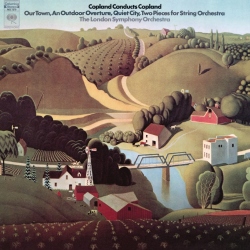
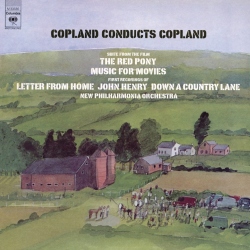
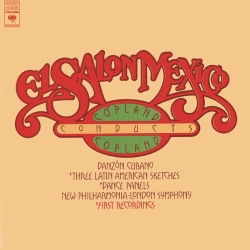
Copland Conducts Copland: Our Town; An Outdoor Overture; Quiet City; Two Pieces for String Orchestra
9:49
13
3:16
Works Highlight
Recommend Playlist











Related Artists
Copyright Ⓒ 2013 Davinci Finger. All rights reseved
Service Terms & Policy