


Julius Levine
Released Album
Chamber
-
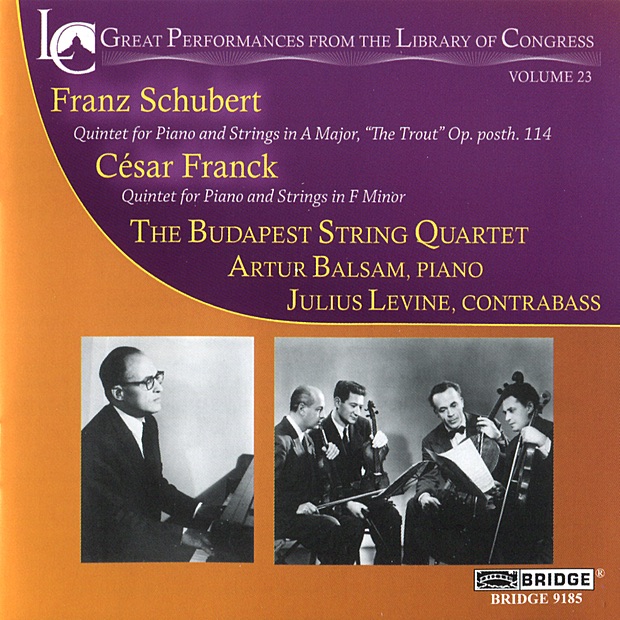
-
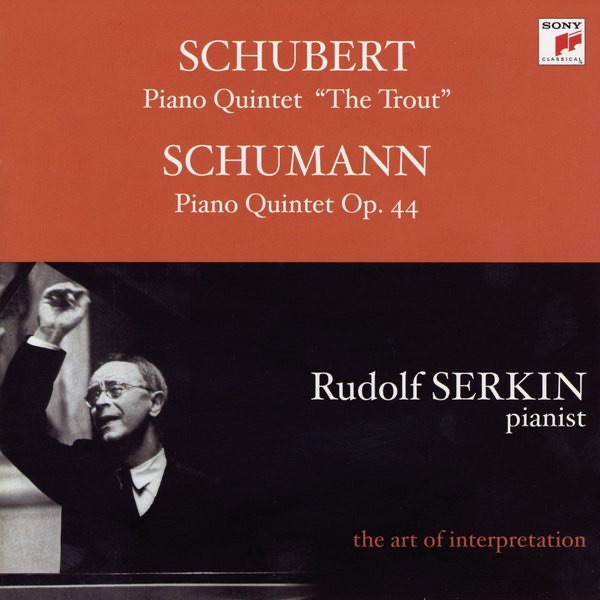
-
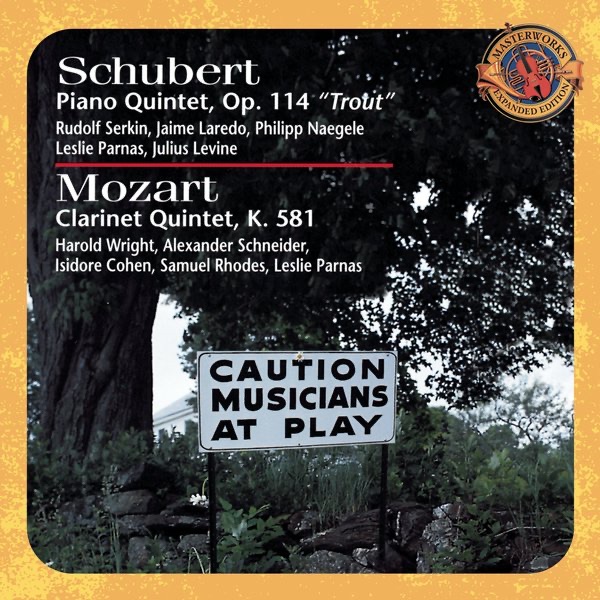
-
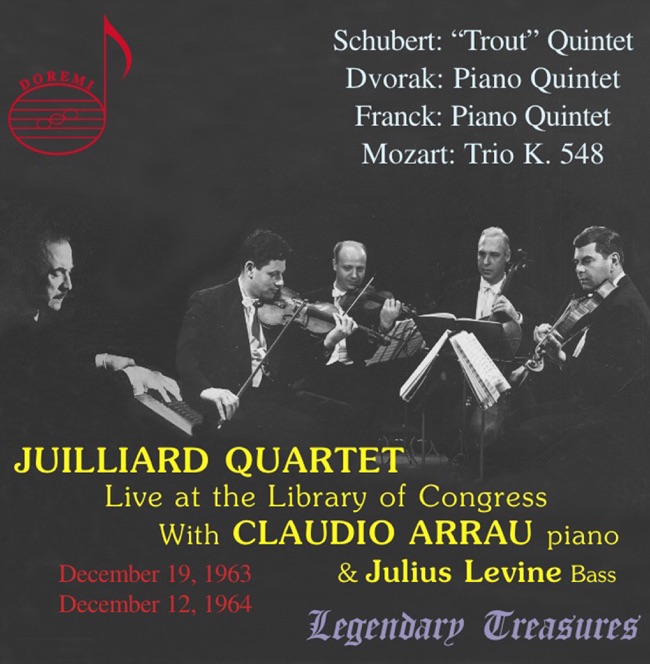 January 6, 2004
 -

-
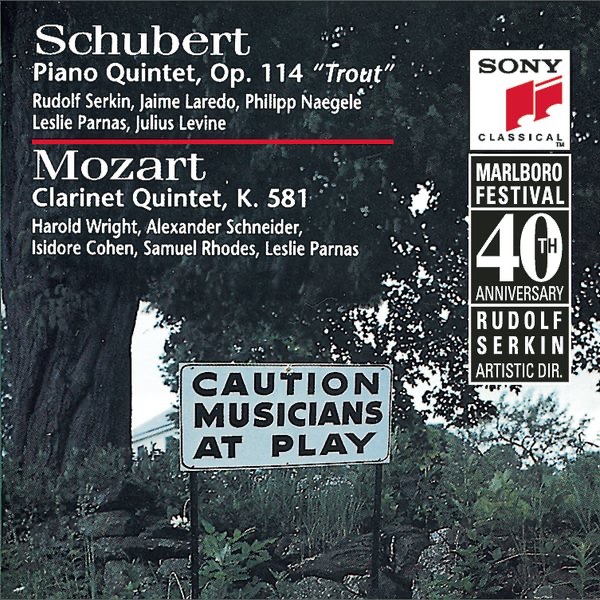 November 6, 1990
Orchestral
Ballet
-
 February 16, 2024
 -
 March 15, 1988
Symphony
-
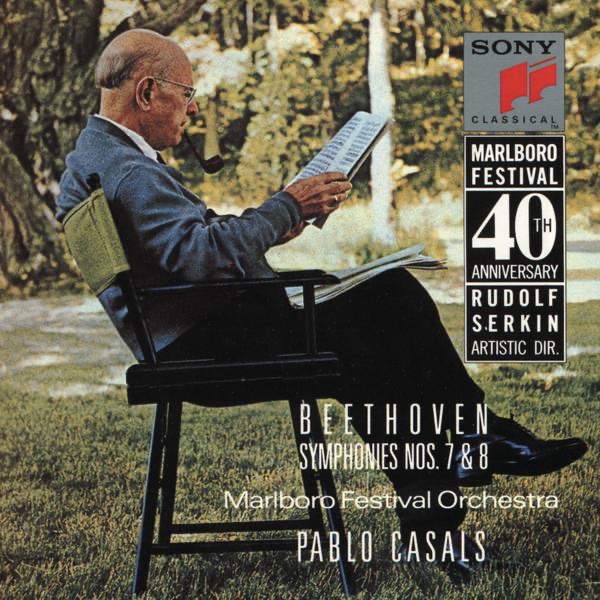 May 3, 1990
Artist Info
Death:March 28, 2003Period:RomanticModernGenre:ChamberOrchestralJulius Levine was a renowned classical music artist who made a significant contribution to the world of music. He was born on June 15, 1928, in New York City, United States. From a young age, Levine showed a keen interest in music and began playing the piano at the age of five. His parents recognized his talent and encouraged him to pursue music as a career. Levine's musical education began at the Juilliard School of Music, where he studied piano under the tutelage of Rosina Lhévinne. He later went on to study conducting with Leonard Bernstein and composition with Aaron Copland. During his time at Juilliard, Levine won several awards and scholarships, including the prestigious Naumburg Award. After completing his studies, Levine began his career as a pianist, performing in various concerts and recitals across the United States. He quickly gained a reputation as a talented and versatile musician, capable of playing a wide range of musical styles. In 1955, he made his debut with the New York Philharmonic, performing Beethoven's Piano Concerto No. 4 under the baton of Leonard Bernstein. Over the next few years, Levine continued to perform with some of the world's leading orchestras, including the Boston Symphony Orchestra, the Chicago Symphony Orchestra, and the London Symphony Orchestra. He also made several recordings, including a critically acclaimed performance of Brahms' Piano Concerto No. 2 with the London Symphony Orchestra. In addition to his work as a pianist, Levine was also an accomplished conductor. He made his conducting debut in 1960 with the New York City Opera, leading a production of Mozart's The Marriage of Figaro. He went on to conduct several other operas, including Verdi's La traviata and Puccini's Tosca. One of the highlights of Levine's career came in 1969 when he was appointed the music director of the Metropolitan Opera in New York City. He held this position for ten years, during which time he conducted over 2,500 performances and introduced several new productions to the company's repertoire. He also worked with some of the world's leading singers, including Plácido Domingo, Luciano Pavarotti, and Joan Sutherland. During his tenure at the Metropolitan Opera, Levine received several awards and honors, including the National Medal of Arts in 1983. He was also inducted into the American Classical Music Hall of Fame in 1998. Levine continued to perform and conduct well into his later years, despite suffering from Parkinson's disease. He passed away on August 9, 2015, at the age of 87. His legacy as a musician and conductor continues to inspire and influence generations of musicians. In conclusion, Julius Levine was a gifted and versatile musician who made a significant contribution to the world of classical music. His talent as a pianist and conductor, combined with his passion for music, earned him a place among the greats of the genre. His legacy continues to inspire and influence musicians around the world, and his contributions to the world of music will be remembered for generations to come.More....
Recent Artist Music

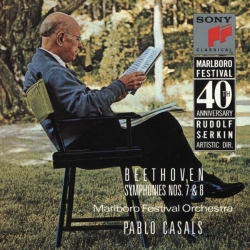

5
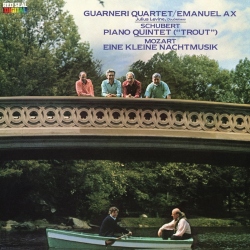
6:57
6
7:5
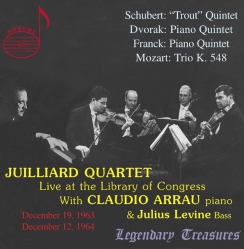
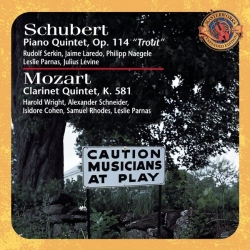
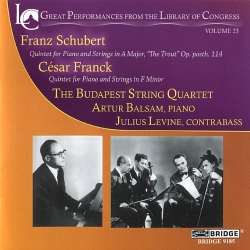
10

6:55
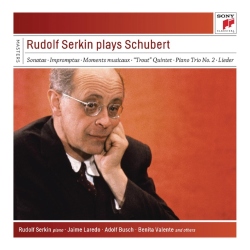
13

5:57
Related Artists
Copyright Ⓒ 2013 Davinci Finger. All rights reseved
Service Terms & Policy