


Johann Sebastian Bach
Brandenburg Concerto No. 4 in G major, BWV 1049
Released Album
Recent Album
-
-
-
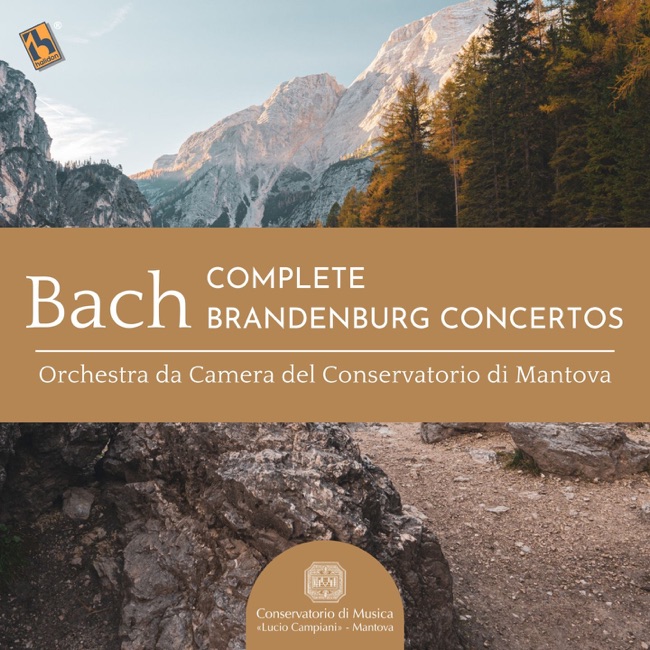 Orchestra da Camera del Conservatorio di MantovaMarch 15, 2024
 -
-
-
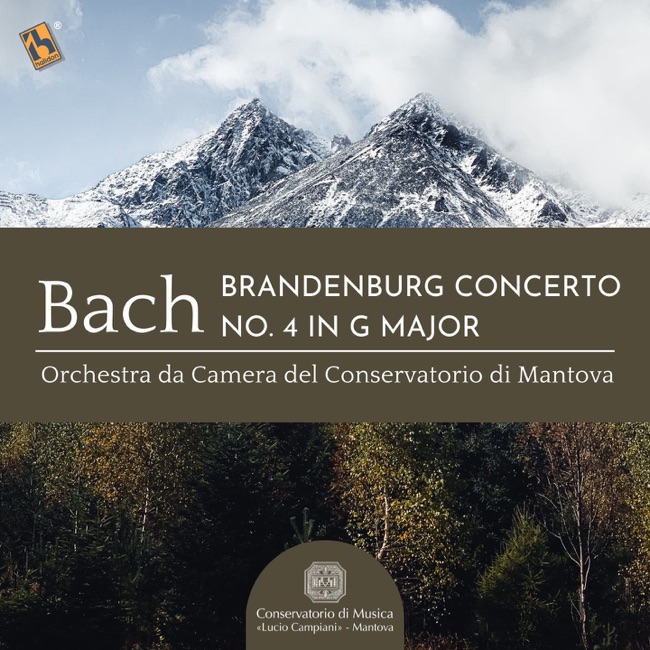 Orchestra da Camera del Conservatorio di MantovaFebruary 23, 2024
 -
-
-
-
-
-
Featured Album
Works Info
Composer:Johann Sebastian BachGenre:ConcertoStyle:Concerto GrossoCompose Date:Mar 24, 1721Publication Date:1871Average_duration:21:24Movement_count:3Movement ....Johann Sebastian Bach composed the Brandenburg Concerto No. 4 in G major, BWV 1049, in 1721. It was part of a set of six concertos that Bach dedicated to Christian Ludwig, Margrave of Brandenburg-Schwedt. The concerto is scored for solo violin, two flutes, and strings, with a continuo part for harpsichord. The concerto is divided into three movements. The first movement is marked Allegro and features a lively and energetic theme that is passed between the solo violin and the two flutes. The second movement is marked Andante and is a beautiful and lyrical piece that showcases the solo violin's ability to play expressively. The third movement is marked Presto and is a fast and lively dance that features virtuosic solos from the solo violin and the two flutes. One of the most notable characteristics of the Brandenburg Concerto No. 4 is its use of the concertino, a group of solo instruments that are featured prominently throughout the piece. In this concerto, the concertino consists of the solo violin and the two flutes, which are given equal importance and are often heard playing together in intricate and complex passages. Another characteristic of the concerto is its use of counterpoint, a technique in which two or more melodic lines are played simultaneously. Bach was a master of counterpoint, and the Brandenburg Concerto No. 4 is a prime example of his skill in this area. The piece features numerous instances of counterpoint, with the solo instruments often playing intricate and interweaving melodies that create a rich and complex texture. Overall, the Brandenburg Concerto No. 4 is a masterpiece of Baroque music that showcases Bach's skill as a composer and his ability to create complex and intricate works that are both beautiful and engaging. Its use of the concertino and counterpoint make it a unique and innovative piece that has stood the test of time and remains a beloved work in the classical music repertoire.More....
Works Music
Released Music
1
8:8
2
3:27
3
6:57
4
8:35
5
3:29
6
6:57
7
4:44
8
7:2
9
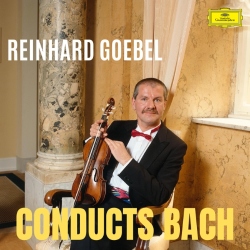
6:11
10
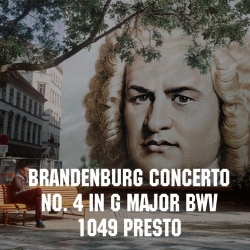
4:43
Featured Music
1
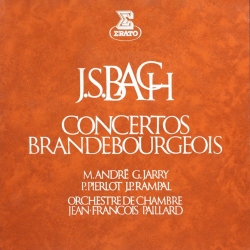
7:21
2
3:57
3
5:18
4
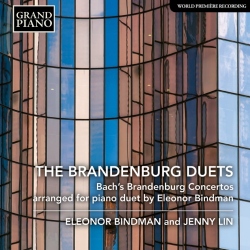
7:29
5
3:54
6
4:56
7
6:53
8
3:34
9
4:48
10
6:31
11
3:36
12
4:25
Recommend Playlist











Main Perform Artists
Recorder
Recorder