


Johann Sebastian Bach
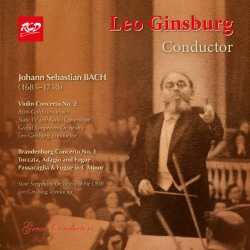
Concerto for violin No. 2 in E major, BWV 1042
Released Album
Recent Album
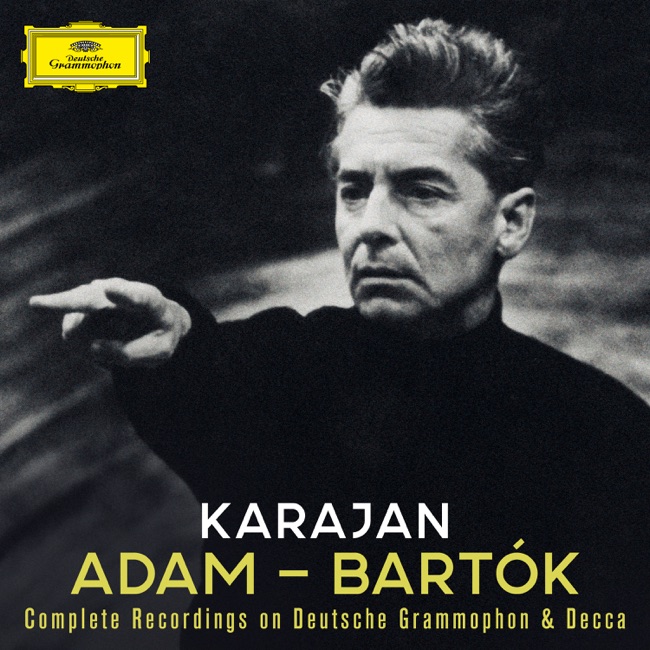
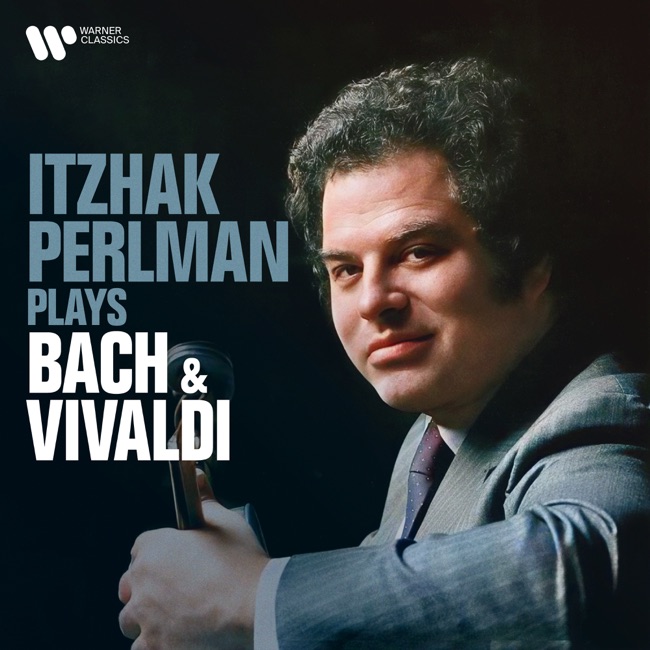
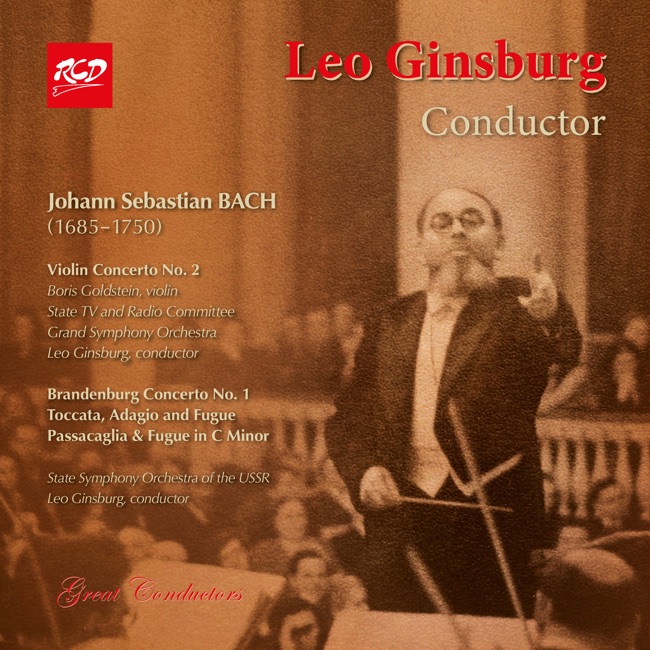

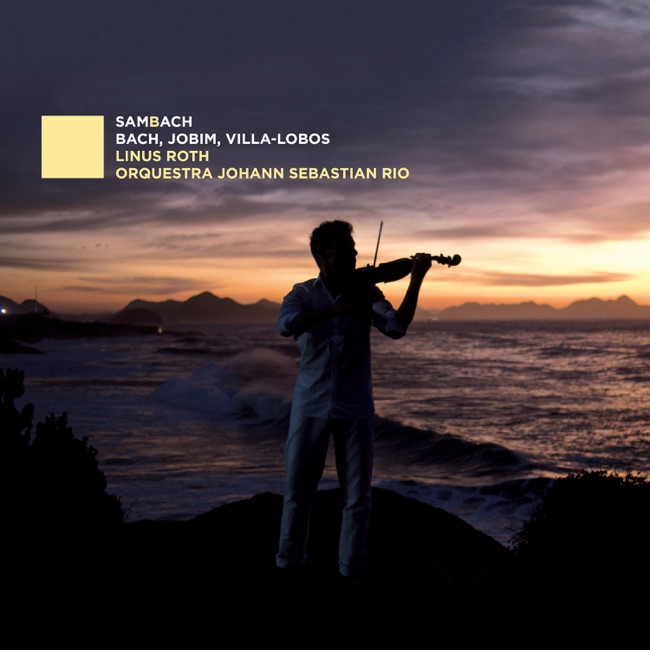

Featured Album
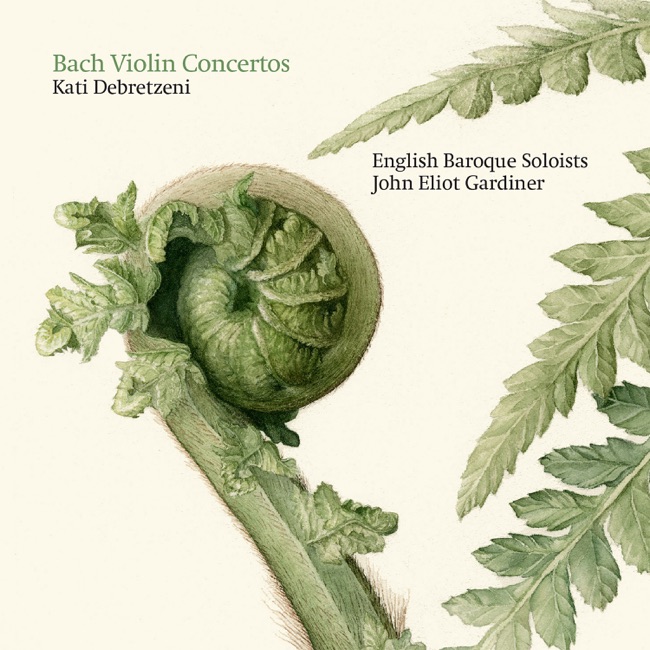
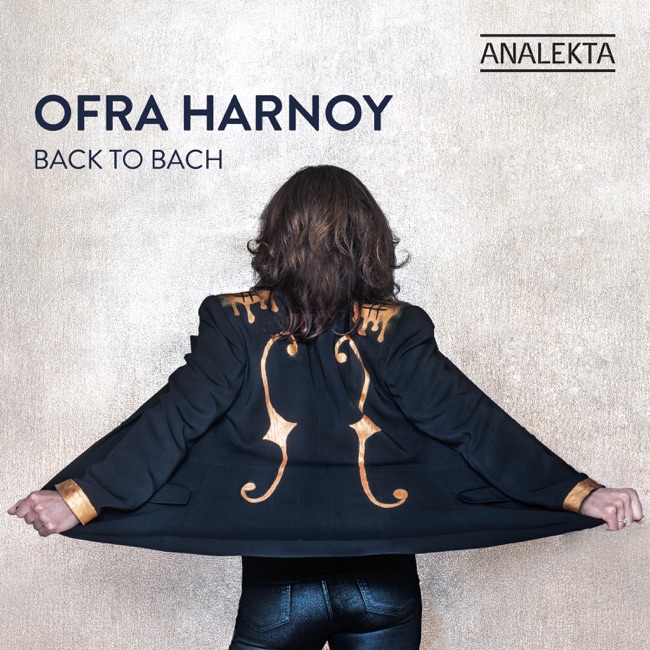
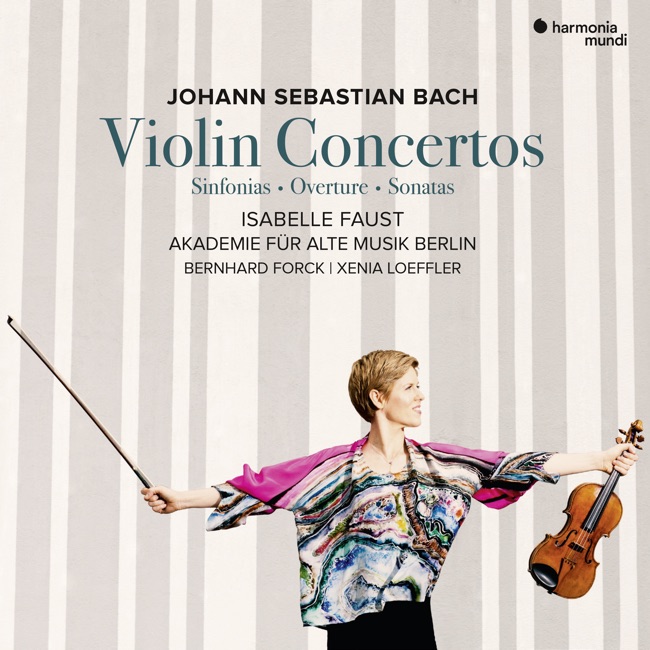
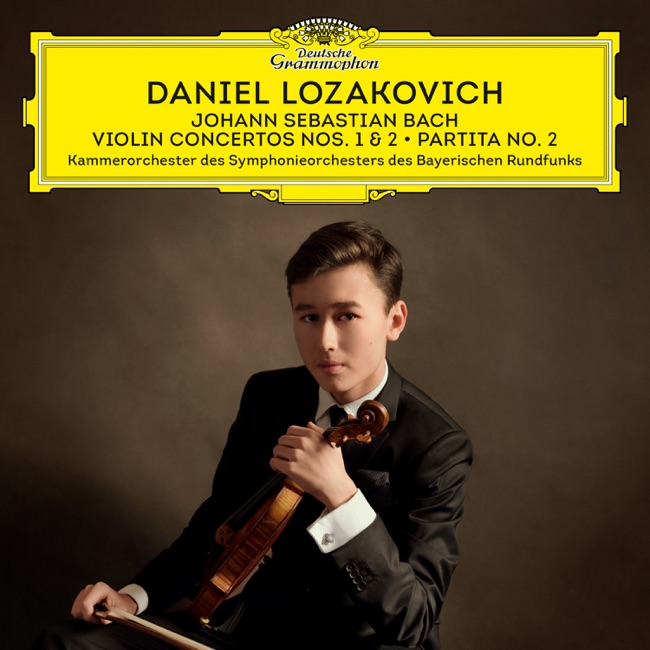
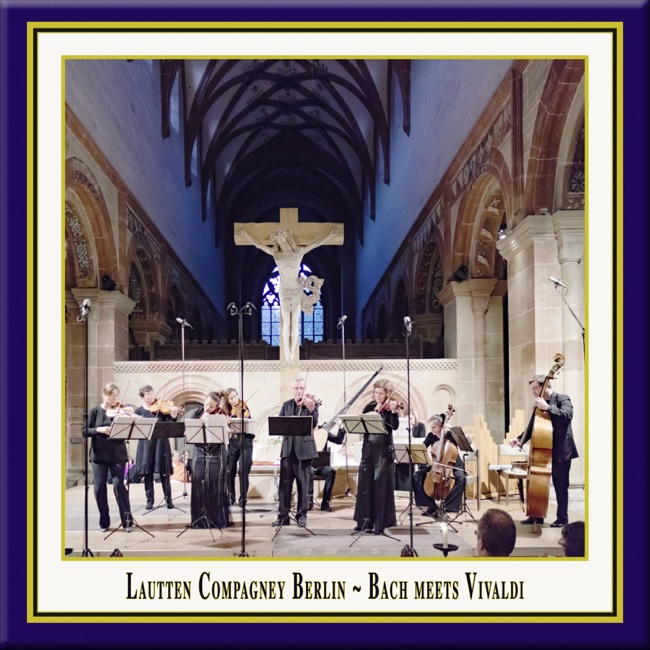
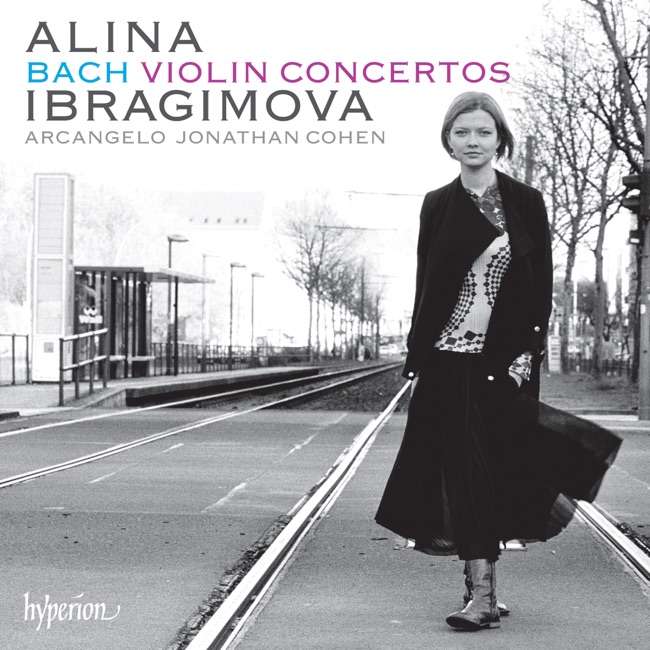
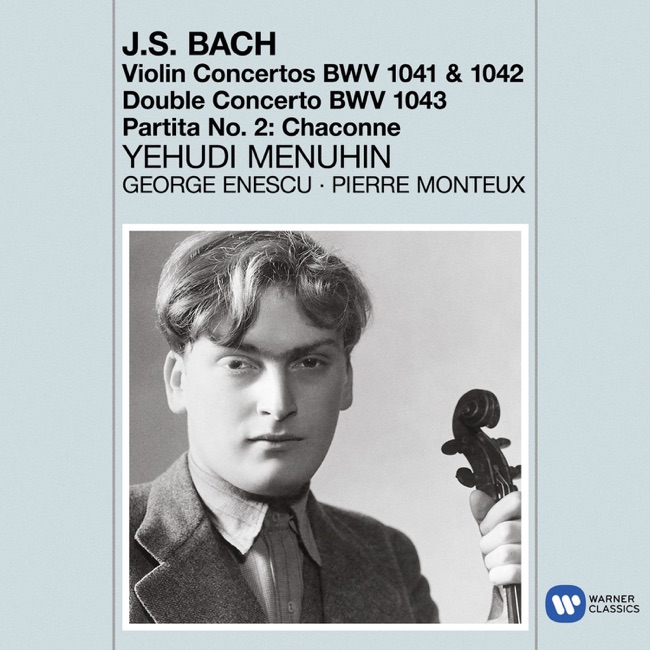
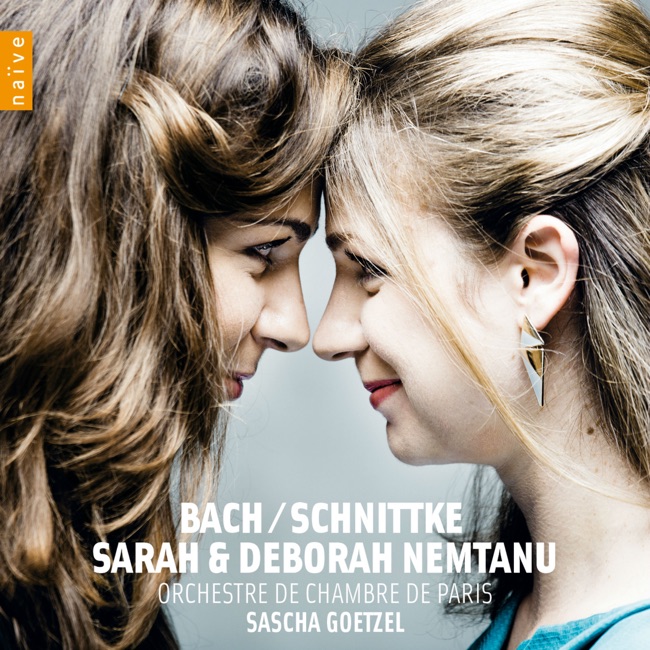
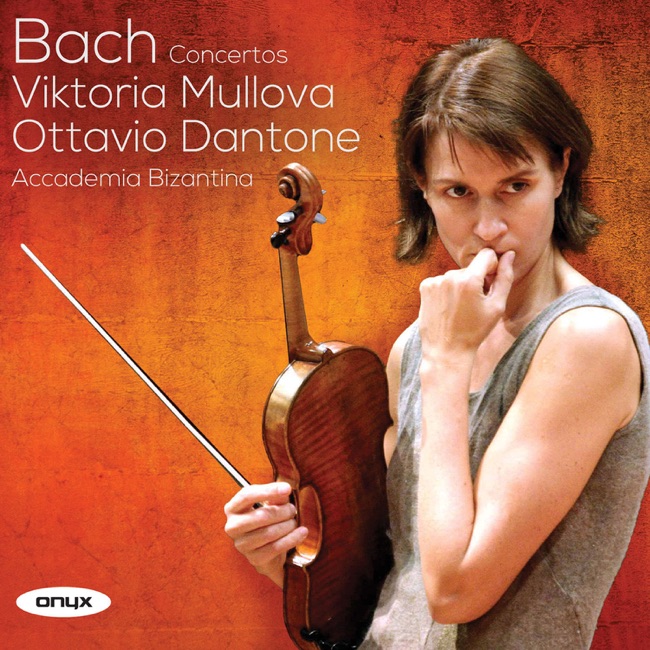
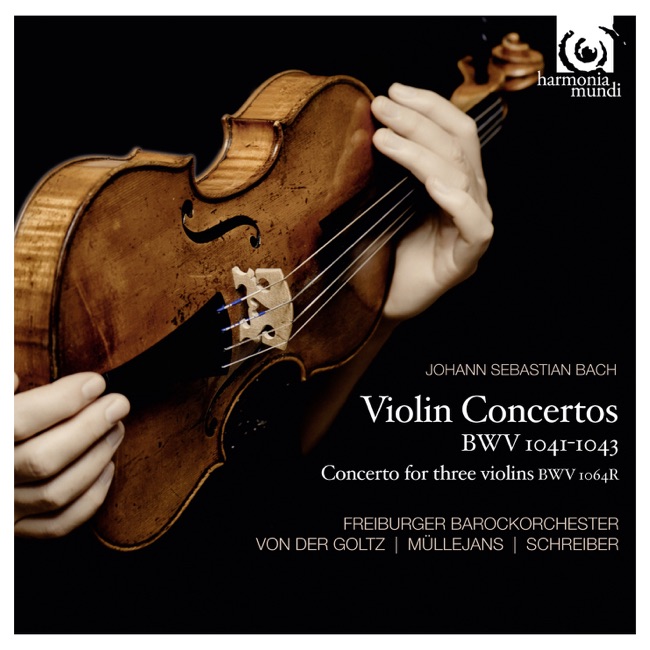
Works Info
Composer:Johann Sebastian BachGenre:ConcertoStyle:ConcertoCompose Date:before 1730Publication Date:1874Average_duration:17:36Movement_count:3Movement ....Johann Sebastian Bach's Concerto for violin No. 2 in E major, BWV 1042, is a masterpiece of Baroque music. It was composed in the early 18th century, around 1730, during Bach's tenure as Kapellmeister in Leipzig. The concerto is one of Bach's most popular works for the violin, and it is widely regarded as a pinnacle of the Baroque concerto form. The concerto is in three movements, typical of the Baroque concerto form. The first movement is marked Allegro, and it is a lively and energetic piece that showcases the virtuosity of the solo violinist. The second movement is marked Adagio, and it is a slow and lyrical piece that allows the soloist to display their expressive abilities. The third movement is marked Allegro assai, and it is a fast and lively piece that brings the concerto to a thrilling conclusion. The concerto is characterized by its intricate and complex counterpoint, its use of ornamentation, and its virtuosic solo violin part. Bach's use of counterpoint in the concerto is particularly notable, as he weaves together multiple melodic lines to create a rich and complex texture. The solo violin part is also highly virtuosic, with rapid runs, arpeggios, and double stops that require great technical skill from the soloist. The concerto was premiered in Leipzig, likely by Bach himself leading the orchestra from the harpsichord. It was likely performed by the Leipzig Collegium Musicum, a group of professional and amateur musicians that Bach directed during his time in Leipzig. The concerto was not published during Bach's lifetime, and it was not until the 19th century that it began to gain widespread recognition as a masterpiece of Baroque music. Overall, Bach's Concerto for violin No. 2 in E major, BWV 1042, is a stunning example of the Baroque concerto form. Its intricate counterpoint, virtuosic solo violin part, and expressive melodies make it a beloved work of classical music that continues to captivate audiences today.More....
Works Music
Released Music
1
7:36
2
8:59
3
8:35
4
7:42
5
7:52
7
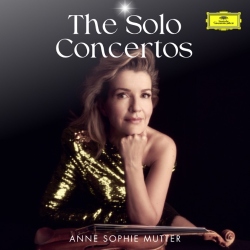
7:44
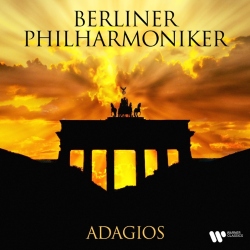
9

6:26
10
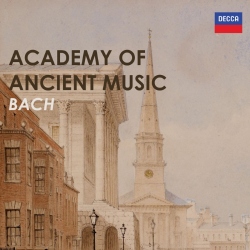
7:59
Featured Music
1
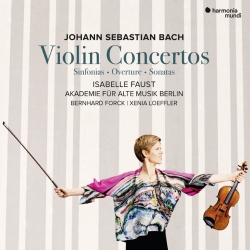
7:6
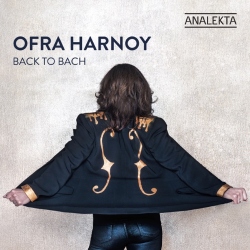
4
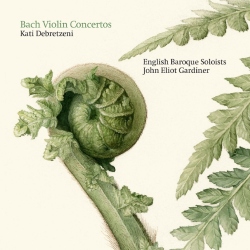
7:46
5
5:35
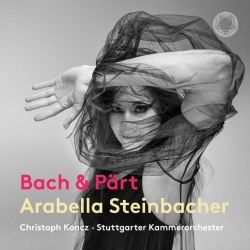
10
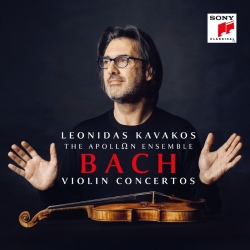
7:15
11
6:2
Recommend Playlist















Main Perform Artists
Violin
Violin
Harpsichord
Violin
Violin
Violin