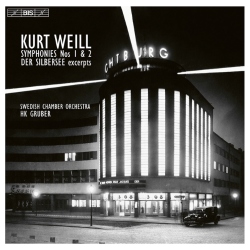
Kurt Weill
Der Silbersee
Released Album
Recent Album

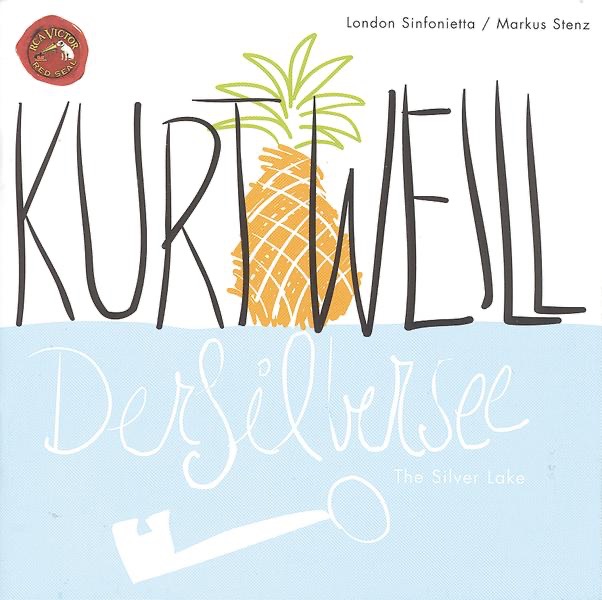
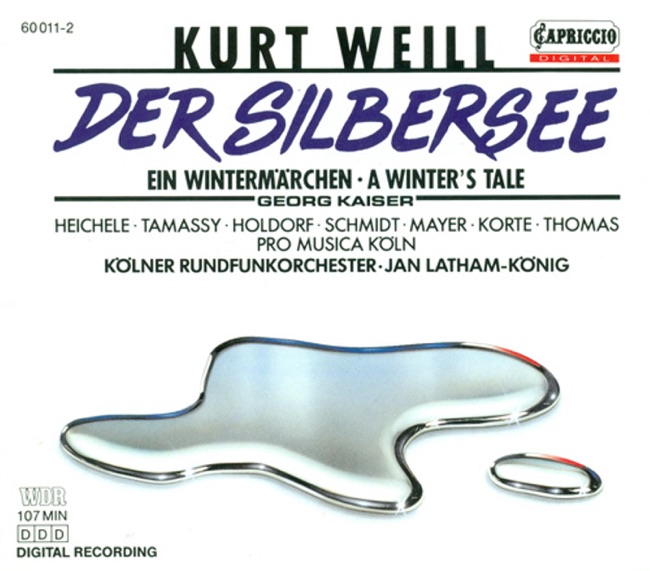
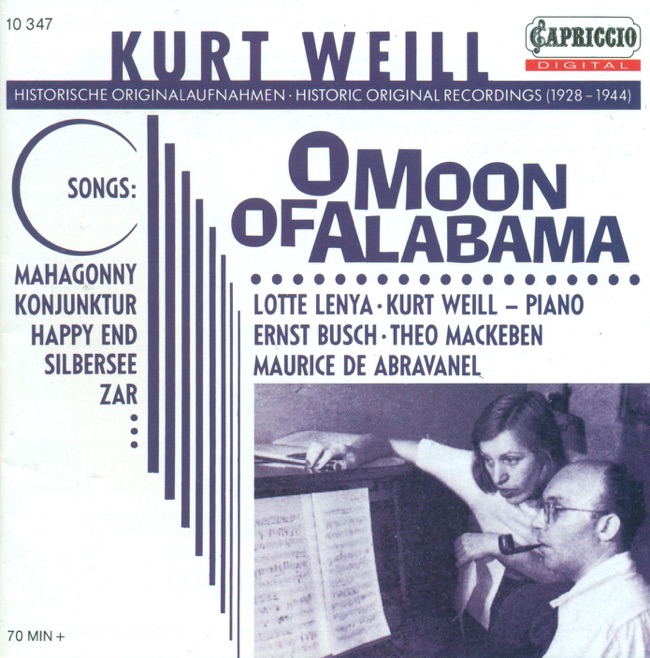
Featured Album
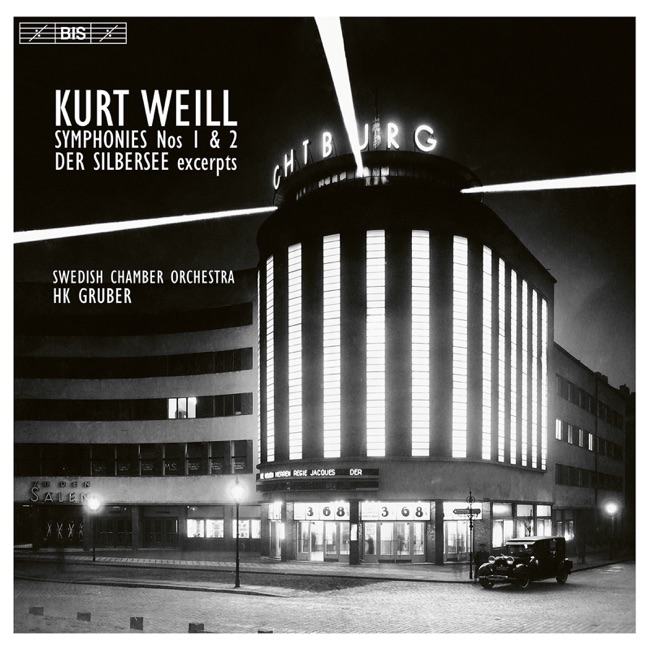

Works Info
Composer:Kurt WeillGenre:Musical TheatreStyle:OperaCompose Date:Aug 1932 - Jan 1933Publication Date:1933First Performance:Feb 18, 1933Average_duration:95:56Movement_count:13Movement ....Der Silbersee, also known as The Silver Lake, is a musical work composed by Kurt Weill in 1933. The plot of the musical is set in a dystopian society where the rich and powerful exploit the poor and the weak. The story revolves around two fugitives, Severin and Fennimore, who are on the run from the authorities. They seek refuge in a forest near a lake, where they meet a group of outcasts who have formed a community of their own. The outcasts are led by a charismatic leader named Olim, who is determined to overthrow the corrupt ruling class and establish a new society based on equality and justice. The musical is divided into two acts, each consisting of several scenes. The first act introduces the main characters and sets the stage for the conflict between the outcasts and the ruling class. The second act focuses on the struggle between the two groups and the eventual resolution of the conflict. The music of Der Silbersee is characterized by its eclectic style, which combines elements of classical music, jazz, and popular music. Weill's use of dissonant harmonies and unconventional instrumentation creates a sense of tension and unease that reflects the dystopian setting of the story. The musical also features several memorable songs, including "The Ballad of the Robbers," "The Song of the Big Shot," and "The Song of the Fisherman." Der Silbersee premiered in Leipzig, Germany, on February 18, 1933, just weeks after the Nazi Party came to power. The musical was initially well-received by audiences and critics, but it was soon banned by the Nazi regime for its anti-capitalist and anti-authoritarian themes. Weill and his collaborator, playwright Georg Kaiser, were forced to flee Germany and seek refuge in France. Despite its controversial subject matter, Der Silbersee has become one of Weill's most enduring works. Its themes of social justice and resistance to oppression continue to resonate with audiences today, and its music remains a testament to Weill's innovative and eclectic style.More....
Works Music
Released Music


Featured Music