


Bertolt Brecht
Released Album
Vocal
-
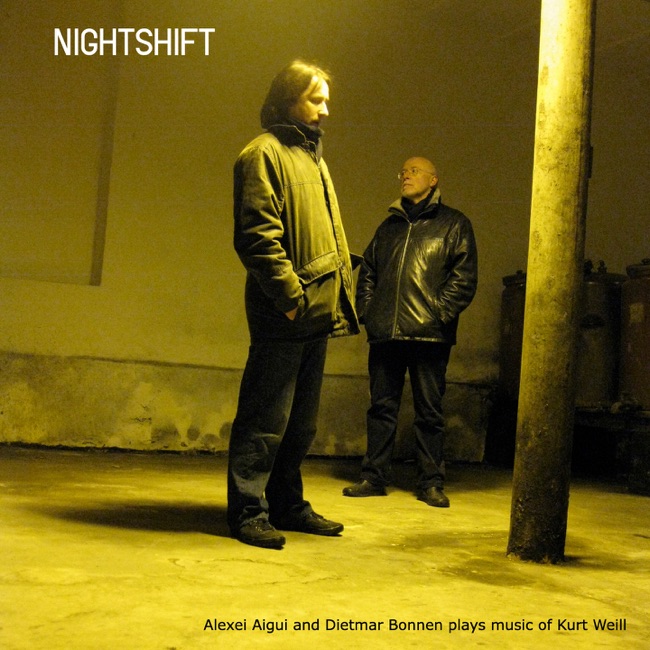 July 8, 2022
 -
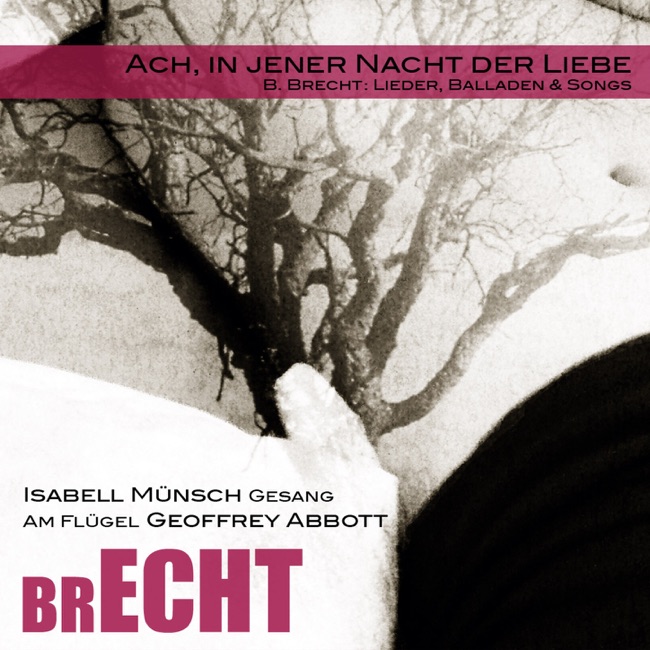 April 6, 2012
Opera
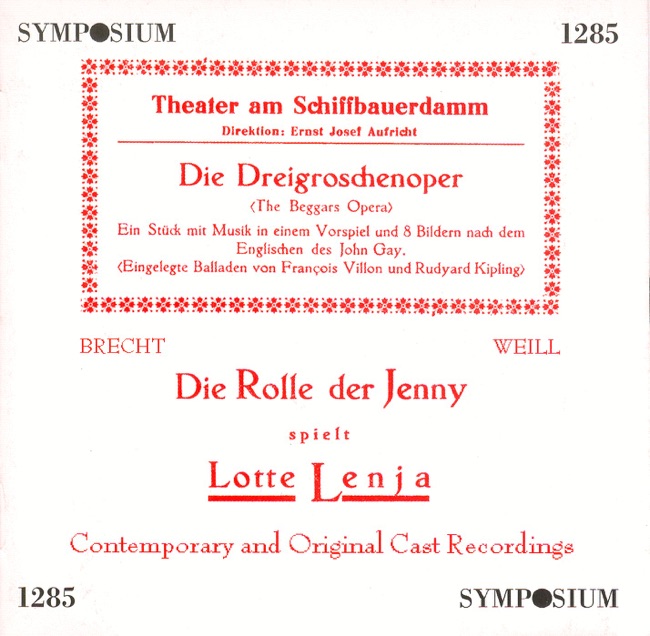
Artist Info
Role:Composer PerformerCountry: GermanyBirth:February 10, 1898 in Augsburg, GermanyDeath:August 14, 1956 in Berlin, GermanyGenre:OperaVocalBertolt Brecht was a German playwright, poet, and theatre director who is widely regarded as one of the most influential figures in 20th-century theatre. Born on February 10, 1898, in Augsburg, Germany, Brecht was the son of a Catholic father and a Protestant mother. He grew up in a middle-class family and showed an early interest in music and literature. Brecht's musical talent was evident from a young age, and he began playing the piano and composing music as a child. He studied music at the University of Munich and later at the Berlin Conservatory, where he was trained in classical music theory and composition. However, Brecht's interest in music was always intertwined with his passion for theatre and literature. In the 1920s, Brecht became involved in the Berlin theatre scene, where he began to develop his own unique style of theatre. He rejected the traditional approach to theatre, which he saw as overly sentimental and focused on individual emotions and experiences. Instead, he sought to create a new kind of theatre that would be more political and socially engaged. Brecht's first major success as a playwright came in 1928 with the production of his play "The Threepenny Opera." The play, which was a collaboration with composer Kurt Weill, was a critical and commercial success and became one of the most popular plays of the Weimar Republic era. The play's music, which blended elements of jazz and cabaret with classical music, was a major part of its appeal. Over the next decade, Brecht continued to write plays and collaborate with Weill on musical productions. In 1933, however, the rise of the Nazi party in Germany forced Brecht to flee the country. He spent the next several years in exile, living in various countries in Europe and the United States. During his exile, Brecht continued to write plays and work on musical productions. He also became increasingly involved in political activism, using his art to critique the social and political systems of the time. In 1941, he wrote his most famous play, "Mother Courage and Her Children," which was a powerful critique of war and capitalism. After the end of World War II, Brecht returned to Germany and became involved in the rebuilding of the country's cultural institutions. He founded the Berliner Ensemble, a theatre company that would become one of the most important cultural institutions in post-war Germany. The company's productions, which were known for their innovative staging and political engagement, helped to shape the cultural landscape of Germany in the post-war period. Brecht's contributions to theatre and music were recognized with numerous awards and honors throughout his career. In 1954, he was awarded the Stalin Peace Prize, and in 1955 he was awarded the National Prize of the German Democratic Republic. He was also nominated for the Nobel Prize in Literature several times. Brecht died on August 14, 1956, in East Berlin, Germany. His legacy as a playwright, poet, and theatre director continues to be felt today, and his influence can be seen in the work of countless artists and writers around the world.More....
Copyright Ⓒ 2013 Davinci Finger. All rights reseved
Service Terms & Policy