


Kurt Weill
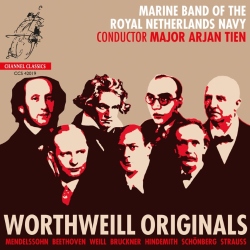
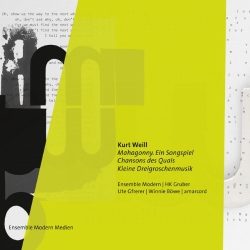
Kleine Dreigroschenmusik
Released Album
Recent Album
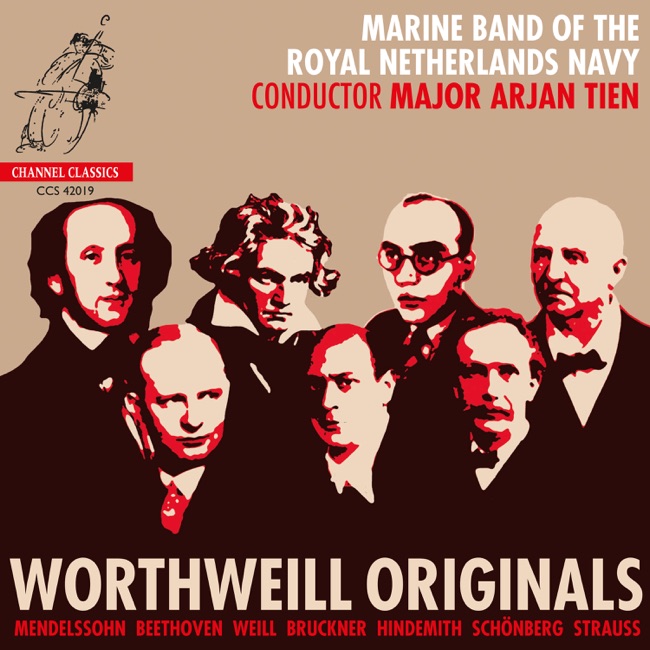
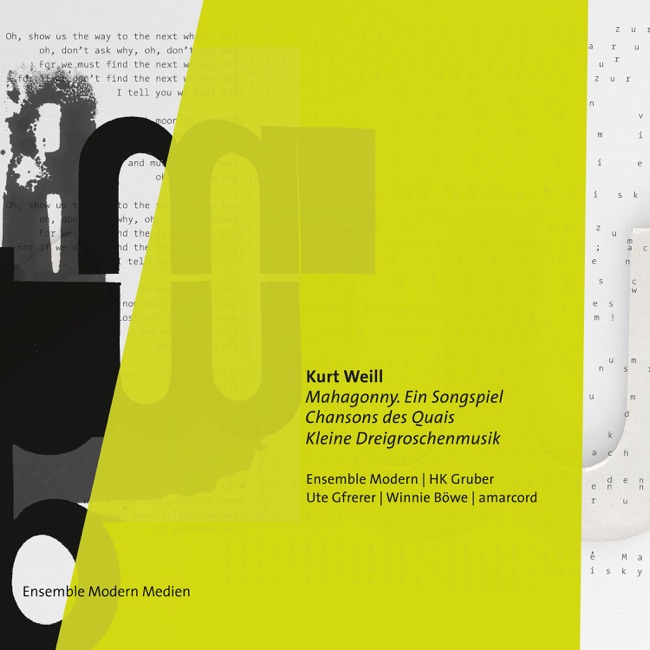
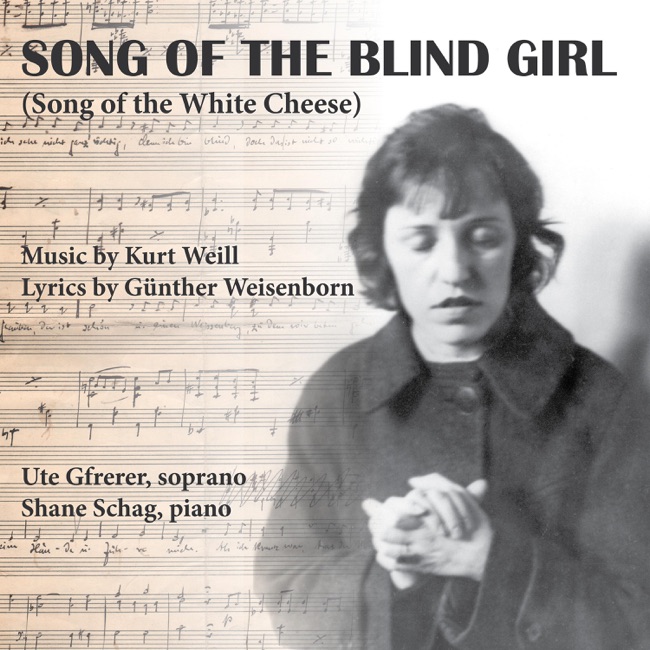
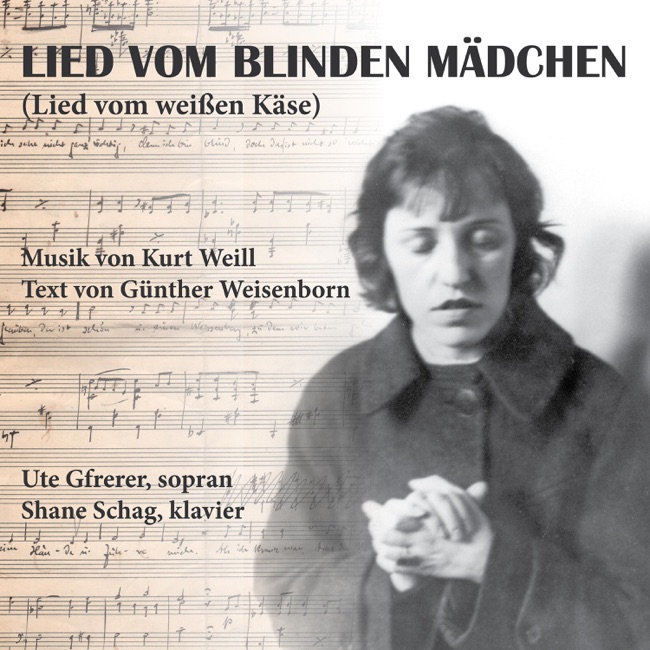


Featured Album
Works Info
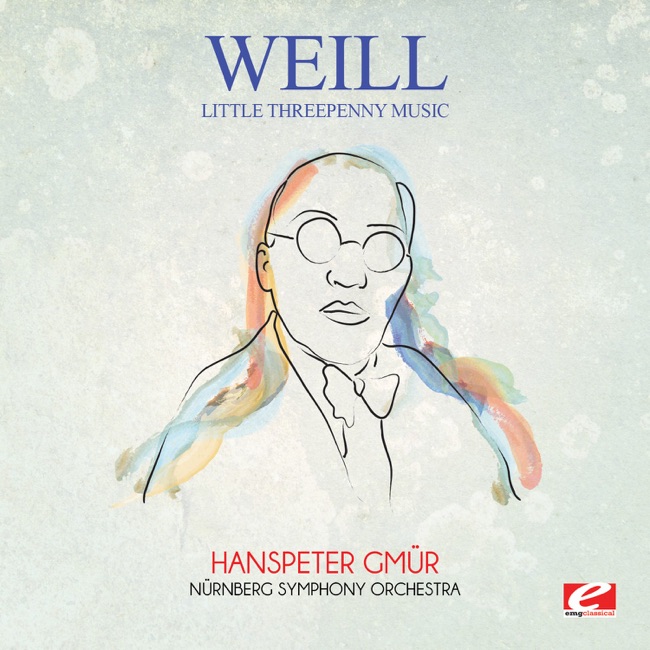
Composer:Kurt WeillGenre:OrchestralStyle:SuiteCompose Date:Dec 1928 - Jan 1929First Performance:Feb 7, 1929Average_duration:19:04Movement_count:8Movement ....Kurt Weill's 'Kleine Dreigroschenmusik' (Little Threepenny Music) is a suite of music that was composed in 1928 as a companion piece to his famous opera 'Die Dreigroschenoper' (The Threepenny Opera). The suite was arranged for a small ensemble of wind and brass instruments, percussion, and piano, and it consists of seven movements. The premiere of 'Kleine Dreigroschenmusik' took place on September 18, 1929, at the Berliner Theater in Berlin, Germany. The suite was an instant success and quickly became one of Weill's most popular works. The first movement of the suite, 'Overture,' is a lively and energetic piece that sets the tone for the rest of the music. It features a driving rhythm and a catchy melody that is instantly recognizable. The second movement, 'The Ballad of Mack the Knife,' is a haunting and melancholy piece that features a solo clarinet playing the famous melody from the opera. The music is slow and mournful, and it captures the dark and brooding atmosphere of the opera. The third movement, 'The Cannon Song,' is a rousing and energetic piece that features a brass ensemble playing a military-style march. The music is loud and bombastic, and it captures the spirit of the opera's anti-establishment message. The fourth movement, 'The Jealousy Duet,' is a playful and lighthearted piece that features a duet between a clarinet and a trumpet. The music is fast and frenetic, and it captures the playful and mischievous nature of the opera's characters. The fifth movement, 'Tango-Ballade,' is a sultry and seductive piece that features a solo violin playing a slow and sensual melody. The music is dark and moody, and it captures the seedy and dangerous world of the opera's characters. The sixth movement, 'Polly's Song,' is a sweet and tender piece that features a solo flute playing a gentle and delicate melody. The music is soft and gentle, and it captures the innocence and vulnerability of the opera's female lead. The final movement, 'The Finale,' is a triumphant and celebratory piece that brings the suite to a rousing conclusion. The music is loud and joyful, and it captures the spirit of the opera's message of rebellion and defiance. Overall, 'Kleine Dreigroschenmusik' is a masterful work of music that captures the essence of Kurt Weill's iconic opera. The suite is a testament to Weill's skill as a composer and his ability to create music that is both powerful and emotionally resonant.More....
Works Music
Released Music
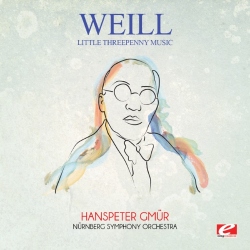
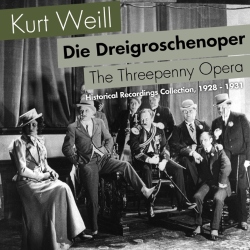
Featured Music
Recommend Playlist



Main Perform Artists
Sax Soprano
Sax Baritone
Sax Alto
Sax Tenor
Baritone (Vocal)
Piano
Vocals