


Giuseppe Martucci
Released Album
Keyboard
-
 July 26, 2024
 -
 May 24, 2024
 -
 May 26, 2023
 -
 December 11, 2020
 -
 December 9, 2018
 -
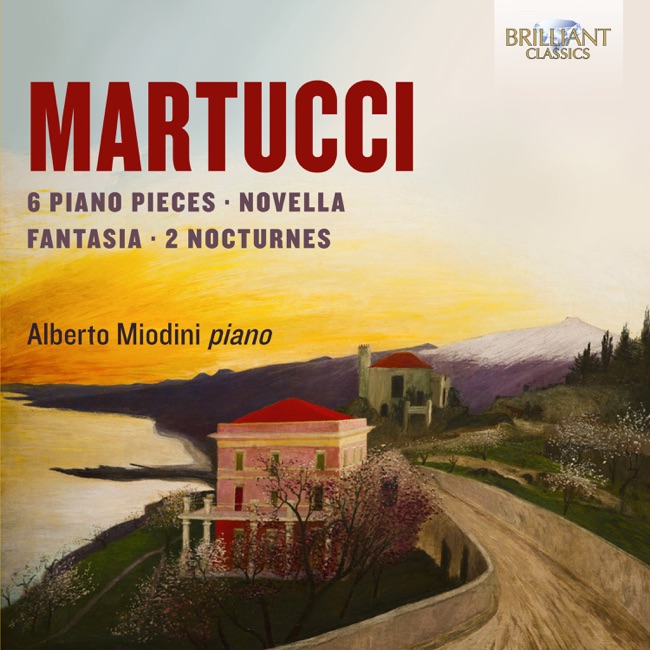 September 30, 2016
Chamber
-

-

-

-
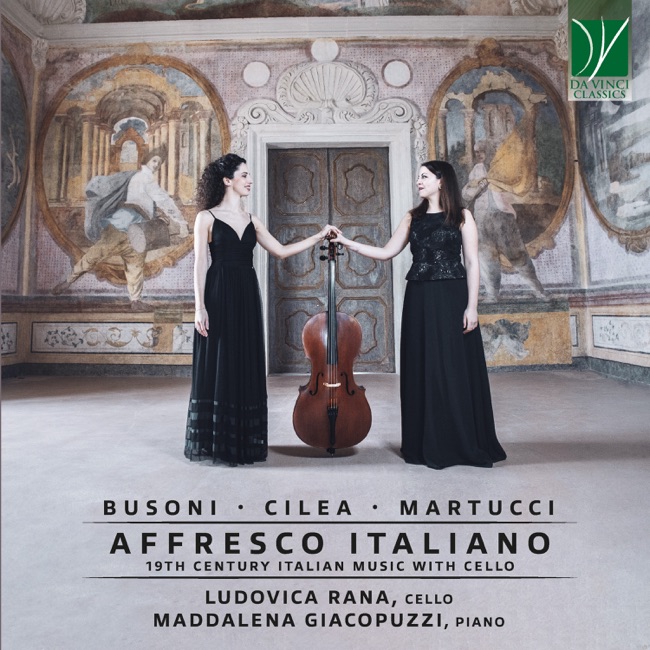
-
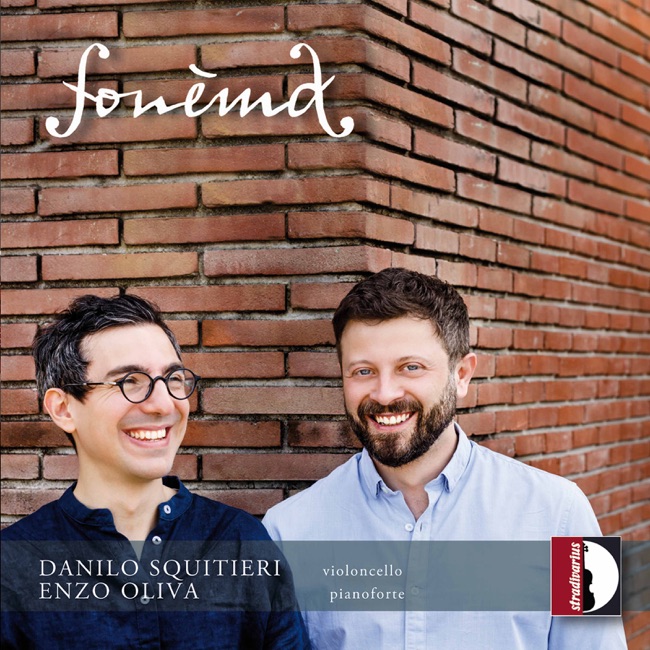 January 7, 2022
 -
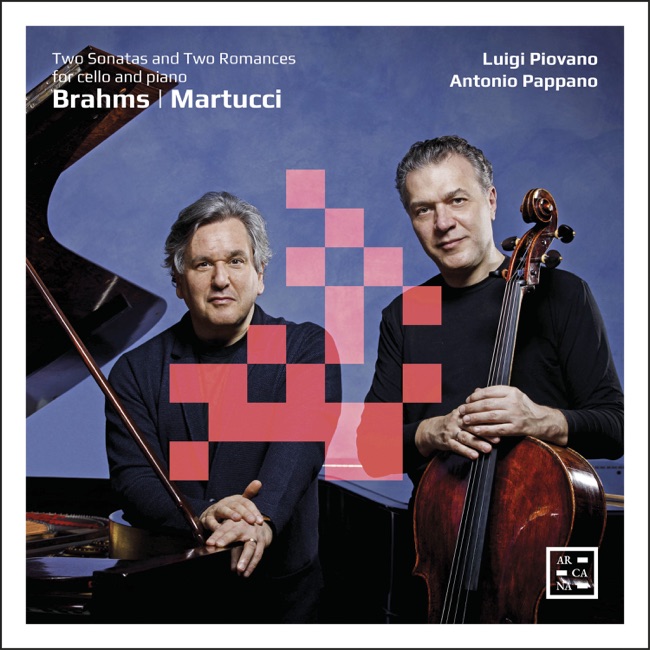 September 25, 2020
Concerto
-
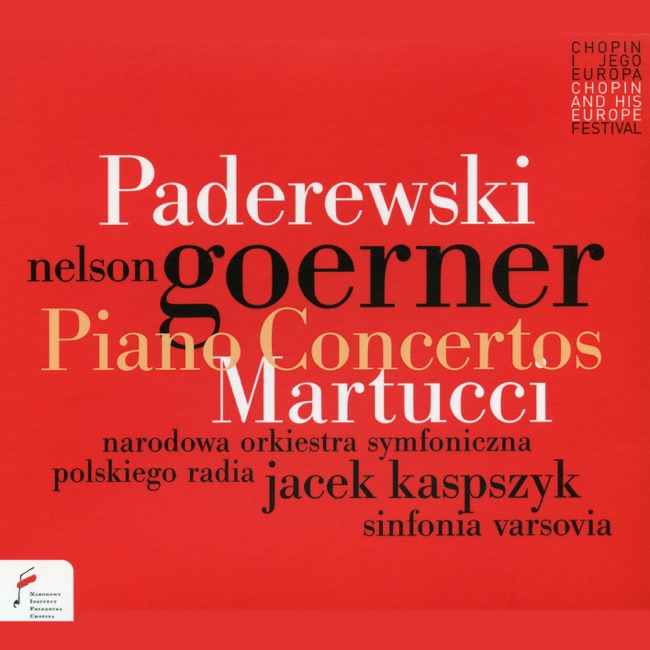 March 4, 2016
 -
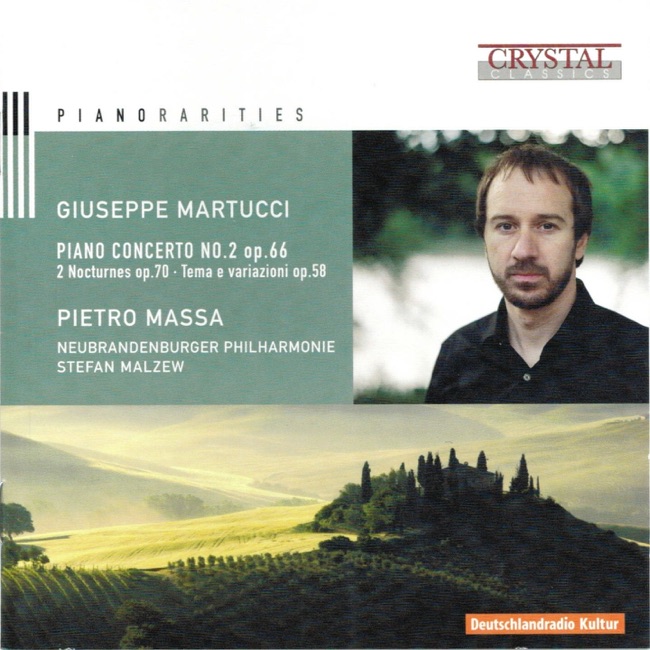
-
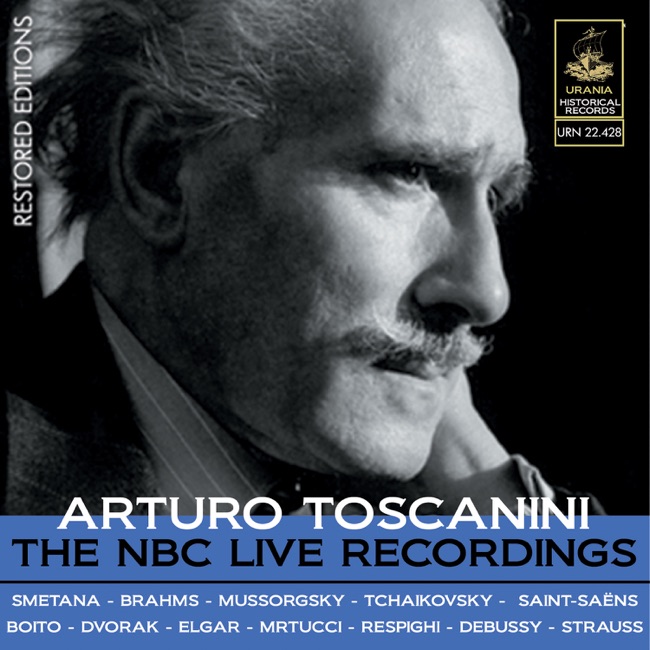 February 7, 2010
 -
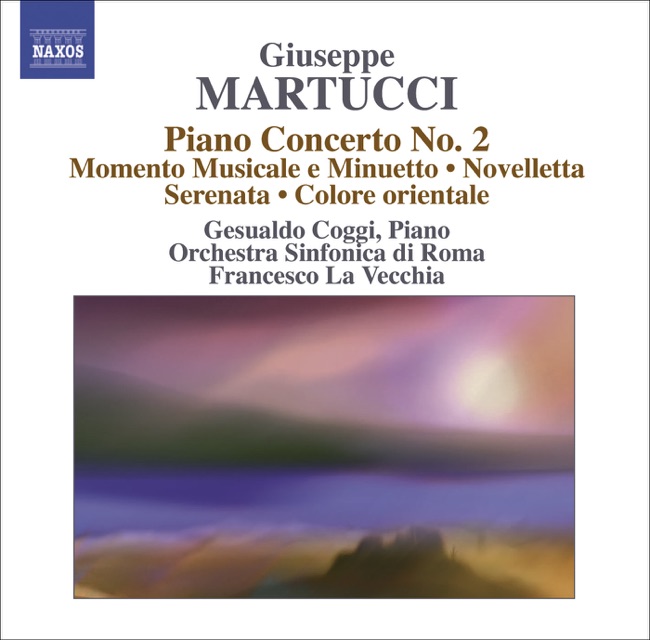 June 1, 2009
 -
 September 30, 2005
 -
Vocal
-
-
 January 29, 2016
 -
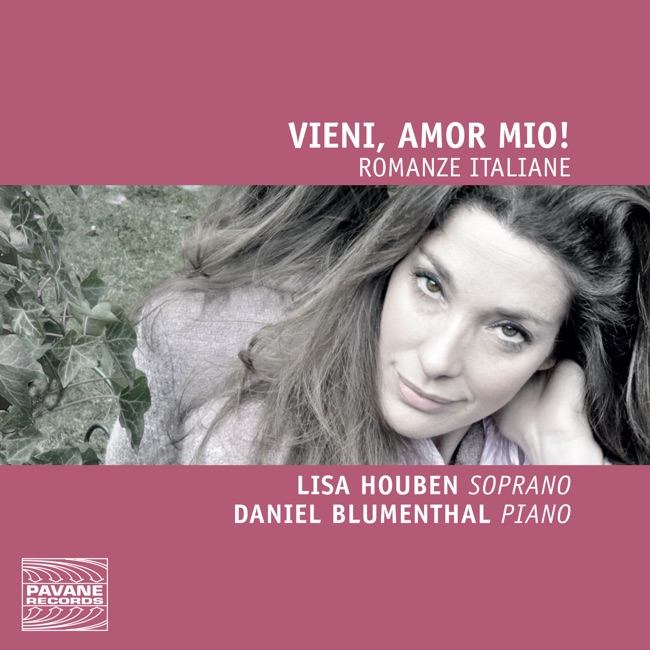 November 11, 2014
 -
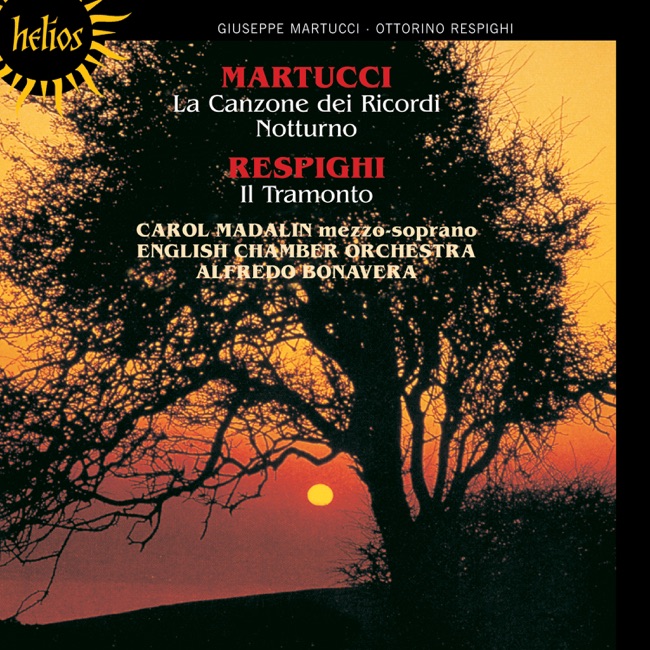 October 13, 2009
 -

-
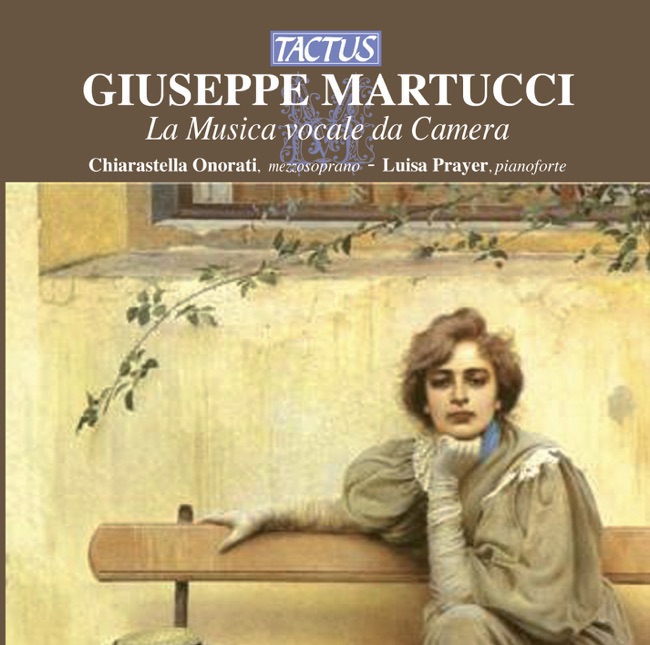 March 13, 2007
Artist Info
Role:Composer ConductorCountry: ItalyBirth:January 6, 1856 in CapuaDeath:June 1, 1909 in Naples, ItalyPeriod:RomanticGenre:ChamberKeyboardOrchestralVocalGiuseppe Martucci was an Italian composer, pianist, and conductor who lived from 1856 to 1909. He was born in Capua, a small town in the Campania region of Italy, on January 6, 1856. His father, Gaetano Martucci, was a musician and composer, and his mother, Maria Luisa Narducci, was a singer. From a young age, Martucci showed a great talent for music, and his parents encouraged him to pursue a career in music. Martucci began his musical education at the Naples Conservatory, where he studied piano with Beniamino Cesi and composition with Paolo Serrao. He was a brilliant student and won several awards and prizes for his compositions. In 1875, he graduated from the conservatory with a diploma in piano and a degree in composition. After graduating, Martucci began his career as a pianist and composer. He gave concerts throughout Italy and Europe, and his compositions were performed by some of the leading orchestras and conductors of the time. In 1881, he was appointed conductor of the Orchestra del Teatro Carlo Felice in Genoa, a position he held for three years. Martucci's compositions are characterized by their lyrical melodies, rich harmonies, and sophisticated orchestration. He was influenced by the music of Wagner, Liszt, and Brahms, and his works reflect the Romantic style of the late 19th century. His most famous works include his Piano Concerto No. 2 in B-flat minor, his Symphony No. 1 in D minor, and his Notturno for Orchestra. Martucci's Piano Concerto No. 2 in B-flat minor was composed in 1887 and is considered one of his greatest works. It is a virtuosic piece that showcases Martucci's skill as a pianist and composer. The concerto is in three movements and features a solo piano accompanied by a full orchestra. The first movement is marked Allegro moderato and is characterized by its sweeping melodies and dramatic contrasts. The second movement, marked Andante, is a lyrical and introspective piece that features a beautiful solo for the cello. The final movement, marked Allegro vivace, is a lively and energetic piece that brings the concerto to a thrilling conclusion. Martucci's Symphony No. 1 in D minor was composed in 1877 and is another of his most famous works. It is a large-scale work that is characterized by its sweeping melodies, rich harmonies, and complex orchestration. The symphony is in four movements and features a full orchestra. The first movement is marked Allegro energico and is a dramatic and powerful piece that sets the tone for the rest of the symphony. The second movement, marked Andante con moto, is a lyrical and introspective piece that features a beautiful solo for the oboe. The third movement, marked Scherzo, is a lively and playful piece that features a virtuosic solo for the violin. The final movement, marked Allegro molto, is a thrilling and energetic piece that brings the symphony to a triumphant conclusion. Martucci's Notturno for Orchestra is a beautiful and atmospheric piece that was composed in 1895. It is a slow and introspective piece that features a full orchestra. The piece is characterized by its lush harmonies and evocative melodies, and it is often compared to the music of Wagner and Debussy. The Notturno is a perfect example of Martucci's skill as a composer and his ability to create music that is both beautiful and emotionally powerful. In addition to his work as a composer, Martucci was also a respected conductor.More....
Recent Artist Music
1
10:26
4

15:3
9
2:52


15
13:4

Copyright Ⓒ 2013 Davinci Finger. All rights reseved
Service Terms & Policy