


Johannes Brahms
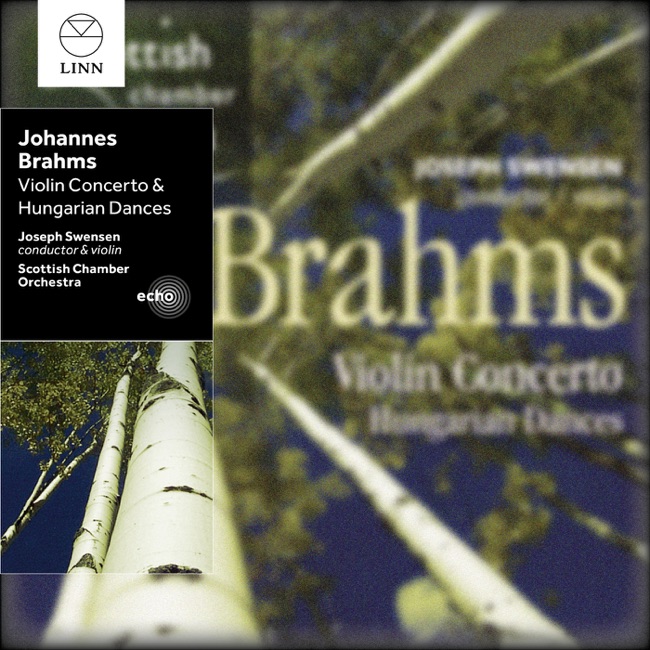
Hungarian Dances (21) for orchestra, WoO 1
Released Album
Recent Album


Featured Album

Works Info
Composer:Johannes BrahmsGenre:OrchestralStyle:DanceAverage_duration:50:16Movement_count:21Movement ....Johannes Brahms' "Hungarian Dances" is a set of 21 dances for orchestra, WoO 1. The composition was completed in 1869 and premiered in Budapest the same year. The set of dances is based on Hungarian folk music, which Brahms heard during his travels in Hungary. The dances are characterized by their lively rhythms, colorful orchestration, and use of traditional Hungarian melodies. The "Hungarian Dances" are divided into two sets, each containing 10 dances, with an additional dance added later. The dances are written in a variety of forms, including csárdás, verbunkos, and friss. The first set of dances is more popular and well-known than the second set. The first dance in the set is a lively csárdás in G minor, featuring a prominent violin solo. The second dance is a slower, more melancholic piece in D minor, featuring a solo cello. The third dance is a fast-paced verbunkos in F major, featuring a prominent clarinet solo. The fourth dance is a lively friss in F# minor, featuring a prominent violin solo. The fifth dance is a slower, more lyrical piece in G minor, featuring a solo viola. The sixth dance is a fast-paced verbunkos in D major, featuring a prominent clarinet solo. The seventh dance is a lively friss in A minor, featuring a prominent violin solo. The eighth dance is a slower, more melancholic piece in A minor, featuring a solo cello. The ninth dance is a fast-paced verbunkos in E minor, featuring a prominent clarinet solo. The tenth dance is a lively friss in E major, featuring a prominent violin solo. The second set of dances is less well-known than the first set. The first dance in the set is a lively csárdás in D minor, featuring a prominent violin solo. The second dance is a slower, more melancholic piece in D minor, featuring a solo cello. The third dance is a fast-paced verbunkos in F major, featuring a prominent clarinet solo. The fourth dance is a lively friss in F# minor, featuring a prominent violin solo. The fifth dance is a slower, more lyrical piece in G minor, featuring a solo viola. The sixth dance is a fast-paced verbunkos in D major, featuring a prominent clarinet solo. The seventh dance is a lively friss in A minor, featuring a prominent violin solo. The eighth dance is a slower, more melancholic piece in A minor, featuring a solo cello. The ninth dance is a fast-paced verbunkos in E minor, featuring a prominent clarinet solo. The tenth dance is a lively friss in E major, featuring a prominent violin solo. Overall, the "Hungarian Dances" are a lively and colorful set of orchestral pieces, showcasing Brahms' skill in adapting traditional folk music into classical forms. The dances have remained popular and frequently performed since their premiere in 1869.More....
Works Music
Released Music

10
1:35
Featured Music
8
2:35
Recommend Playlist









Main Perform Artists
Baritone (Vocal)
Alto (Vocals)