CROSSOVER
Crossover Album
Recent Album


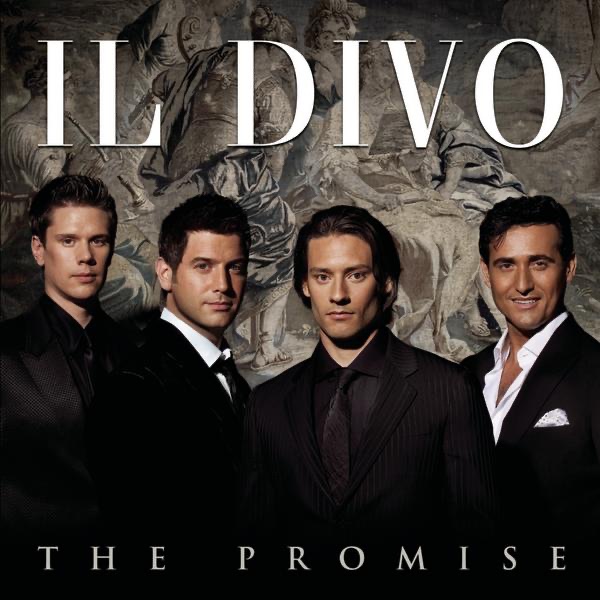
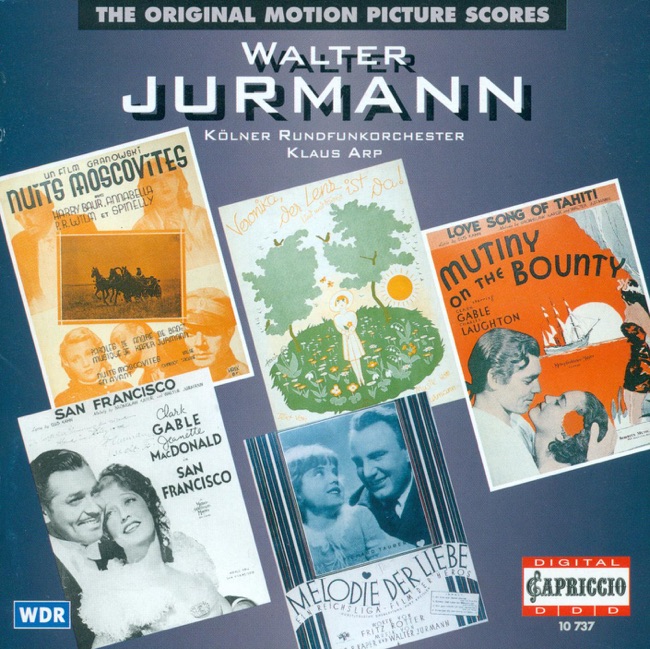
Featured Album
Crossover Info
GENRE : Crossover클래식 전통에서 크로스오버 음악은 클래식 음악의 요소와 대중음악, 포크, 재즈, 월드뮤직, 일렉트로닉 장르의 스타일을 융합한 작품이나 공연을 의미합니다. 이 용어는 클래식 음악이 더 넓은 문화적 맥락으로 확장되거나, 반대로 비고전적인 표현 방식을 클래식 형식에 접목하는 것을 의미합니다. 혼합 장르인 크로스오버 음악은 고급 예술과 저급 예술 사이의 엄격한 경계에 도전하며, 음악적 순수성을 유지하면서 더 넓은 청중에게 다가가는 것을 목표로 합니다. 크로스오버 음악의 뿌리는 조지 거슈윈과 레너드 번스타인과 같은 작곡가들이 20세기 초 시도했던 실험에서 찾을 수 있습니다. 이들은 재즈 리듬, 브로드웨이 스타일, 그리고 미국 토속적인 요소들을 교향곡과 오페라의 틀에 통합했습니다. 거슈윈의 <랩소디 인 블루>와 번스타인의 <웨스트 사이드 스토리>는 비평적 성공과 상업적 성공을 모두 거둔 초기 크로스오버 음악의 대표적인 예입니다. 이후 재즈 트리오 편곡을 통해 바흐를 재해석한 자크 루시에와 인도 시타르 연주자 라비 샹카르와 협업한 예후디 메뉴힌과 같은 아티스트들은 월드 뮤직과 즉흥 연주를 클래식 공연에 도입하여 크로스오버의 영역을 확장했습니다. 20세기 후반, 루치아노 파바로티, 안드레아 보첼리, 사라 브라이트만과 같은 아티스트들이 오페라 아리아, 성가, 대중 발라드를 녹음하여 전 세계 청중에게 다가가면서 클래식 크로스오버가 상업적인 범주로 부상했습니다. 음반사들은 특정 크로스오버 부문을 만들어 접근 가능한 영상, 다국어 가사, 영화적 오케스트라 편곡을 통해 이러한 작품을 마케팅하는 경우가 많았습니다. 이 장르는 영화 사운드트랙과 텔레비전을 통해 더욱 두드러졌으며, 엔니오 모리코네와 존 윌리엄스 같은 작곡가들은 클래식 오케스트라 편곡과 대중적 모티프를 혼합한 음악을 제작했습니다. 크로스오버 음악은 양식적 합성, 음색적 접근성, 감정적 즉각성이 특징입니다. 크로스오버는 종종 풍성한 편곡, 강렬한 멜로디, 그리고 단순화된 화성 진행을 사용하며, 클래식 훈련의 기술적 정밀성을 활용합니다. 연주자들은 일반적으로 고전적인 성악 또는 기악 기법을 유지하지만, 인접 장르의 관습에 맞춰 해석을 조정합니다. 이러한 적응력 덕분에 팝송의 클래식 재해석, 클래식 작품의 팝적인 변형, 또는 장르 간 융합을 위해 고안된 완전히 새로운 작곡 등 다양한 레퍼토리를 선보일 수 있습니다. 클래식 전통 내에서 크로스오버는 복잡하고 때로는 논쟁의 여지가 있는 위치를 차지합니다. 옹호자들은 크로스오버가 클래식 음악의 영역을 넓히고 특히 젊은 청중이나 비전문가 청중 사이에서 클래식 음악의 문화적 관련성을 되살린다고 주장합니다. 그러나 비평가들은 예술적 기준의 약화나 고전 유산의 상품화에 대해 경고합니다. 그럼에도 불구하고 크로스오버는 청중 개발, 예술 마케팅, 그리고 문화 간 대화에 있어 중요한 원동력이 되었습니다. 주목할 만한 프로젝트로는 나이젤 케네디가 재즈풍으로 비발디를 해석한 작품이 있습니다.요요마의 실크로드 프로젝트, 그리고 바이올리니스트 바네사 메이와 피아니스트 랑랑의 장르 융합 앨범들. 21세기에도 크로스오버는 디지털 기술, 멀티미디어 제작, 그리고 세계적인 음악적 영향을 받아들이며 끊임없이 진화하고 있습니다. 막스 리히터, 올라푸르 아르날즈, 힐두르 그나도티르와 같은 아티스트들은 앰비언트, 미니멀리즘, 그리고 영화적 미학을 결합하여 기존의 장르 분류를 뛰어넘는 작품들을 선보입니다. 이러한 발전은 크로스오버 장르의 혁신과 포용성의 잠재력을 보여줍니다. 크로스오버는 전통적인 고전적 정의에 부합하지 않을 수 있지만, 대화, 혼성성, 그리고 접근성이 현대 예술 활동의 핵심인 역동적인 음악적 풍경을 반영합니다.More....
Crossover Recent Released Music

Crossover Highlight