CHAMBER
Chamber Album
Recent Album
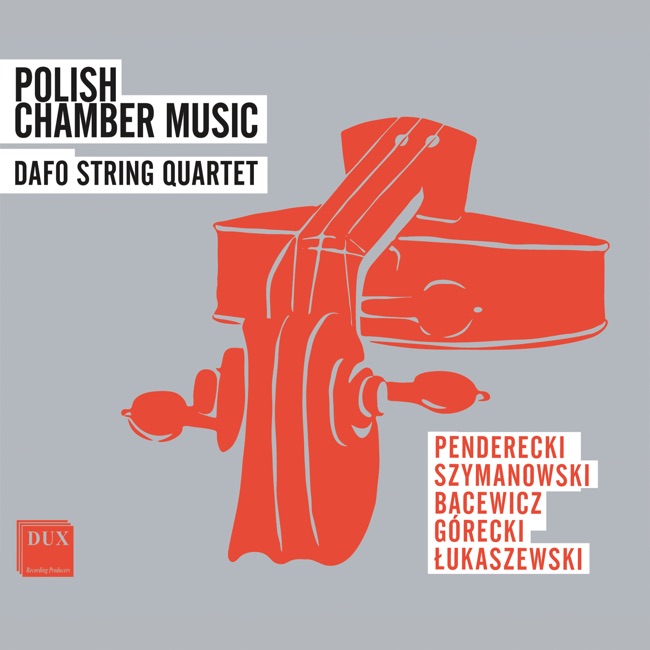
Featured Album
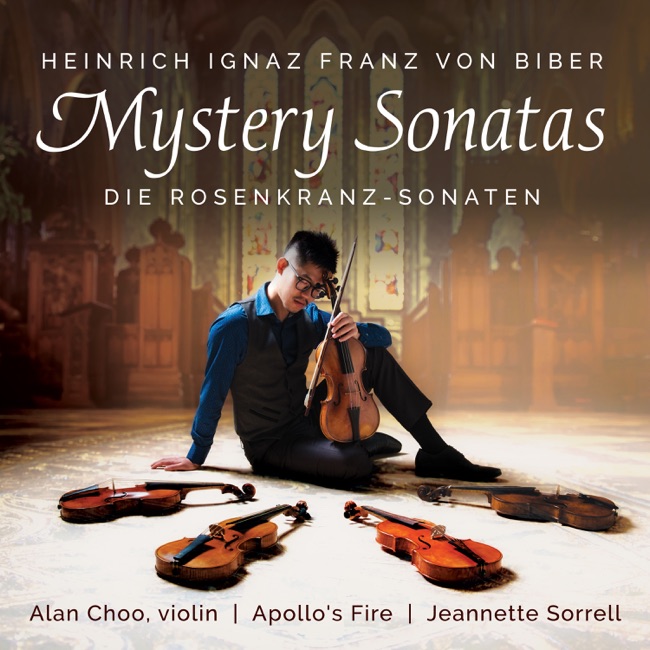
Chamber Info
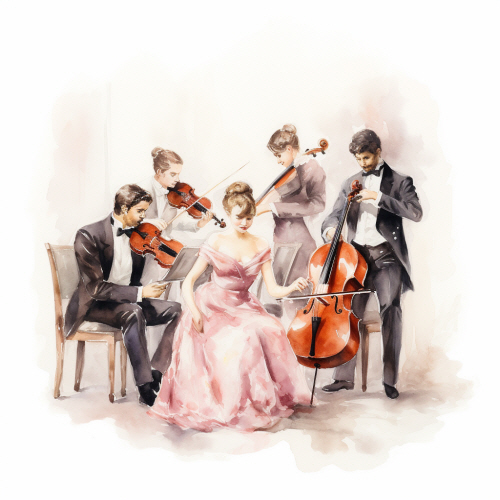
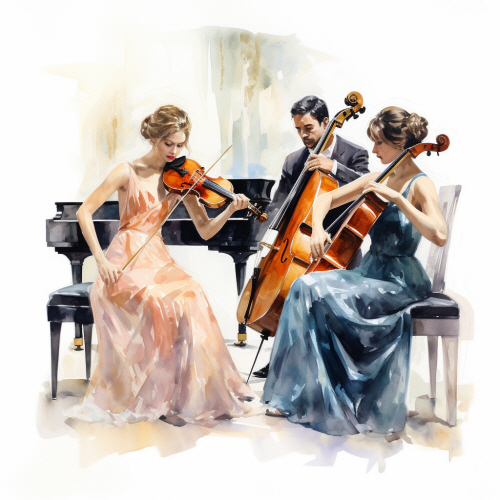
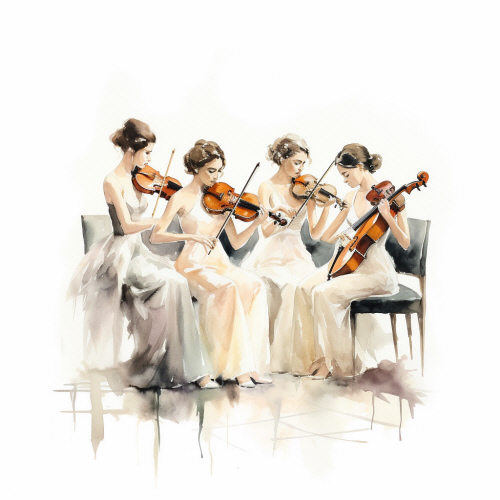
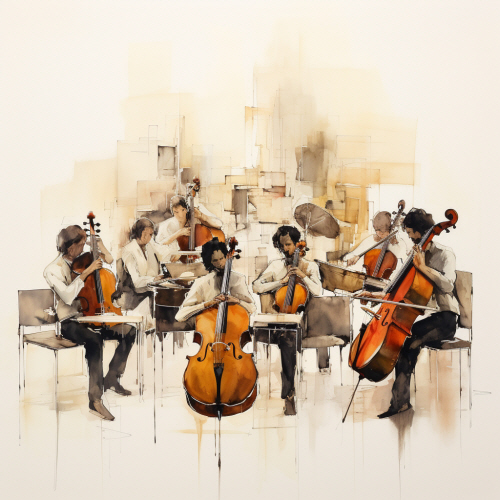
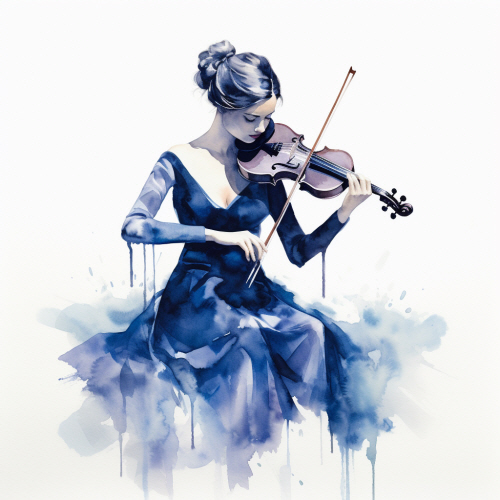
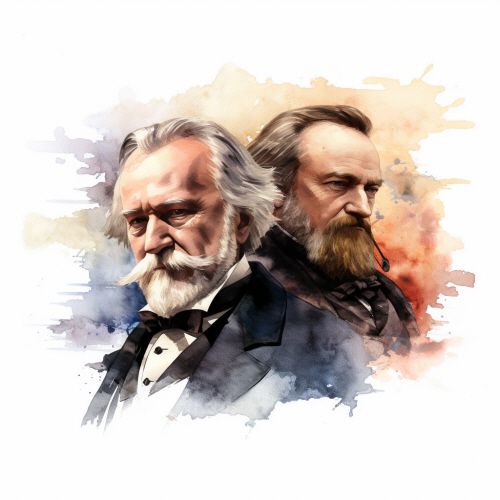
GENRE : ChamberChamber music is a genre of classical music written for a small ensemble, traditionally intended for intimate performance settings such as private salons, court chambers, or domestic environments. Unlike orchestral works, chamber music typically features one performer per part, fostering a sense of equality and close musical interaction among the players. The genre embodies both intellectual refinement and emotional subtlety, and has long been regarded as a medium of concentrated musical thought and collaborative artistry. Its origins trace back to the late Renaissance and early Baroque periods, when composers like Giovanni Gabrieli and Claudio Monteverdi wrote ensemble pieces for courtly occasions. The genre matured during the Classical era, particularly through the contributions of Joseph Haydn, often considered the "father of the string quartet." Haydn’s innovations in formal balance, motivic development, and conversational interplay among instruments laid the groundwork for the modern chamber idiom. Wolfgang Amadeus Mozart and Ludwig van Beethoven further elevated the genre, expanding its expressive capacity and structural ambition. Beethoven's late string quartets, in particular, are widely regarded as some of the most profound works in the Western musical canon. Throughout the 19th century, composers such as Schubert, Mendelssohn, Brahms, and Dvořák enriched the chamber repertoire with works for piano trios, string quintets, and other combinations, often infusing the music with personal and nationalistic character. The 20th century saw further diversification of chamber music styles and formats. Composers like Bartók, Debussy, Schoenberg, and Shostakovich experimented with atonality, rhythmic complexity, and new ensemble configurations. The genre also embraced cross-cultural influences, extended techniques, and multimedia integration. Chamber music is marked by its transparent textures, intricate interplay, and demand for heightened ensemble cohesion. The absence of a conductor places interpretive responsibility on the musicians, who must balance individual expression with collective unity. Common ensembles include the string quartet, piano trio, wind quintet, and mixed ensembles incorporating voice or percussion. The genre’s relatively small scale allows composers to explore subtle shifts in color, nuance, and form. Chamber music holds a central place in the classical tradition as a vehicle for compositional innovation and intimate artistic dialogue. It remains a cornerstone of music education and professional performance, often serving as a proving ground for both composers and performers. Notable works include Haydn’s Op. 76 quartets, Mozart’s piano quartets, Beethoven’s late quartets, Brahms’s piano quintet in F minor, and Shostakovich’s string quartet No. 8. In the contemporary scene, composers such as Thomas Adès, Caroline Shaw, and Kaija Saariaho have expanded the chamber idiom through interdisciplinary collaboration and technological integration. Chamber music festivals, academic residencies, and global commissioning efforts continue to foster new work in the genre. While its origins lie in private courts and salons, chamber music today is performed on global stages and streamed worldwide, reflecting both its timeless artistic value and its capacity to evolve with changing cultural landscapes.More....
Chamber Recent Music
1
8:51
7
3:54
8
0
10
String Quartet No. 9 in C major, Op. 59/3 "Razumovsky No. 3"
II. Andante con moto quasi Allegretto
0
Chamber Highlight
Chamber Related Playlist
-
CLASSIC
-
CLASSIC
-
CLASSIC
-
CLASSIC
-
CLASSIC
-
CLASSIC
-
CLASSIC
-
CLASSIC
-
CLASSIC
-
CLASSIC
-
CLASSIC
-
CLASSIC
-
CLASSIC
-
CLASSIC
-
CLASSIC
Chamber Main Composer