


Gabriel Pierné
Released Album
Chamber
-
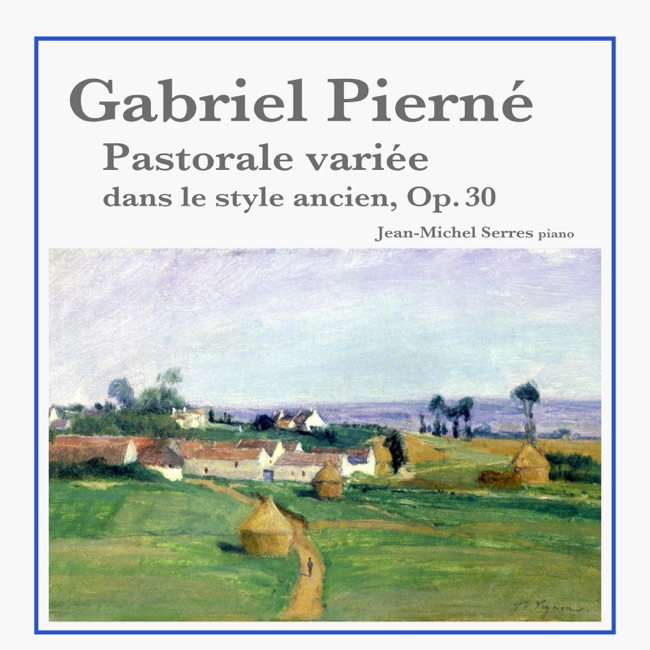 October 18, 2024
 -
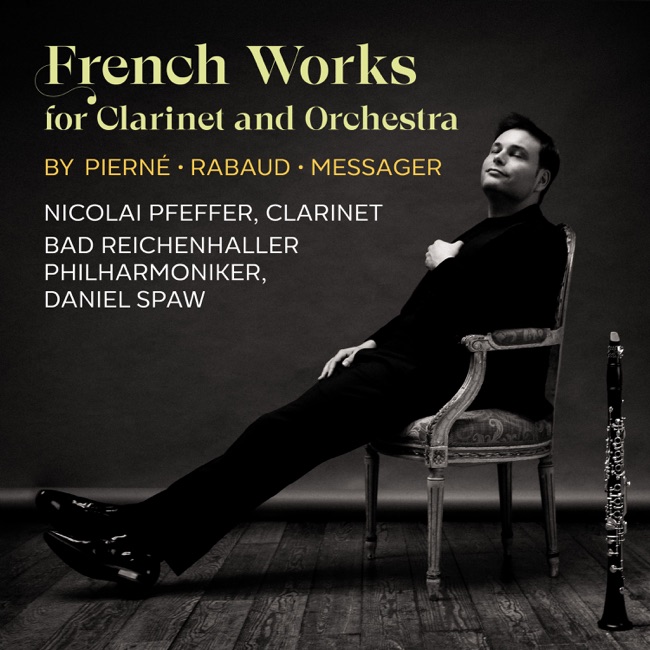 January 12, 2024
 -
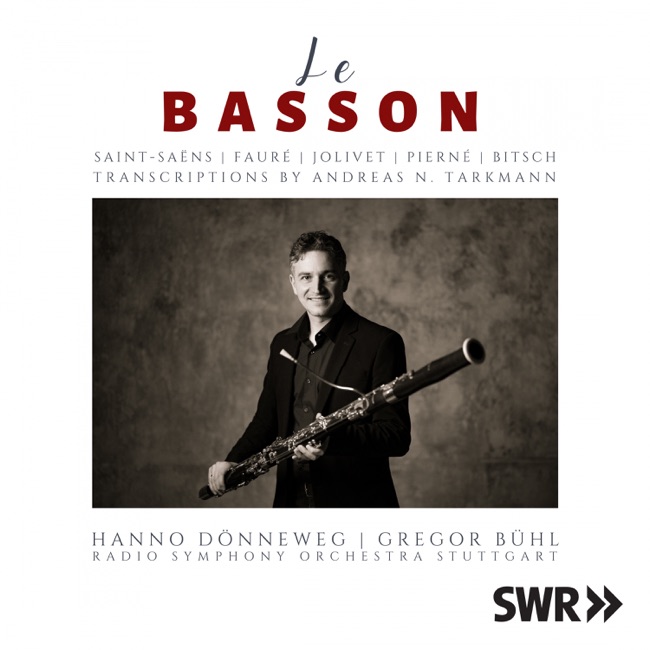 June 24, 2023
 -
 March 7, 2023
 -
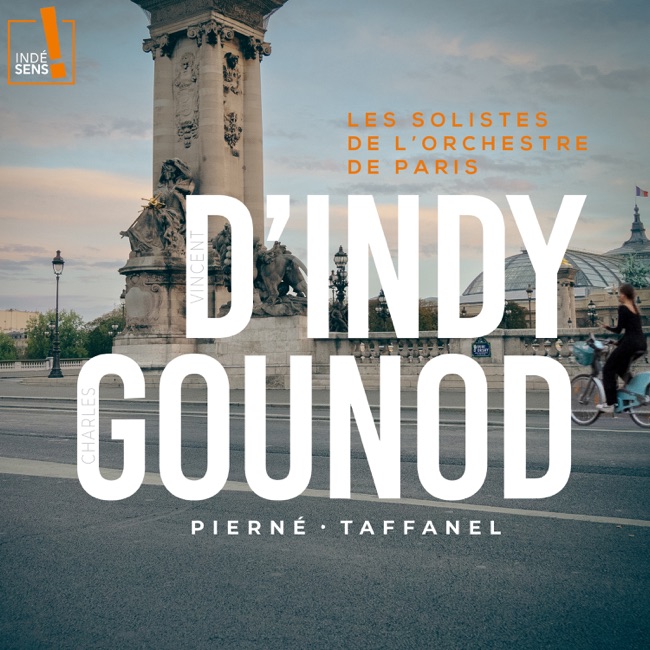 January 13, 2023
 -
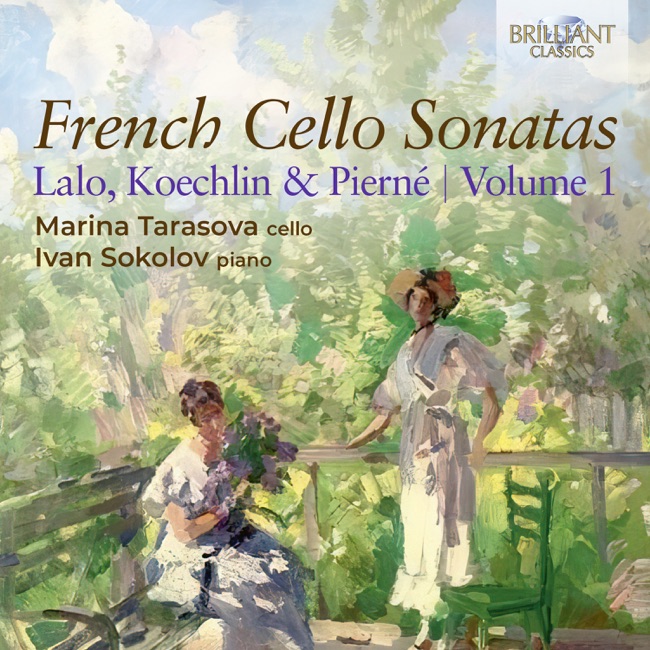 December 28, 2022
Keyboard
-
 August 16, 2024
 -
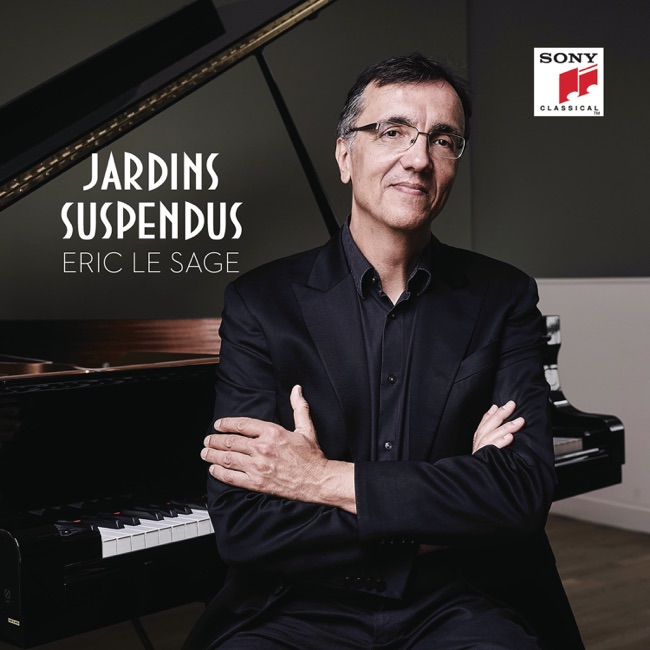 December 9, 2022
 -
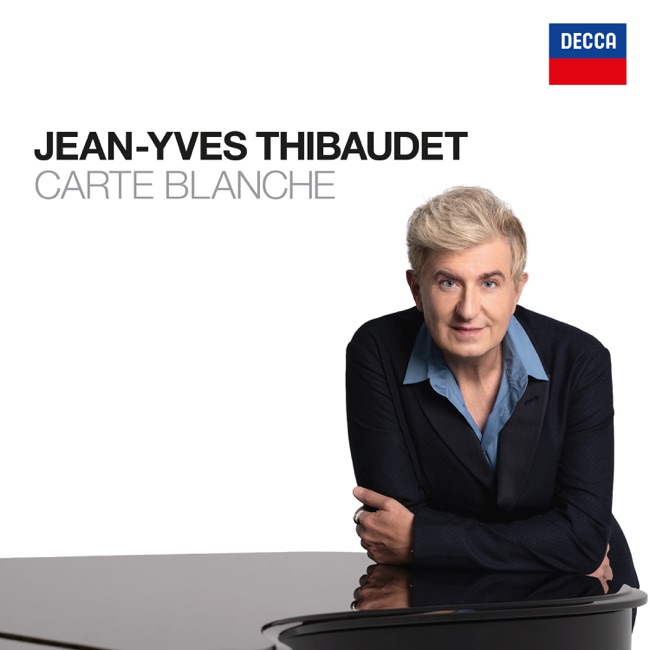 September 10, 2021
 -
 February 14, 2021
 -
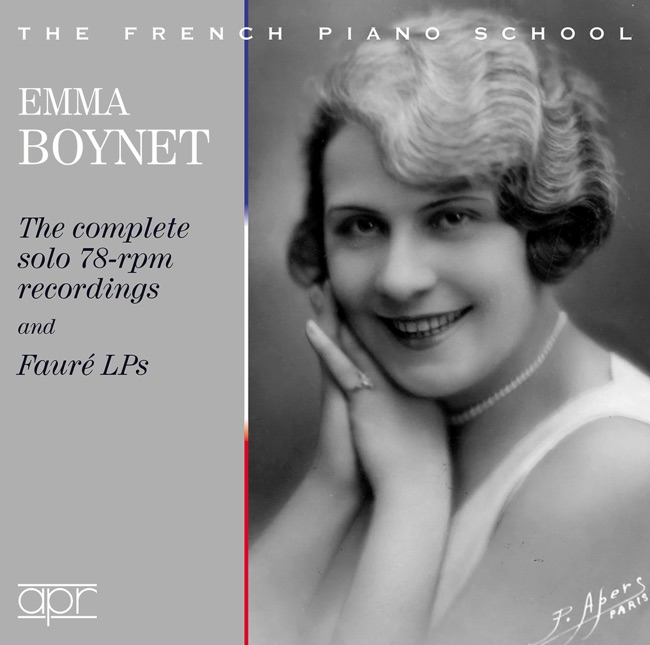 February 5, 2021
 -
 January 31, 2020
Orchestral
-
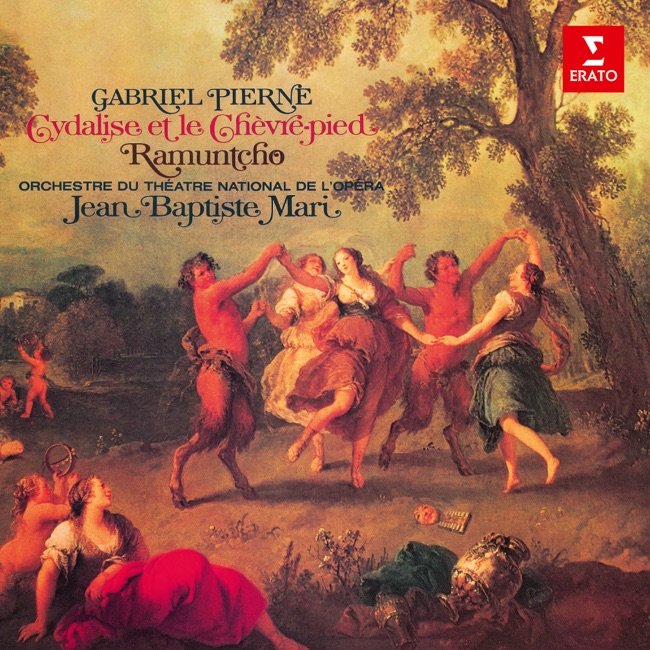 January 13, 2023
 -
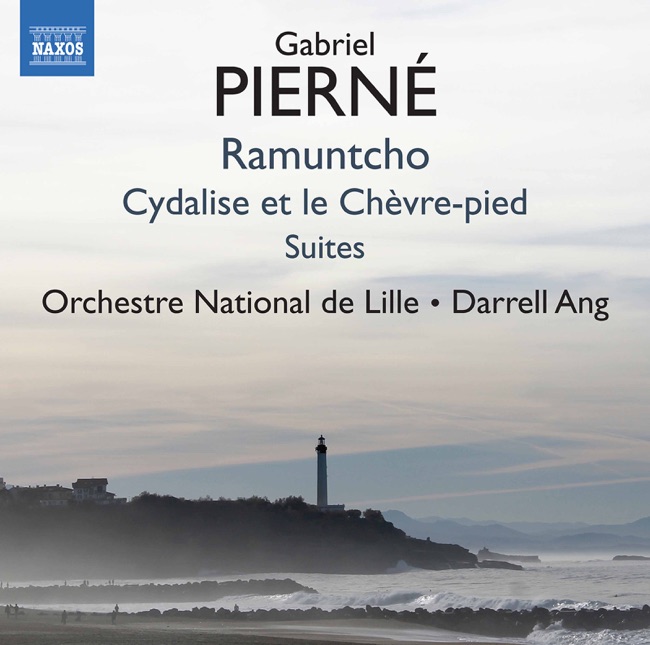 November 12, 2021
 -

-
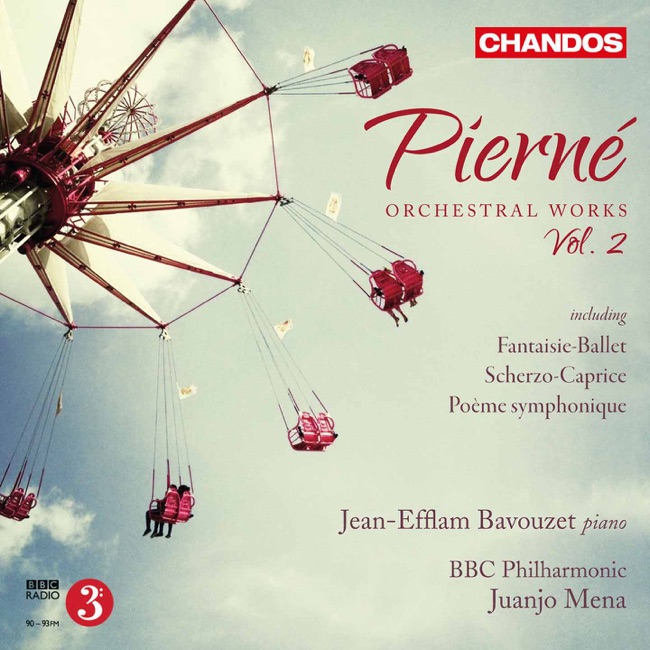 September 25, 2015
 -
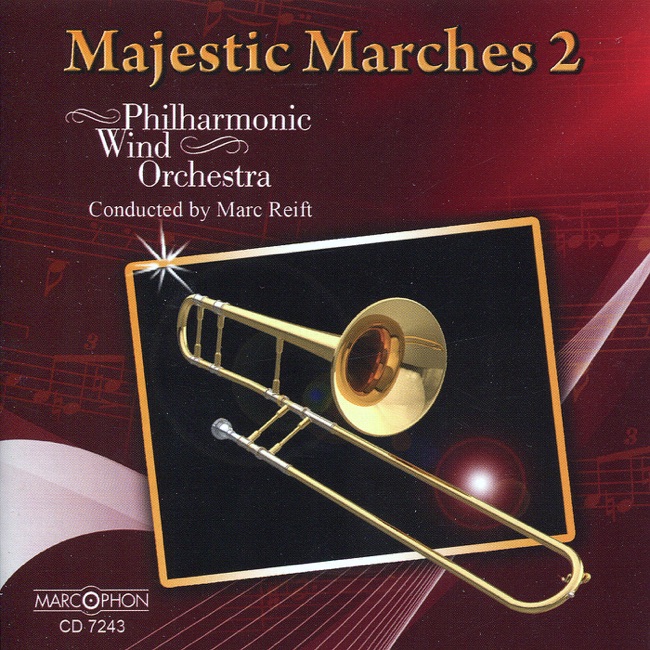 February 6, 2013
 -
 March 26, 2012
Miscellaneous
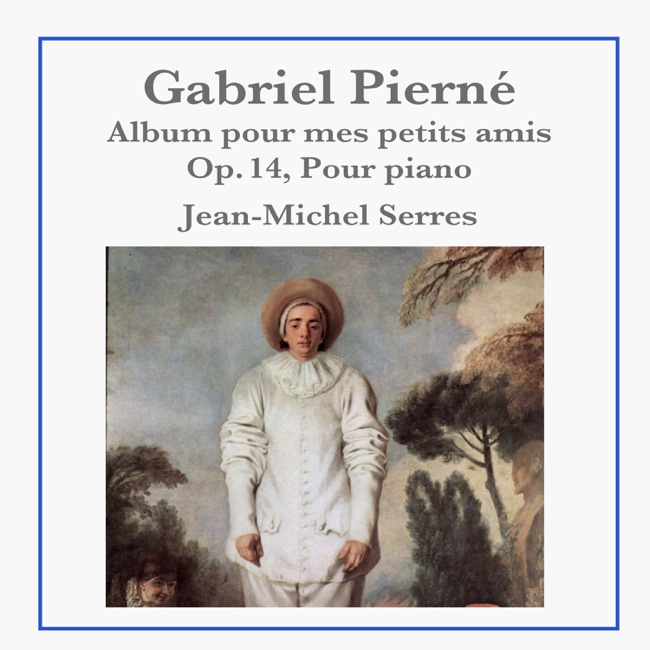
Artist Info
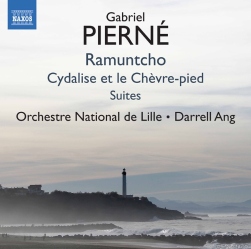
Role:Composer ConductorCountry: FranceBirth:August 16, 1863 in Metz, FranceDeath:July 17, 1937 in Ploujean, FrancePeriod:RomanticContemporaryModernGenre:ChamberKeyboardOrchestralGabriel Pierné was a French composer, conductor, and organist who lived from 1863 to 1937. He was born in Metz, France, and showed an early aptitude for music. His father was a military bandmaster, and Pierné began studying music with him at a young age. He also studied piano with Louis Diémer and composition with César Franck. In 1879, Pierné entered the Paris Conservatoire, where he studied composition with Jules Massenet and organ with César Franck. He won several prizes while at the Conservatoire, including the Prix de Rome in 1882 for his cantata Edith. This prize allowed him to study in Rome for three years, where he continued to compose and study music. After returning to Paris, Pierné began a successful career as a composer and conductor. He was appointed conductor of the Concerts Colonne in 1890, a position he held for over 30 years. He also conducted the Société des Concerts du Conservatoire and the Opéra-Comique, among other ensembles. Pierné's compositions were varied and included orchestral works, chamber music, choral music, and operas. He was particularly known for his skill in orchestration and his ability to create colorful and evocative musical textures. Some of his most famous works include the ballet Cydalise et le chèvre-pied, the Piano Concerto in C minor, and the Symphony No. 3 in C minor. Cydalise et le chèvre-pied was composed in 1914 and premiered at the Opéra-Comique in Paris. The ballet tells the story of a shepherdess named Cydalise who falls in love with a satyr named Chèvre-pied. The music is full of lush harmonies and colorful orchestration, and it has become one of Pierné's most popular works. The Piano Concerto in C minor was composed in 1887 and premiered in 1890. It is a virtuosic work that showcases Pierné's skill as a composer and his understanding of the piano as an instrument. The concerto is in three movements and features a wide range of musical styles and moods. The Symphony No. 3 in C minor was composed in 1902 and premiered in 1903. It is a powerful and dramatic work that showcases Pierné's skill as an orchestrator. The symphony is in four movements and features a wide range of musical textures and moods, from the brooding opening movement to the lively and energetic finale. In addition to his compositions, Pierné was also known for his work as a conductor. He was highly respected for his ability to bring out the best in his musicians and for his skill in interpreting a wide range of musical styles. He was particularly known for his interpretations of the music of Debussy and Ravel, and he was a champion of new music throughout his career. Pierné's legacy as a composer and conductor continues to be celebrated today. His music is still performed and recorded, and his contributions to the world of classical music are widely recognized. He was a master of orchestration and a skilled composer who created works that continue to captivate audiences around the world.More....
Recent Artist Music

9
2:9

14
24:42
Works Highlight










Copyright Ⓒ 2013 Davinci Finger. All rights reseved
Service Terms & Policy