SYMPHONY
Symphony Album
Recent Album
-
-
-
-
-
-
-
-
-
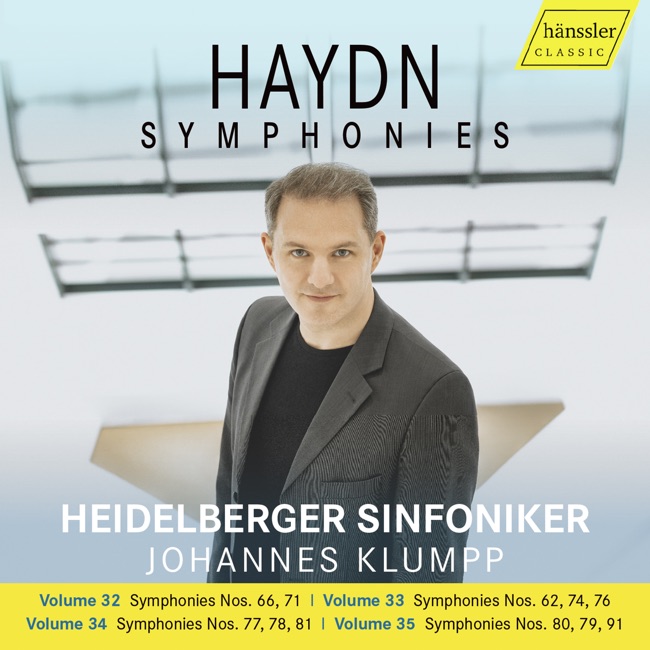
-
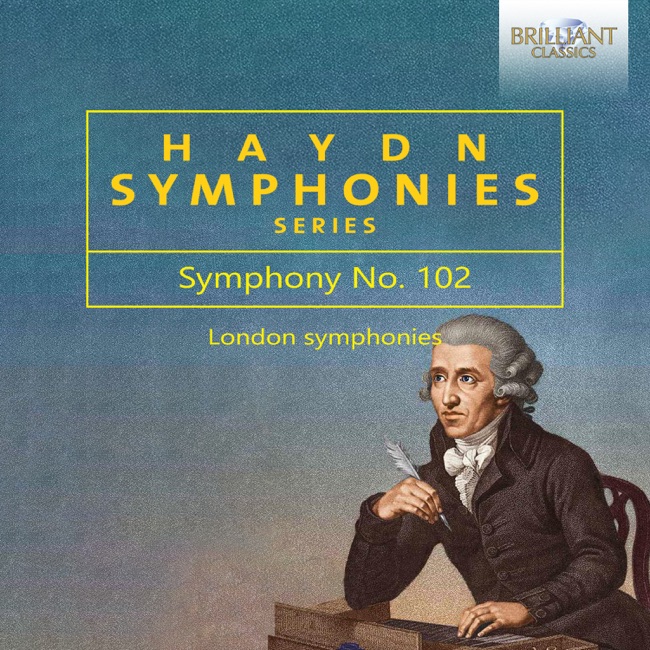
-
-
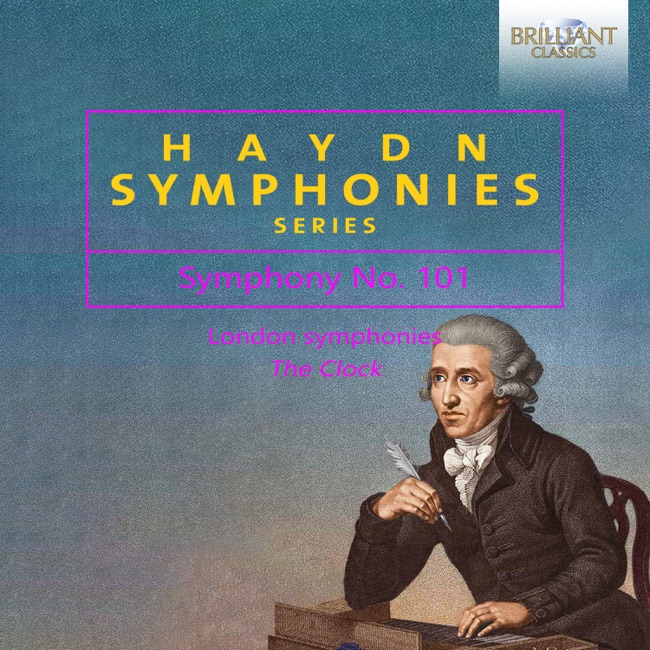
-
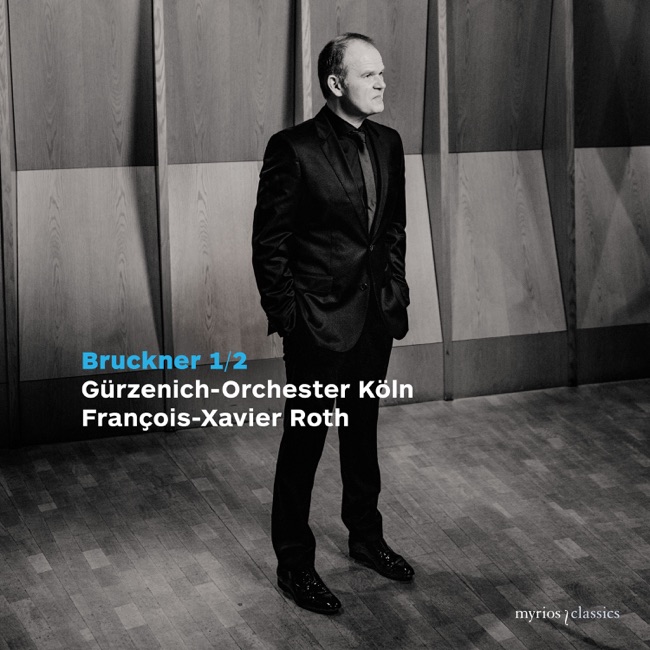
-
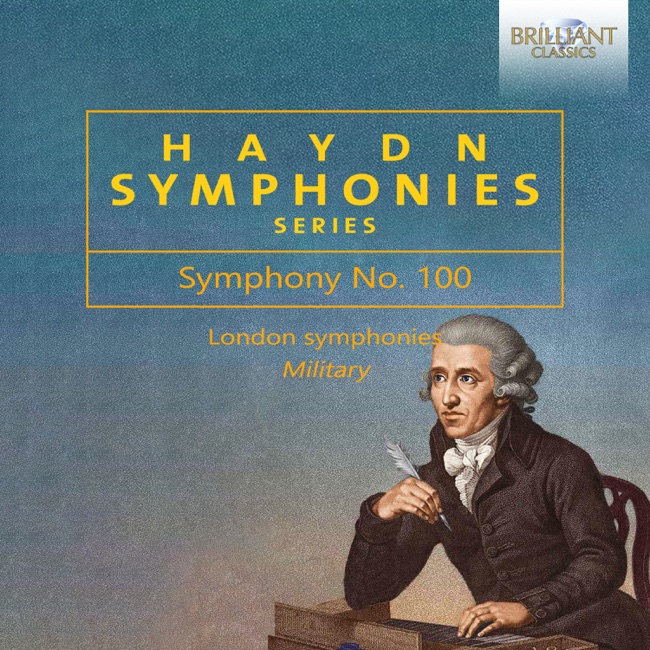
-
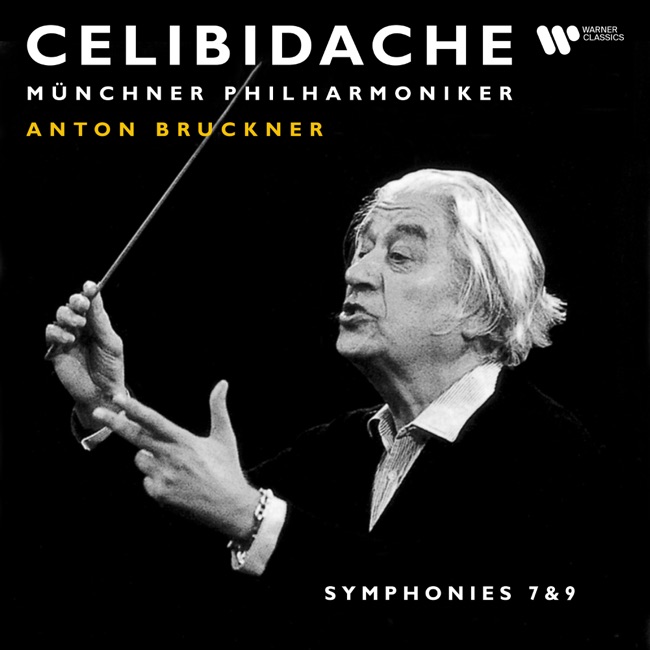
-
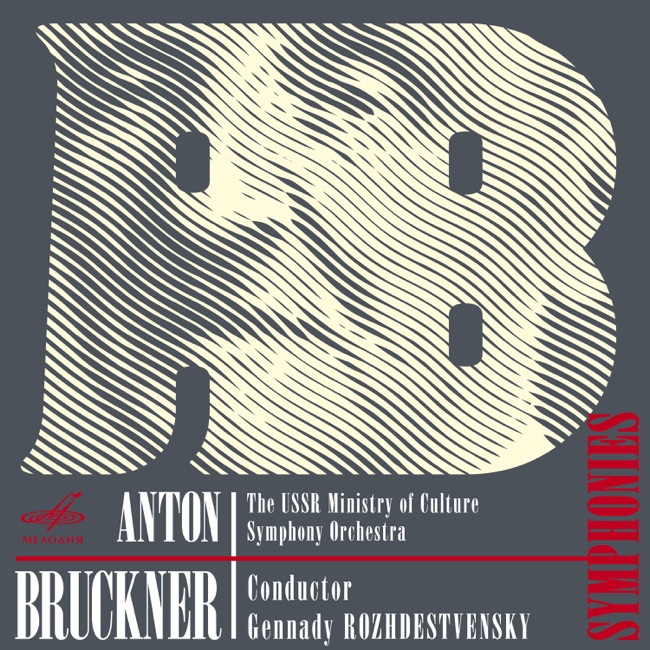
-
-
-
-
 Graubünden Classical ArchiveAugust 23, 2024
 -
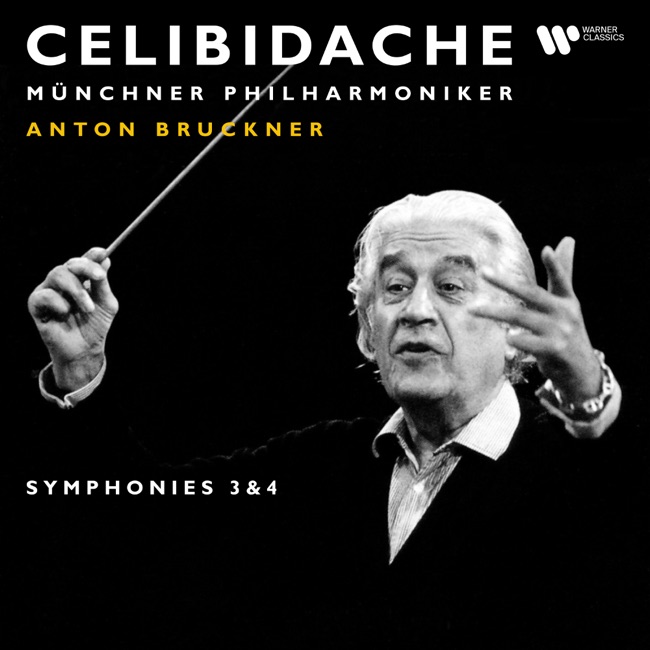
-
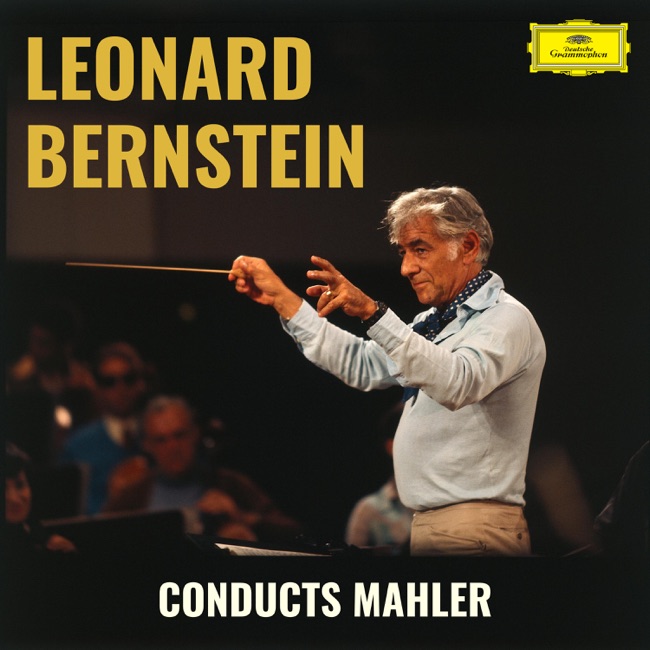
-
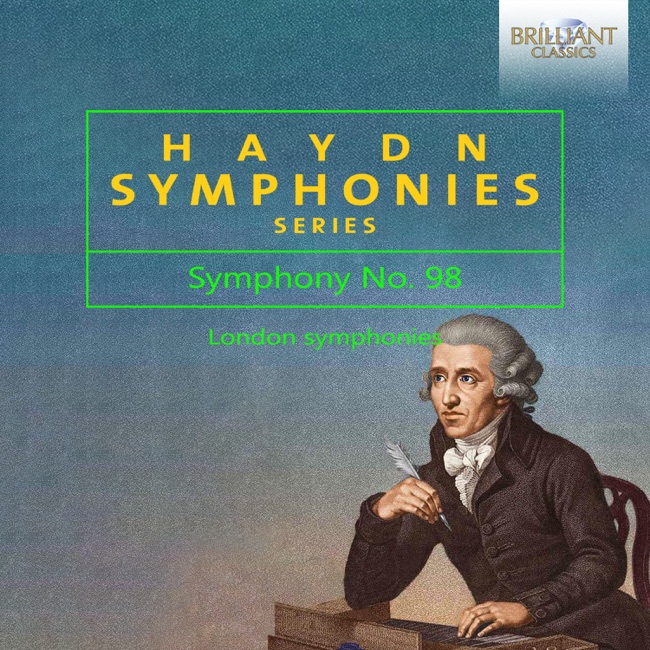
-
Featured Album
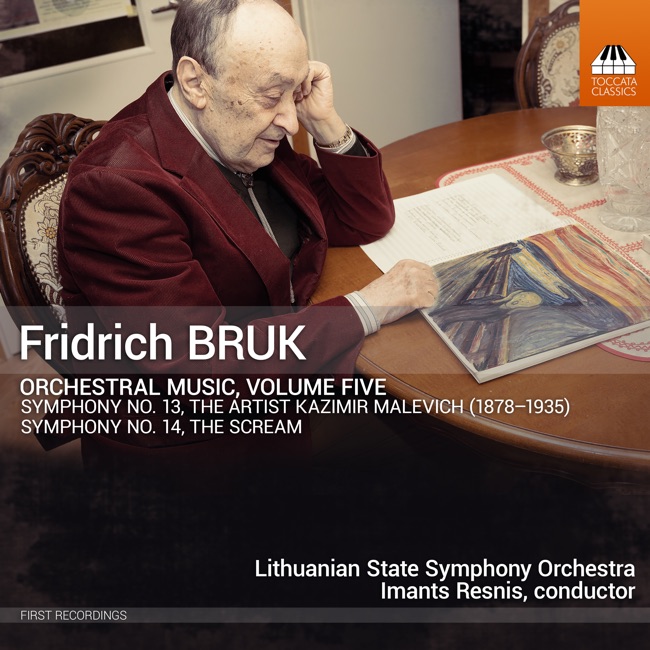
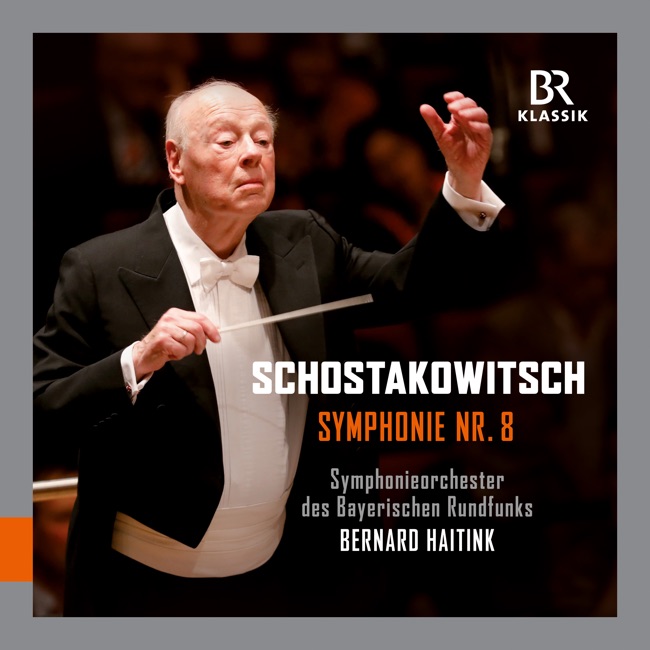
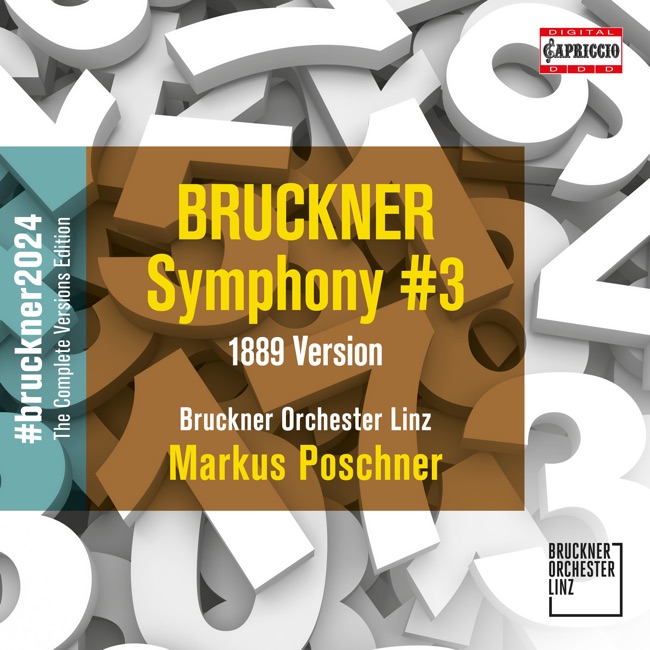
Symphony Info
GENRE : Symphony교향곡은 서양 고전 음악의 핵심 장르로, 전통적으로 관현악을 위해 작곡된 대규모 다악장 작곡으로 정의됩니다. 관현악 레퍼토리의 표현적이고 구조적인 초석 역할을 하며, 작곡가들에게 주제 발전, 형식적 혁신, 그리고 철학적 성찰을 위한 플랫폼을 제공합니다. 이 교향곡은 바로크 시대의 서곡 양식인 이탈리아 신포니아에서 유래되었으며, 18세기 중반에 더욱 독립적이고 확장된 형태로 발전했습니다. 조반니 바티스타 삼마르티니와 칼 필리프 에마누엘 바흐와 같은 작곡가들의 초기 기여는 고전 교향곡의 토대를 마련했지만, 4악장 구조를 체계화하고 이 장르를 주요 예술 형식으로 격상시킨 것은 요제프 하이든이었습니다. 하이든의 교향곡, 특히 런던 세트는 형식적 균형, 주제적 통일성, 그리고 관현악의 명료함을 보여주었습니다. 볼프강 아마데우스 모차르트는 교향곡의 서정적, 화성적 범위를 확장하여 우아함과 감정적 깊이의 종합을 보여준 마지막 세 곡의 교향곡으로 정점을 찍었습니다. 루트비히 판 베토벤은 규모, 강렬함, 그리고 서사적 힘을 강화하여 교향곡을 심오하게 변형시켰습니다. 그의 아홉 곡의 교향곡, 특히 영웅 교향곡, 교향곡 5번, 교향곡 9번은 교향곡 장르를 재정의했는데, 특히 교향곡 9번에서는 독창자와 합창단이 등장하여 교향곡과 합창의 전통을 융합했습니다. 낭만주의 시대에 교향곡은 개인적 표현, 민족 정체성, 그리고 형이상학적 탐구의 매개체가 되었습니다. 슈만, 멘델스존, 브람스, 드보르작, 차이콥스키와 같은 작곡가들은 구조적 엄격성과 시적 이미지의 다양한 조합을 탐구하며 교향곡 전통에 독특한 목소리를 더했습니다. 안톤 브루크너와 구스타프 말러는 교향곡의 길이, 편곡, 그리고 철학적 범위를 확장했으며, 종종 이 장르를 우주적 또는 실존적 성찰의 매개체로 삼았습니다. 20세기에는 교향곡 작곡이 양식적, 정치적 맥락을 넘나들며 다양해졌습니다. 드미트리 쇼스타코비치, 장 시벨리우스, 세르게이 프로코피예프는 형식적 실험과 표현적 명료함의 균형을 이루는 작품들을 작곡했는데, 때로는 민족주의나 전체주의 정권의 제약 속에서도 그러했습니다. 동시에, 에런 코플랜드와 레너드 번스타인 같은 작곡가들은 교향곡에 미국적 어법, 대중적 접근성, 그리고 리듬적 활력을 불어넣었습니다. 교향곡은 일반적으로 소나타 형식의 도입부, 느린 서정적 악장, 스케르초 또는 춤곡에서 영감을 받은 3악장, 그리고 빠르고 종종 승리감 넘치는 피날레의 네 악장으로 구성됩니다. 그러나 많은 작곡가들이 순환 형식, 단악장 교향곡, 또는 표제적 서사시를 사용하여 이러한 구조를 변형했습니다. 이 장르는 광범위한 오케스트라 구성, 주제적 변형, 그리고 건축적 응집력을 허용합니다. 주요 교향곡으로는 베토벤의 교향곡 9번, 브람스의 교향곡 1번, 말러의 교향곡 2번, 쇼스타코비치의 교향곡 5번, 시벨리우스의 교향곡 7번이 있습니다. 토마스 아데스와 같은 현대 작곡가들은제니퍼 히그던과 소피아 구바이둘리나는 세계적인 영향력, 멀티미디어, 그리고 독창적인 악기 편성을 통합하며 교향곡 형식을 끊임없이 탐구하고 재정의해 왔습니다. 이 교향곡은 클래식 음악에서 집단적인 소리와 지적 야망을 표현하는 중요한 작품으로 남아 있습니다. 전 세계 콘서트홀에서 정기적으로 연주되고 있으며, 오케스트라와 작곡가 모두의 정체성에 중요한 역할을 합니다. 역사적인 형식이자 살아있는 전통으로서, 이 교향곡은 끊임없이 진화하며 음악 언어와 문화적 상상력의 변화하는 모습을 반영하고 있습니다.More....
Symphony Recent Released Music
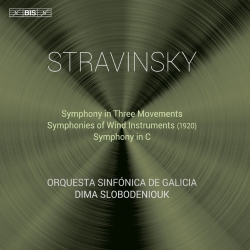
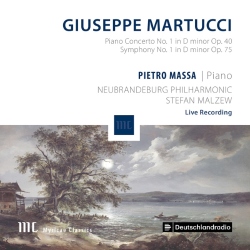

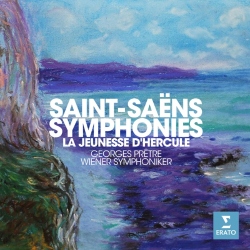
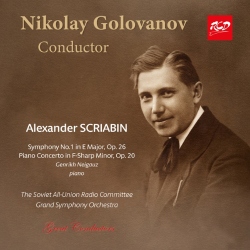

14
1:40
Symphony Highlight
Recommend Playlist