


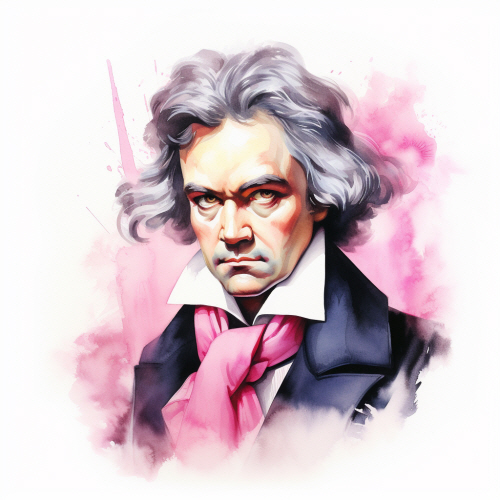
Ludwig van Beethoven
Symphony No. 9 in D minor, Op. 125 "Choral"
Released Album
Recent Album
-
-
-
-
-
-
-

-
-

-

-

-
 Cavendish ClassicalMarch 29, 2024
Featured Album
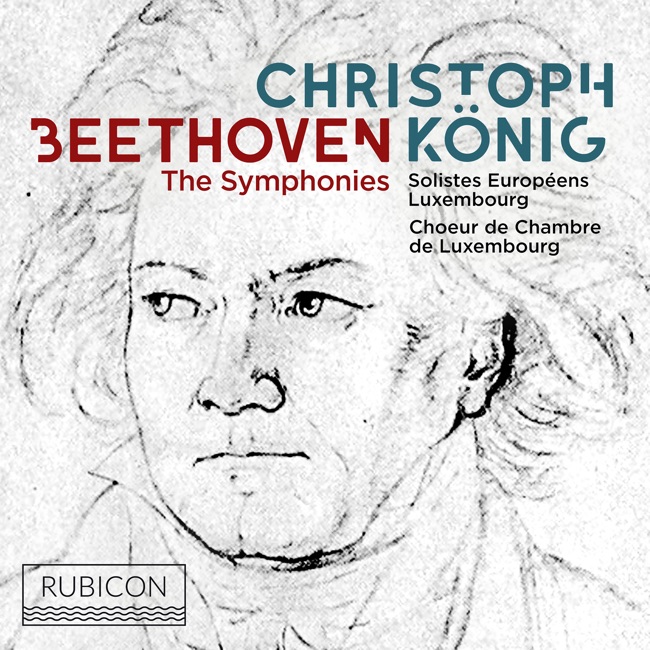
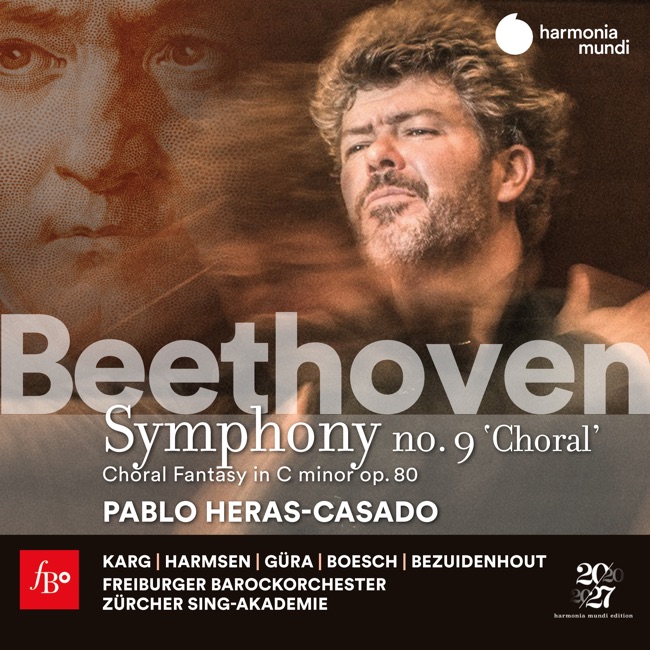
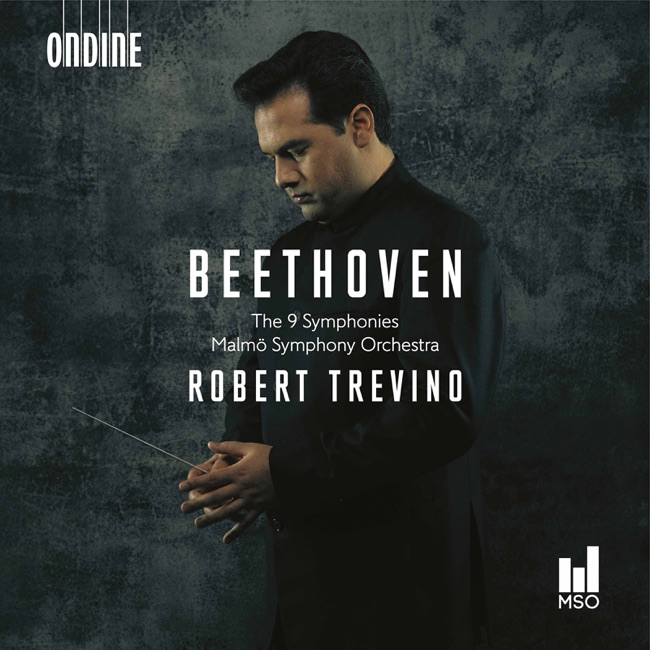
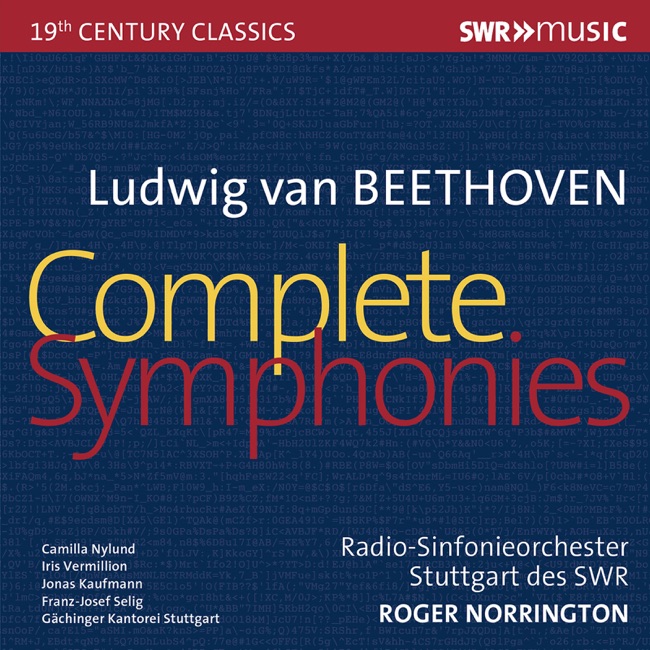
Works Info
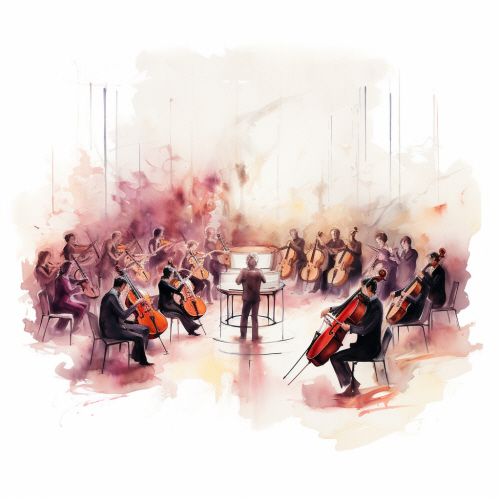
Composer:Ludwig van BeethovenGenre:SymphonyStyle:SymphonyCompose Date:1824Average_duration:67:21Movement_count:5Movement ....Ludwig van Beethoven's Symphony No. 9 in D minor, Op. 125, also known as the Choral Symphony, is one of the most famous and beloved works in the classical music repertoire. It was composed between 1818 and 1824, and premiered on May 7, 1824, in Vienna, with Beethoven himself conducting. The symphony is divided into four movements, each with its own distinct character and mood. The first movement, marked Allegro ma non troppo, begins with a brooding, ominous theme in the cellos and basses, which is then taken up by the rest of the orchestra. The music builds in intensity, with a series of dramatic crescendos and sudden shifts in dynamics, before finally resolving in a triumphant, heroic coda. The second movement, marked Molto vivace, is a scherzo and trio, with a lively, dance-like rhythm and a playful, almost mischievous character. The third movement, marked Adagio molto e cantabile, is a slow, lyrical interlude, featuring a beautiful melody played by the strings and woodwinds, and punctuated by a series of solemn chords from the brass. The fourth and final movement, marked Presto - Allegro assai, is the famous choral finale, featuring a setting of Friedrich Schiller's poem "Ode to Joy." The movement begins with a series of instrumental variations on the "Ode to Joy" theme, before the choir and soloists enter with the famous words, "Freude, schöner Götterfunken" ("Joy, beautiful spark of divinity"). The music builds in intensity, with a series of soaring melodies and thunderous choral outbursts, before finally resolving in a triumphant, exultant coda. The Symphony No. 9 is notable for its innovative use of the human voice, which was unprecedented in a symphonic work of this scale and complexity. Beethoven's use of a choir and soloists in the final movement was a bold and daring move, and it has since become one of the most iconic moments in all of classical music. Overall, the Symphony No. 9 is a masterpiece of musical innovation and emotional power, showcasing Beethoven's genius as a composer and his profound understanding of the human spirit. Its enduring popularity and influence have made it one of the most beloved works in the classical music canon, and a testament to the enduring power of great art.More....
Works Music
Released Music
2
2:11
6
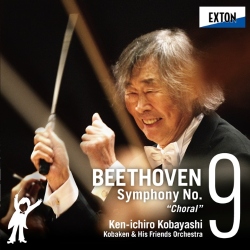
Symphony no. 9 in D minor, Op. 125 "Chorale"
IV. Allegro assai vivace. Alla Marcia. 'Froh, froh, wie seine Sonnen fliegen' -
4:21
7

1:14
8
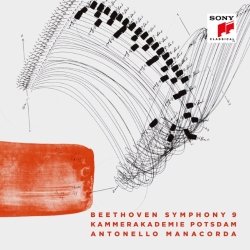
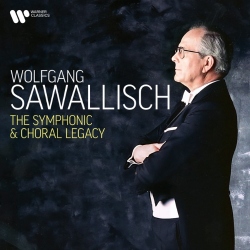
Symphony no. 9 in D minor, Op. 125 "Chorale"
IVb. Presto. Recitativo: 'O Freunde, nicht diese Töne!'
16:37


Featured Music

5
2:57
6
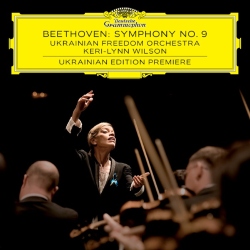
Symphony no. 9 in D minor, Op. 125 "Chorale"
IVb. Allegro assai ("An die Freude" Instrumental)
3:17
7
Symphony no. 9 in D minor, Op. 125 "Chorale"
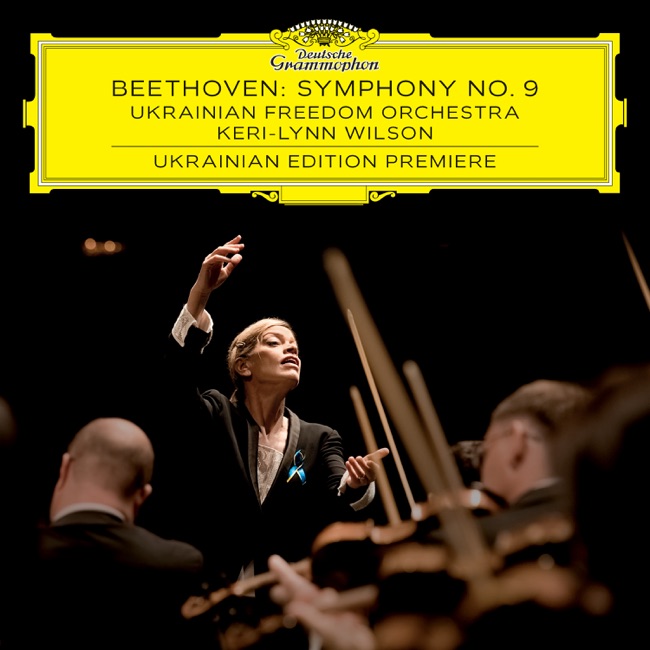
IVc-d. Presto – Recit. O Freunde, nicht diese Töne! – Allegro assai (Sung in Ukrainian)
3:23
8
Symphony no. 9 in D minor, Op. 125 "Chorale"
IVe-f. Allegro vivace assai. Alla marcia – Chorus. Freude, schöner Götterfunken (Sung in Ukrainian)
3:57
9
Symphony no. 9 in D minor, Op. 125 "Chorale"
IVg. Andante maestoso. Seid umschlungen, Millionen (Sung in Ukrainian)
3:17
10
Symphony no. 9 in D minor, Op. 125 "Chorale"
IVh. Allegro energico, sempre ben marcato (Sung in Ukrainian)
2:15
11
Symphony no. 9 in D minor, Op. 125 "Chorale"
IVi. Allegro ma non tanto. Freude, Tochter aus Elysium (Sung in Ukrainian)
2:15
12
Symphony no. 9 in D minor, Op. 125 "Chorale"
IVj. Poco Allegro, stringendo – Prestissimo (Sung in Ukrainian)
1:40
Recommend Playlist


















Main Perform Artists
Soprano Vocal
Bass Vocal
Tenor Vocal