


USSR Ministry of Culture Symphony Orchestra
Released Album
Symphony
-
 August 30, 2024
 -
 March 7, 2022
 -
 September 8, 2021
 -
 January 1, 2018
 -
-
Orchestral
-
 December 2, 2021
 -
 September 28, 2020
 -
-
 December 1, 2015
 -
-
 October 28, 2014
Concerto
-
-
 October 18, 2019
 -
 March 14, 2019
 -
 May 30, 2017
 -
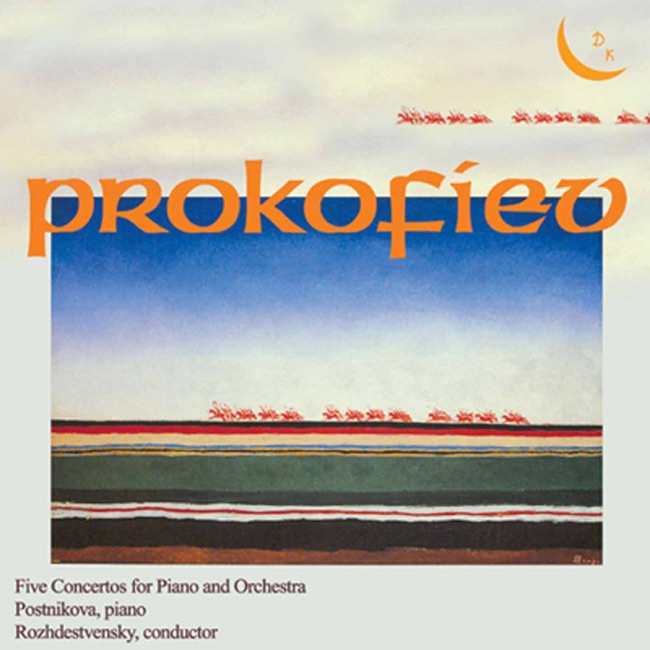 February 1, 2016
 -
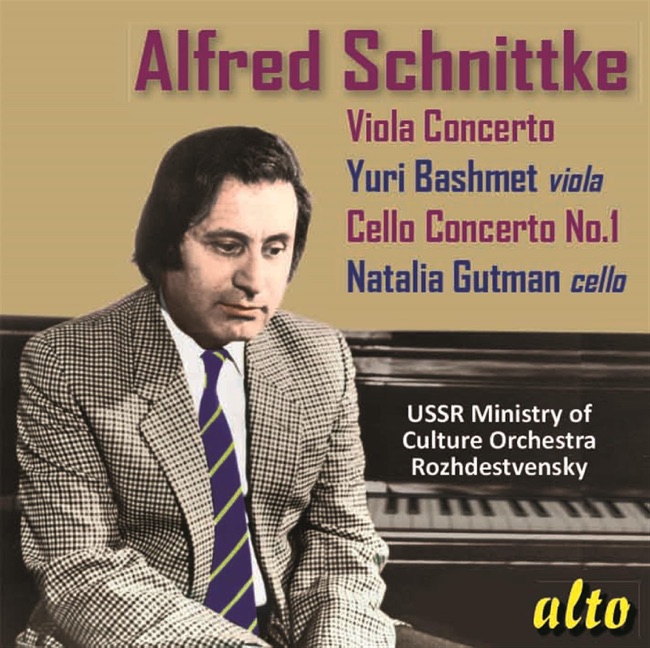 January 22, 2016
Opera
-
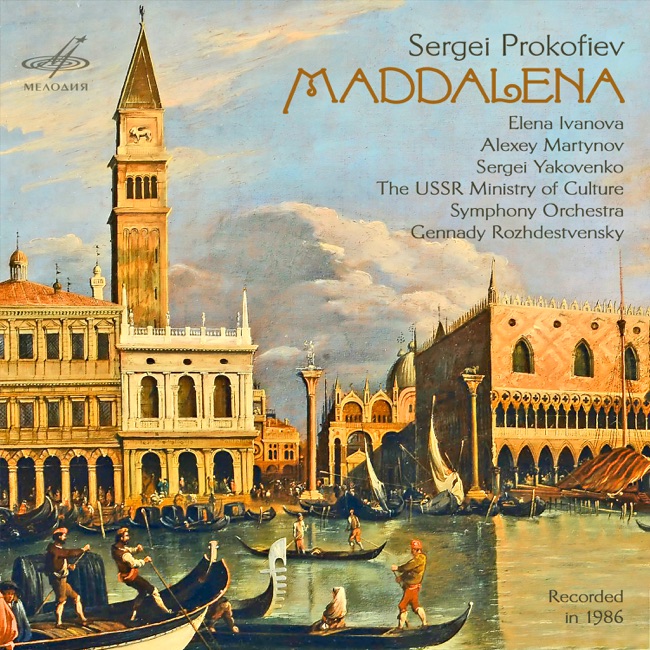 January 1, 1987
Artist Info
Period:RomanticModernGenre:OrchestralSymphonyThe USSR Ministry of Culture Symphony Orchestra was one of the most renowned classical music ensembles in the Soviet Union. Founded in 1936, the orchestra was initially known as the All-Union Radio Symphony Orchestra, and was later renamed the USSR Ministry of Culture Symphony Orchestra in 1953. The orchestra was founded under the direction of conductor Nikolai Malko, who served as its principal conductor until 1941. Malko was succeeded by Samuil Samosud, who led the orchestra until 1962. During this time, the orchestra established itself as one of the leading orchestras in the Soviet Union, and gained international recognition for its performances. The USSR Ministry of Culture Symphony Orchestra was known for its large size, with up to 120 musicians performing together. The orchestra was made up of some of the most talented musicians in the Soviet Union, many of whom went on to have successful solo careers. One of the highlights of the orchestra's early years was its performance of Shostakovich's Symphony No. 7, "Leningrad," during the Siege of Leningrad in 1942. The orchestra performed the symphony in the city, despite the ongoing siege and the danger it posed to the musicians. The performance was broadcast on the radio and became a symbol of resistance and hope for the people of Leningrad. In the years following World War II, the USSR Ministry of Culture Symphony Orchestra continued to gain international recognition for its performances. The orchestra toured extensively throughout Europe and Asia, and performed at major music festivals such as the Edinburgh International Festival and the Salzburg Festival. Under the direction of conductor Evgeny Svetlanov, who served as the orchestra's principal conductor from 1965 to 2000, the orchestra continued to expand its repertoire and perform works by both Soviet and Western composers. Svetlanov was known for his passionate and expressive conducting style, and his recordings with the orchestra are still highly regarded today. One of the highlights of the orchestra's performances under Svetlanov was its 1974 performance of Tchaikovsky's Symphony No. 6, "Pathétique," at the Proms in London. The performance was met with critical acclaim and helped to establish the orchestra's reputation as one of the finest in the world. In addition to its performances, the USSR Ministry of Culture Symphony Orchestra also received numerous awards and honors throughout its history. The orchestra was awarded the Order of Lenin, the highest civilian honor in the Soviet Union, in 1976. It also received the State Prize of the USSR in 1978 for its recording of Shostakovich's Symphony No. 4. Despite its success, the USSR Ministry of Culture Symphony Orchestra faced challenges in the years following the collapse of the Soviet Union. The orchestra was renamed the Russian State Symphony Orchestra in 1991, and struggled to secure funding and maintain its reputation in the post-Soviet era. However, the orchestra continued to perform and record under the direction of conductors such as Vasily Sinaisky and Mark Gorenstein. In recent years, the orchestra has regained some of its former glory, and has performed at major music festivals and venues around the world. Today, the Russian State Symphony Orchestra continues to be recognized as one of the finest classical music ensembles in Russia and beyond.More....
Recent Artist Music
4
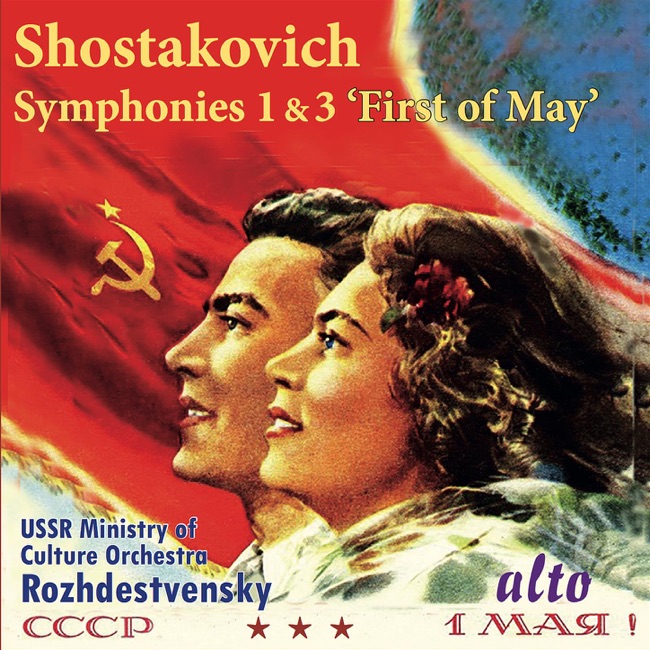
Symphony No. 3 in E flat major, Op. 20 "The First of May"
Symphony No. 3 in E-flat major, Op. 20, The First of May
26:19
8
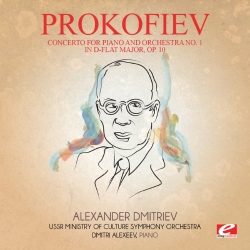
Piano Concerto No. 1 in D flat major, Op. 10
I. Allegro brioso / II. Andante assai / III. Allegro scherzando
15:44
9
22:53
10
17:13
14
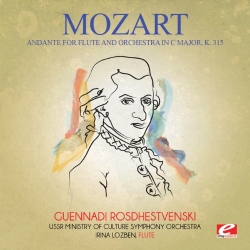
8:50
Copyright Ⓒ 2013 Davinci Finger. All rights reseved
Service Terms & Policy