


Edison Denisov
Released Album
Chamber
-
 November 3, 2023
 -
 February 11, 2022
 -
 November 25, 2021
 -
 July 24, 2020
 -
-
 March 27, 2020
Concerto
-
 October 18, 2019
 -
-
-
-
 December 12, 1995
Vocal
-
 May 7, 2021
 -
 November 5, 2012
 -
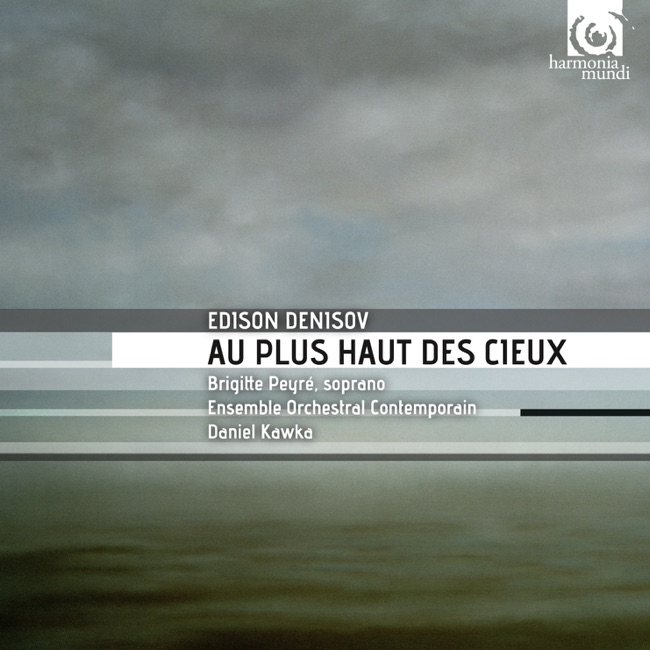 November 5, 2012
 -

Orchestral
-
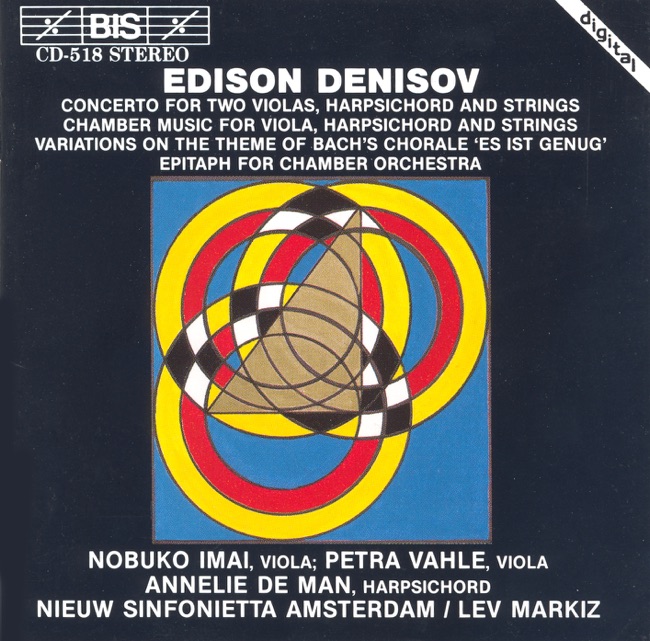 April 4, 1994
Artist Info
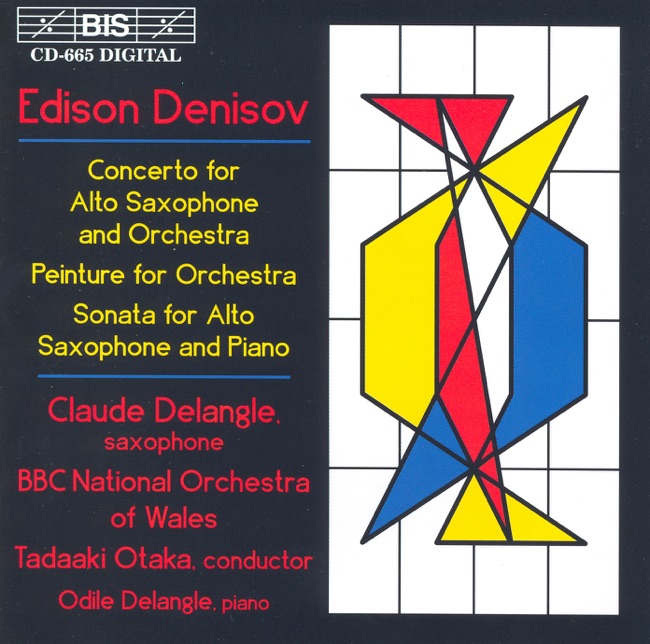
Role:ComposerCountry: RussiaBirth:April 6, 1929 in Tomsk, SiberiaDeath:November 24, 1996 in Paris, FrancePeriod:ContemporaryModernGenre:ChamberConcertoConcertoKeyboardEdison Denisov was a prominent Russian composer of the 20th century, known for his contributions to contemporary classical music. Born on April 6, 1929, in Tomsk, Siberia, Denisov grew up in a family of musicians. His father was a choir conductor, and his mother was a pianist. From a young age, Denisov showed a keen interest in music and began studying the piano and violin. In 1949, Denisov moved to Moscow to attend the Moscow Conservatory, where he studied composition under the tutelage of Dmitri Shostakovich. During his time at the conservatory, Denisov also studied orchestration with Nikolai Rakov and music theory with Viktor Zuckerman. He graduated in 1956 with a degree in composition. Denisov's early works were heavily influenced by the music of Shostakovich and other Soviet composers. However, he soon began to experiment with new techniques and styles, incorporating elements of serialism, aleatoric music, and jazz into his compositions. His music was characterized by its complex rhythms, unconventional harmonies, and use of extended techniques. One of Denisov's most significant works is his Symphony No. 1, which he composed in 1959. The symphony is notable for its use of aleatoric techniques, which allow for chance elements in the music. The work was well-received and helped establish Denisov as a leading figure in the Soviet avant-garde. In the 1960s, Denisov became increasingly interested in electronic music and began experimenting with tape manipulation and other electronic techniques. He also began incorporating non-traditional instruments into his compositions, such as the saxophone and percussion. One of Denisov's most famous works is his Sonata for Alto Saxophone and Piano, which he composed in 1970. The piece is notable for its use of extended techniques, such as multiphonics and flutter-tonguing, and its unconventional harmonies. The sonata has become a staple of the saxophone repertoire and is considered one of the most significant works for the instrument. Denisov continued to compose throughout the 1970s and 1980s, producing a wide range of works for various ensembles and solo instruments. He also taught composition at the Moscow Conservatory, where he mentored a new generation of Russian composers. In 1992, Denisov suffered a stroke that left him partially paralyzed and unable to compose. He passed away on November 24, 1996, at the age of 67. Denisov's contributions to contemporary classical music have been widely recognized, both in Russia and abroad. His music has been performed by leading orchestras and ensembles around the world, and his influence can be heard in the works of many contemporary composers. Today, he is remembered as one of the most important figures in the Soviet avant-garde and a pioneer of new music.More....
Recent Artist Music

11
9:35
Copyright Ⓒ 2013 Davinci Finger. All rights reseved
Service Terms & Policy