


Alfred Schnittke
Released Album
Chamber
-
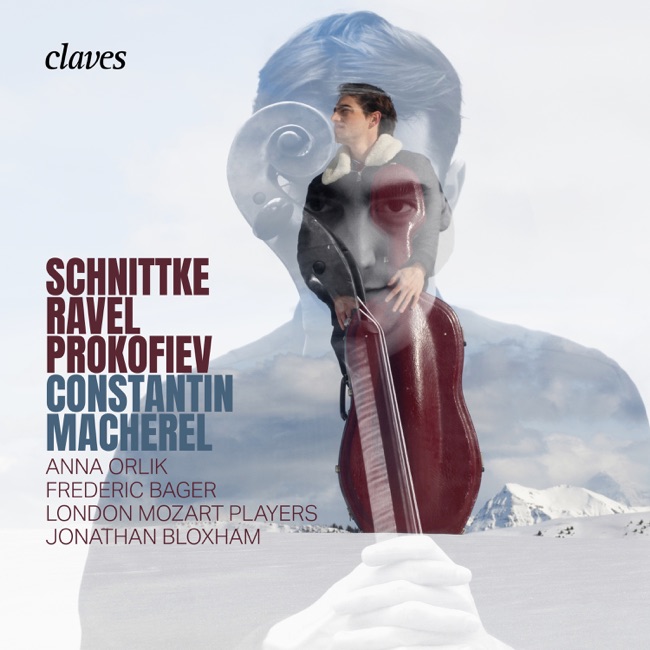 May 31, 2024
 -
-
 December 10, 2023
 -
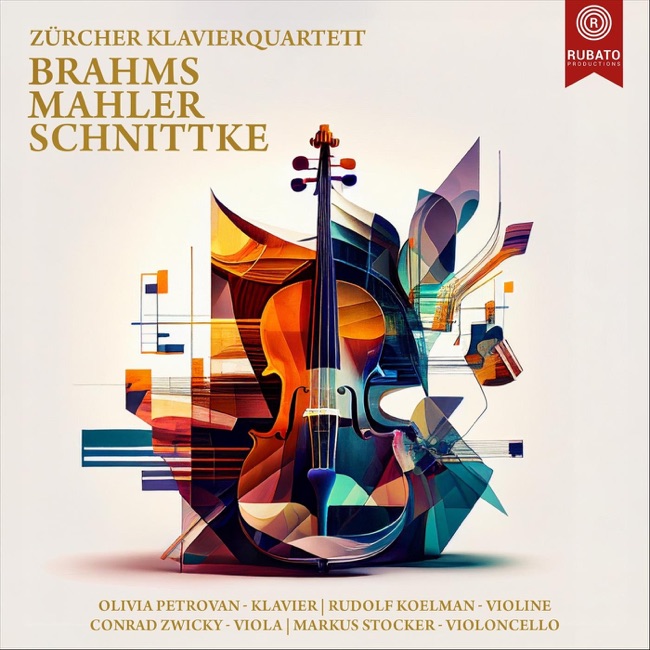 September 28, 2023
 -
 June 16, 2023
 -
Concerto
-
 October 11, 2024
 -
 December 17, 2021
 -
 May 7, 2021
 -
 August 7, 2020
 -
 April 10, 2020
 -
Choral
-
 November 4, 2022
 -
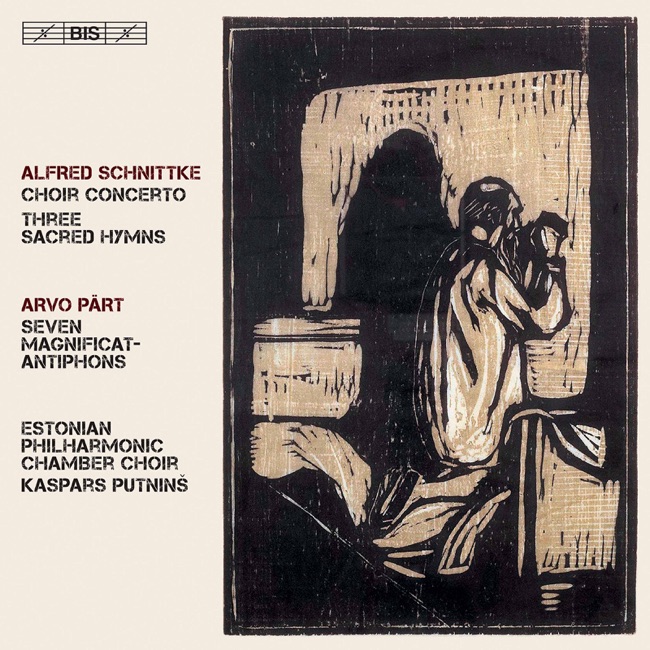
-
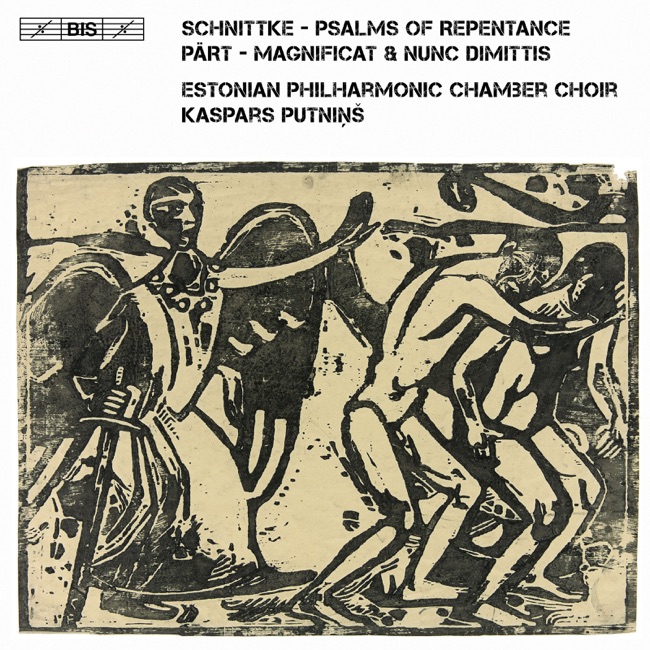
-
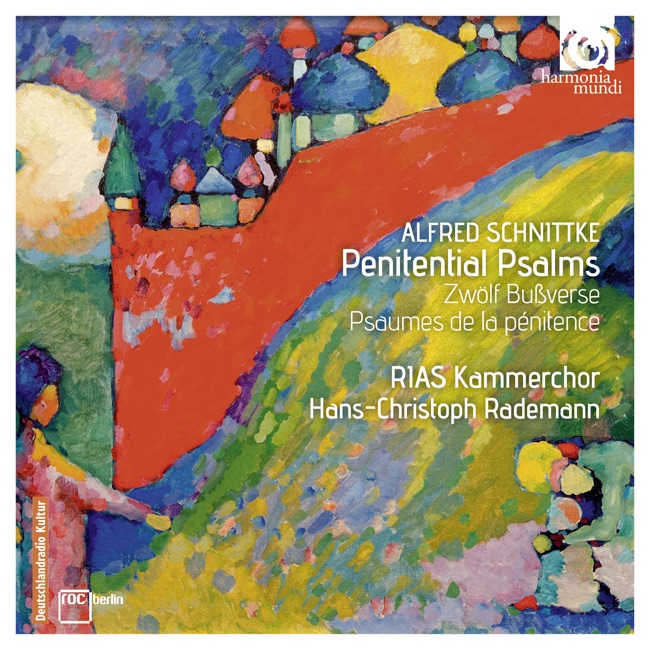 March 4, 2016
 -
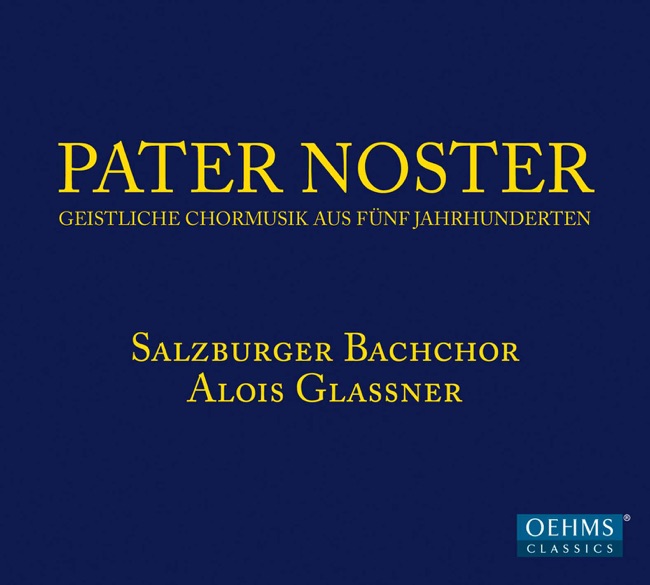 February 10, 2015
 -
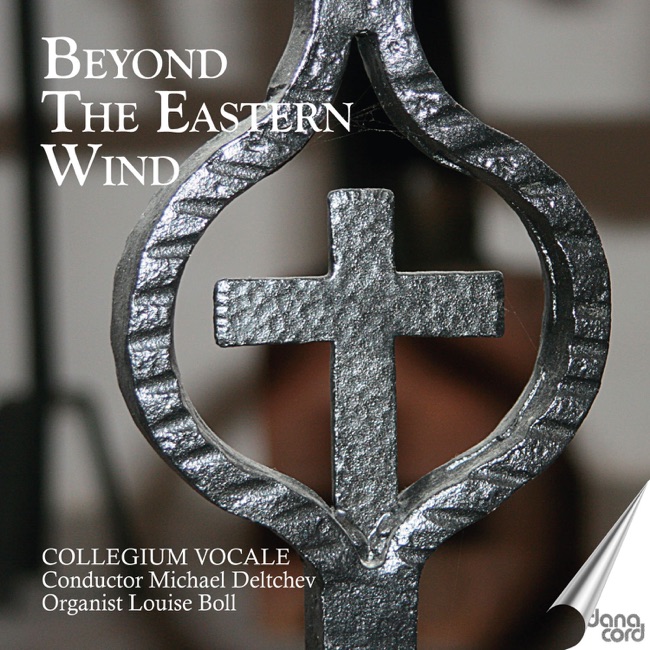 November 11, 2014
Orchestral
-
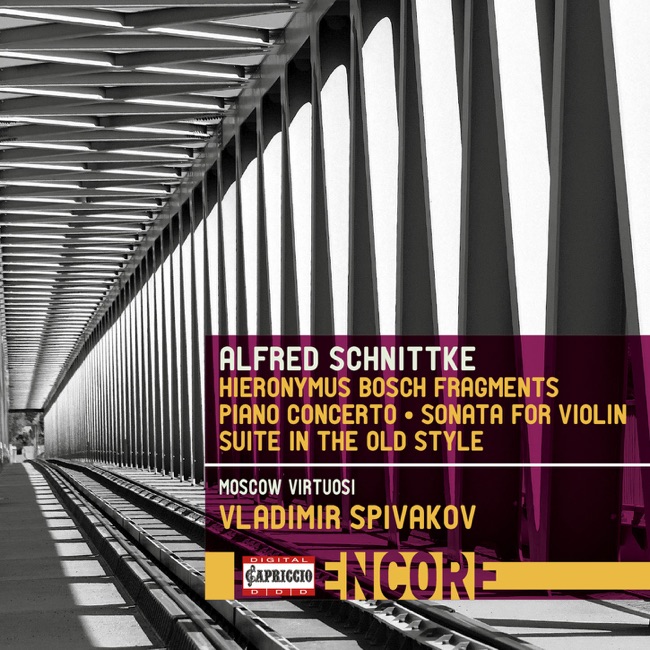
-
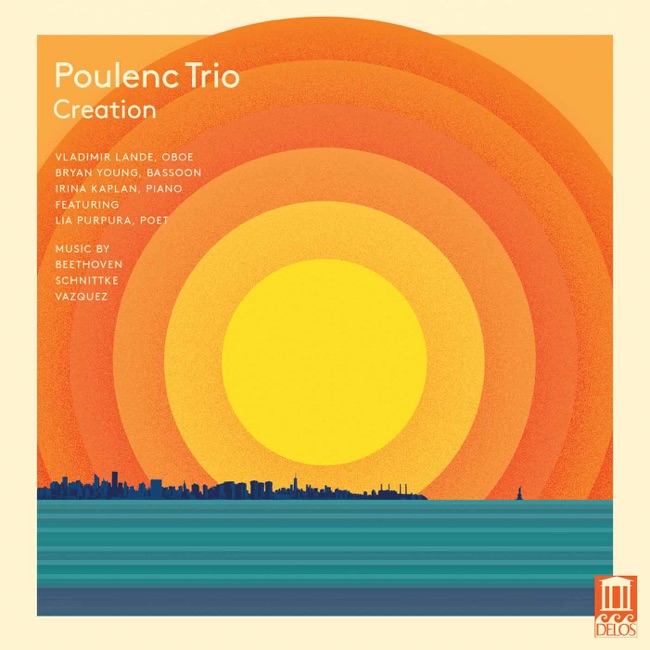 July 8, 2016
 -
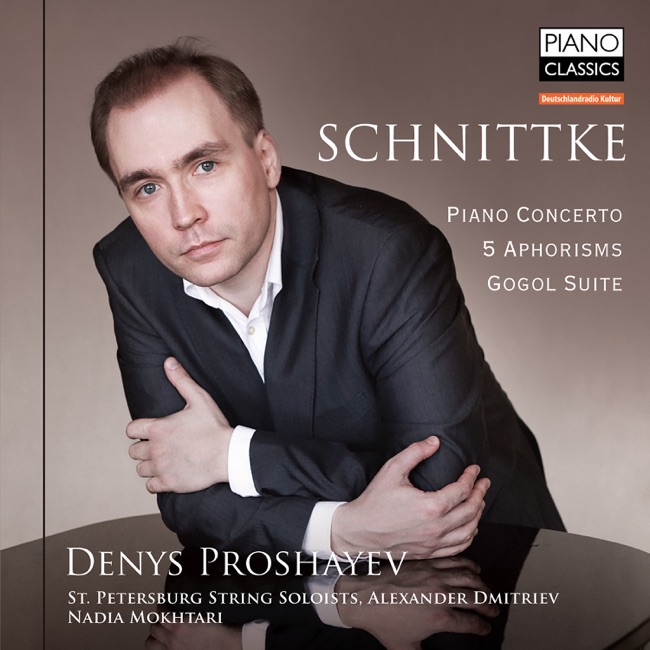 October 28, 2014
 -
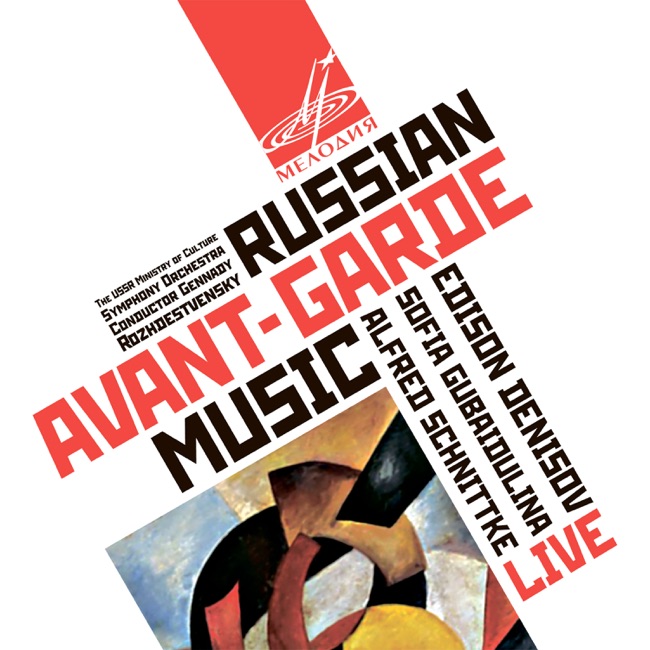
-
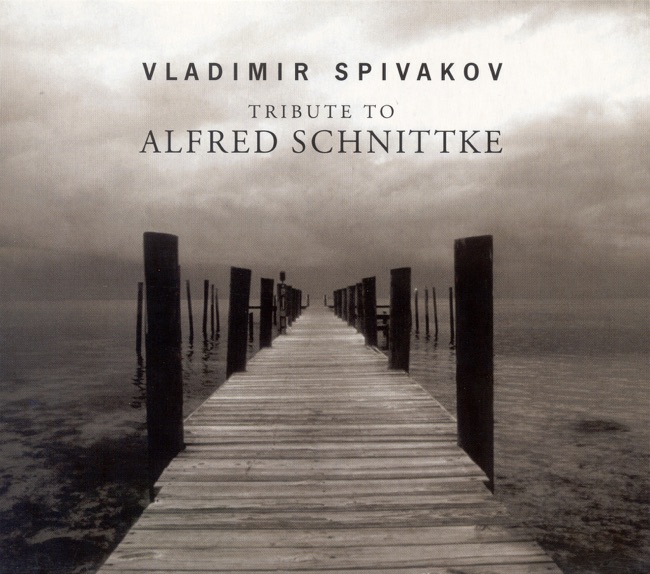 April 1, 2003
 -
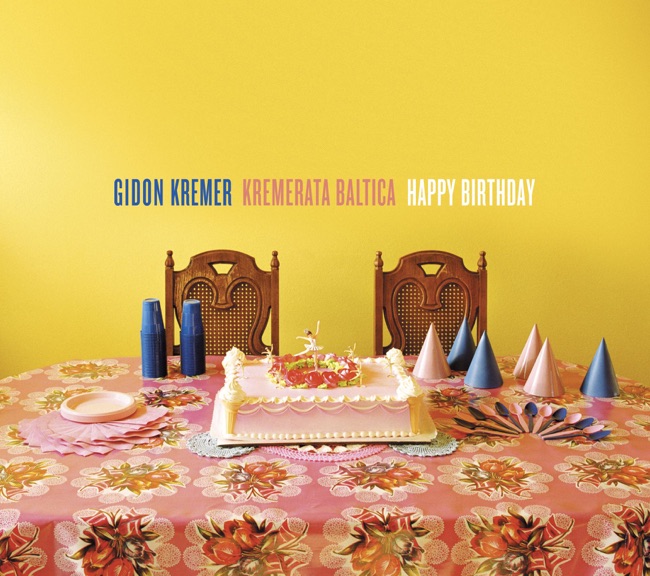 October 29, 2002
Artist Info
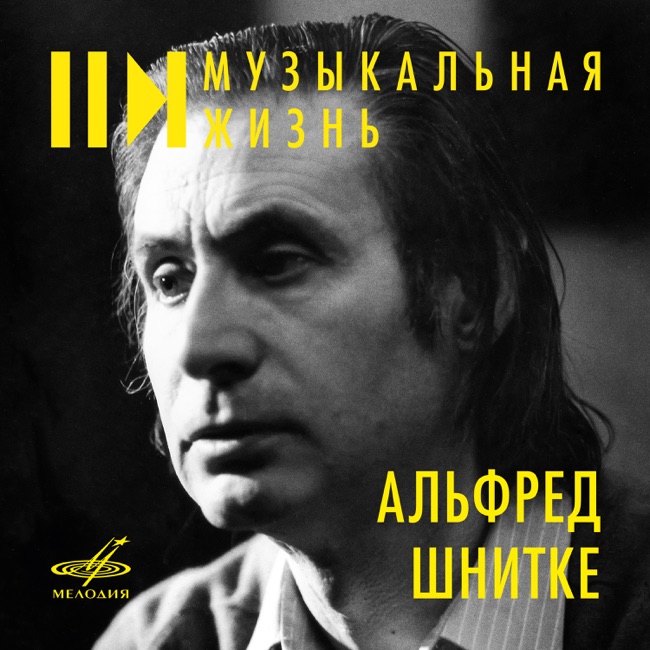
Role:ComposerCountry: RussiaBirth:November 24, 1934 in Engels, RussiaDeath:August 3, 1998 in Hamburg, GermanyPeriod:ContemporaryGenre:ChamberConcertoAlfred Schnittke was a Russian composer who was born on November 24, 1934, in Engels, a city in the Soviet Union. He was the son of a Jewish journalist and a Catholic mother, and his family moved to Vienna in 1946, where he began his musical education. Schnittke studied at the Vienna Conservatory and later at the Moscow Conservatory, where he was a student of Yuri Shaporin and Evgeny Golubev. Schnittke's early works were influenced by the music of Dmitri Shostakovich, and he was often compared to his mentor. However, Schnittke's music was more experimental and avant-garde, and he was known for his use of polytonality, atonality, and other modernist techniques. His music was also influenced by his interest in medieval and Renaissance music, as well as by his Catholic faith. Schnittke's breakthrough came in 1968 with his First Symphony, which was premiered in Moscow. The symphony was a bold and innovative work that combined elements of classical and modernist music, and it established Schnittke as one of the leading composers of his generation. The symphony was followed by a series of other works, including the Second Symphony, which was premiered in 1979 and was dedicated to the memory of Shostakovich. Schnittke's music was often controversial in the Soviet Union, and he was frequently criticized by the authorities for his avant-garde style. However, he continued to compose and to experiment with new forms and techniques. In the 1980s, he began to incorporate elements of traditional Russian music into his works, and he also began to explore the possibilities of electronic music. One of Schnittke's most famous works is his Concerto Grosso No. 1, which was premiered in 1977. The concerto is a tribute to the Baroque era, and it features a solo violin and cello, as well as a string orchestra and harpsichord. The work is notable for its use of polytonality and for its juxtaposition of Baroque and modernist elements. Another important work by Schnittke is his opera Life with an Idiot, which was premiered in 1992. The opera is based on a story by Viktor Erofeev, and it tells the story of a man who is visited by an idiot who disrupts his life. The opera is a dark and surreal work that combines elements of opera, theater, and film. Schnittke's later works were marked by his declining health, as he suffered from a series of strokes in the 1990s. However, he continued to compose until his death on August 3, 1998, in Hamburg, Germany. His legacy as one of the most important composers of the 20th century is secure, and his music continues to be performed and studied around the world.More....
Recent Artist Music
4
14:34
10
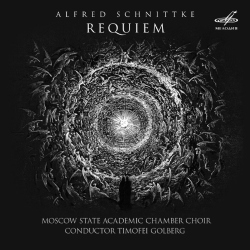
3:44
13
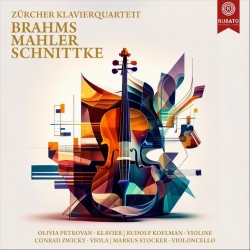
8:11
15
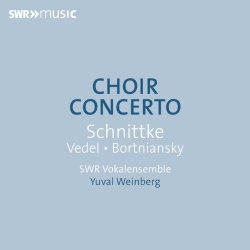
Concerto for choirs
I. O Herrscher allen lebendigen Seins, der Du uns kostbare Gaben schenkst
15:58
Works Highlight










Related Artists
Copyright Ⓒ 2013 Davinci Finger. All rights reseved
Service Terms & Policy