


Alexander Scriabin
Released Album
Keyboard
-
 October 12, 2024
 -
 October 8, 2024
 -
 October 4, 2024
 -
 October 1, 2024
 -
 September 23, 2024
 -
Symphony
-
-
 May 17, 2024
 -
 March 15, 2024
 -
-
 November 9, 2023
 -
 July 11, 2023
Concerto
-
 October 20, 2023
 -
 December 12, 2022
 -
 January 28, 2022
 -
-
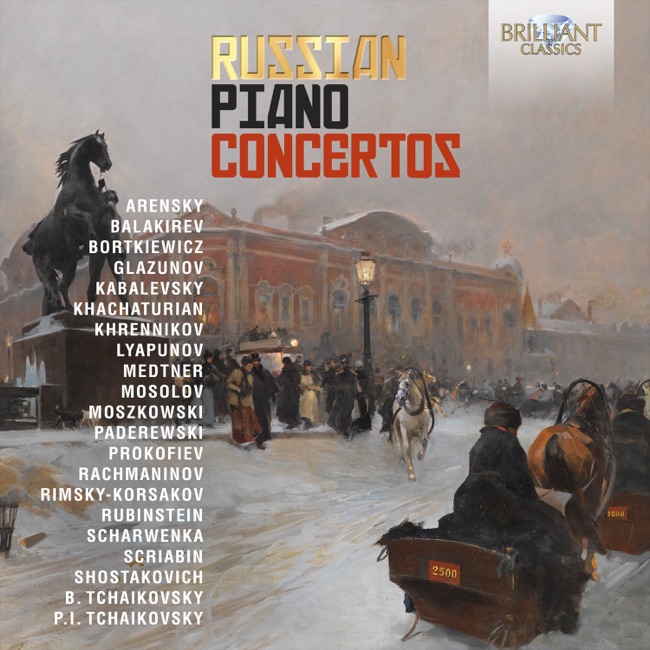 February 23, 2018
 -
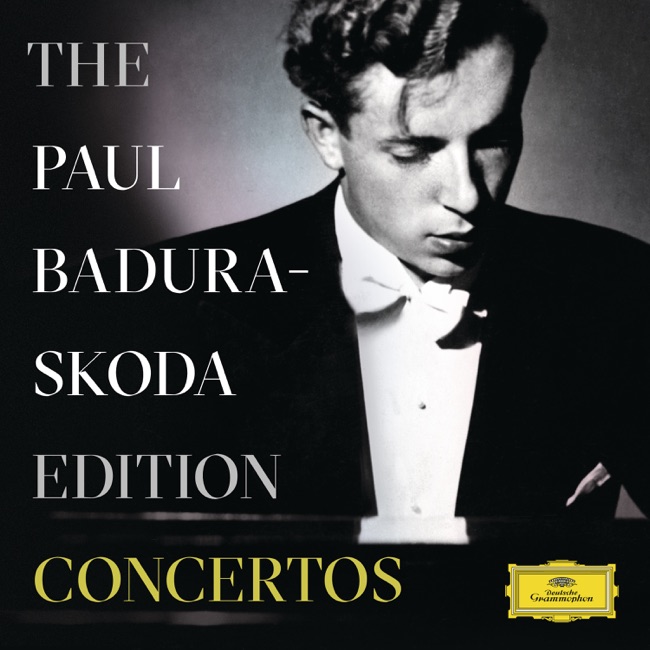 September 29, 2017
Orchestral
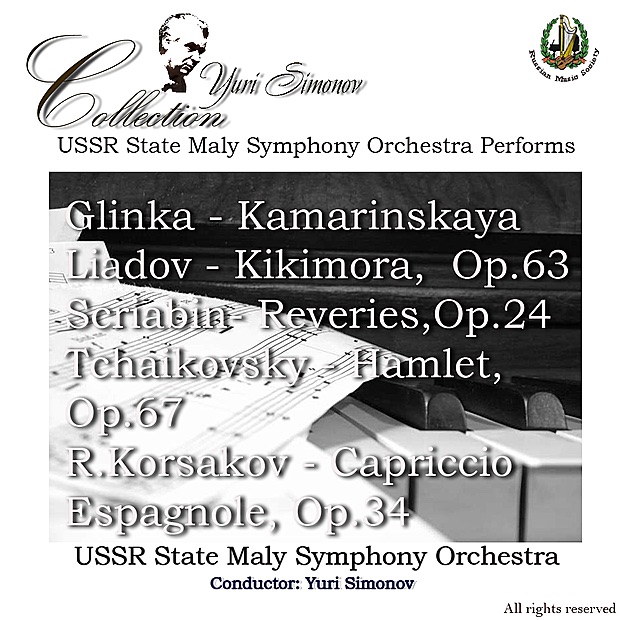
Artist Info
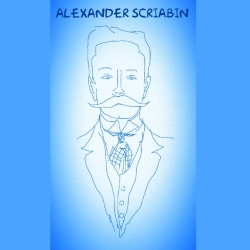
Role:ComposerCountry: RussiaBirth:January 6, 1872 in Moscow, RussiaDeath:April 27, 1915 in Moscow, RussiaPeriod:RomanticContemporaryModernGenre:ConcertoKeyboardSymphonyAlexander Scriabin was a Russian composer and pianist who was born on January 6, 1872, in Moscow. He was the youngest of five children in a family of musicians. His father, Nikolai Scriabin, was a well-known pianist and composer, and his mother, Lyubov Petrovna Scriabina, was a pianist and music teacher. Alexander showed an early interest in music and began taking piano lessons from his mother at the age of six. Scriabin's musical education continued at the Moscow Conservatory, where he studied piano with Vasily Safonov and composition with Anton Arensky and Sergei Taneyev. He was a brilliant student and won several awards for his compositions. In 1892, he graduated with honors and began his career as a concert pianist and composer. Scriabin's early works were influenced by the Romantic composers of the time, particularly Chopin and Liszt. His first major composition, the Piano Sonata No. 1, was written in 1892 and shows the influence of Chopin's piano music. Scriabin's early works also show the influence of Russian folk music, which he incorporated into his compositions. In 1894, Scriabin married Vera Ivanovna Isakovich, a pianist and student at the Moscow Conservatory. They had two children, a son named Julian and a daughter named Marina. Scriabin's marriage was not a happy one, and he had several affairs throughout his life. Scriabin's music began to change in the late 1890s, as he became interested in mysticism and theosophy. He believed that music had the power to evoke spiritual experiences and that his music could lead listeners to a higher state of consciousness. He began to incorporate these ideas into his compositions, which became more complex and experimental. One of Scriabin's most famous works is the Poem of Ecstasy, written in 1908. The piece is a symphonic poem that expresses the idea of spiritual ecstasy through music. It is scored for a large orchestra and features a prominent part for the organ. The piece is notable for its use of dissonance and chromaticism, which were unusual for the time. Scriabin's later works became even more experimental, incorporating elements of atonality and serialism. His last work, the unfinished Mysterium, was intended to be a massive multimedia work that would combine music, dance, and light in a spiritual ritual. Scriabin died before he could complete the work, and it remains one of the great unfinished works of classical music. Scriabin's music was not widely appreciated during his lifetime, and he was often criticized for his experimental style. However, his music has since been recognized as an important precursor to the modernist movement in classical music. His use of dissonance and chromaticism was influential on composers such as Schoenberg and Stravinsky. In addition to his music, Scriabin was also known for his eccentric personality and his interest in mysticism. He believed that he was a messiah figure and that his music would bring about a spiritual transformation of humanity. He also had a fascination with color, and believed that each note had a corresponding color. He developed a system of "color hearing" that he believed would lead to a higher state of consciousness. Scriabin died on April 27, 1915, at the age of 43. He had contracted septicemia after cutting his lip while shaving. His death was a great loss to the world of classical music, and his influence can still be felt today.More....
Recent Artist Music
1
6:5
3
1:30
7
2:37
Works Highlight
Recommend Playlist










Related Artists
Copyright Ⓒ 2013 Davinci Finger. All rights reseved
Service Terms & Policy