


Richard Strauss
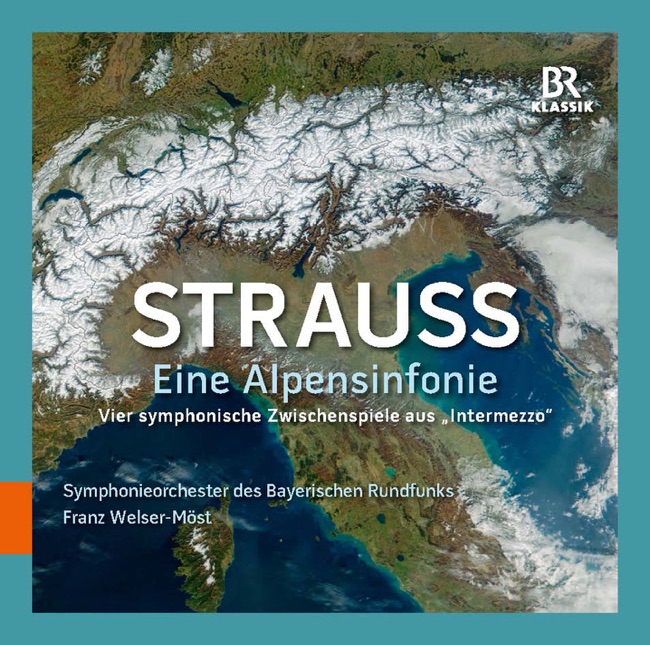
Eine Alpensinfonie, Op. 64
Released Album
Recent Album










Featured Album









Works Info
Composer:Richard StraussGenre:SymphonyStyle:SymphonyCompose Date:1911 - 1915Average_duration:49:13Movement_count:22Movement ....Eine Alpensinfonie, Op. 64 is a symphonic poem composed by Richard Strauss in 1915. It premiered on October 28, 1915, in Berlin, conducted by the composer himself. The piece is divided into 22 movements and lasts approximately 50 minutes. The symphony is a musical depiction of a hike through the Alps, from the start of the journey to the summit and back down again. The piece is programmatic, meaning that it tells a story through music. Each movement represents a different aspect of the journey, from the peaceful meadows to the raging storms. The first movement, "Night," sets the scene with a quiet, mysterious introduction. The second movement, "Sunrise," depicts the first rays of sunlight breaking through the darkness. The third movement, "The Ascent," is a lively and energetic section that represents the hiker's climb up the mountain. The fourth movement, "Entering the Forest," is a peaceful and serene section that represents the hiker's entrance into the forest. The fifth movement, "Wandering by the Brook," is a gentle and flowing section that represents the hiker's journey along a babbling brook. The sixth movement, "At the Waterfall," is a dramatic and powerful section that represents the hiker's encounter with a waterfall. The seventh movement, "Apparition," is a mysterious and eerie section that represents the hiker's encounter with a ghostly figure. The eighth movement, "On the Alpine Pasture," is a peaceful and pastoral section that represents the hiker's arrival at a mountain meadow. The ninth movement, "Lost in the Thicket," is a tense and disorienting section that represents the hiker's struggle to find their way through a dense thicket. The tenth movement, "Alpine Storm," is a dramatic and intense section that represents a sudden storm on the mountain. The eleventh movement, "Sunset," is a peaceful and reflective section that represents the end of the day. The twelfth movement, "Night," is a quiet and mysterious section that represents the hiker's rest at night. The thirteenth movement, "The Vision," is a mystical and otherworldly section that represents the hiker's encounter with a vision. The fourteenth movement, "The Summit," is a triumphant and majestic section that represents the hiker's arrival at the top of the mountain. The fifteenth movement, "The Glacier," is a cold and icy section that represents the hiker's encounter with a glacier. The sixteenth movement, "The Descent," is a lively and energetic section that represents the hiker's journey back down the mountain. The seventeenth movement, "The Sun Gradually Disappears," is a melancholy and reflective section that represents the end of the day. The eighteenth movement, "Elegy," is a mournful and somber section that represents the hiker's reflection on the journey. The nineteenth movement, "Calm Before the Storm," is a peaceful and serene section that represents the hiker's rest before another storm. The twentieth movement, "Thunder and Storm," is a dramatic and intense section that represents another storm on the mountain. The twenty-first movement, "Sunset," is a peaceful and reflective section that represents the end of the day. The final movement, "Night," is a quiet and mysterious section that represents the hiker's rest at night. The symphony ends with a quiet and peaceful coda, bringing the journey to a close. Overall, Eine Alpensinfonie, Op. 64 is a masterful work of programmatic music that takes the listener on a journey through the Alps.More....
Works Music
Released Music






9
3:54

Featured Music

Recommend Playlist















Main Perform Artists
Organ
Organ
Organ