


Astor Piazzolla
Released Album
Chamber
-
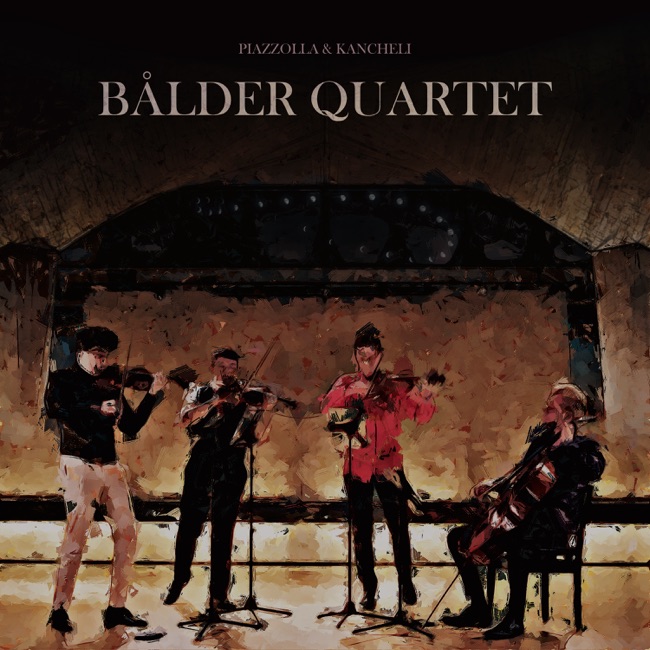 October 16, 2024
 -
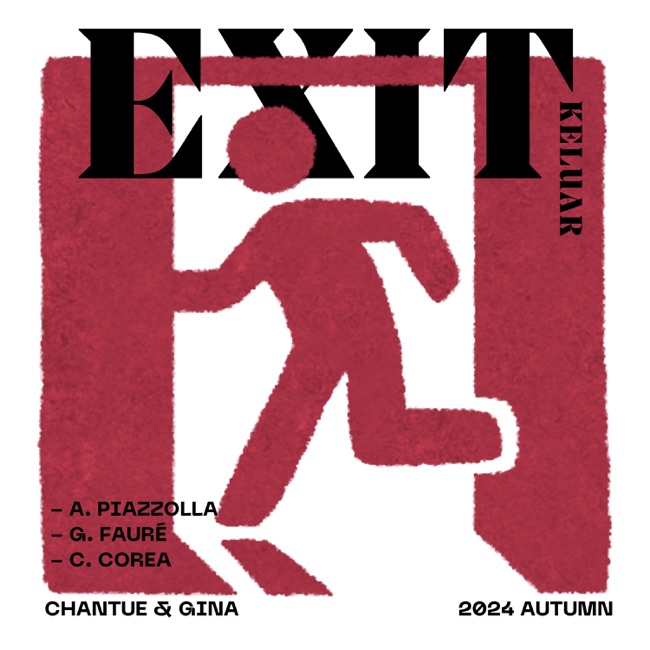 October 11, 2024
 -
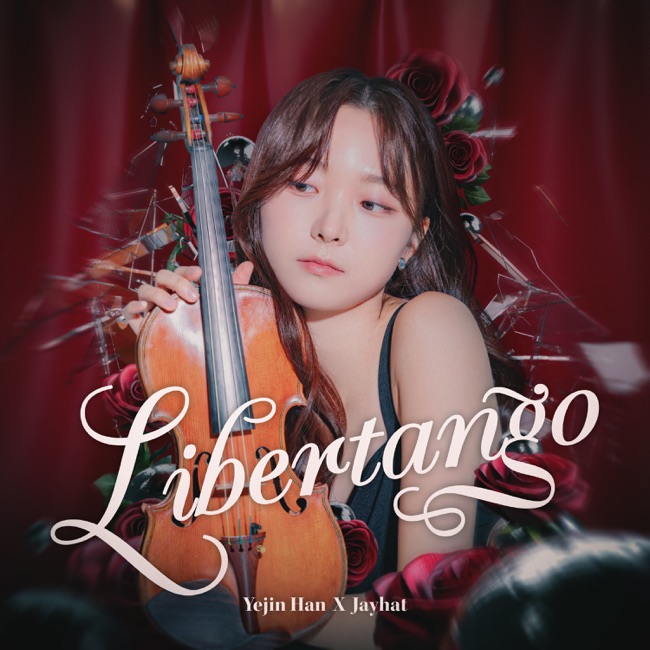 October 7, 2024
 -
 September 6, 2024
 -
 August 30, 2024
 -
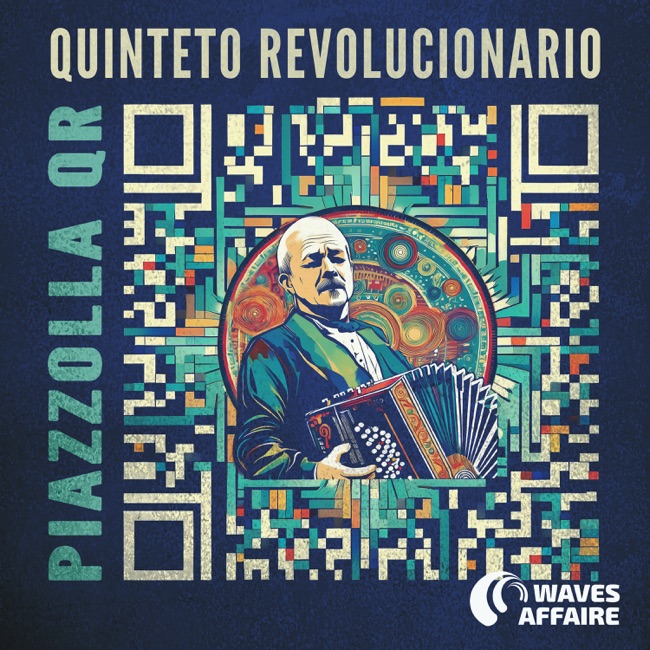 August 30, 2024
Vocal
-
 September 27, 2024
 -
 January 11, 2024
 -
 June 23, 2023
 -
-
 November 18, 2022
 -
 September 13, 2022
Concerto
-
 November 12, 2021
 -
 September 17, 2021
 -
 August 6, 2021
 -
 November 13, 2020
 -
 September 18, 2020
 -
 January 19, 2018
Opera
-
 August 25, 2024
 -
 June 7, 2024
 -
 July 21, 2023
 -
 April 28, 2023
 -
 February 18, 2022
 -
 January 21, 2022
Artist Info
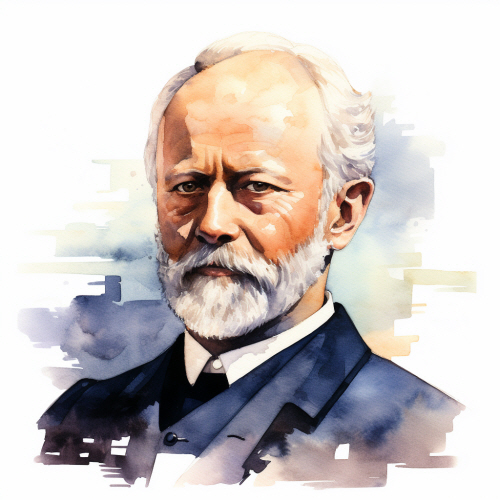
Role:Composer ConductorCountry: ArgentinaBirth:March 11, 1921 in Mar Del Plata, ArgentinaDeath:July 4, 1992 in Buenos Aires, ArgentinaAstor Piazzolla was a renowned Argentine composer and bandoneón player who revolutionized the traditional tango music genre by incorporating elements of jazz and classical music. He was born on March 11, 1921, in Mar del Plata, Argentina, to Italian immigrant parents. His father, Vicente Piazzolla, was a tango musician who played the guitar and the bandoneón, a type of accordion that is a staple of tango music. Piazzolla showed an early interest in music and began playing the bandoneón at the age of eight. He received his first formal music lessons from his father and later studied with the renowned tango musician Carlos Gardel. In 1937, Piazzolla's family moved to New York City, where he continued his music education and was exposed to a variety of musical styles, including jazz and classical music. In 1941, Piazzolla returned to Argentina and began playing in various tango orchestras. He quickly gained a reputation as a talented bandoneón player and composer, and in 1946, he formed his own orchestra, the Orquesta Típica, which became one of the most popular tango groups in Argentina. Despite his success, Piazzolla was dissatisfied with the traditional tango music genre and began experimenting with new musical styles. He was particularly influenced by the music of jazz musicians such as Charlie Parker and Dizzy Gillespie, as well as classical composers such as Bach and Stravinsky. In the 1950s, Piazzolla began incorporating elements of jazz and classical music into his tango compositions, creating a new style of tango music known as "nuevo tango." This new style was characterized by complex harmonies, unconventional rhythms, and virtuosic instrumental solos. Piazzolla's nuevo tango compositions were initially met with resistance from traditional tango purists, who viewed his music as a betrayal of the genre's roots. However, his music soon gained a following among younger audiences and musicians, and he became a leading figure in the Argentine music scene. Some of Piazzolla's most famous compositions include "Adiós Nonino," "Libertango," and "Oblivion." "Adiós Nonino," written in 1959 in memory of Piazzolla's father, is considered one of his most emotional and poignant works. "Libertango," written in 1974, is one of his most popular compositions and has been covered by numerous artists in a variety of musical styles. "Oblivion," written in 1982, is a hauntingly beautiful piece that has been used in numerous films and television shows. In addition to his work as a composer, Piazzolla was also a talented bandoneón player and performed extensively throughout his career. He collaborated with a variety of musicians from different genres, including jazz saxophonist Gerry Mulligan and classical cellist Yo-Yo Ma. Piazzolla's contributions to the tango music genre were recognized both in Argentina and internationally. He received numerous awards and honors throughout his career, including the Konex Award, the National Prize of the Arts, and the Legion of Honor from the French government. Sadly, Piazzolla passed away on July 4, 1992, in Buenos Aires, Argentina, at the age of 71. However, his legacy lives on through his music, which continues to inspire and influence musicians around the world.More....
Recent Artist Music

4
10:49
6
2:59
7
2:51





Works Highlight
Recommend Playlist






















Related Artists
Copyright Ⓒ 2013 Davinci Finger. All rights reseved
Service Terms & Policy