


Astor Piazzolla
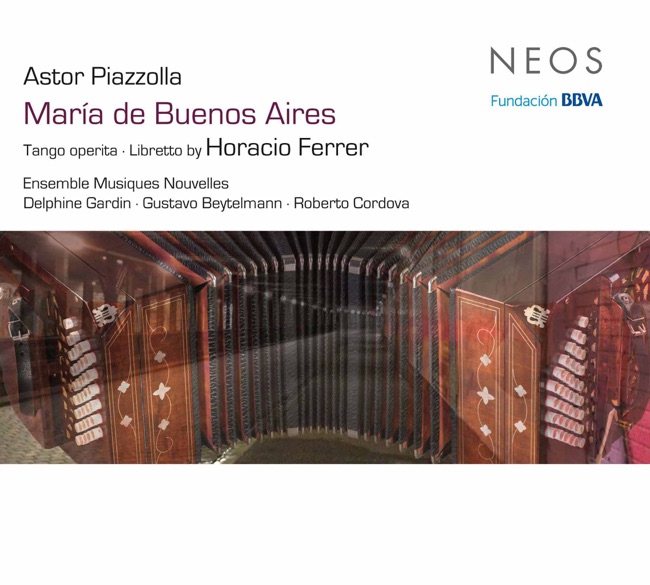
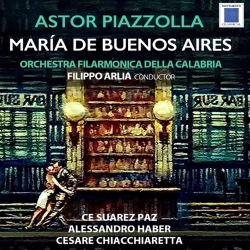
María de Buenos Aires
Released Album
Recent Album

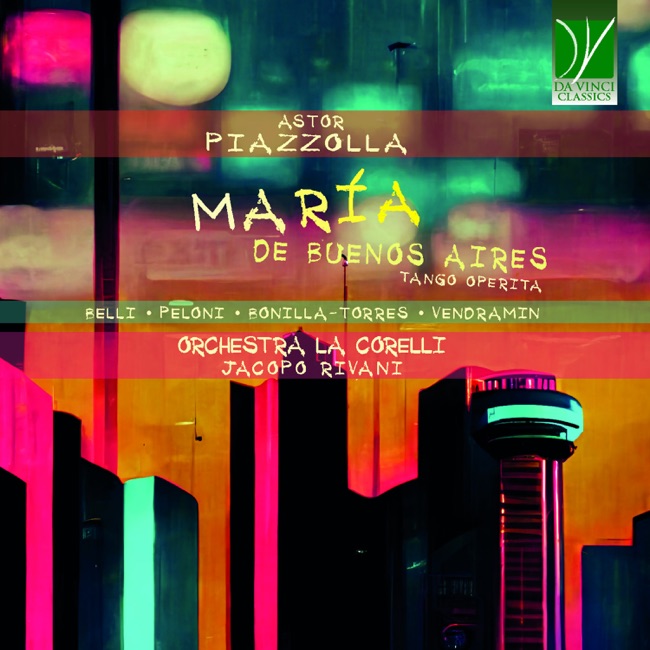
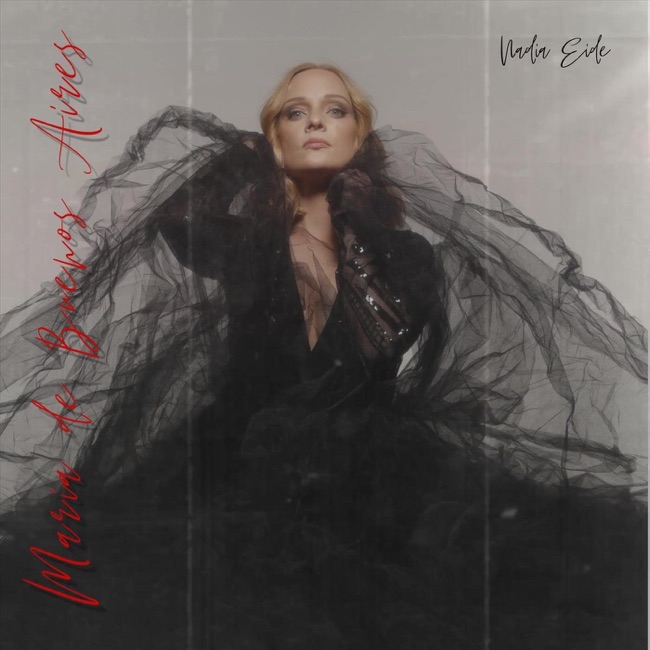
Featured Album
Works Info
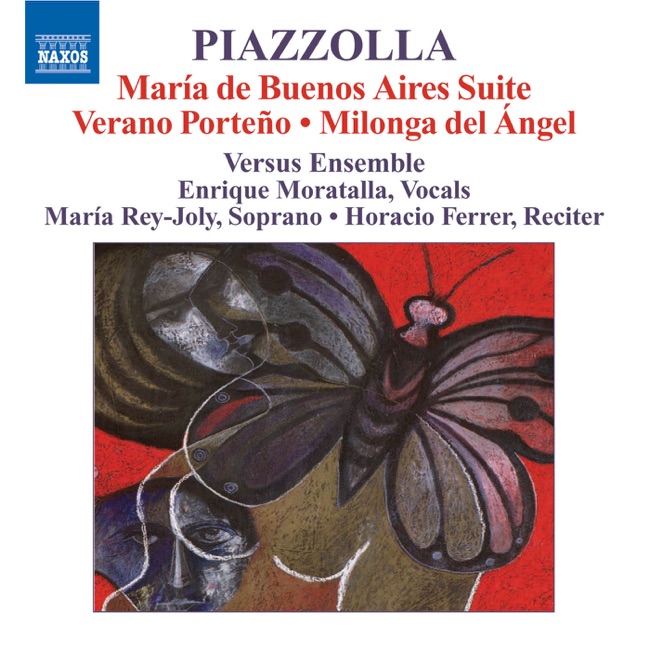
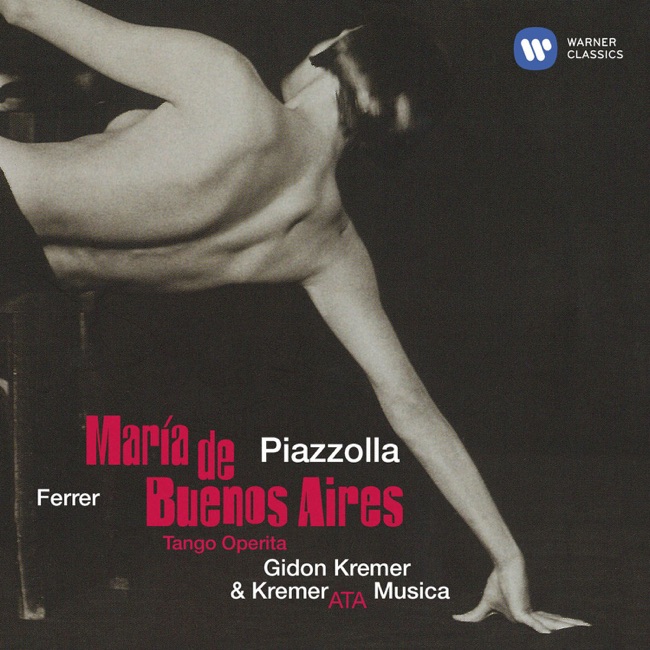
Composer:Astor PiazzollaGenre:OperaStyle:OperettaCompose Date:1968Average_duration:88:34Movement_count:17Movement ....María de Buenos Aires is an opera composed by Astor Piazzolla, with a libretto by Horacio Ferrer. The opera was composed in 1968 and premiered in Buenos Aires in May of the same year. It is a tango opera that tells the story of a young woman named María, who is born in the slums of Buenos Aires and becomes a prostitute. The opera is divided into two parts, with a total of 18 movements. The first part of the opera introduces María and her world. The opening movement, "Alevare," sets the tone for the opera with its dark and brooding melody. María is born in the slums of Buenos Aires, and the second movement, "Yo soy María," introduces her as a young woman who is determined to make something of herself. She becomes a prostitute, and the third movement, "Balada para un organito loco," is a hauntingly beautiful tango that describes the life of a prostitute in Buenos Aires. The second part of the opera takes a surreal turn, as María dies and becomes a ghost. The fourth movement, "Milonga del ángel," is a beautiful and melancholic tango that describes María's journey to the afterlife. The fifth movement, "La muerte," is a hauntingly beautiful aria that describes María's encounter with Death. The sixth movement, "Fuga y misterio," is a fast-paced and intense tango that describes María's journey through the underworld. The final movements of the opera are a series of tangos that describe María's journey back to the world of the living. The eleventh movement, "Tango apasionado," is a passionate and intense tango that describes María's love for life. The twelfth movement, "Final," is a triumphant and joyful tango that celebrates María's return to the world of the living. María de Buenos Aires is a unique and powerful opera that combines the traditional tango music of Buenos Aires with elements of classical music and surrealism. It is a testament to the power of music to tell stories and evoke emotions, and it remains a beloved work of art to this day.More....
Works Music
Released Music

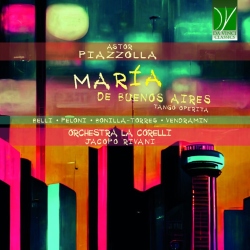
Featured Music
9
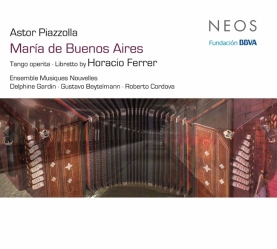
Maria of Buenos Aires
Primera parte: Cuadro 8: Miserere Canyengue de los Ladrones Antiguos en las Alcantarillas
7:36
10
Maria of Buenos Aires
Segunda parte: Cuadro 9: Contramilonga a la Funerala por la Primera Muerte de María
6:18
Recommend Playlist



Main Perform Artists
Narrator
Percussion
Viola
Vocals
Vocals
Double Bass
Violin
Guitar
Bells, Vibraphone, Xylophone
Violin
Cello
Bandoneon
Flute
Piano
Choir/Chorus