


Ryuichi Sakamoto
Released Album
Keyboard
-
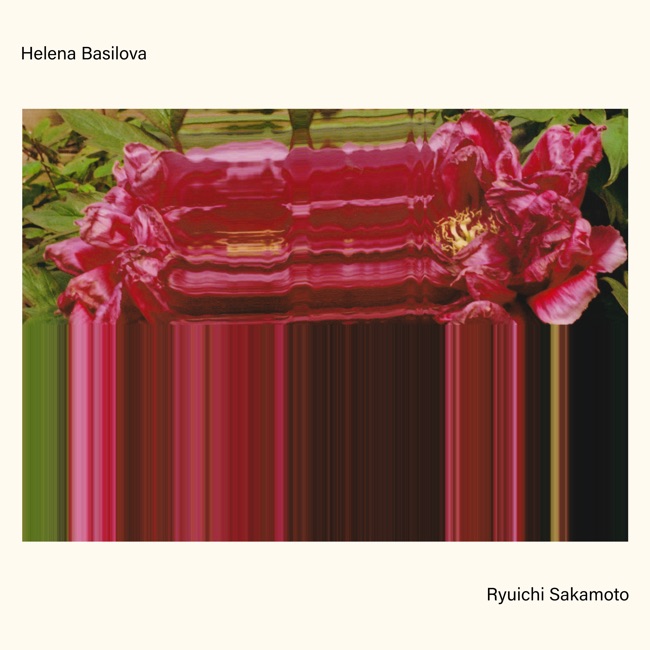 March 22, 2024
 -
 November 10, 2023
 -
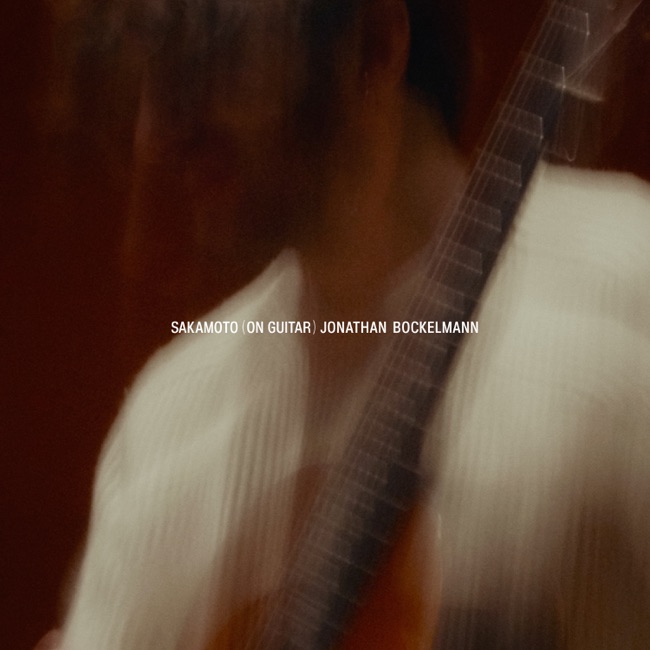 June 16, 2023
 -
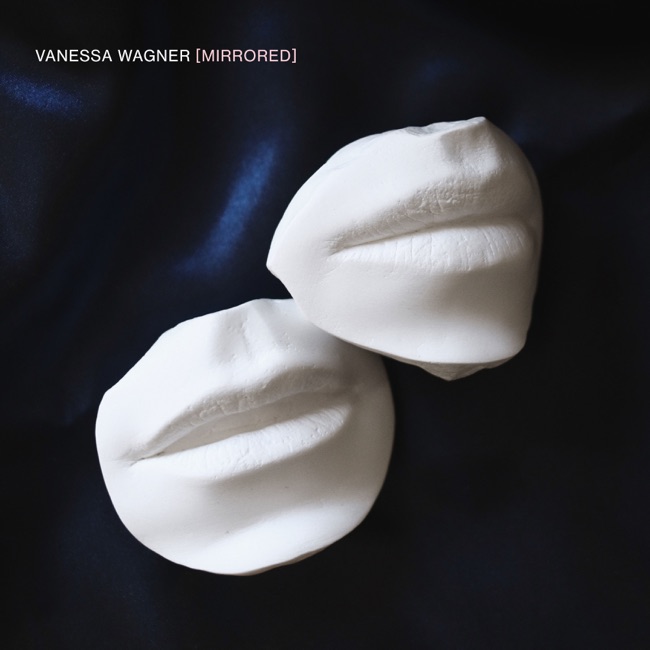 December 16, 2022
 -
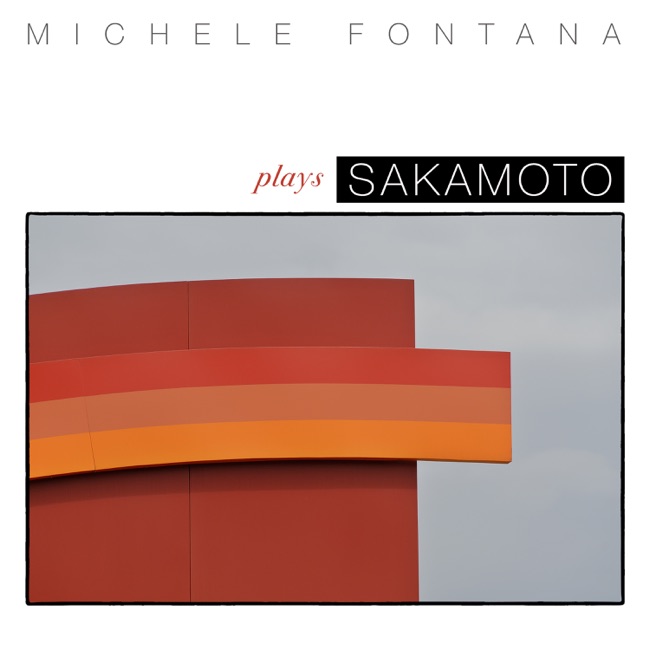 December 6, 2021
 -
 October 16, 2020
Film
-
 March 22, 2019
Chamber
-
 May 22, 2020
 -
 July 7, 2017
 -
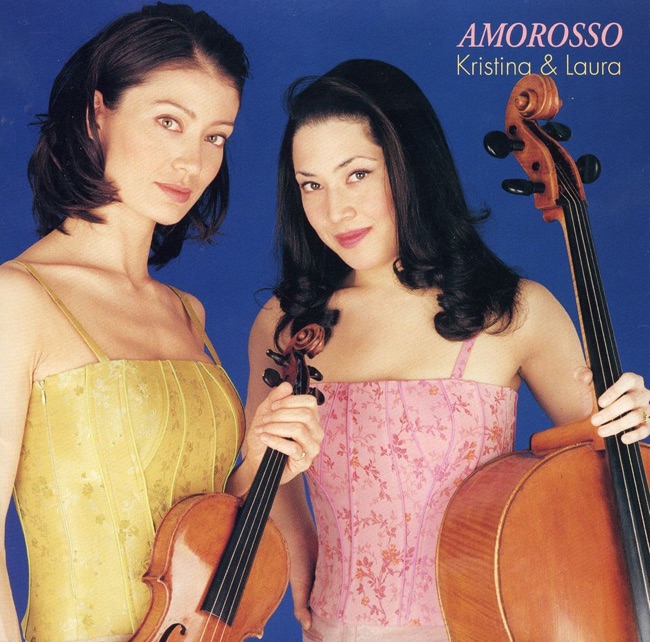 January 29, 2007
Artist Info
Role:Composer ConductorCountry: JapanBirth:January 17, 1952 in Tokyo, JapanGenre:FilmKeyboardRyuichi Sakamoto is a Japanese composer, pianist, and electronic musician who has made significant contributions to the world of classical music. Born on January 17, 1952, in Tokyo, Japan, Sakamoto began his musical journey at a young age. He started playing the piano when he was just three years old and went on to study music at the Tokyo National University of Fine Arts and Music. Sakamoto's early musical influences included classical composers such as Johann Sebastian Bach, Ludwig van Beethoven, and Frédéric Chopin. He was also inspired by the works of contemporary composers such as John Cage and Karlheinz Stockhausen. Sakamoto's interest in electronic music was sparked by the music of German electronic band Kraftwerk. In 1978, Sakamoto formed the electronic music group Yellow Magic Orchestra (YMO) with Haruomi Hosono and Yukihiro Takahashi. The group's unique blend of electronic music and traditional Japanese music quickly gained popularity in Japan and around the world. YMO's music was characterized by its use of synthesizers, drum machines, and other electronic instruments. Sakamoto's solo career began in the early 1980s, and he quickly established himself as a prominent composer and musician. His first solo album, "Thousand Knives," was released in 1978 and featured a mix of electronic and acoustic music. Sakamoto's second solo album, "B-2 Unit," was released in 1980 and featured collaborations with other musicians, including David Sylvian of the band Japan. In 1983, Sakamoto composed the score for the film "Merry Christmas, Mr. Lawrence," which starred David Bowie. The film's theme song, "Forbidden Colours," was a hit in Japan and the UK. Sakamoto's work on the film earned him a BAFTA Award for Best Film Music. Sakamoto's next major project was the score for the 1987 film "The Last Emperor," directed by Bernardo Bertolucci. The score, which featured a mix of traditional Chinese music and Western classical music, won an Academy Award for Best Original Score. Sakamoto's work on the film also earned him a Golden Globe Award and a Grammy Award. In addition to his work in film, Sakamoto has composed music for ballets, operas, and other stage productions. He has also collaborated with a wide range of musicians, including David Byrne, Iggy Pop, and Alva Noto. Sakamoto's music is characterized by its use of electronic and acoustic instruments, as well as its incorporation of traditional Japanese music. His compositions often feature minimalist melodies and rhythms, and he is known for his use of unconventional sounds and textures. In recent years, Sakamoto has become an advocate for environmental causes and has used his music to raise awareness about climate change. He has also been involved in humanitarian efforts, including relief efforts for the 2011 earthquake and tsunami in Japan. Overall, Ryuichi Sakamoto's contributions to the world of classical music have been significant. His unique blend of electronic and acoustic music, as well as his incorporation of traditional Japanese music, has made him a prominent figure in the world of contemporary classical music. His work on film scores has also earned him critical acclaim and numerous awards. Sakamoto's continued dedication to environmental and humanitarian causes further demonstrates his commitment to using his music for positive change.More....
Recent Artist Music



Recommend Playlist











Related Artists
Copyright Ⓒ 2013 Davinci Finger. All rights reseved
Service Terms & Policy