


Bohuslav Martinu
Released Album
Chamber
-
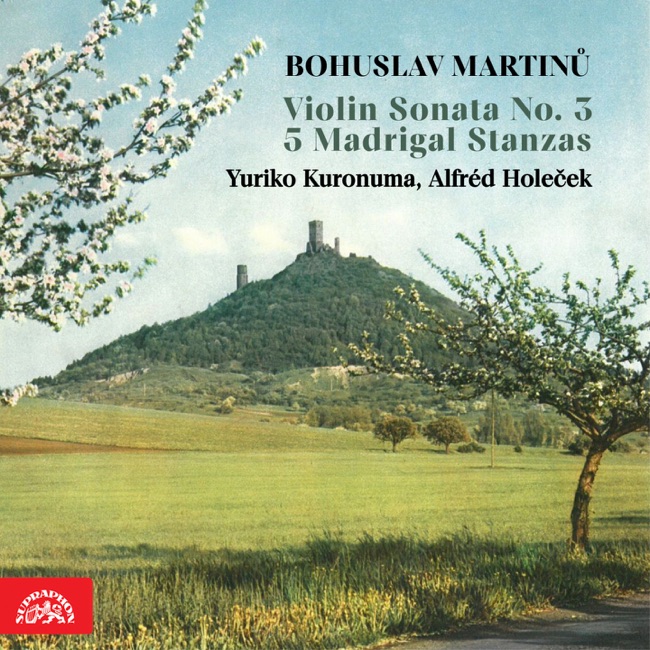 September 6, 2024
 -
 September 6, 2024
 -
 September 6, 2024
 -
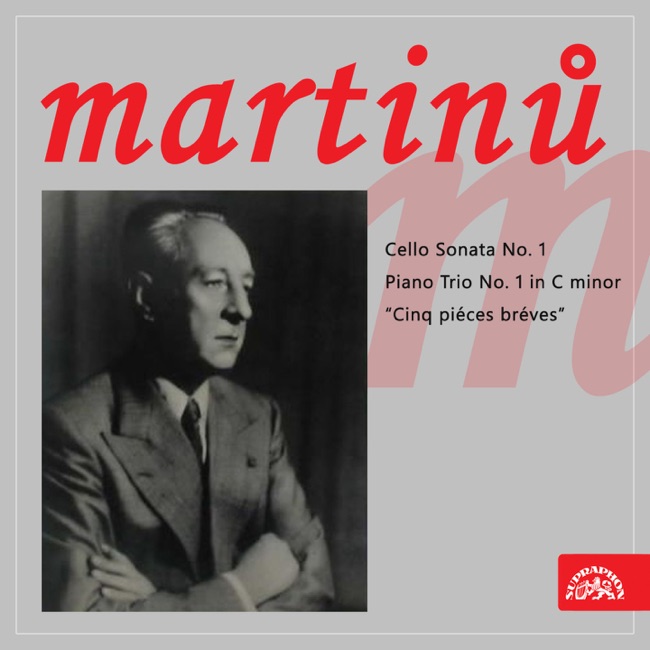
-
 August 16, 2024
 -
 January 31, 2024
Concerto
-
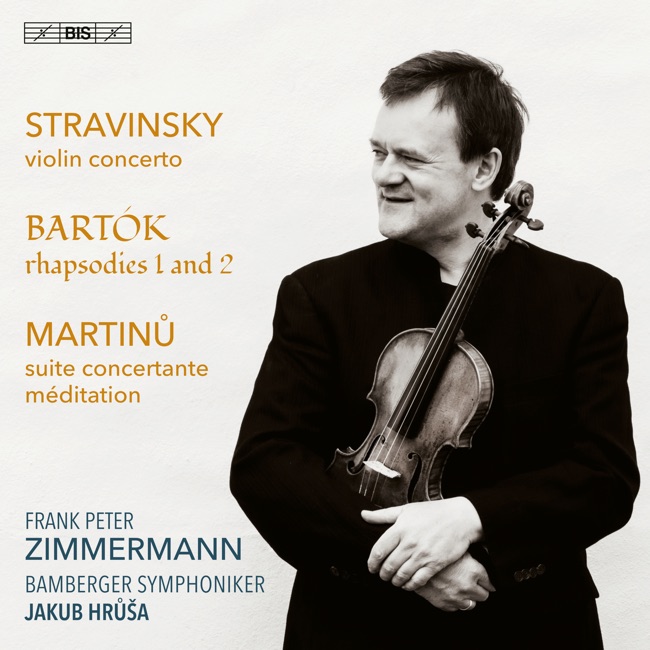
-
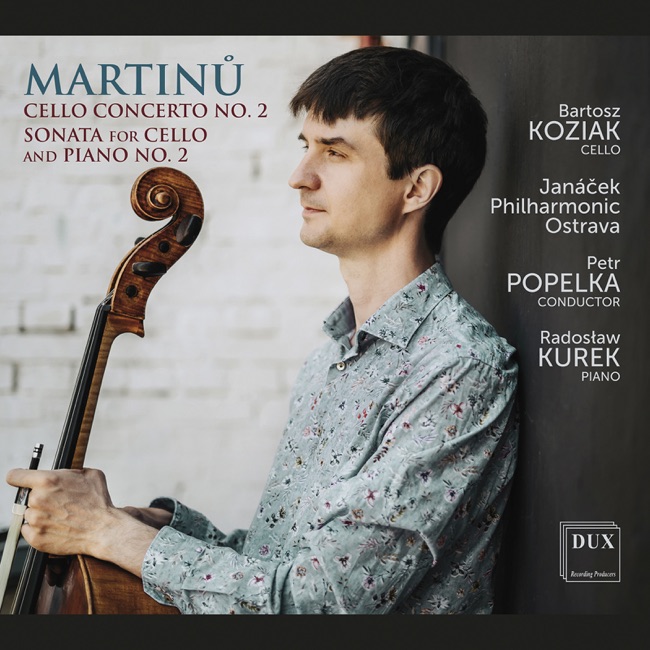 October 21, 2022
 -
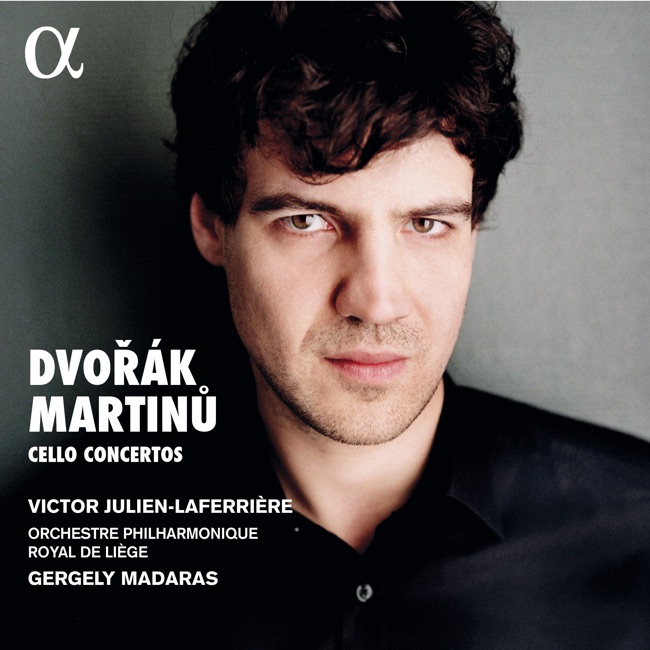 April 23, 2021
 -
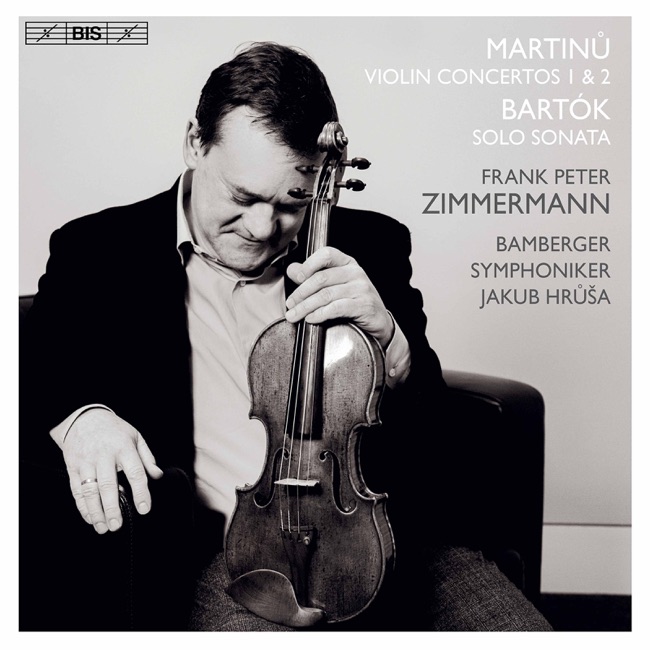 November 6, 2020
 -
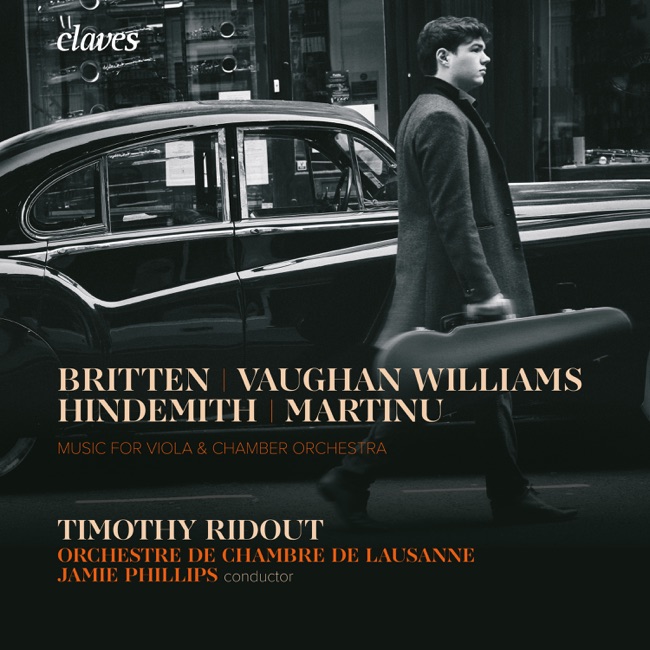
-
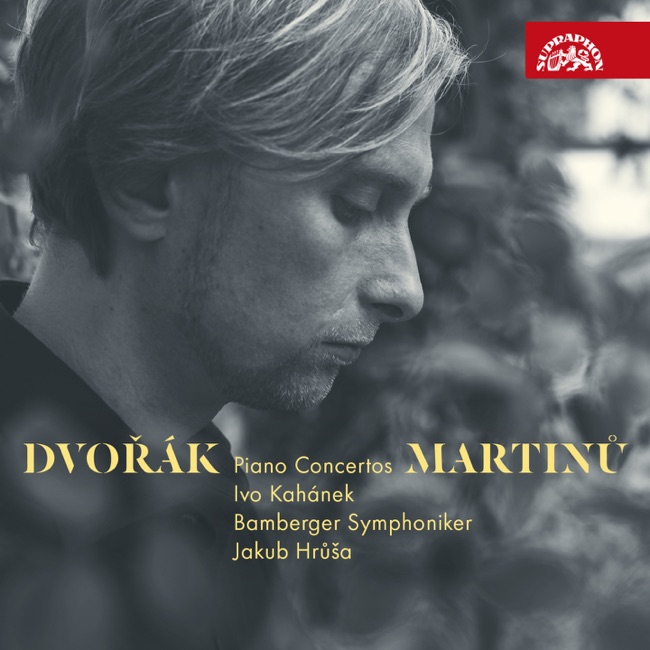 October 4, 2019
Keyboard
-
 September 15, 2023
 -
 July 9, 2021
 -
 November 6, 2020
 -
 May 22, 2020
 -
-
 January 17, 2020
Orchestral
-
 November 8, 2019
 -
 December 29, 2017
 -
 July 7, 2017
 -
 February 26, 2016
 -
 September 3, 2013
 -
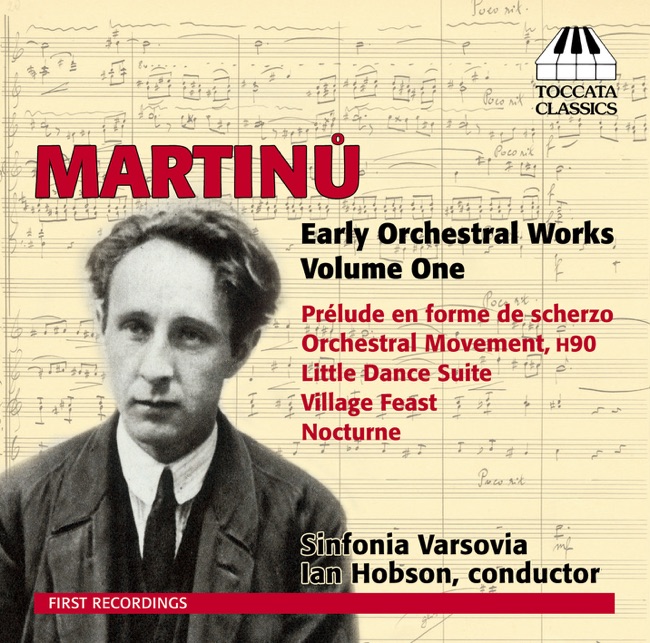 April 1, 2013
Artist Info
Role:ComposerCountry: Czech RepublicBirth:December 8, 1890 in Policka, CzechoslovakiaDeath:August 28, 1959 in Liestal, SwitzerlandPeriod:ContemporaryModernGenre:BalletChamberChoralConcertoKeyboardOperaOrchestralSymphonyVocalBohuslav Martinu was a Czech composer who lived from 1890 to 1959. He was born in Polička, a small town in the eastern part of Bohemia, which is now part of the Czech Republic. Martinu was the youngest of five children, and his family was poor. His father was a shoemaker, and his mother worked as a cook. Martinu showed an early interest in music, and he began playing the violin at the age of six. He later learned to play the piano and the cello. Despite his musical talent, Martinu's parents did not support his interest in music, and they wanted him to become a teacher. However, Martinu was determined to pursue a career in music, and he left home at the age of 16 to study at the Prague Conservatory. At the conservatory, Martinu studied composition with Josef Suk, who was a student of Antonín Dvořák. Martinu was deeply influenced by Dvořák's music, and he later said that Dvořák was his "musical father." Martinu also studied with Vítězslav Novák, who was a leading figure in the Czech music scene at the time. After completing his studies at the conservatory, Martinu worked as a violinist in the Czech Philharmonic Orchestra. However, he soon became disillusioned with the orchestra, and he left to pursue a career as a freelance composer. Martinu struggled to make a living as a composer, and he often had to rely on the support of friends and patrons. Despite these difficulties, Martinu continued to compose, and he developed a distinctive style that blended elements of Czech folk music with modernist techniques. His early works, such as the String Quartet No. 1 and the Piano Trio No. 2, were well received by critics, and they established Martinu as a rising star in the Czech music scene. In 1923, Martinu moved to Paris, where he hoped to find more opportunities as a composer. He quickly became part of the city's vibrant artistic community, and he befriended many of the leading figures in the French music scene, including Arthur Honegger, Darius Milhaud, and Francis Poulenc. During his time in Paris, Martinu continued to develop his style, and he began to incorporate elements of jazz and other popular music into his compositions. His works from this period, such as the ballet La Revue de Cuisine and the Concerto for Harpsichord and Small Orchestra, are characterized by their rhythmic vitality and playful spirit. In 1940, Martinu fled Paris ahead of the German occupation, and he eventually settled in the United States. He spent the rest of his life in America, and he became a naturalized citizen in 1952. Despite the upheaval of his life during this period, Martinu continued to compose prolifically, and he produced some of his most important works during his American years. These include the Symphony No. 6, which is considered one of his masterpieces, and the Double Concerto for Two String Orchestras, Piano, and Timpani. Martinu's music is characterized by its lyricism, its rhythmic vitality, and its inventive use of harmony and counterpoint. He was deeply influenced by the music of his native Czech Republic, as well as by the modernist movements of his time. His works often blend elements of folk music with avant-garde techniques, creating a unique and distinctive sound. Today, Martinu is recognized as one of the most important Czech composers of the 20th century.More....
Recent Artist Music
8
3:21
10
4:0
13
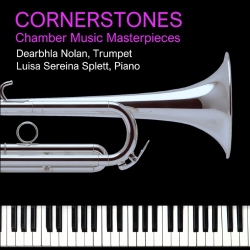
7:46
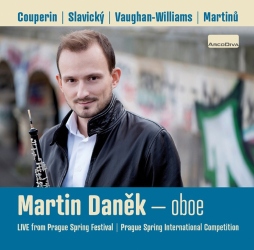
15
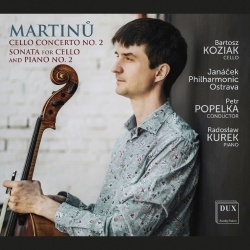
6:51
Works Highlight




Related Artists
Copyright Ⓒ 2013 Davinci Finger. All rights reseved
Service Terms & Policy