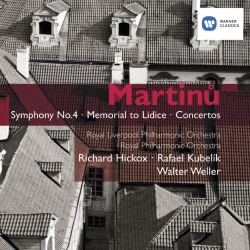
Bohuslav Martinu
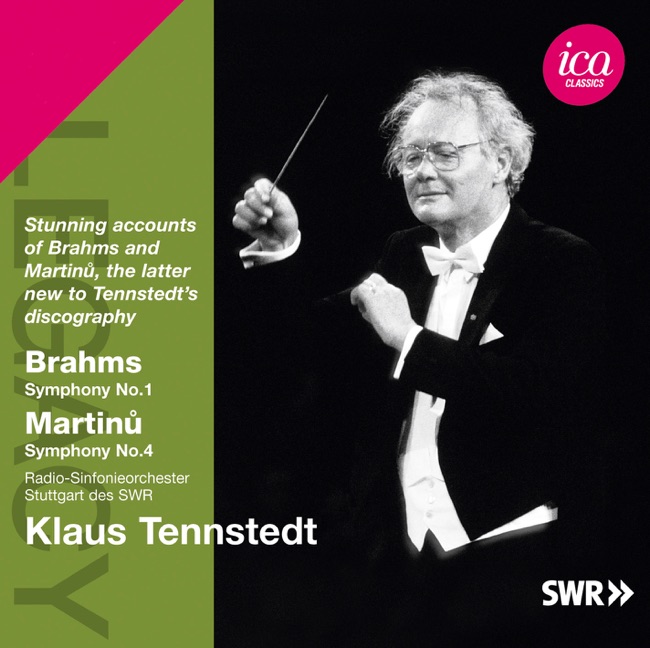
Symphony No. 4, H. 305
Released Album
Recent Album
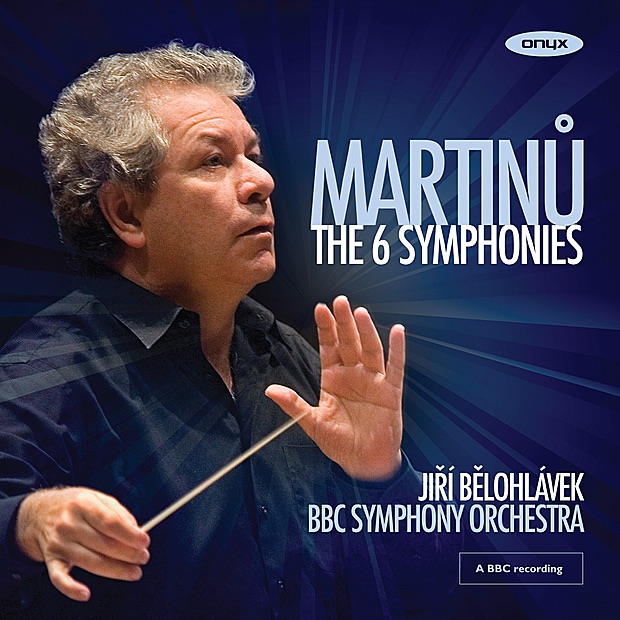
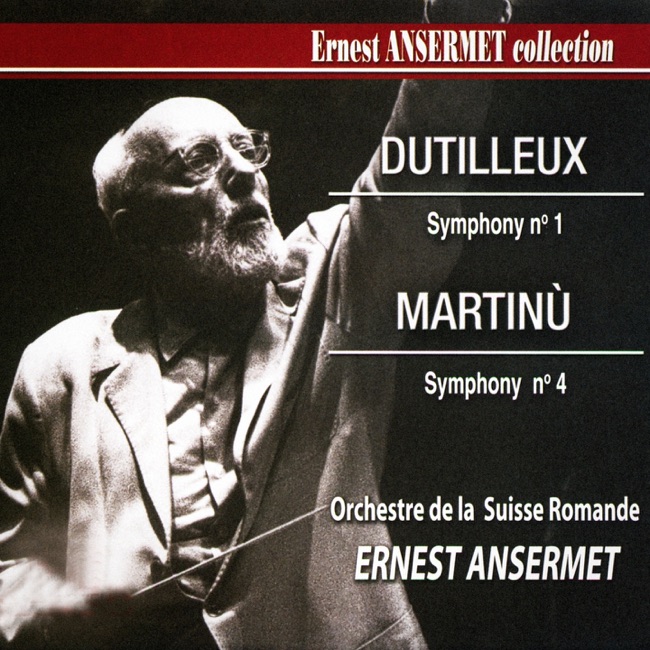
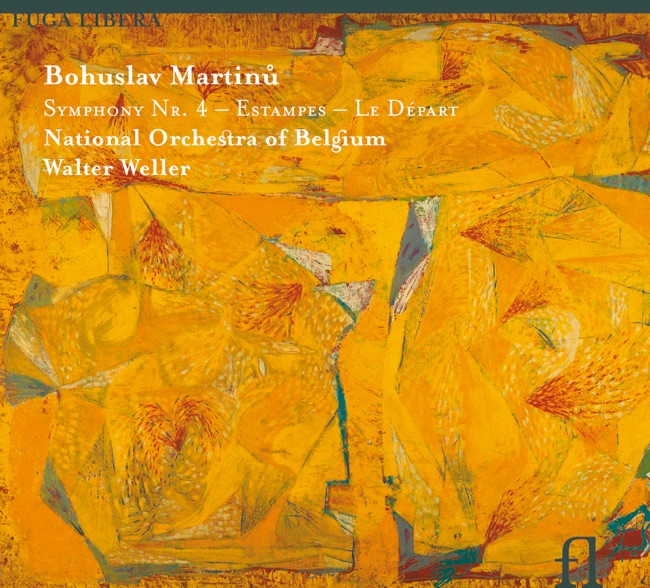
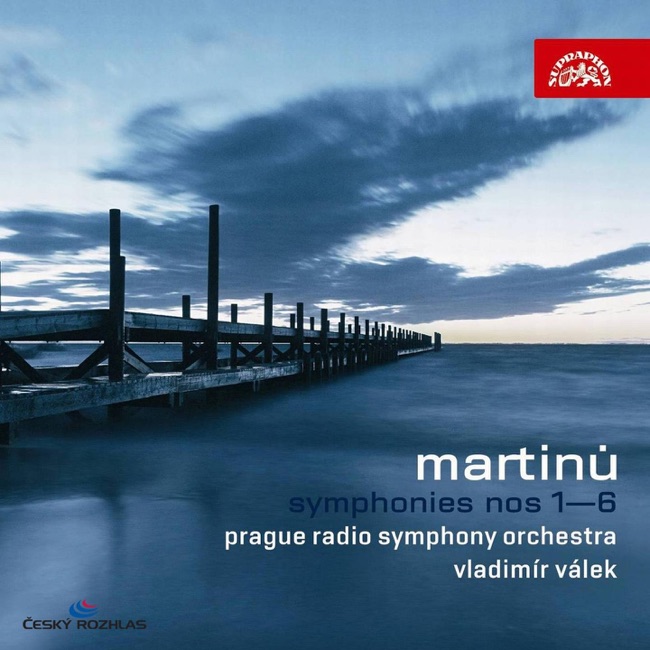
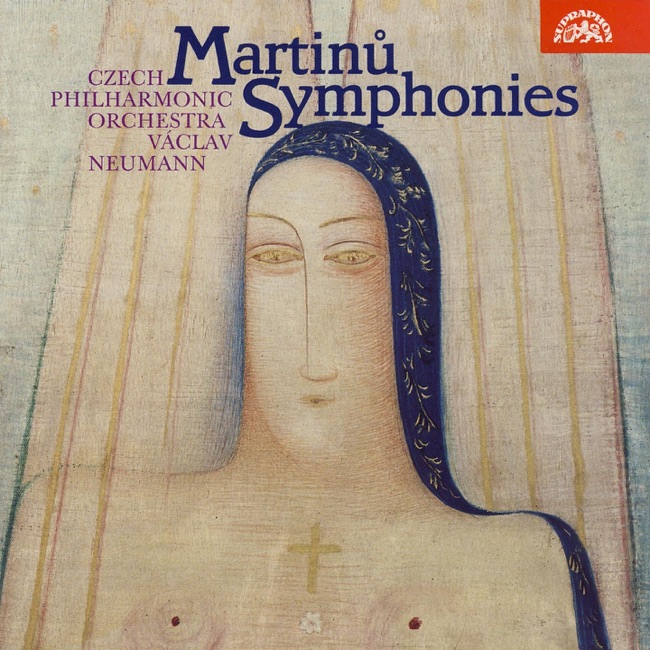
Featured Album
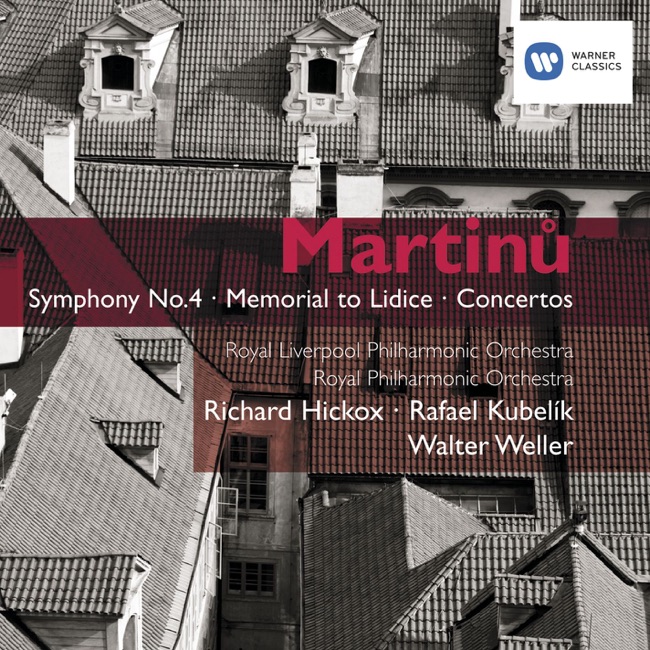
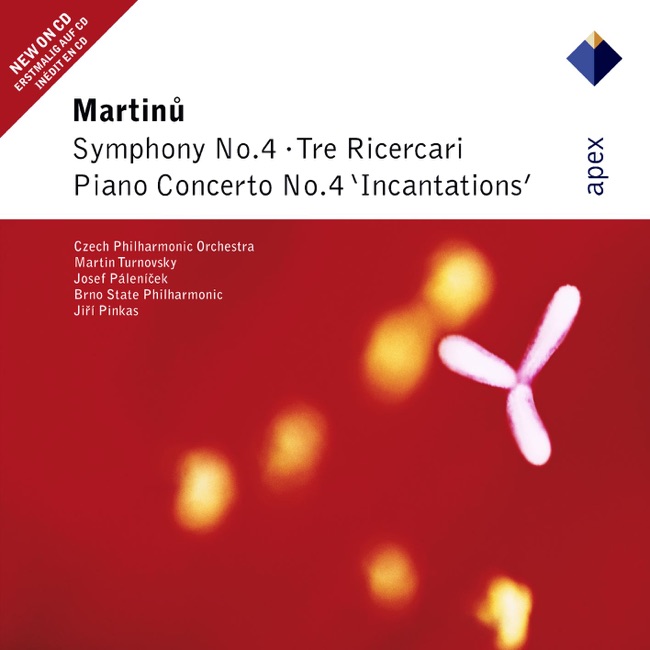
Works Info
Composer:Bohuslav MartinuGenre:SymphonyStyle:SymphonyCompose Date:Apr 1, 1945 - Jun 14, 1945Publication Date:1950First Performance:Nov 30, 1945Average_duration:33:18Movement_count:4Movement ....Bohuslav Martinu's Symphony No. 4, H. 305, was composed in 1945 during his time in the United States. The symphony premiered on October 18, 1945, in Boston, Massachusetts, with the Boston Symphony Orchestra conducted by Serge Koussevitzky. The symphony is divided into three movements. The first movement, marked Allegro, begins with a lively and rhythmic theme in the strings. The theme is then passed on to the woodwinds and brass, creating a sense of excitement and energy. The second theme is more lyrical and is introduced by the oboe. The movement is characterized by its use of syncopation and shifting meters, creating a sense of unpredictability and restlessness. The second movement, marked Andante moderato, is more introspective and contemplative. The movement begins with a solo horn melody, which is then taken up by the strings. The movement is characterized by its use of lush harmonies and long, flowing melodies. The middle section of the movement features a solo violin, which leads into a more intense and dramatic section. The movement ends with a return to the opening horn melody, which fades away into silence. The final movement, marked Allegro, is a lively and energetic dance. The movement begins with a fast and rhythmic theme in the strings, which is then taken up by the woodwinds and brass. The middle section of the movement features a slower and more lyrical theme, which is then developed into a faster and more intense section. The movement ends with a return to the opening theme, which is played with even greater energy and excitement. Overall, Martinu's Symphony No. 4 is characterized by its use of shifting meters, syncopation, and unpredictable rhythms. The symphony also features lush harmonies and long, flowing melodies, creating a sense of introspection and contemplation. The final movement, with its energetic dance rhythms, provides a sense of joy and celebration.More....
Works Music
Released Music
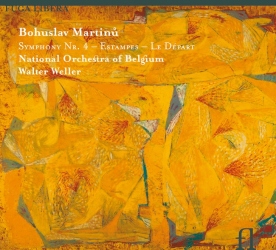
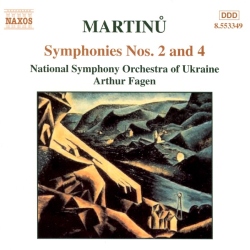
Featured Music
3
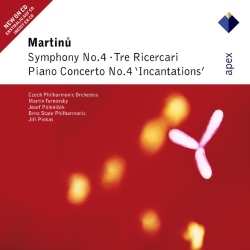
9:42