


Henri Pousseur
Released Album
Chamber
-
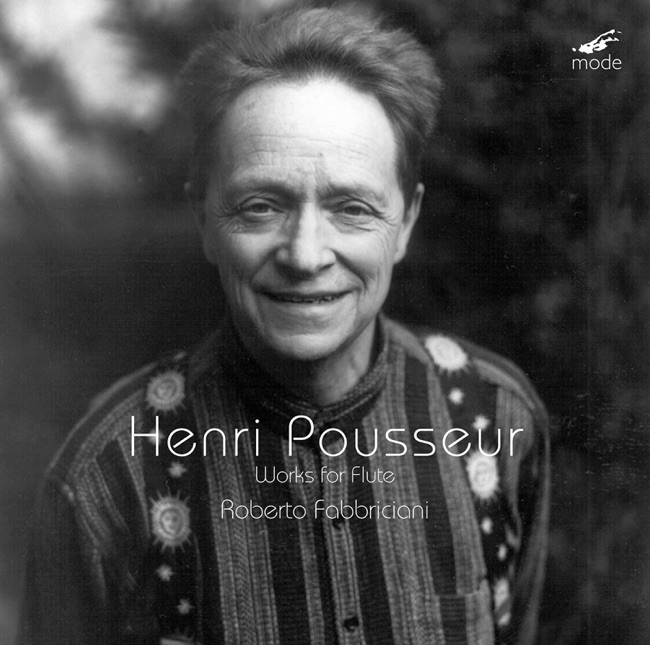 January 31, 2020
 -
-
 January 18, 2013
 -
 November 30, 2010
 -
 September 16, 2008
 -
 September 5, 2005
Keyboard
-
 October 2, 2020
Electronic/Computer
-
 May 10, 2011
 -
 January 4, 2005
Vocal
-
 December 10, 2021
 -
 November 9, 2018
Artist Info
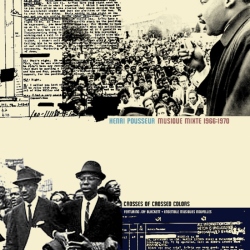
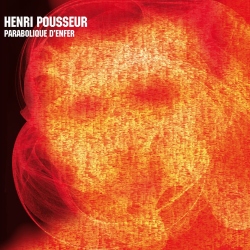
Role:Composer ConductorCountry: BelgiumBirth:June 23, 1929 in Malmédy, BelgiumDeath:2009Genre:Avant-GardeChamberElectronic/ComputerHenri Pousseur was a Belgian composer, born on June 23, 1929, in Malmedy, Belgium. He was a prominent figure in the European avant-garde music scene of the 20th century, known for his innovative approach to composition and his contributions to the development of electronic music. Pousseur's interest in music began at a young age, and he began studying piano and music theory at the age of six. He later studied composition at the Royal Conservatory of Brussels, where he was a student of André Souris. During this time, Pousseur was also exposed to the works of contemporary composers such as Pierre Boulez and Karlheinz Stockhausen, who would have a significant influence on his own compositions. In the early 1950s, Pousseur became involved with the avant-garde music scene in Cologne, Germany, where he worked with Stockhausen and other composers associated with the Darmstadt School. It was during this time that Pousseur began experimenting with electronic music, using tape recorders and other electronic equipment to create new sounds and textures. One of Pousseur's most significant works from this period is his "Mobile," a composition for seven instruments and tape that was first performed in 1959. The piece is notable for its use of chance operations, with the performers improvising within a set of predetermined parameters. This approach to composition would become a hallmark of Pousseur's work, as he continued to explore the boundaries between improvisation and composition throughout his career. In the 1960s, Pousseur began teaching at the University of Liège in Belgium, where he would remain for the rest of his career. During this time, he continued to experiment with electronic music, and he also became interested in the use of text and language in his compositions. One of Pousseur's most famous works from this period is his "Voir Dire," a composition for six voices and tape that was first performed in 1968. The piece is based on a text by Samuel Beckett, and it explores the relationship between language and music, with the performers reciting the text in a rhythmic and musical manner. Pousseur's interest in language and text would also lead him to collaborate with writers and poets, including James Joyce and Henri Michaux. In 1970, he composed "Parabolique d'Enfer," a piece for voice and tape based on a text by Michaux. Throughout the 1970s and 1980s, Pousseur continued to explore new approaches to composition, incorporating elements of jazz, rock, and other popular music genres into his work. He also continued to experiment with electronic music, and he became interested in the use of computer technology in music composition. One of Pousseur's most significant works from this period is his "Crosses of Crossed Colors," a composition for orchestra and tape that was first performed in 1982. The piece is notable for its use of computer-generated sounds, which are combined with live orchestral music to create a complex and layered sonic landscape. Pousseur's contributions to the development of electronic music and his innovative approach to composition have had a significant impact on the contemporary music scene. He was a prolific composer, with over 200 works to his name, and his influence can be heard in the work of many contemporary composers. Henri Pousseur passed away on March 6, 2009, in Brussels, Belgium.More....
Recent Artist Music
6
18:51


Copyright Ⓒ 2013 Davinci Finger. All rights reseved
Service Terms & Policy