


Steve Reich
Released Album
Chamber
-
 September 1, 2023
 -
 June 13, 2023
 -
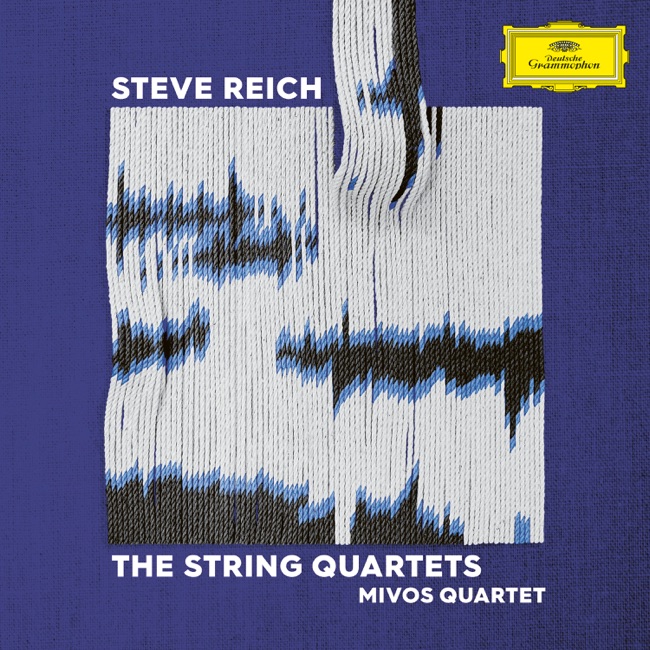 February 3, 2023
 -
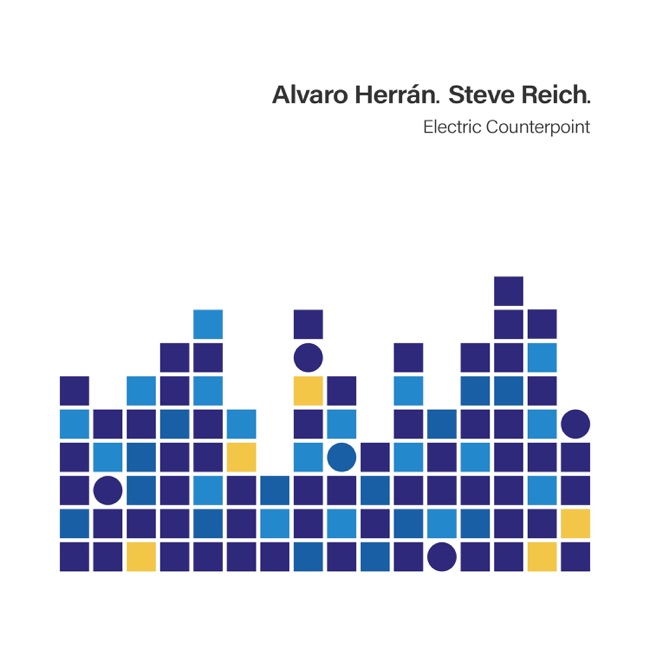 December 27, 2022
 -
 December 16, 2022
 -

Vocal
-
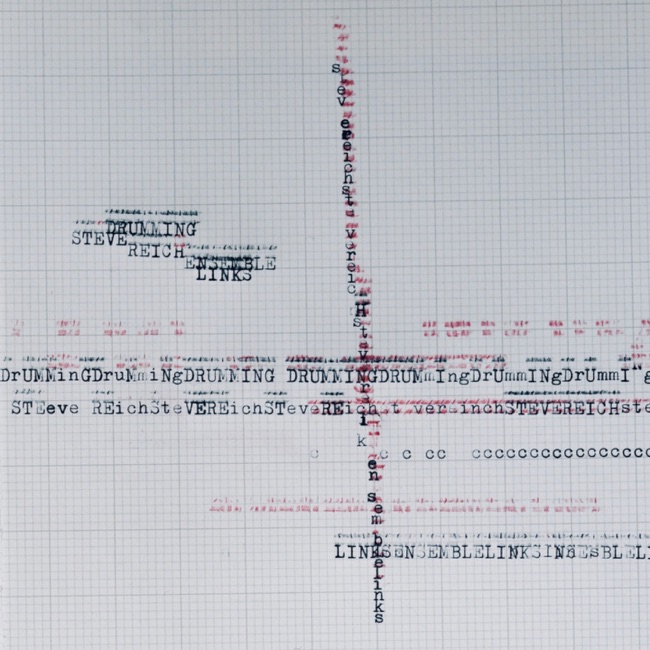 March 10, 2023
 -

-
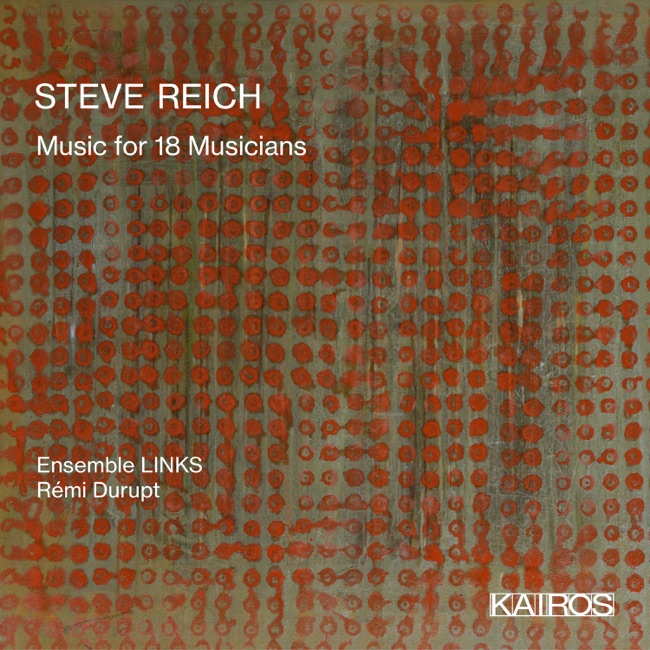 November 6, 2020
 -
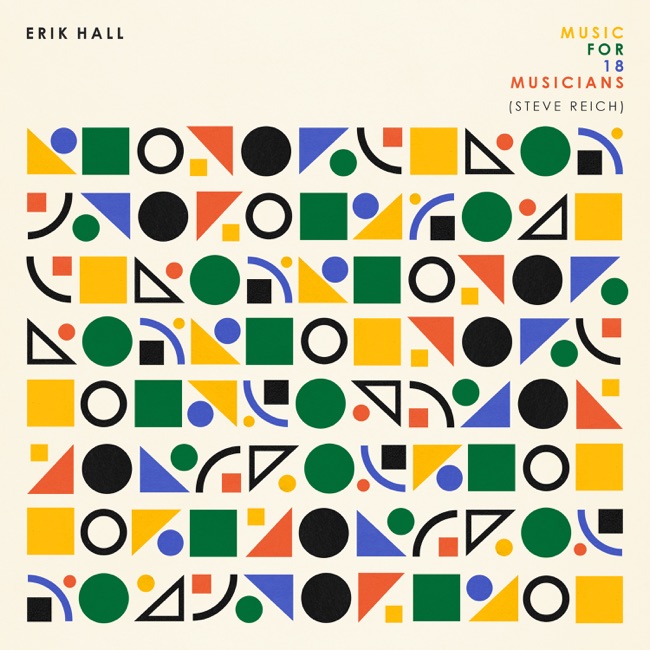 May 8, 2020
 -
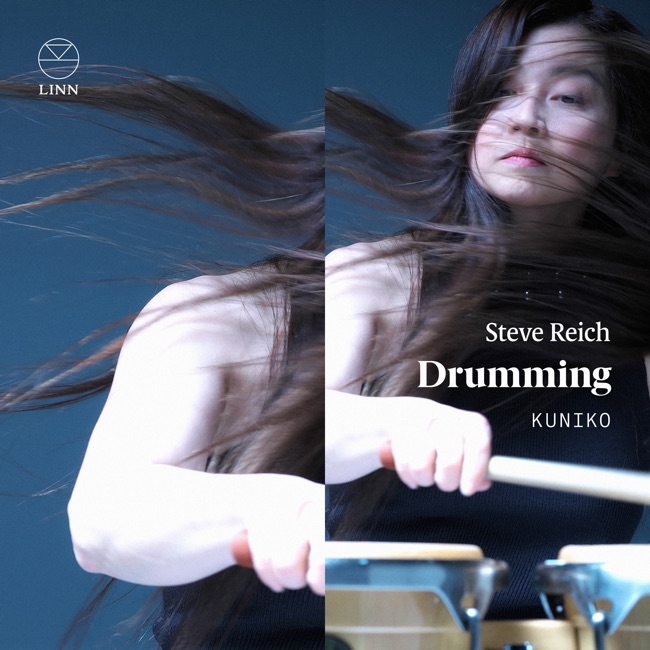 October 12, 2018
 -
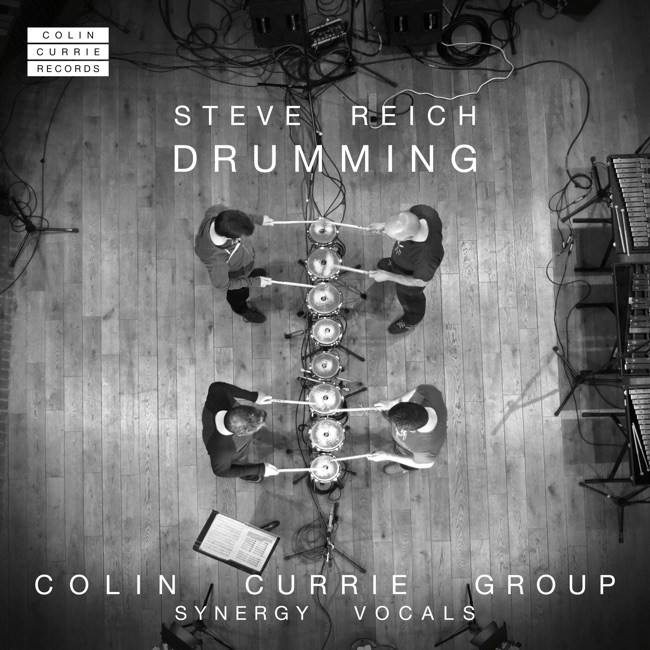 March 9, 2018
Keyboard
-
 May 22, 2020
 -
 June 17, 2019
 -
 November 11, 2016
 -
-
 September 25, 2015
 -
 August 10, 2010
Concerto
-
 October 26, 2018
 -
 February 5, 2016
Artist Info
Role:Composer ConductorCountry: United States of AmericaBirth:October 3, 1936 in New York City, NYPeriod:ContemporaryGenre:Avant-GardeChamberVocalSteve Reich is an American composer who is widely regarded as one of the most influential figures in contemporary classical music. Born on October 3, 1936, in New York City, Reich grew up in a musical family. His father, William Reich, was a lawyer and a composer, while his mother, Barbara Reich, was a singer and a pianist. From an early age, Reich showed a keen interest in music, and he began studying the piano when he was just five years old. Reich's musical education continued throughout his childhood and adolescence. He attended the Walden School, a summer music camp in New Hampshire, where he studied composition with the renowned composer and music educator Aaron Copland. He also studied at Cornell University, where he earned a degree in philosophy in 1957. After graduating, Reich moved to California to study composition with the avant-garde composer and theorist Luciano Berio at Mills College in Oakland. Reich's early works were heavily influenced by the minimalist movement that emerged in the 1960s. Minimalism was characterized by a focus on simple, repetitive patterns and a rejection of traditional musical structures. Reich's breakthrough work was "It's Gonna Rain," a piece for tape that he composed in 1965. The piece consists of a recording of a Pentecostal preacher named Brother Walter speaking in tongues, which Reich manipulated and looped to create a hypnotic, rhythmic pattern. In the years that followed, Reich continued to explore the possibilities of repetition and pattern in his music. He developed a technique called "phasing," in which two or more identical musical patterns are played simultaneously, but one pattern gradually shifts out of phase with the other, creating a constantly evolving texture. This technique is used in many of Reich's most famous works, including "Piano Phase" (1967), "Violin Phase" (1967), and "Drumming" (1971). Reich's music has been performed by some of the world's leading orchestras and ensembles, including the New York Philharmonic, the London Symphony Orchestra, and the Kronos Quartet. He has also collaborated with a wide range of artists from other disciplines, including the choreographer Anne Teresa De Keersmaeker, the video artist Beryl Korot, and the rock musician Jonny Greenwood of Radiohead. One of Reich's most famous works is "Music for 18 Musicians," which he composed between 1974 and 1976. The piece is scored for a large ensemble of instruments, including pianos, marimbas, xylophones, and voices, and it is characterized by its intricate interlocking rhythms and shimmering harmonies. "Music for 18 Musicians" has been described as a masterpiece of minimalism, and it has been performed and recorded by numerous ensembles around the world. Another notable work by Reich is "Different Trains," a piece for string quartet and tape that he composed in 1988. The piece is based on Reich's childhood memories of traveling on trains between New York and California in the 1940s, as well as his later reflections on the Holocaust and the role that trains played in transporting Jews to concentration camps. The piece juxtaposes recordings of train whistles and the voices of Holocaust survivors with live performances by the string quartet, creating a powerful and haunting meditation on memory and history. In addition to his work as a composer, Reich has also been a prominent advocate for contemporary classical music.More....
Recent Artist Music
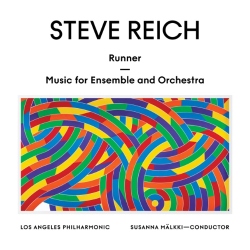
4

14:45





Recommend Playlist














Related Artists
Copyright Ⓒ 2013 Davinci Finger. All rights reseved
Service Terms & Policy