


Harry Partch
Released Album
Vocal
-
 June 7, 2019
 -
 October 26, 2004
 -
 January 1, 2004
 -
 May 27, 2003
 -
 November 12, 2002
 -
 March 19, 2002
Chamber
-
 August 19, 2003
 -
 September 16, 1997
 -
 January 1, 1996
 -
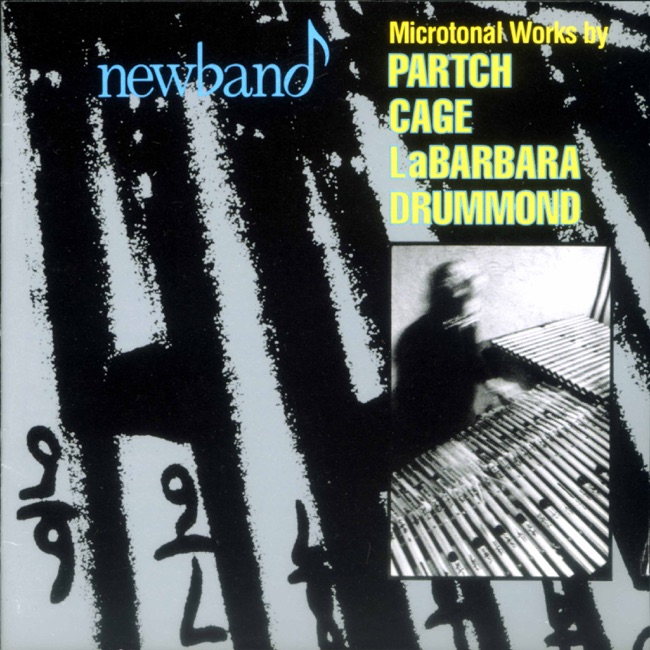 January 30, 1995
Ballet
-
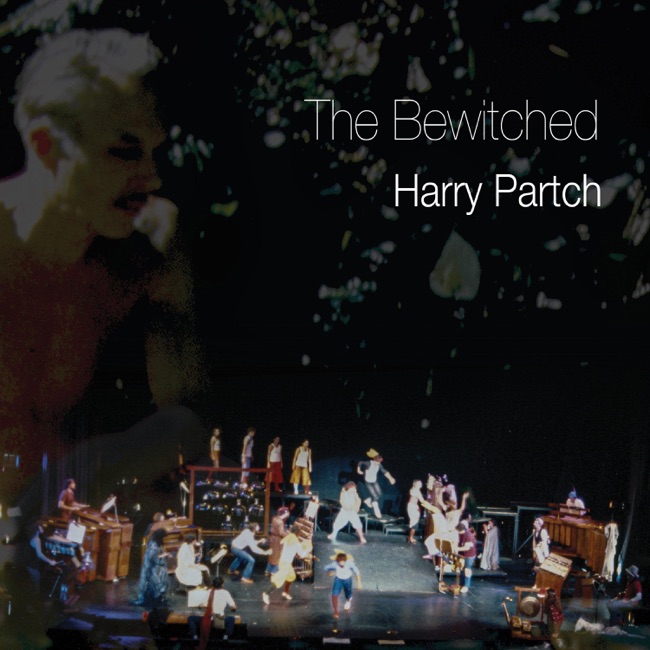 April 16, 2021
 -
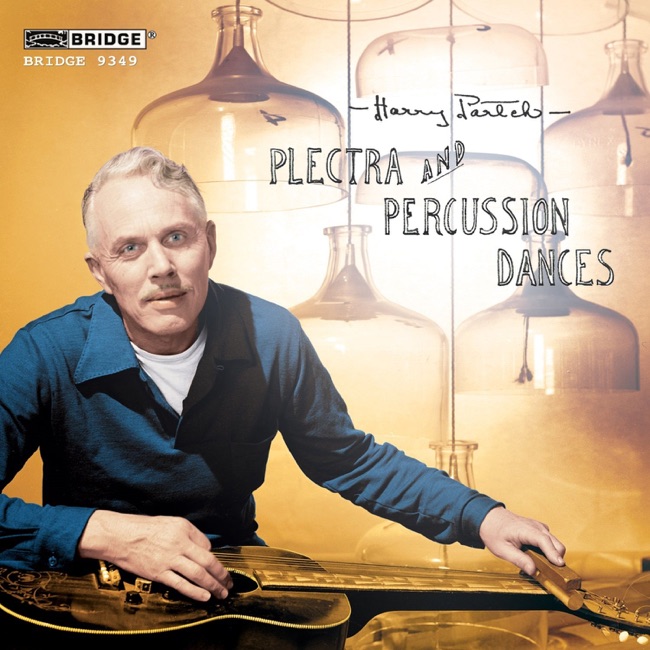 August 12, 2014
 -
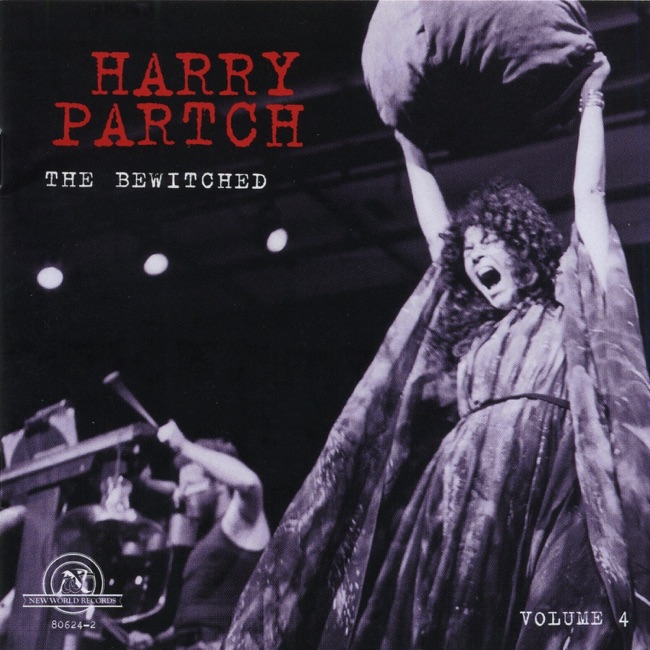 April 26, 2005
Opera
-
-
-
 November 30, 1999
Artist Info
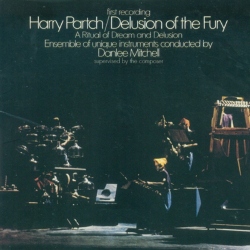
Role:Composer Conductor PerformerCountry: United States of AmericaBirth:June 24, 1901 in Oakland, CADeath:September 3, 1974 in San Diego, CAPeriod:ContemporaryModernGenre:Avant-GardeBalletChamberVocalHarry Partch was an American composer and music theorist who is known for his unique approach to music composition. He was born on June 24, 1901, in Oakland, California, and grew up in a musical family. His mother was a pianist, and his father was a Presbyterian minister who played the organ. Partch showed an early interest in music and began playing the piano at a young age. Partch's formal music education began at the University of Southern California, where he studied composition with composer and music theorist H. H. Huss. However, he was dissatisfied with the traditional Western music theory and began to explore alternative tuning systems. He left USC after two years and began to travel around the United States, studying various musical traditions and experimenting with different tuning systems. In the 1930s, Partch began to develop his own unique tuning system, which he called "just intonation." This system was based on the natural harmonic series and allowed for more complex and varied harmonies than the traditional Western tuning system. Partch also began to build his own musical instruments, which he called "intonation devices." These instruments were designed to play in his just intonation system and were often made from found objects such as hubcaps, glass bottles, and even a kitchen sink. Partch's first major work was "The Letter," a one-act play with music that he wrote in 1943. The play tells the story of a man who receives a letter from his estranged wife and reflects on their failed marriage. The music for the play was performed on Partch's intonation devices and featured his unique tuning system. "The Letter" was well-received and helped to establish Partch as a major figure in the American avant-garde music scene. In the following years, Partch continued to compose and perform music using his intonation devices. He wrote several large-scale works, including "Plectra and Percussion Dances" (1952) and "Delusion of the Fury" (1969). These works featured complex rhythms and harmonies that were made possible by Partch's just intonation system. Partch also wrote several books on music theory, including "Genesis of a Music" (1949) and "The Music of Harry Partch" (1979). Partch's music was often controversial and polarizing. Some critics praised his innovative approach to music composition, while others dismissed it as gimmicky and unlistenable. However, Partch's influence on the American avant-garde music scene cannot be overstated. His unique tuning system and intonation devices inspired many other composers to explore alternative tuning systems and unconventional instruments. Partch died on September 3, 1974, in San Diego, California. His legacy lives on through his music and his influence on the American avant-garde music scene. Today, his intonation devices are housed at the Harry Partch Institute at the University of Washington, where they are used for performances and research. Partch's music continues to inspire and challenge musicians and audiences alike, and his contributions to the world of music will not be forgotten.More....
Recent Artist Music
1
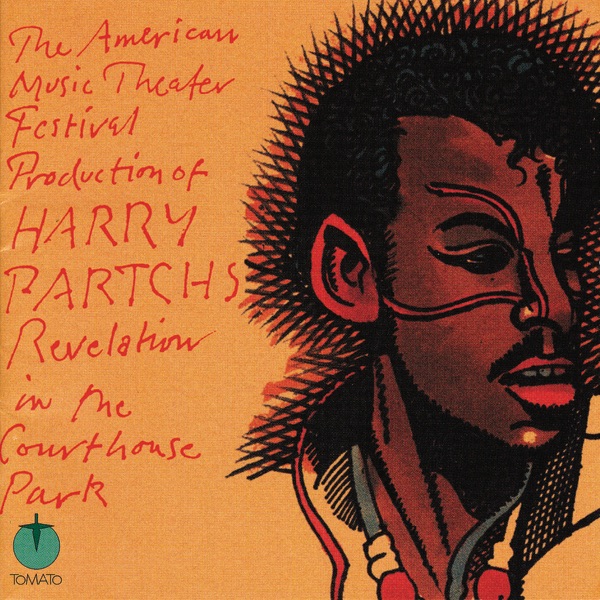
Revelation in the Courthouse Park
Chorus One. Late Afternoon at the Courthouse Park. 1. Park Prologue / 2. Fanfare and March / 3. For
11:57

8
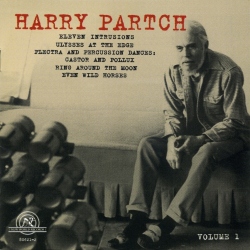
Ring Around the Moon
Phase Four. Mumbo jumbo, hocus pocus, hoity toity, hotsy totsy, acey deucy, hoochy-koochy (Look out
1:31
9
35:50
14
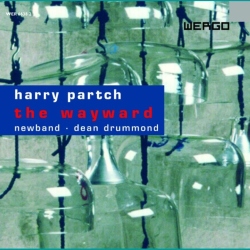
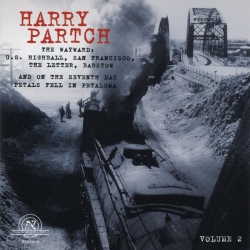
The Wayward
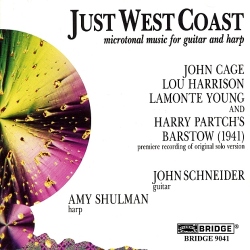
Barstow. Eight Hitchhiker Inscriptions from a Highway Railing at Barstow, California
9:56
Copyright Ⓒ 2013 Davinci Finger. All rights reseved
Service Terms & Policy