


Edmund Niemann
Released Album
Chamber
-
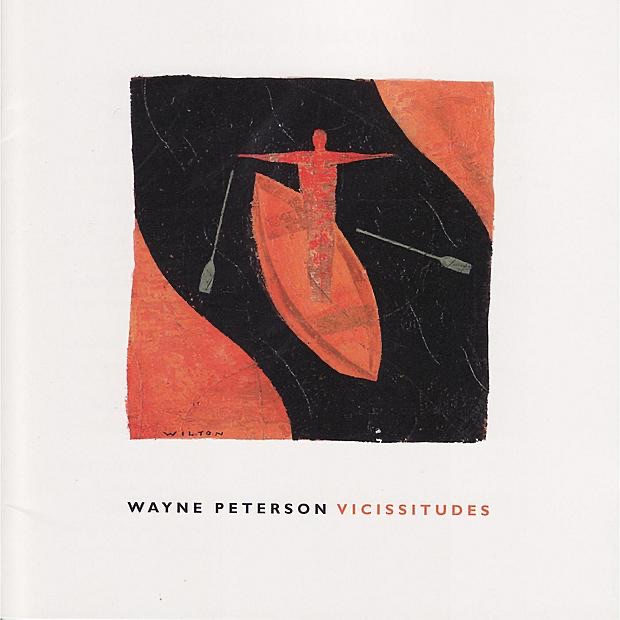 March 13, 2007
 -
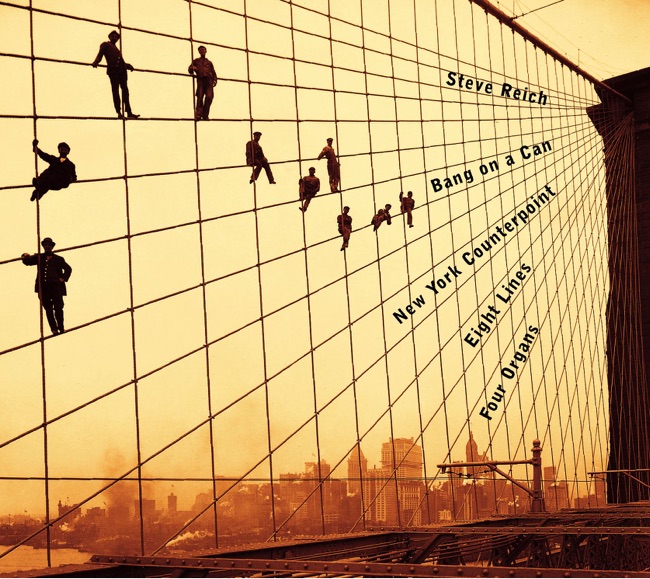 April 25, 2000
 -
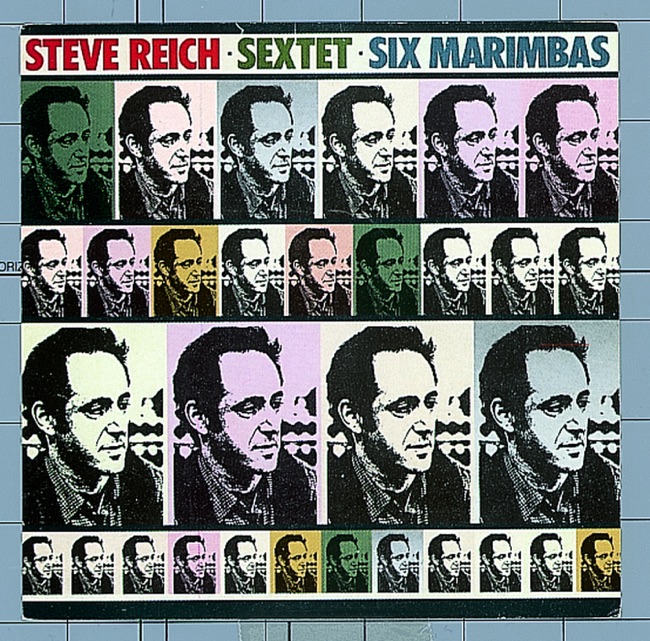 May 28, 1992
 -
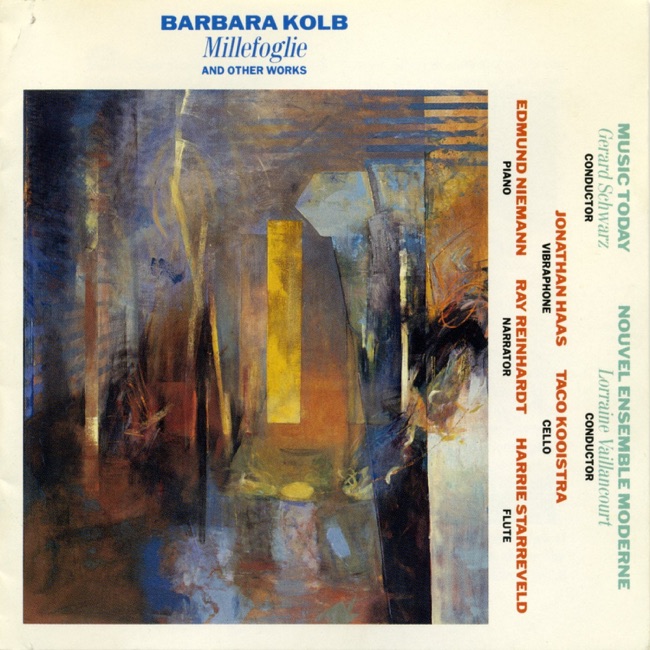 March, 1992
Keyboard
-
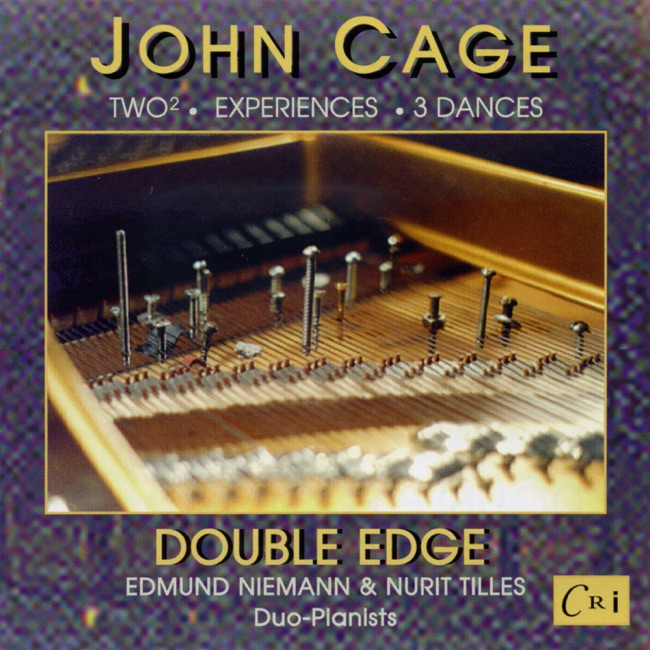 May 20, 1997
 -
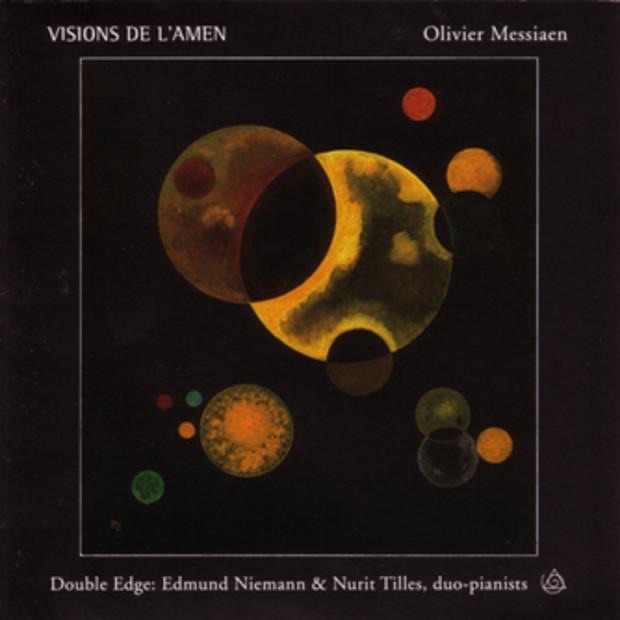 April 5, 1994
Vocal
-
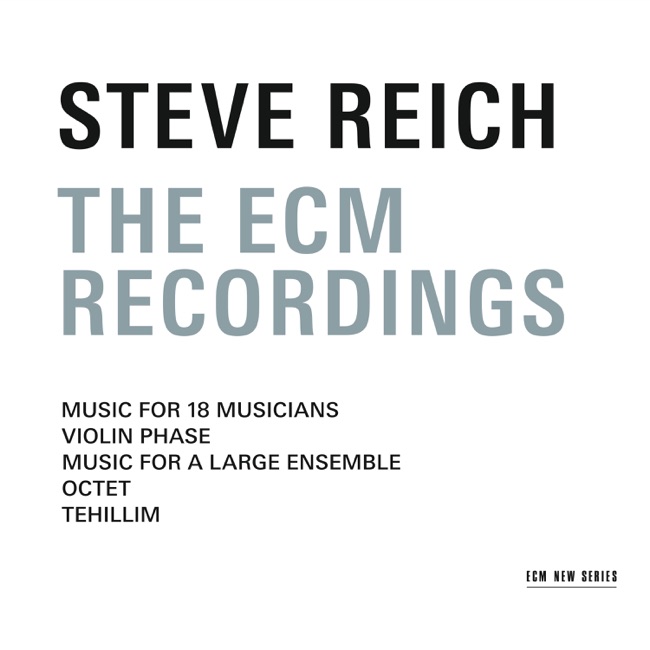 September 30, 2016
 -
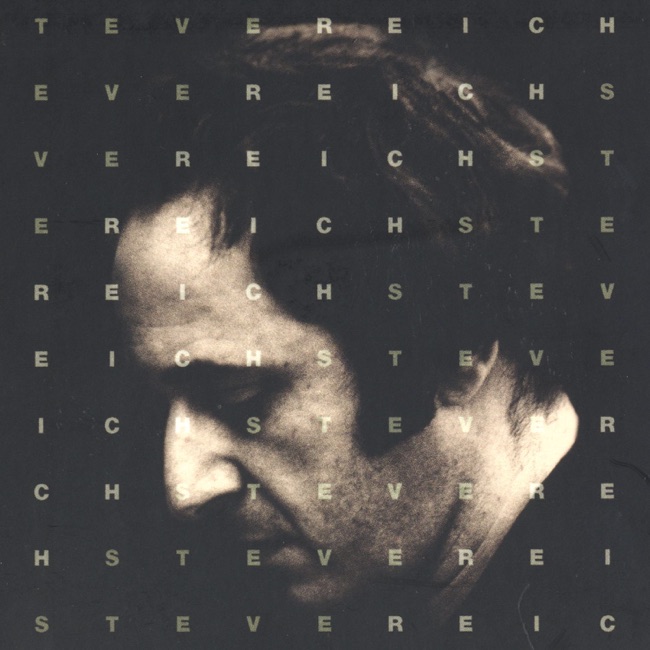 June 3, 1997
Orchestral
Artist Info
Genre:ChamberKeyboardVocalEdmund Niemann is a renowned classical music artist who has made significant contributions to the world of music. Born on August 22, 1946, in New York City, Niemann grew up in a family that valued music. His father was a pianist, and his mother was a singer, which exposed him to music at an early age. Niemann started playing the piano when he was six years old, and by the time he was a teenager, he had already developed a passion for classical music. Niemann attended the Juilliard School of Music, where he studied under the tutelage of Rosina Lhevinne, a renowned pianist and teacher. He graduated with a Bachelor of Music degree in 1968 and went on to pursue a Master of Music degree at the same institution. During his time at Juilliard, Niemann won several awards, including the Gina Bachauer Scholarship and the William Petschek Piano Scholarship. After completing his studies, Niemann embarked on a career as a concert pianist, performing in various venues across the United States and Europe. He made his debut at the Lincoln Center in New York City in 1970, where he performed Beethoven's Piano Concerto No. 4 with the Juilliard Orchestra. The performance was well-received, and it marked the beginning of Niemann's successful career as a concert pianist. Over the years, Niemann has performed with some of the world's leading orchestras, including the New York Philharmonic, the Boston Symphony Orchestra, and the London Symphony Orchestra. He has also collaborated with many renowned conductors, such as Leonard Bernstein, Zubin Mehta, and Seiji Ozawa. One of Niemann's most significant achievements was his collaboration with the composer George Crumb. In 1971, Niemann premiered Crumb's "Makrokosmos, Volume I" at the Library of Congress in Washington, D.C. The piece was a critical success, and it established Niemann as a leading interpreter of contemporary music. Niemann went on to perform and record several other works by Crumb, including "Makrokosmos, Volume II" and "Vox Balaenae." Niemann has also been a dedicated teacher throughout his career. He has taught at several institutions, including the Manhattan School of Music, the Juilliard School, and the University of California, San Diego. Many of his students have gone on to have successful careers as pianists and musicians. In addition to his performances and teaching, Niemann has also been involved in several recordings. He has recorded works by Beethoven, Chopin, Debussy, and many other composers. His recordings have received critical acclaim and have won several awards, including a Grammy Award for Best Chamber Music Performance in 1986. Throughout his career, Niemann has received numerous awards and honors. In 1980, he was awarded the Avery Fisher Career Grant, which recognizes outstanding young musicians. He was also awarded the Charles Ives Prize by the American Academy and Institute of Arts and Letters in 1982. In 2016, Niemann was awarded the Lifetime Achievement Award by the American Academy of Arts and Letters. In conclusion, Edmund Niemann is a highly accomplished classical music artist who has made significant contributions to the world of music. His performances, recordings, and teaching have inspired many young musicians, and his dedication to contemporary music has helped to expand the boundaries of classical music. Niemann's legacy will continue to inspire future generations of musicians and music lovers.More....
Recent Artist Music
11

5:3




Copyright Ⓒ 2013 Davinci Finger. All rights reseved
Service Terms & Policy