


Wayne Peterson
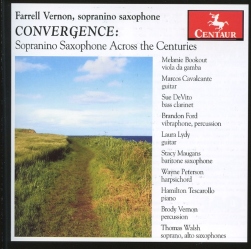
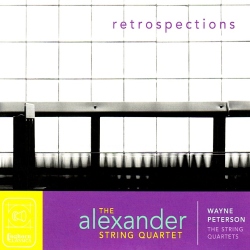
Released Album
Chamber
-
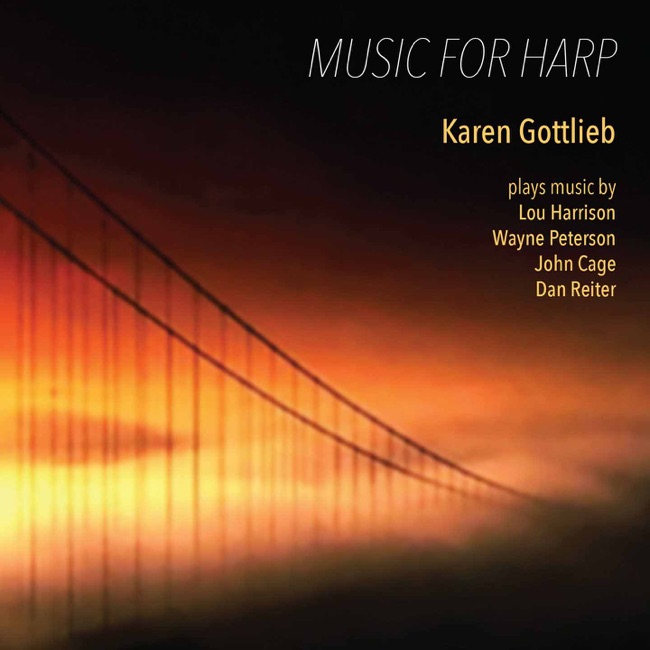 September 25, 2015
 -
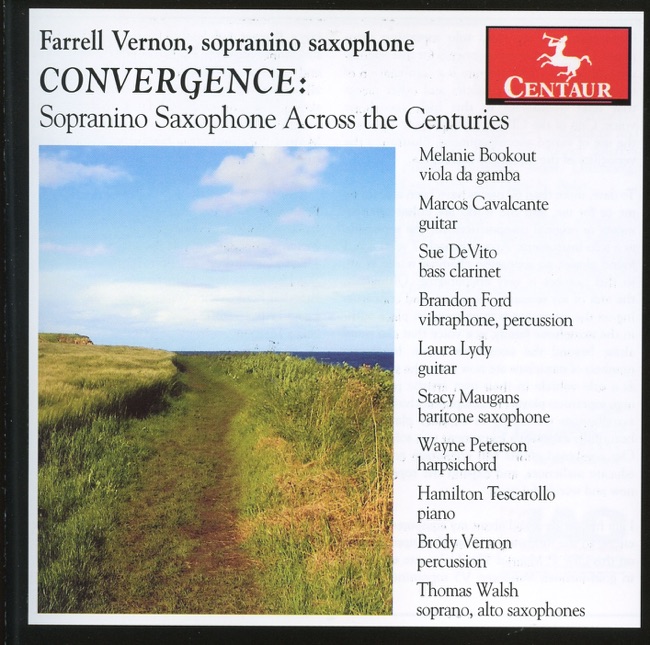 April 30, 2013
 -
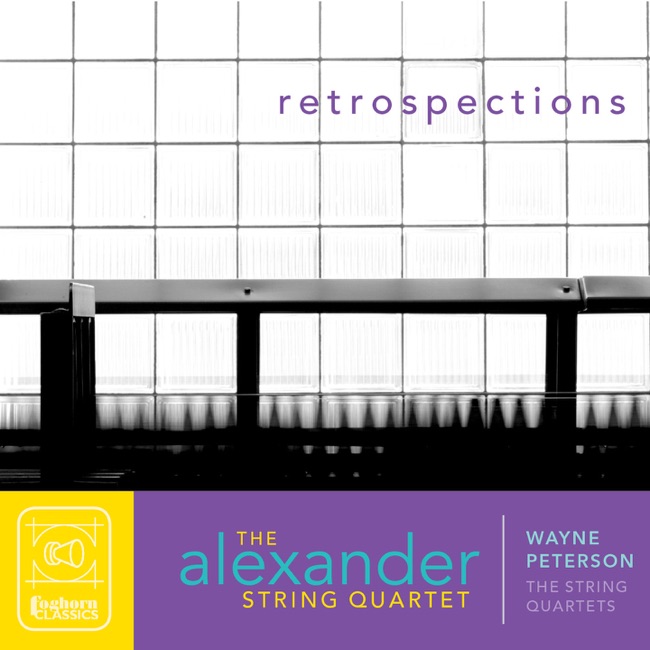 April 13, 2010
 -
 January 22, 2008
 -
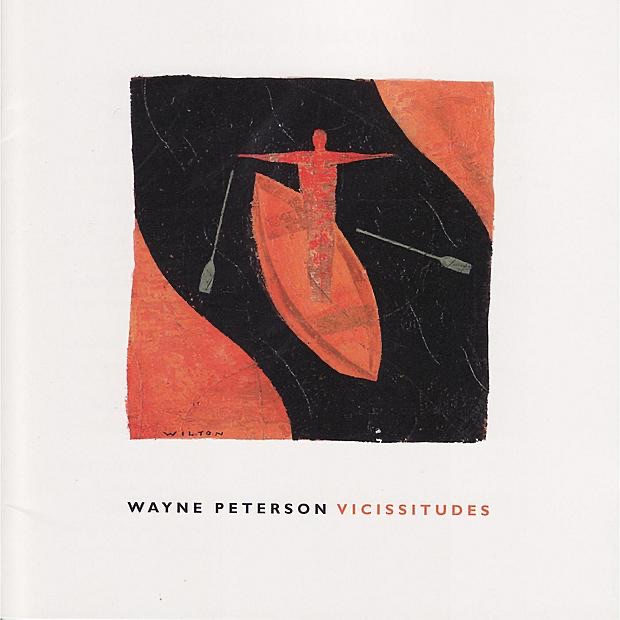 March 13, 2007
 -
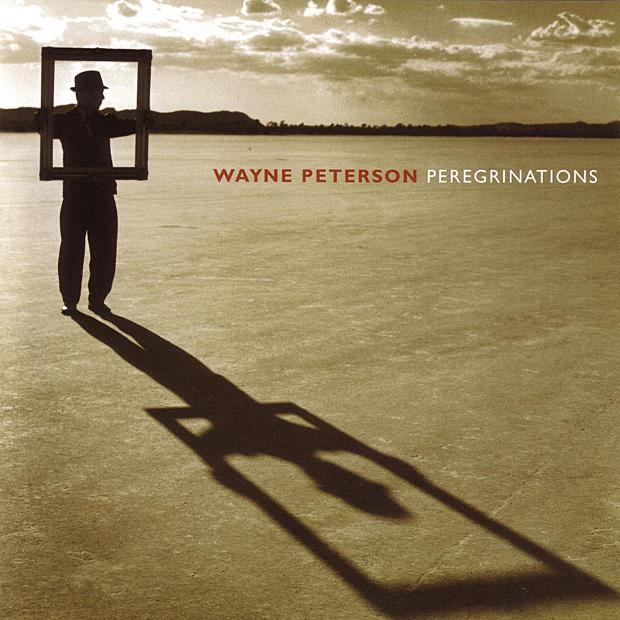 October 28, 2003
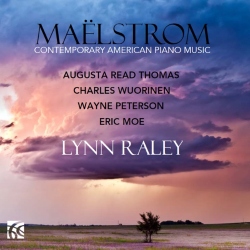
Keyboard
-
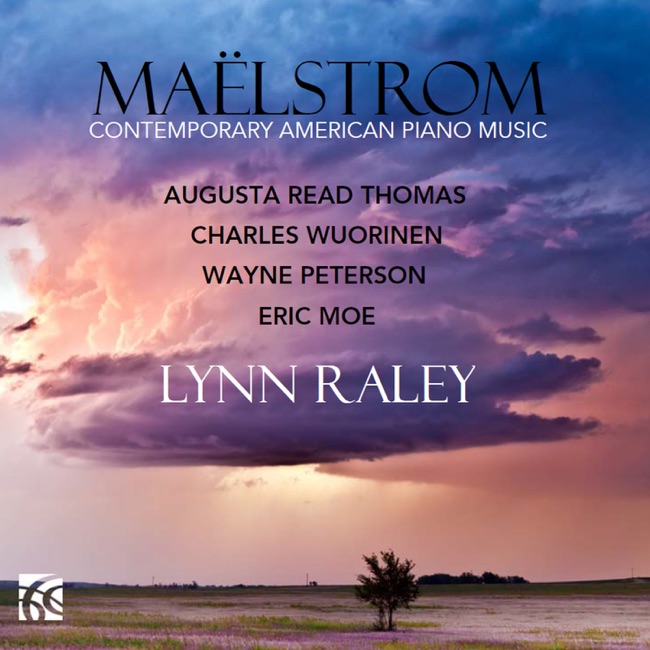 April 6, 2018
 -
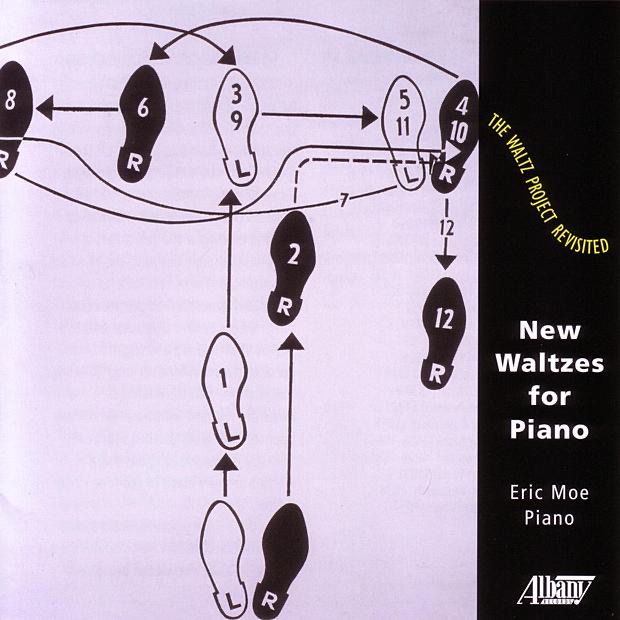 November 30, 2004
Orchestral
-
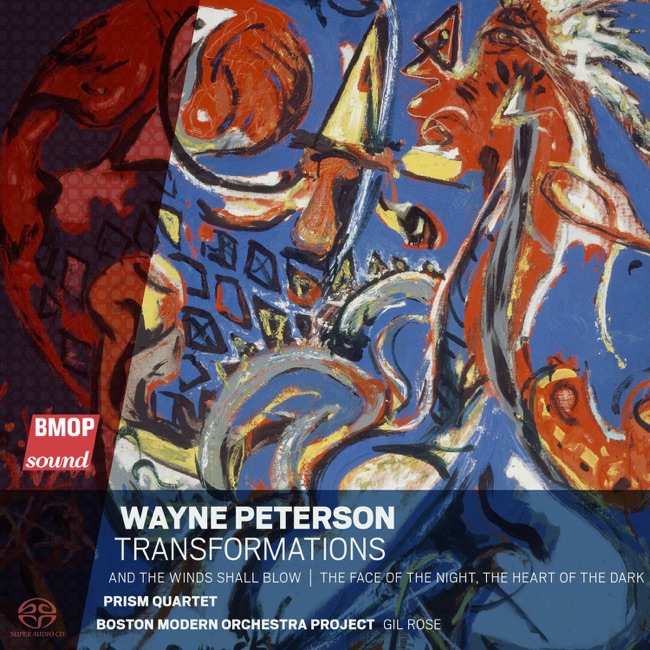 July 11, 2017
Artist Info
Role:Composer PerformerBirth:September 3, 1927 in Albert Lea, MNDeath:April 7, 2021 in San Francisco, CAPeriod:ContemporaryGenre:ChamberWayne Peterson was an American composer of classical music, born on January 3, 1927, in Albert Lea, Minnesota. He grew up in a musical family, with his father playing the violin and his mother playing the piano. Peterson began playing the piano at a young age and later learned to play the trumpet and French horn. He attended the University of Minnesota, where he earned a Bachelor of Music degree in 1950 and a Master of Music degree in 1952. Peterson's early compositions were influenced by the neoclassical style of Stravinsky and Hindemith. He also drew inspiration from the music of Bartok and Shostakovich. In 1952, Peterson won the prestigious Rome Prize, which allowed him to study in Italy for two years. During his time in Rome, he studied with Goffredo Petrassi and Luigi Dallapiccola, two prominent Italian composers. After returning to the United States, Peterson began teaching at San Francisco State University in 1954. He later taught at the University of California, Berkeley, where he was a professor of music from 1963 to 1992. Peterson was also a visiting professor at several other universities, including the University of Michigan, the University of Iowa, and the University of Texas at Austin. Throughout his career, Peterson composed a wide variety of works, including orchestral music, chamber music, vocal music, and electronic music. His compositions often featured complex rhythms and harmonies, as well as a strong sense of melody. Peterson was also known for his use of serialism, a compositional technique that involves using a series of musical pitches or rhythms to create a piece of music. One of Peterson's most famous works is his Symphony No. 1, which was premiered by the San Francisco Symphony in 1963. The symphony is a complex and challenging work, featuring intricate rhythms and harmonies. It was well-received by critics and helped establish Peterson as one of the leading American composers of his time. Another notable work by Peterson is his String Quartet No. 2, which was premiered by the Kronos Quartet in 1987. The quartet is a haunting and atmospheric work, featuring a wide range of textures and moods. It has been praised for its innovative use of electronic sounds, which are blended seamlessly with the acoustic instruments. Peterson also composed several works for solo instruments, including his Sonata for Trumpet and Piano, which was premiered by the San Francisco Symphony in 1957. The sonata is a virtuosic and challenging work, featuring complex rhythms and harmonies. It has become a staple of the trumpet repertoire and is often performed by trumpet players around the world. In addition to his work as a composer, Peterson was also a respected music educator. He was known for his dedication to his students and his ability to inspire them to achieve their full potential. Many of his former students have gone on to successful careers in music, including the composer John Adams. Peterson received numerous awards and honors throughout his career, including a Guggenheim Fellowship, a Fulbright Scholarship, and the Pulitzer Prize for Music in 1992 for his composition The Face of the Night, The Heart of the Dark. He was also a member of the American Academy of Arts and Letters and the American Academy of Arts and Sciences. Wayne Peterson passed away on April 7, 2021, at the age of 94.More....
Recent Artist Music

6
1:59



Copyright Ⓒ 2013 Davinci Finger. All rights reseved
Service Terms & Policy