


James Tenney
Released Album
Chamber
-
 March 24, 2017
 -
 September 9, 2016
 -
 October 9, 2015
 -
 April 6, 2015
 -
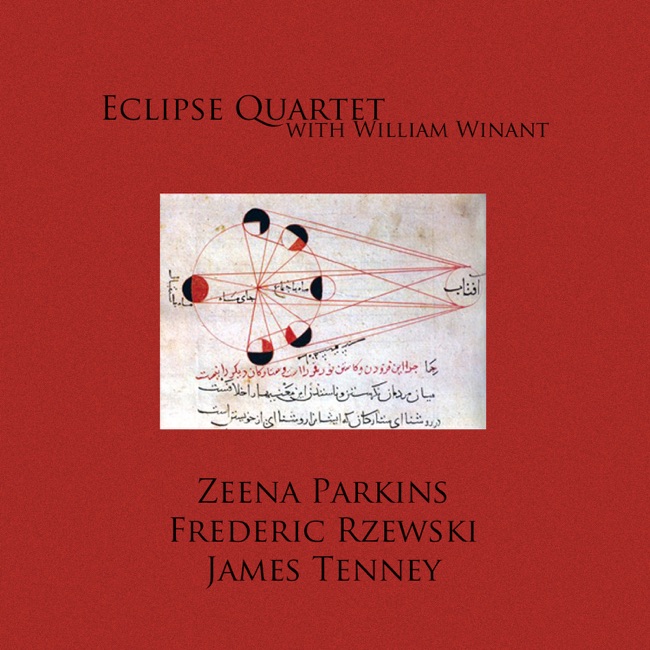 June 11, 2013
 -
 February 1, 2013
Miscellaneous
-
 March 30, 2004
 -
 November 27, 1998
Keyboard
-
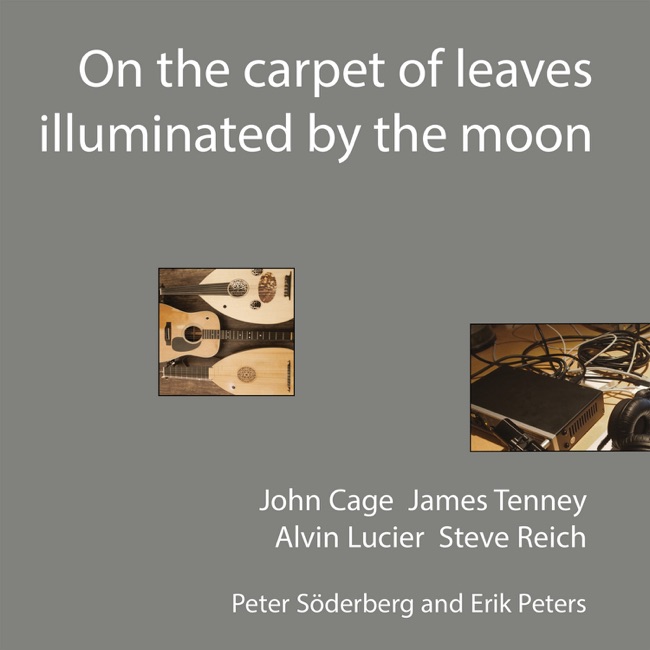 March 19, 2014
 -
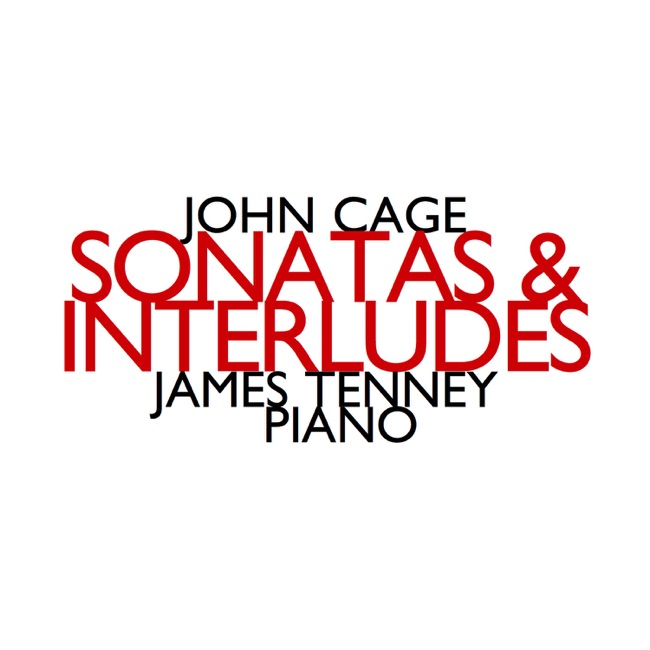 July 30, 2012
 -
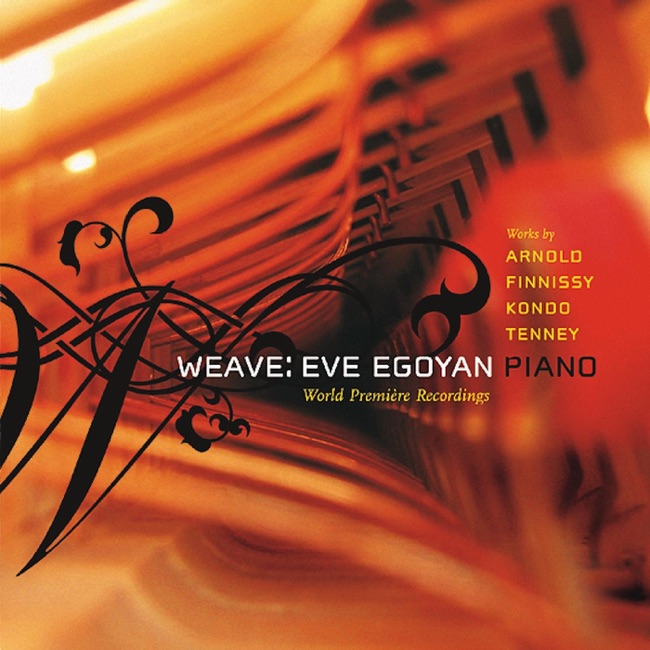 June 5, 2006
 -
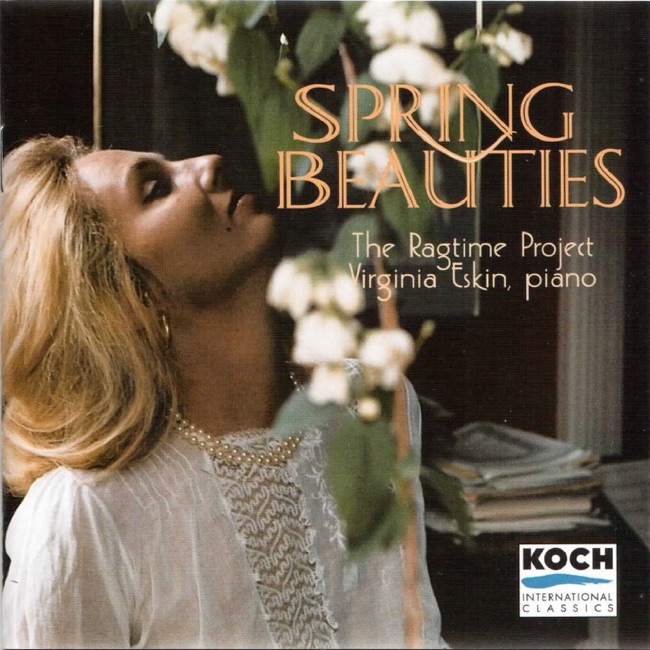 August 18, 1998
Electronic/Computer
-
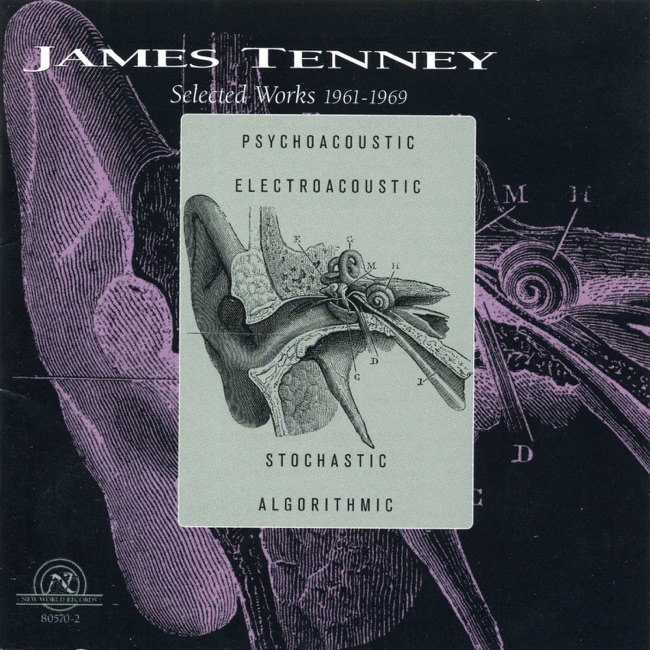 June 15, 1992
Artist Info
Role:Composer Conductor PerformerCountry: United States of AmericaBirth:August 10, 1934 in Silver City, NMDeath:August 24, 2006 in Valencia, CAPeriod:ContemporaryGenre:Avant-GardeJames Tenney was an American composer who was born on August 10, 1934, in Silver City, New Mexico. He was the son of a pharmacist and a schoolteacher, and he grew up in Arizona. Tenney showed an early interest in music, and he began playing the piano at the age of five. He also played the clarinet and the saxophone in his high school band. Tenney attended the University of Denver, where he studied music theory and composition. He later studied with the composer Carl Ruggles at the University of Illinois, and he also studied with the composer Edgard Varèse in New York City. Tenney was influenced by the experimental music of Varèse, as well as the music of John Cage and Morton Feldman. Tenney's early works were influenced by serialism, a compositional technique that uses a series of pitches or rhythms to create a musical structure. However, Tenney soon began to experiment with other techniques, such as just intonation, which uses pure intervals instead of the tempered intervals of Western music. One of Tenney's most famous works is "For Ann (Rising)," which he composed in 1969. The piece is a tribute to his wife, Ann Halprin, who is a dancer and choreographer. The piece is scored for a string quartet and a tape recording of a woman's voice. The voice on the tape is Halprin's, and she recites a poem that she wrote about the rising sun. The string quartet plays a series of chords that gradually rise in pitch, creating a sense of tension and anticipation. The piece is a beautiful example of Tenney's use of just intonation, as the chords are based on pure intervals. Another important work by Tenney is "Critical Band," which he composed in 1977. The piece is scored for a large ensemble of instruments, including strings, winds, and percussion. The title of the piece refers to the critical band, which is the range of frequencies that the human ear can distinguish as separate tones. Tenney uses this concept to create a complex and intricate texture of sound, with different instruments playing in different registers and at different tempos. The piece is a stunning example of Tenney's ability to create complex and beautiful music using unconventional techniques. Tenney was also interested in the relationship between music and mathematics. He wrote several pieces that explore mathematical concepts, such as "Harmonium #3," which he composed in 1984. The piece is scored for a solo performer playing a harmonium, which is a type of keyboard instrument. The performer plays a series of chords that are based on the Fibonacci sequence, a mathematical sequence in which each number is the sum of the two preceding numbers. The result is a haunting and beautiful piece of music that is both mathematically precise and emotionally expressive. Tenney was also a teacher and a mentor to many young composers. He taught at several universities, including the California Institute of the Arts and the University of California, San Diego. He was known for his generosity and his willingness to share his knowledge and expertise with others. James Tenney died on August 24, 2006, in Valencia, California. He was 72 years old. He left behind a legacy of innovative and groundbreaking music that continues to inspire and influence composers today. His work is a testament to the power of experimentation and exploration in music, and his contributions to the field of contemporary classical music will be remembered for generations to come.More....
Recent Artist Music
Copyright Ⓒ 2013 Davinci Finger. All rights reseved
Service Terms & Policy