


Larry Polansky
Released Album
Chamber
-
 March 16, 2018
 -
 August 18, 2017
 -
 October 30, 2015
 -
 September 5, 2006
 -
-
 November 9, 2004
Electronic/Computer
-
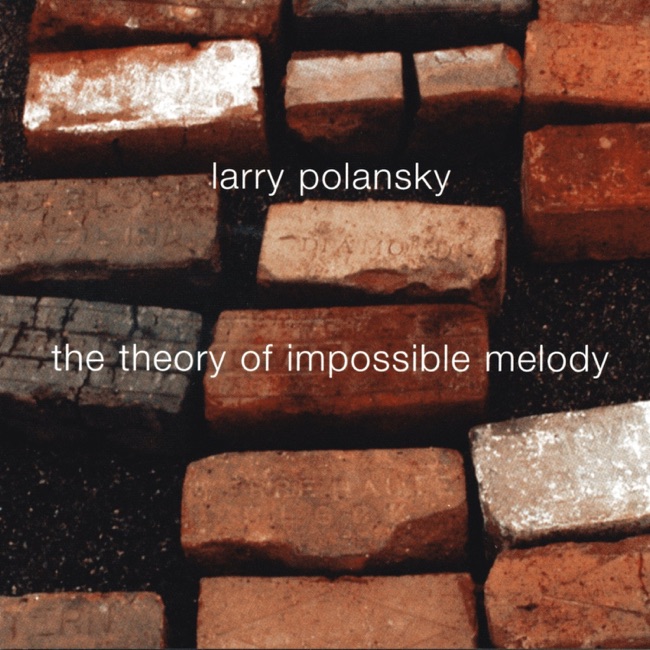 January 13, 2009
 -
 October 8, 2007
 -
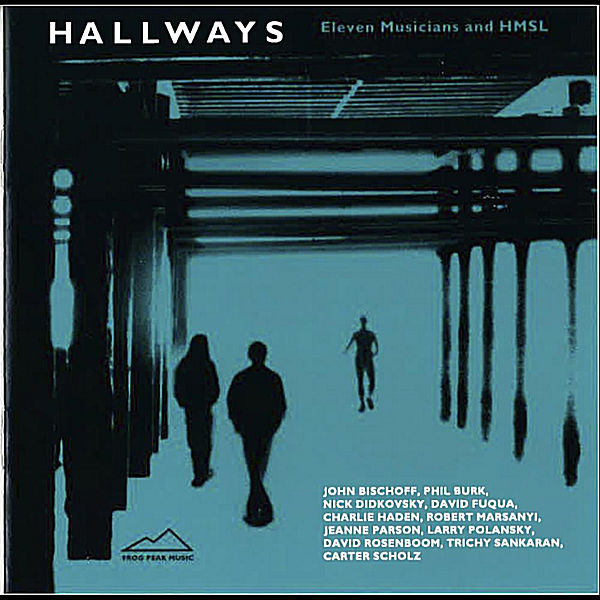 October 28, 1993
Vocal
-
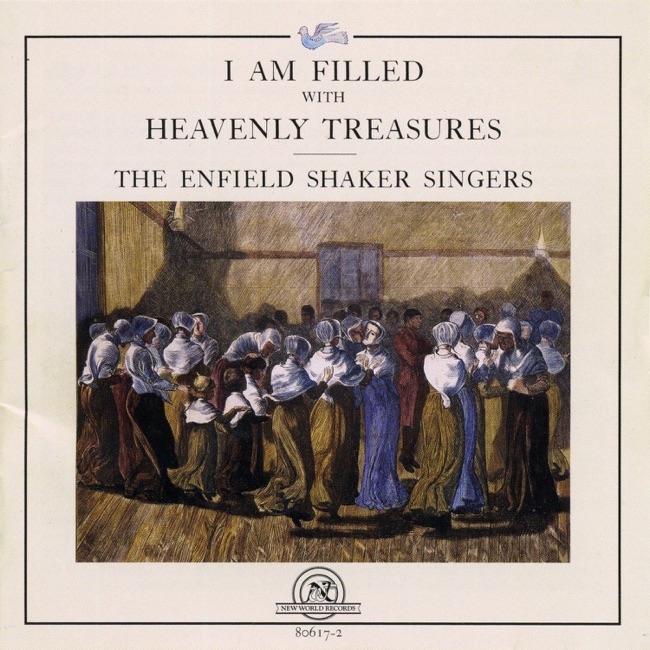 August 31, 2004
 -
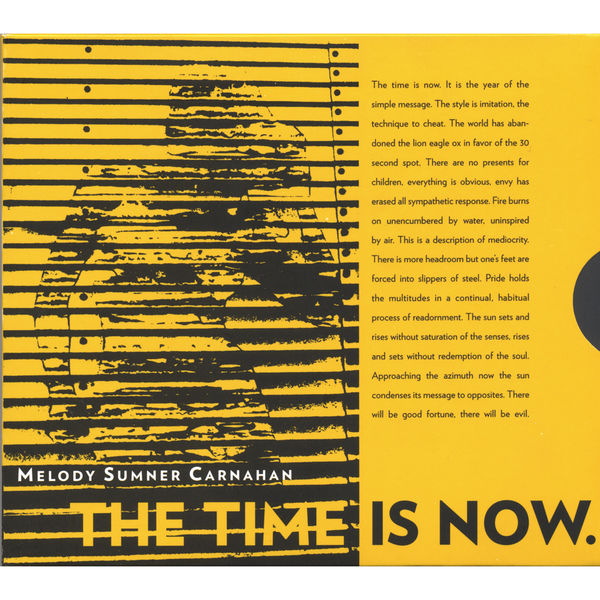
Artist Info
Role:ComposerCountry: United States of AmericaBirth:October 16, 1954 in New York City, NYGenre:Avant-GardeChamberLarry Polansky is a renowned American composer, guitarist, and music theorist. He was born on July 15, 1954, in New York City, and grew up in California. Polansky's interest in music began at a young age, and he started playing the guitar when he was just six years old. He was also interested in mathematics and science, which later influenced his approach to music composition. Polansky studied music at the University of California, Santa Cruz, where he earned his Bachelor of Arts degree in 1975. He then went on to study composition with James Tenney at the California Institute of the Arts, where he earned his Master of Fine Arts degree in 1978. During his time at CalArts, Polansky was exposed to a wide range of musical styles and techniques, including microtonal music, just intonation, and computer music. After completing his studies, Polansky began teaching at Dartmouth College in New Hampshire, where he founded the influential Frog Peak Music publishing company. Frog Peak Music was dedicated to publishing experimental and avant-garde music, and it became an important resource for composers and musicians around the world. Polansky's early compositions were heavily influenced by the minimalist and post-minimalist movements of the 1970s. His music often featured repetitive patterns and simple harmonic structures, but he also experimented with microtonal tunings and just intonation. One of his most famous works from this period is "Four Voice Canon #3," which was composed in 1977 and features a complex interweaving of four different melodies. In the 1980s, Polansky began to explore more complex and abstract musical structures. He became interested in the idea of "fractal music," which involves the use of self-similar patterns at different scales. One of his most famous works from this period is "Ensembles of Note," which was composed in 1986 and features a complex interplay of different musical textures and timbres. Throughout his career, Polansky has been a pioneer in the use of computer technology in music composition. He has developed a number of software programs that allow composers to explore new musical possibilities, including the widely-used "HMSL" (Hierarchical Music Specification Language) programming language. He has also collaborated with other composers and musicians on a number of innovative projects, including the "Frog Peak Music Electronic Music Studio" and the "Just Intonation Network." In addition to his work as a composer and music theorist, Polansky is also an accomplished guitarist. He has performed with a number of different ensembles and has recorded several albums of his own music. His guitar playing is characterized by its virtuosity and its use of unconventional techniques, such as alternate tunings and extended techniques. Polansky has received numerous awards and honors for his contributions to music. In 2003, he was awarded a Guggenheim Fellowship, which allowed him to continue his research into just intonation and microtonal music. He has also been awarded grants from the National Endowment for the Arts, the Rockefeller Foundation, and the American Music Center. Today, Polansky continues to be an active composer, performer, and music theorist. He teaches at the University of California, Santa Cruz, where he is the co-director of the Center for Computer Research in Music and Acoustics. He is also a member of the American Academy of Arts and Sciences and the Society for Music Theory.More....
Recent Artist Music
2
9:11

6
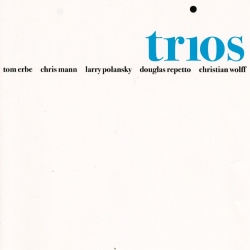
11:2
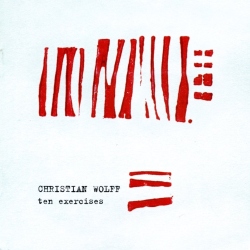
8
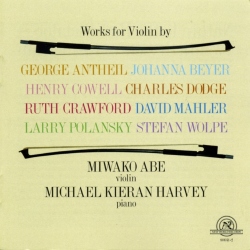
5:55
9
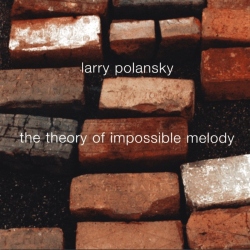
4:8



14

3:21
Copyright Ⓒ 2013 Davinci Finger. All rights reseved
Service Terms & Policy