


Kaija Saariaho
Released Album
Chamber
-
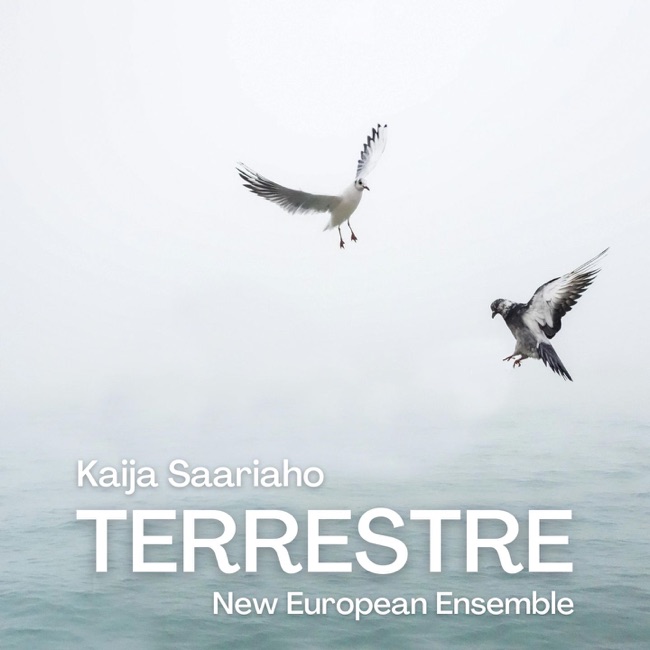 May 17, 2024
 -

-
 May 29, 2023
 -
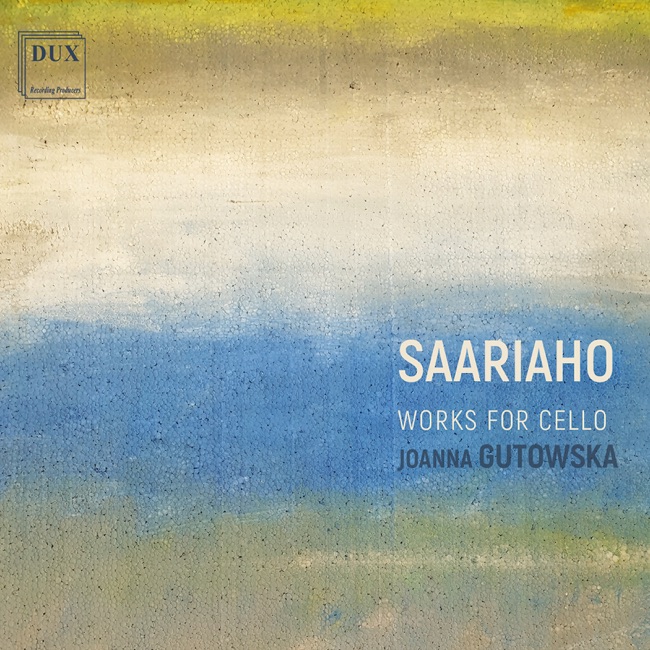 July 1, 2022
 -
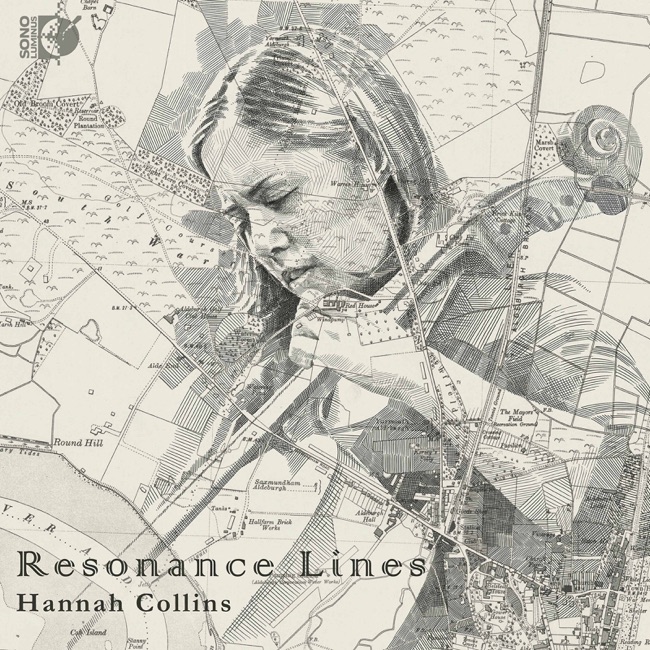 September 24, 2021
 -
 July 19, 2021
Vocal
-
 February 16, 2024
 -
 January 6, 2023
 -
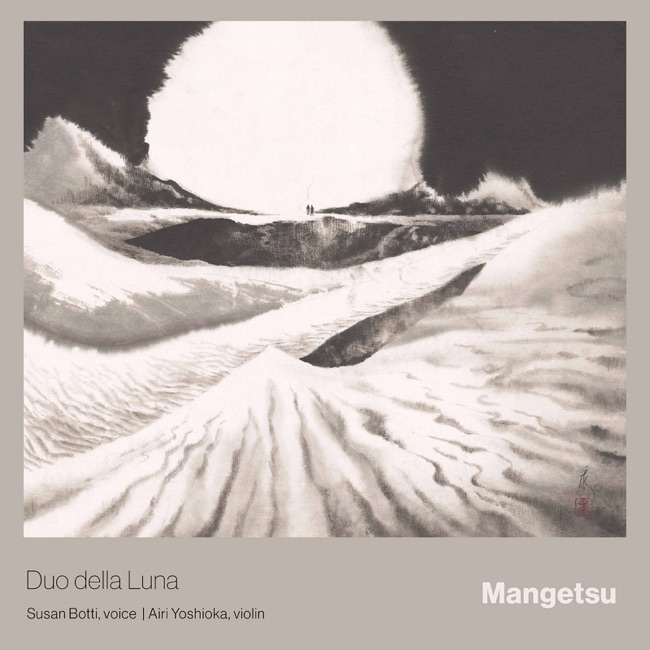 July 9, 2021
 -
-
 May 10, 2019
 -
 February 3, 2017
Orchestral
-
-
 May 5, 2014
 -
 February 24, 2012
Concerto
-
 September 3, 2021
 -
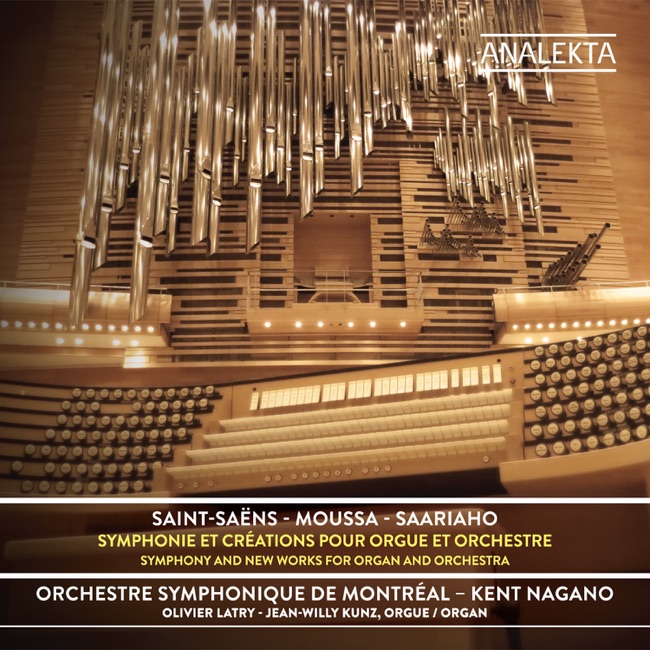 October 23, 2015
 -
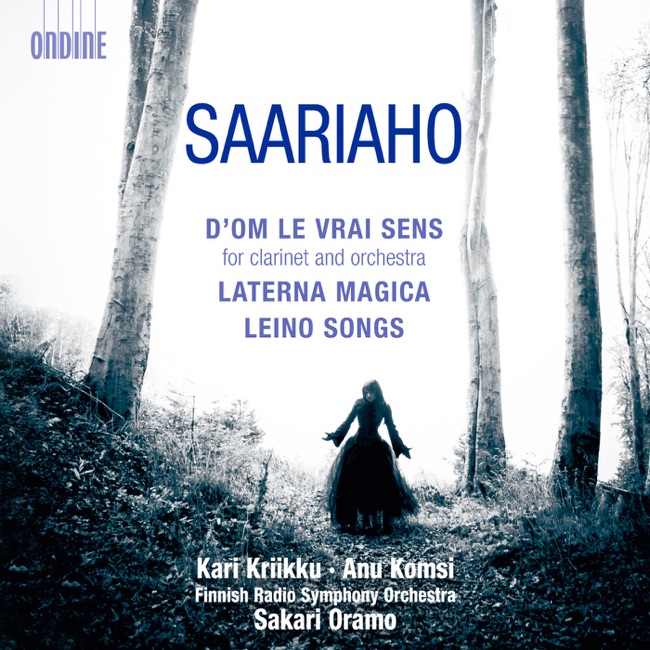 September 27, 2011
 -
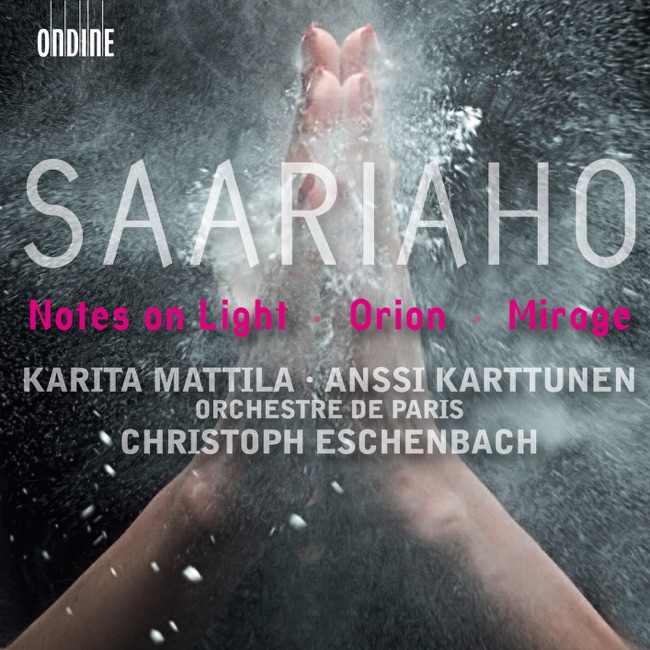 September 9, 2008
 -
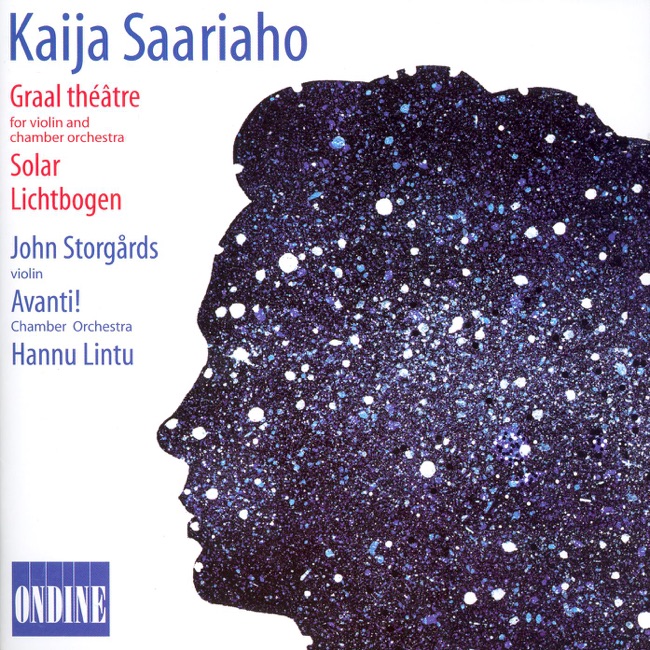 August 5, 2002
Artist Info
Role:Composer PerformerCountry: FinlandBirth:October 14, 1952 in Helsinki, FinlandGenre:Avant-GardeChamberVocalKaija Saariaho is a Finnish composer who has made a significant impact on the world of contemporary classical music. Born on October 14, 1952, in Helsinki, Finland, Saariaho grew up in a family that valued music and the arts. Her mother was a visual artist, and her father was a civil engineer who played the piano as a hobby. Saariaho began playing the piano at a young age and showed an early interest in composition. Saariaho studied at the Sibelius Academy in Helsinki, where she received a degree in composition in 1976. She then went on to study at the Freiburg University of Music in Germany, where she worked with the composer Brian Ferneyhough. During this time, Saariaho began to develop her unique style, which combined elements of electronic music, spectralism, and Finnish folk music. In the early 1980s, Saariaho moved to Paris, where she continued to study and compose. She became associated with the IRCAM (Institut de Recherche et Coordination Acoustique/Musique), a research center for music and sound that was founded by the composer Pierre Boulez. At IRCAM, Saariaho worked with some of the leading composers and researchers in the field of electronic music, including Gérard Grisey and Tristan Murail. Saariaho's early works were heavily influenced by electronic music and spectralism, a compositional technique that focuses on the analysis of sound spectra. Her first major work, "Verblendungen" (1984), for orchestra and tape, is a prime example of this style. The piece features dense, swirling textures and a wide range of timbres, including electronic sounds and acoustic instruments. In the late 1980s and early 1990s, Saariaho began to incorporate more traditional instruments into her compositions. Her works from this period, such as "Lichtbogen" (1986) for string quartet and electronics and "Nymphea" (1987) for chamber ensemble, feature a more delicate and nuanced approach to sound. Saariaho's use of extended techniques, such as harmonics and microtonal tuning, creates a shimmering, otherworldly effect. One of Saariaho's most famous works is "L'Amour de Loin" (2000), an opera that tells the story of a medieval troubadour who falls in love with a woman he has never met. The opera features a libretto by the Lebanese writer Amin Maalouf and was commissioned by the Salzburg Festival. "L'Amour de Loin" has been performed around the world and has received critical acclaim for its lush, evocative score and its innovative use of electronics. Saariaho's other notable works include "Graal théâtre" (1994) for violin and orchestra, "Orion" (2002) for chamber ensemble, and "Notes on Light" (2006) for cello and electronics. Her music has been performed by some of the world's leading orchestras and ensembles, including the New York Philharmonic, the Berlin Philharmonic, and the London Symphony Orchestra. In addition to her work as a composer, Saariaho has also been a mentor and teacher to many young musicians. She has taught at the Sibelius Academy, the Paris Conservatory, and the University of California, San Diego. Saariaho has also been recognized for her contributions to music with numerous awards and honors, including the Polar Music Prize, the Grawemeyer Award, and the Prince Pierre Foundation Music Award. Overall, Kaija Saariaho's music is characterized by its ethereal beauty, its innovative use of electronics, and its exploration of the boundaries between sound and silence.More....
Recent Artist Music



5
2:53



Recommend Playlist






Copyright Ⓒ 2013 Davinci Finger. All rights reseved
Service Terms & Policy