


Rolf Enström
Released Album
Miscellaneous
-
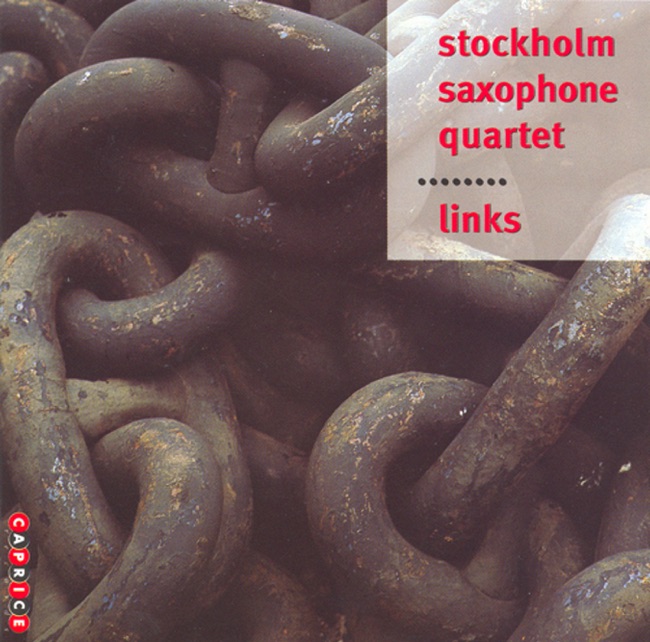 July 1, 1997
 -
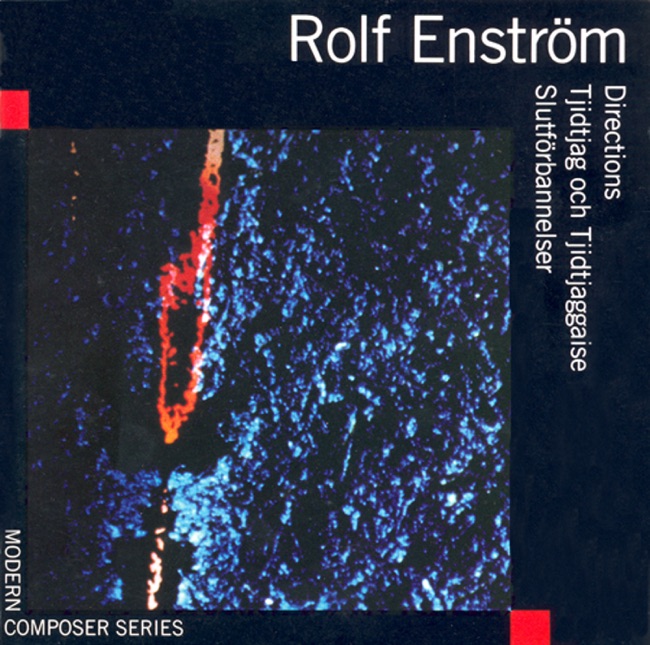
Electronic/Computer
-
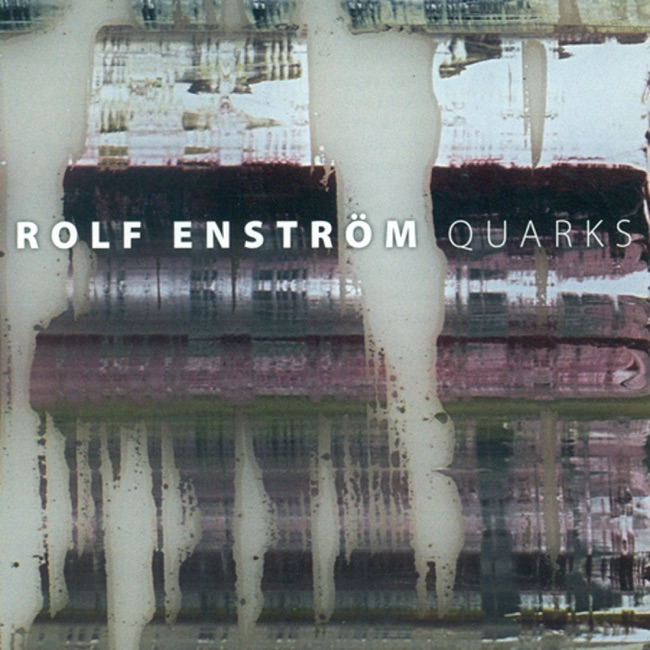 January 24, 2007
Artist Info
Role:Composer PerformerBirth:1951Rolf Enström was a Swedish composer who was born on May 22, 1939, in Stockholm, Sweden. He was the son of a music teacher and grew up in a musical family. Enström began playing the piano at a young age and showed a natural talent for music. He went on to study at the Royal College of Music in Stockholm, where he received a degree in composition. Enström's early works were heavily influenced by the music of his native Sweden. He was particularly interested in the folk music of the region and incorporated elements of it into his compositions. His early works were also influenced by the music of other Scandinavian composers, such as Jean Sibelius and Carl Nielsen. Enström's breakthrough came in 1967 when he won first prize in the International Rostrum of Composers for his work "Sinfonia per archi." This work was a string symphony that showcased Enström's skill as a composer. It was performed by orchestras around the world and helped to establish Enström as a major figure in the world of classical music. Enström went on to compose a wide range of works, including orchestral pieces, chamber music, and vocal music. His works were known for their lyrical melodies and rich harmonies. He was also known for his use of unconventional instruments, such as the accordion and the mandolin. One of Enström's most famous works is his "Concerto for Accordion and Orchestra." This work was commissioned by the Swedish Radio Symphony Orchestra and premiered in 1983. It was written for the accordion virtuoso Mogens Ellegaard and showcased the full range of the instrument's capabilities. The concerto was a critical and commercial success and helped to establish the accordion as a legitimate solo instrument in classical music. Enström's other notable works include his "Symphony No. 2," which was commissioned by the Swedish Radio Symphony Orchestra and premiered in 1989. This work was a large-scale symphony that showcased Enström's skill as an orchestrator. It was praised for its lush harmonies and sweeping melodies. Enström also composed a number of works for chamber ensembles, including his "String Quartet No. 2," which was premiered in 1978. This work was written for the Stockholm String Quartet and showcased Enström's skill as a chamber music composer. It was praised for its intricate counterpoint and rich harmonies. Enström's vocal music was also highly regarded. His "Three Songs for Soprano and Orchestra," which were premiered in 1972, were praised for their lyrical melodies and sensitive treatment of the text. His "Requiem," which was premiered in 1995, was a large-scale choral work that was praised for its emotional depth and powerful use of the choir. Enström continued to compose throughout his life, and his later works were characterized by a more experimental approach. He was particularly interested in the use of electronics in music and incorporated electronic elements into many of his later works. Enström died on December 22, 1997, in Stockholm, Sweden. He was widely regarded as one of Sweden's greatest composers and his works continue to be performed and recorded around the world. His legacy as a composer is one of lyrical melodies, rich harmonies, and a deep love for the music of his native Sweden.More....
Recent Artist Music
Copyright Ⓒ 2013 Davinci Finger. All rights reseved
Service Terms & Policy