


Robert Morris
Released Album
Chamber
-
 October 18, 2019
 -
 November 16, 2018
 -
 May 25, 2010
 -
 October 20, 1998
 -
 January 20, 1998
Vocal
-
 March 29, 2011
 -
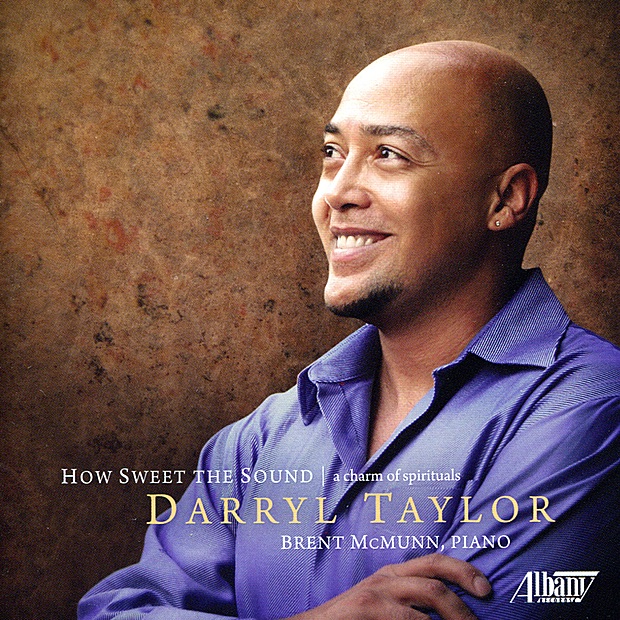 January 11, 2011
Electronic/Computer
-
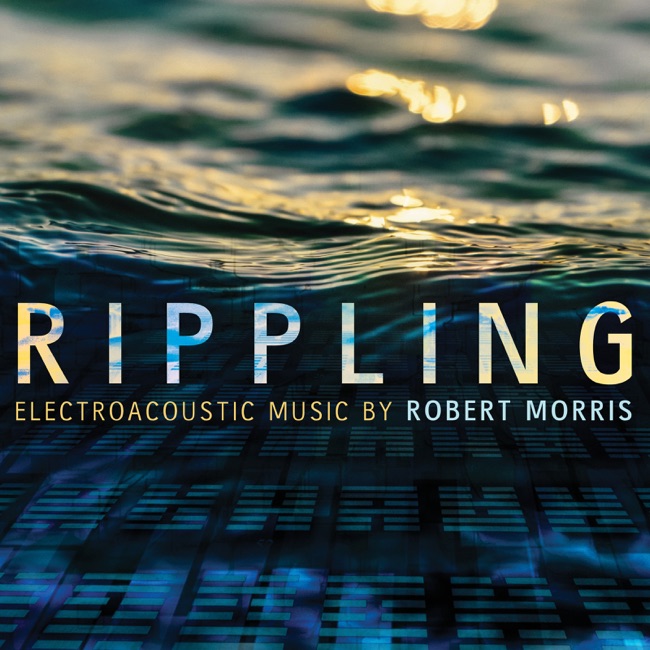 February 2, 2018
Concerto
-
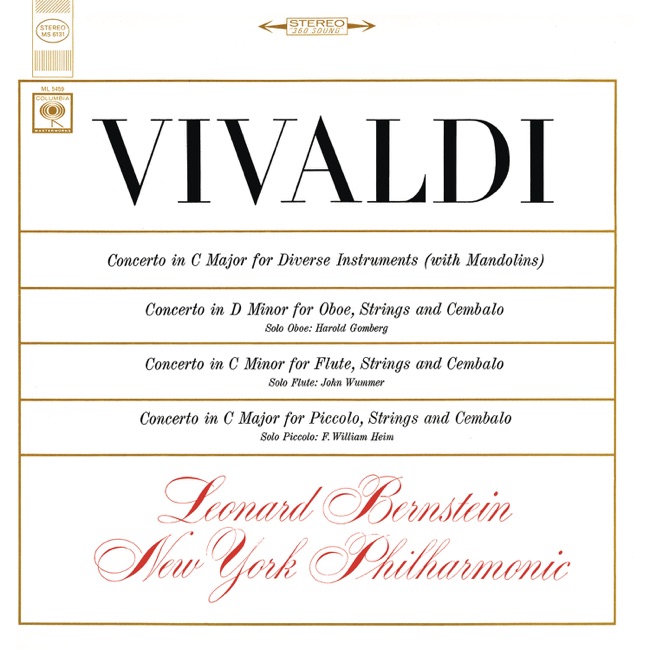 February 16, 2018
 -
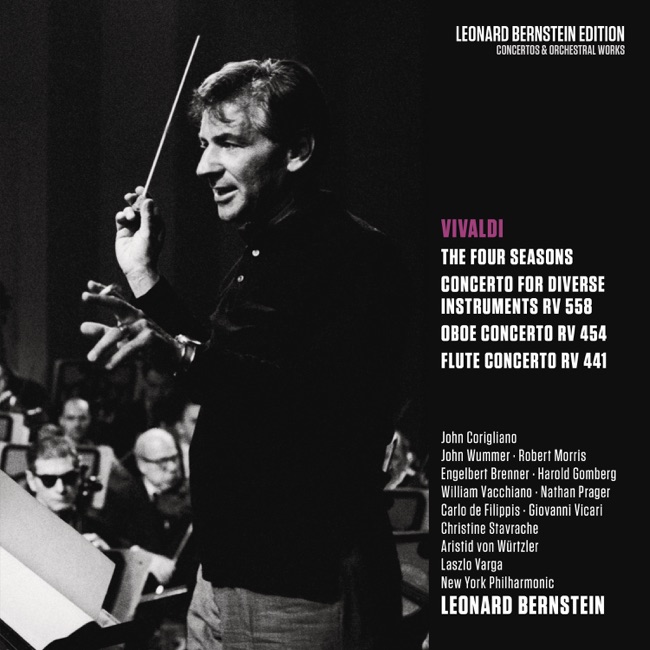 March 31, 1998
Artist Info
Role:ComposerBirth:October 19, 1943 in Cheltenham, Gloucestershire, EnglandPeriod:ContemporaryModernGenre:ChamberRobert Morris is a renowned American composer, born on August 8, 1943, in Cheltenham, Pennsylvania. He is known for his contributions to the field of contemporary classical music, particularly in the areas of microtonality, just intonation, and algorithmic composition. Morris grew up in a musical family, with his father being a jazz pianist and his mother a singer. He began playing the piano at a young age and later learned to play the trumpet and guitar. Morris attended the University of Michigan, where he earned a Bachelor of Music degree in composition in 1965. He then went on to study at the University of California, Berkeley, where he earned a Master of Arts degree in composition in 1967 and a Ph.D. in composition in 1970. Morris's early works were influenced by the serialism and atonality of composers such as Arnold Schoenberg and Anton Webern. However, he soon began to explore alternative tuning systems and microtonality, which would become a hallmark of his later works. In 1972, Morris co-founded the Just Intonation Network, an organization dedicated to promoting the use of just intonation in music. One of Morris's most significant works is his composition "Open Music," which he began developing in the early 1970s. "Open Music" is a system of composition that allows for a high degree of flexibility and improvisation while still maintaining a coherent structure. The system is based on a set of rules and procedures that the performers follow, rather than a fixed score. Morris has described "Open Music" as a way of "opening up the possibilities of music-making to the performers themselves." Another notable work by Morris is his "Seven Color Study," a series of compositions based on the seven colors of the rainbow. Each piece in the series is written for a different ensemble and explores a different aspect of color and sound. The series was inspired by Morris's interest in synesthesia, a condition in which the senses are cross-wired, causing people to experience sounds as colors or shapes. Morris has also been a pioneer in the field of algorithmic composition, which involves using computer programs to generate musical material. His composition "Mosaic," written in 1985, is a prime example of this approach. "Mosaic" is a set of 24 pieces, each of which is generated by a different algorithm. The algorithms are based on various mathematical and musical principles, such as prime numbers and just intonation. In addition to his work as a composer, Morris has also been a respected teacher and scholar. He has taught at a number of institutions, including the University of California, Berkeley, and the Eastman School of Music. He has also written extensively on music theory and composition, with publications including "Composition with Pitch-Classes: A Theory of Compositional Design" and "The Whistling Blackbird: Essays and Talks on New Music." Morris's contributions to contemporary classical music have been widely recognized. He has received numerous awards and honors, including a Guggenheim Fellowship, a Fulbright Fellowship, and the American Academy of Arts and Letters Music Award. His works have been performed by leading ensembles and orchestras around the world, including the New York Philharmonic, the San Francisco Symphony, and the London Sinfonietta. In conclusion, Robert Morris is a highly influential composer who has made significant contributions to the field of contemporary classical music.More....
Recent Artist Music

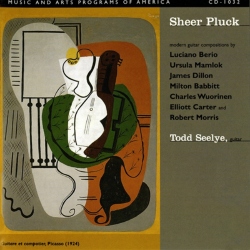
8
3:35


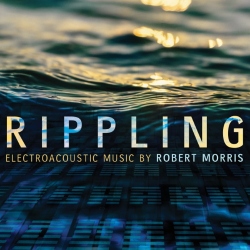

Copyright Ⓒ 2013 Davinci Finger. All rights reseved
Service Terms & Policy