


Anton Dermota
Released Album
Opera
-
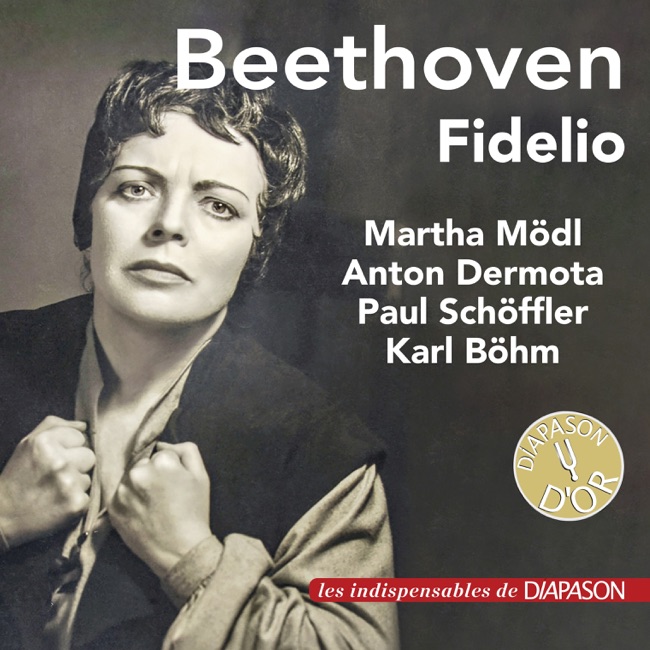 June 27, 2024
 -
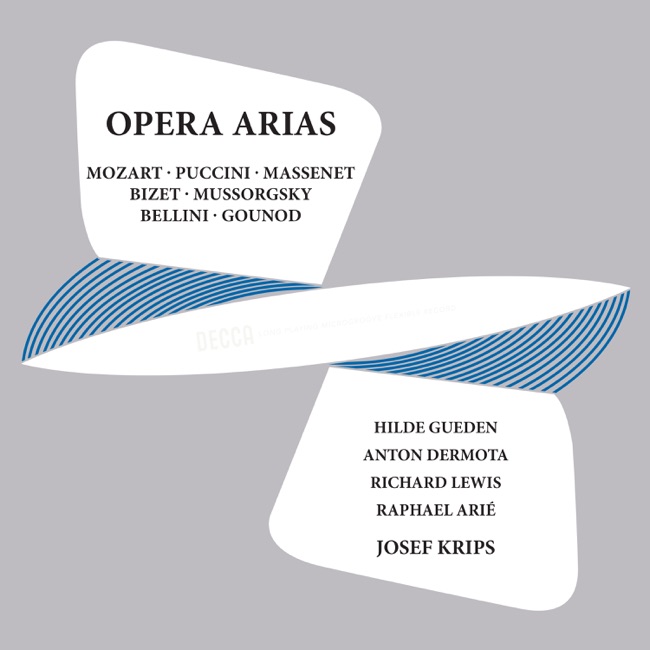
-
-
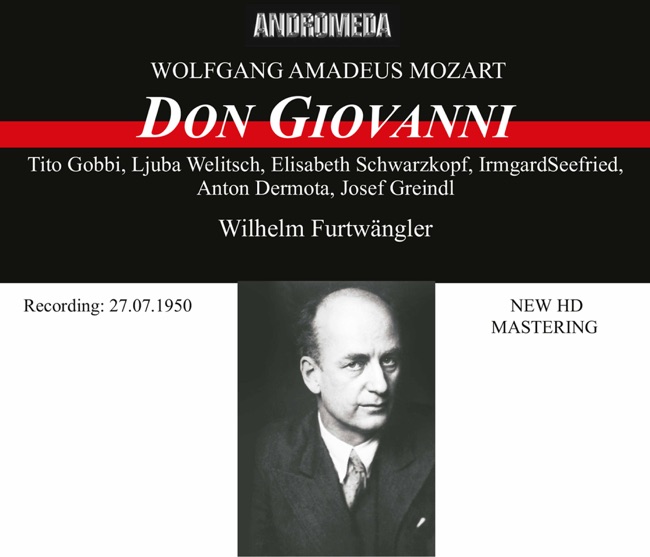 March 18, 2022
 -
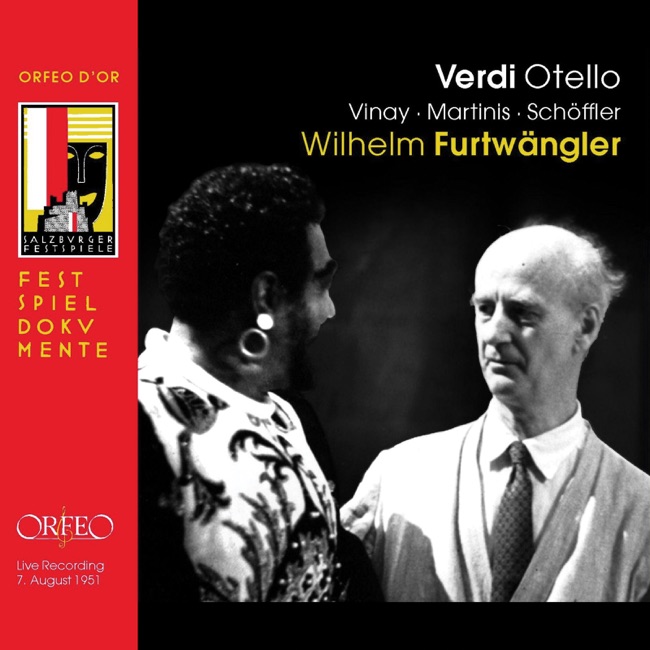 March 15, 2019
 -
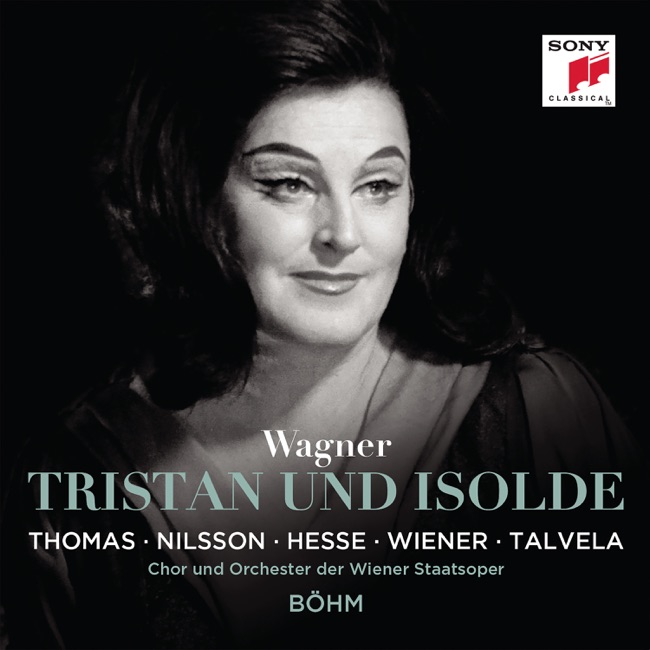 September 7, 2018
Choral
-
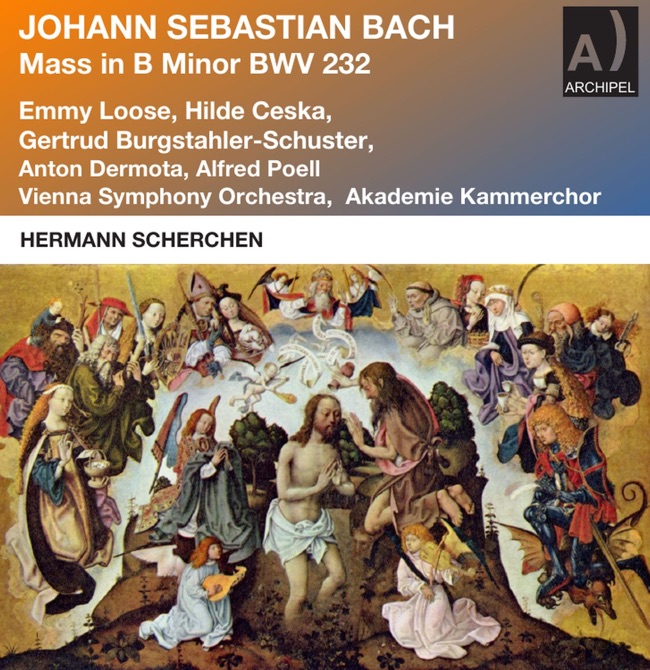 January 5, 2024
 -
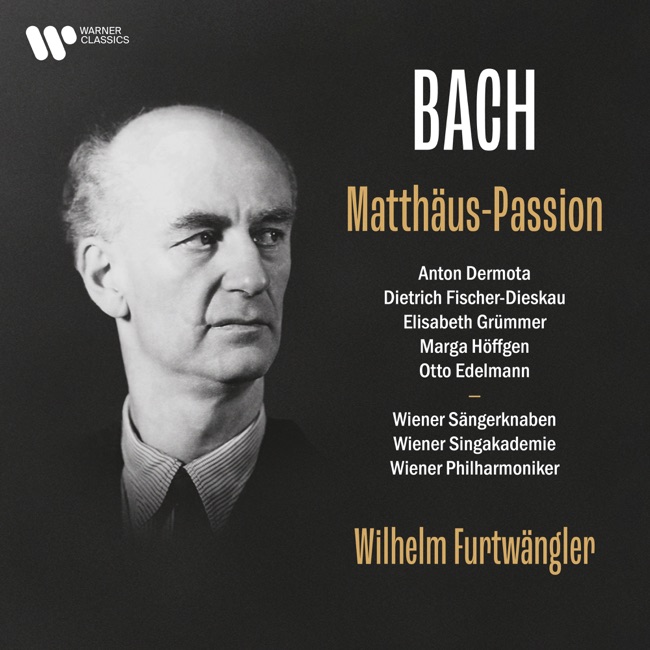 September 24, 2021
 -
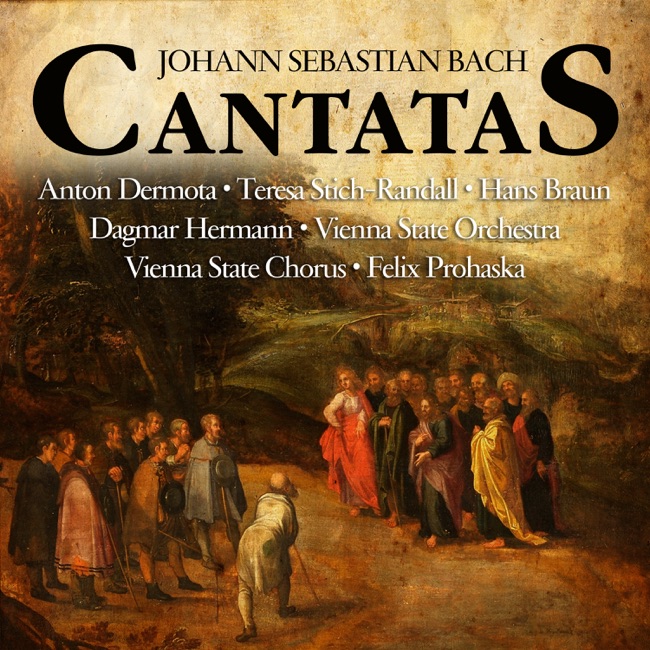 February 11, 2019
 -
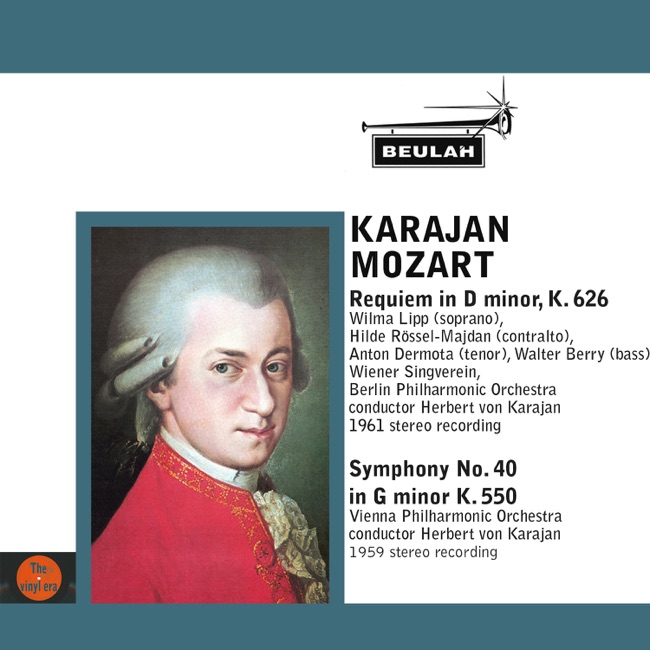 June 28, 2016
 -
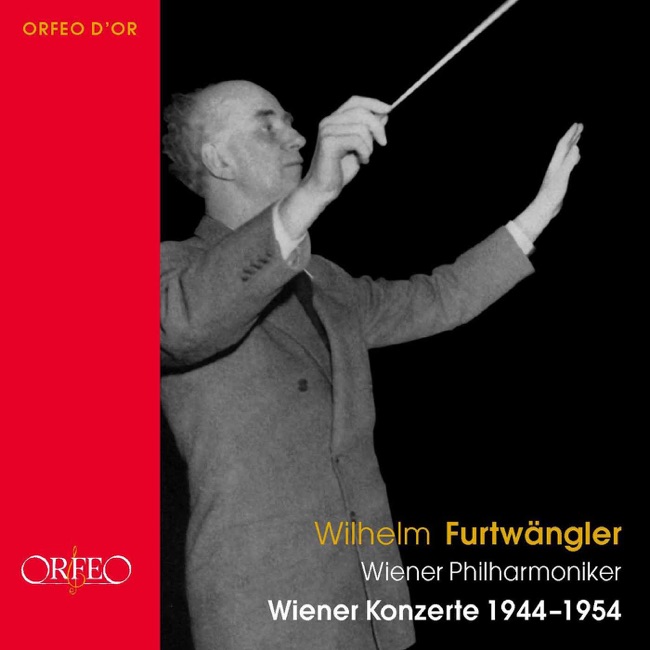 January 1, 2016
 -
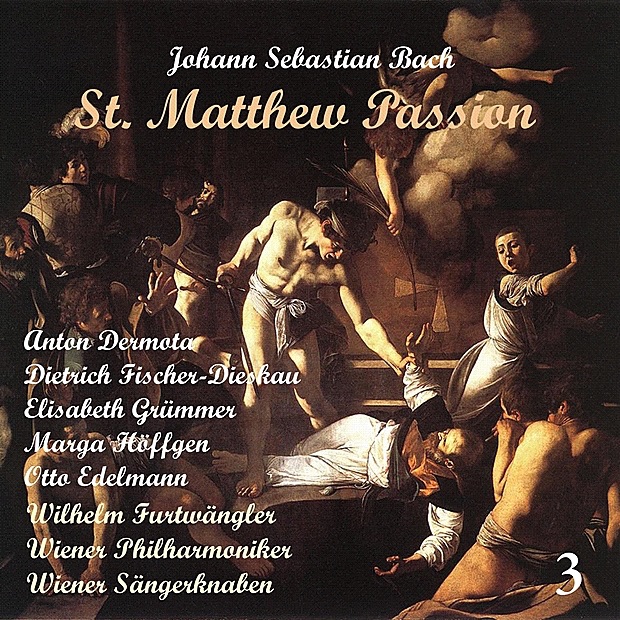 September 29, 2010
Symphony
-
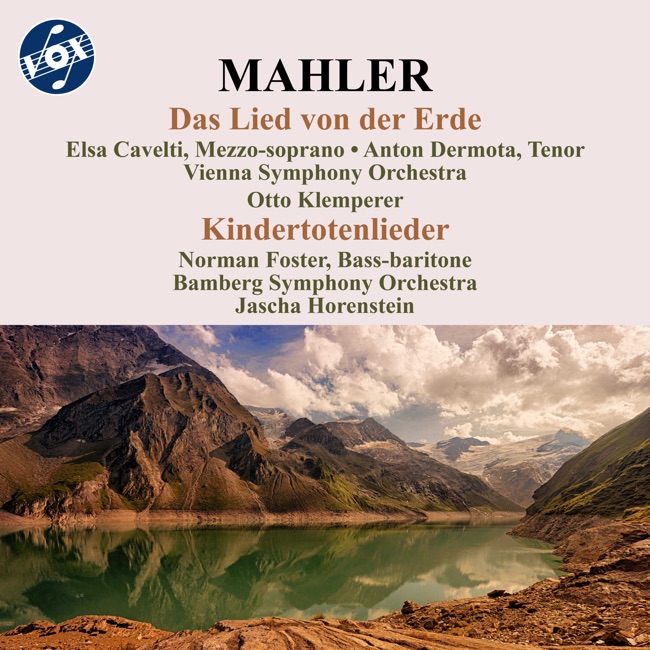 June 2, 2023
 -
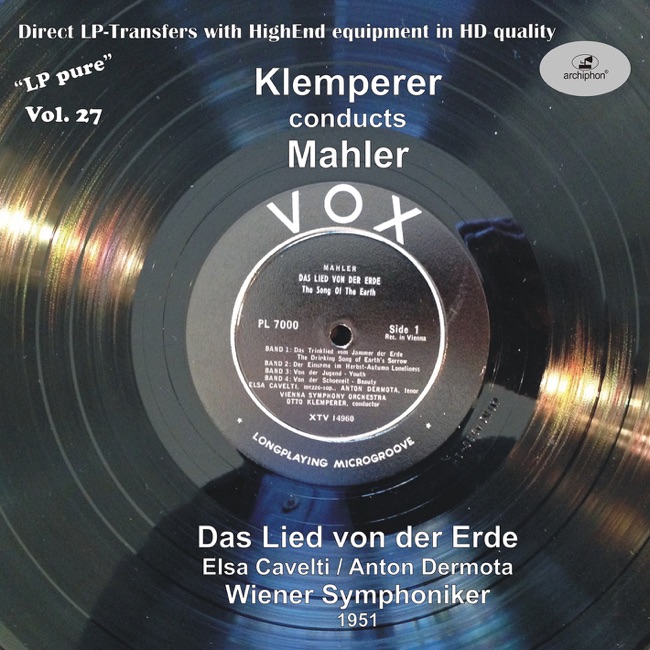 June 3, 2016
 -
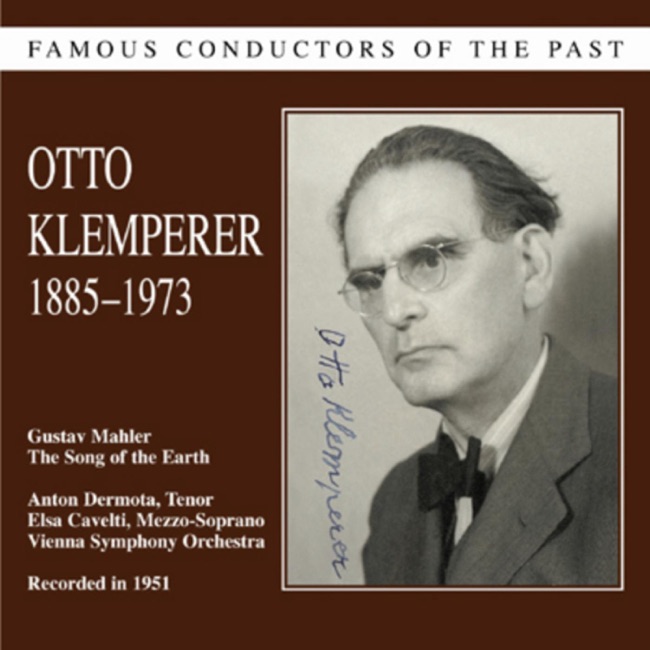 August 23, 2006
 -
 August 6, 2004
 -
 January 1, 2004
 -
Vocal
-
 July 8, 2014
 -
 January 24, 2000
 -
-
 July 4, 1998
 -
Artist Info
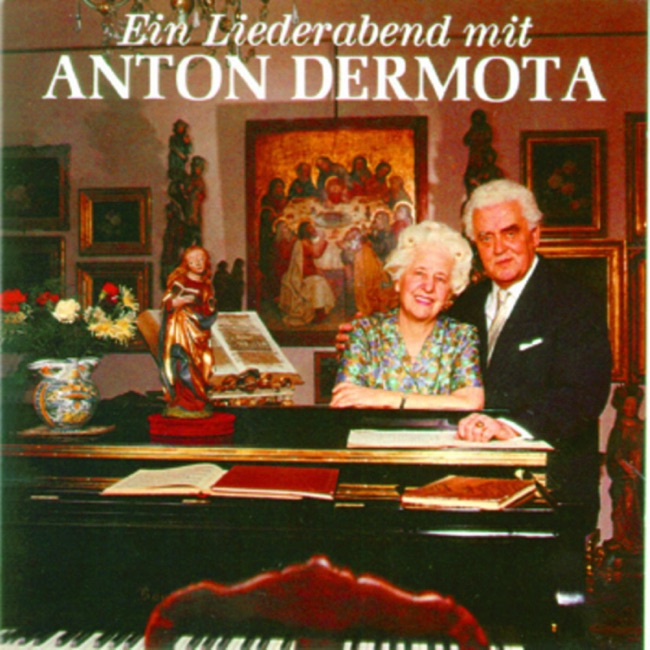
Birth:June 4, 1910 in Kropa, SloveniaDeath:June 22, 1989 in Vienna, AustriaGenre:ChoralOperaAnton Dermota was a renowned Austrian tenor who made a significant contribution to the world of classical music. Born on June 4, 1910, in Kropa, a small town in Slovenia, Anton was the youngest of six children. His father was a blacksmith, and his mother was a homemaker. Anton's love for music was evident from a young age, and he began singing in the church choir when he was just six years old. Anton's family moved to Ljubljana when he was ten years old, and he continued to sing in the church choir. He also began taking singing lessons from a local teacher, and his talent was soon recognized. In 1928, Anton was accepted into the Ljubljana Conservatory, where he studied under the guidance of the renowned Slovenian tenor, Vladimir Ravnihar. After completing his studies, Anton began his professional career as a singer in 1933, performing in various opera houses in Slovenia and Croatia. In 1936, he made his debut at the Vienna State Opera, where he sang the role of the First Prisoner in Beethoven's opera, Fidelio. This performance marked the beginning of Anton's international career, and he soon became a sought-after tenor in Europe. Anton's breakthrough performance came in 1937 when he sang the role of Tamino in Mozart's opera, The Magic Flute, at the Salzburg Festival. His performance was widely acclaimed, and he was praised for his beautiful voice and impeccable technique. This performance established Anton as one of the leading tenors of his time, and he went on to perform in many other operas at the Salzburg Festival, including Don Giovanni, The Marriage of Figaro, and Così fan tutte. In 1941, Anton was drafted into the German army and was sent to the Eastern Front. He continued to sing in the army choir, and his talent was soon recognized by his superiors. He was given the opportunity to perform for the troops, and his performances were a source of inspiration for many soldiers. Anton's time in the army was a difficult period in his life, but he continued to sing and perform whenever he could. After the war, Anton resumed his career as a singer and performed in many opera houses in Europe and the United States. He was particularly renowned for his performances of Mozart's operas, and he was often referred to as the "Mozart tenor." Anton's voice was characterized by its clarity, purity, and warmth, and he was praised for his ability to convey emotion through his singing. Anton's career reached new heights in 1950 when he was invited to perform at the Metropolitan Opera in New York. He made his debut as Don Ottavio in Mozart's Don Giovanni, and his performance was widely acclaimed. Anton went on to perform in many other operas at the Metropolitan Opera, including The Magic Flute, The Marriage of Figaro, and La Bohème. In addition to his opera performances, Anton was also a prolific concert singer. He performed in many concerts and recitals throughout his career, and he was particularly renowned for his performances of Schubert's lieder. Anton's recordings of Schubert's lieder are considered some of the finest interpretations of these works. Throughout his career, Anton received many awards and honors for his contributions to the world of classical music. In 1953, he was awarded the title of Kammersänger by the Austrian government, and in 1960, he was awarded the Order of Merit of the Federal Republic of Germany. Anton was also awarded the Mozart Medal by the International Mozarteum Foundation in 1970.More....
Recent Artist Music
12
2:26
Recommend Playlist









Related Artists
Copyright Ⓒ 2013 Davinci Finger. All rights reseved
Service Terms & Policy