


Wolfgang Amadeus Mozart
Requiem, K. 626
Released Album
Recent Album
-
 Hellga BlackJuly 2, 2024
 -
-
 German KitkinJune 21, 2024
 -
 EvequartettMay 20, 2024
 -
-
 The National Music OrchestraApril 26, 2024
 -

-

-

-
-

-

Featured Album

Works Info
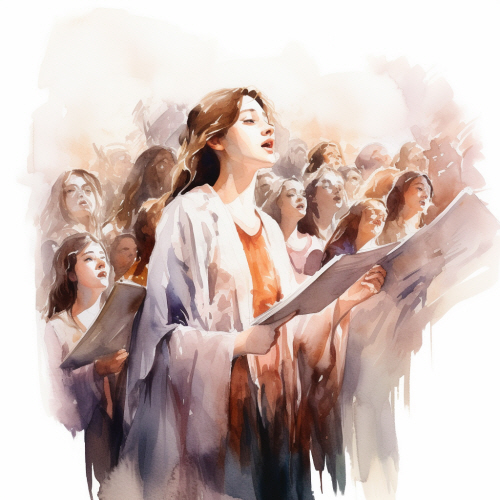
Composer:Wolfgang Amadeus MozartGenre:ChoralStyle:MassCompose Date:1791Average_duration:51:14Movement_count:14Movement ....Wolfgang Amadeus Mozart's Requiem, K. 626, is a choral masterpiece that was left unfinished at the time of his death in 1791. The composition was commissioned by Count Franz von Walsegg-Stuppach, who intended to pass it off as his own work in memory of his wife. Mozart began working on the Requiem in the summer of 1791, but he fell ill and died before he could complete it. The work was finished by Mozart's student, Franz Xaver Süssmayr, and premiered in January 1793. The Requiem is divided into fourteen movements, which are typically performed in the following order: Introitus, Kyrie, Sequentia (Dies irae, Tuba mirum, Rex tremendae, Recordare, Confutatis, Lacrimosa), Offertorium (Domine Jesu, Hostias), Sanctus, Benedictus, Agnus Dei, and Communio (Lux aeterna, Cum sanctis tuis). The work is scored for a large orchestra, including strings, woodwinds, brass, and timpani, as well as a choir and four soloists (soprano, alto, tenor, and bass). The Requiem is characterized by its dramatic and emotional intensity, as well as its use of counterpoint and chromaticism. The opening Introitus sets the tone for the entire work with its somber and mournful melody. The Dies irae sequence is particularly powerful, with its ominous brass fanfares and thundering timpani. The Recordare and Lacrimosa movements are notable for their beautiful and haunting melodies, while the Confutatis is a fiery and dramatic depiction of judgment day. The Offertorium section includes two movements, Domine Jesu and Hostias, which are often performed together. Domine Jesu is a prayer for mercy and forgiveness, while Hostias is a hymn of praise and thanksgiving. The Sanctus and Benedictus are both joyful and celebratory, with their soaring melodies and intricate harmonies. The Agnus Dei is a prayer for peace and mercy, while the Communio section concludes the work with the peaceful and serene Lux aeterna. Overall, Mozart's Requiem is a masterpiece of choral music that continues to captivate audiences with its emotional intensity and musical beauty. Despite its unfinished state, the work remains one of Mozart's most beloved and enduring compositions.More....
Works Music
Released Music
4
2:31



Featured Music
5
4:32
Recommend Playlist
















Main Perform Artists
Choir/Chorus