


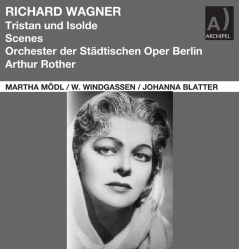
Artur Rother
Released Album
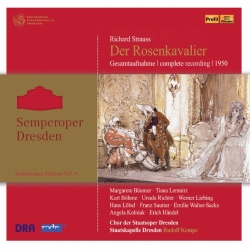
Opera
-
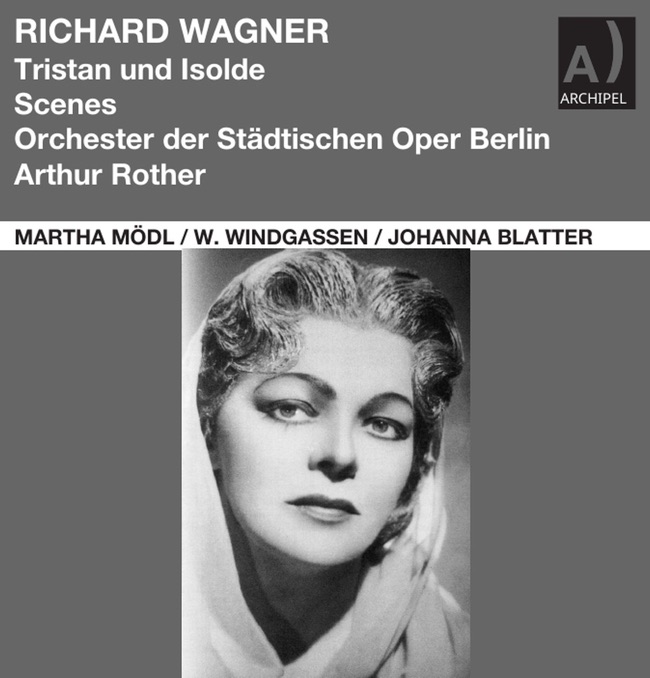 July 7, 2023
 -
 January 15, 2021
 -
 September 4, 2020
 -
 September 14, 2018
 -
-
 August 3, 2018
Concerto
-
-
 September 1, 2015
 -
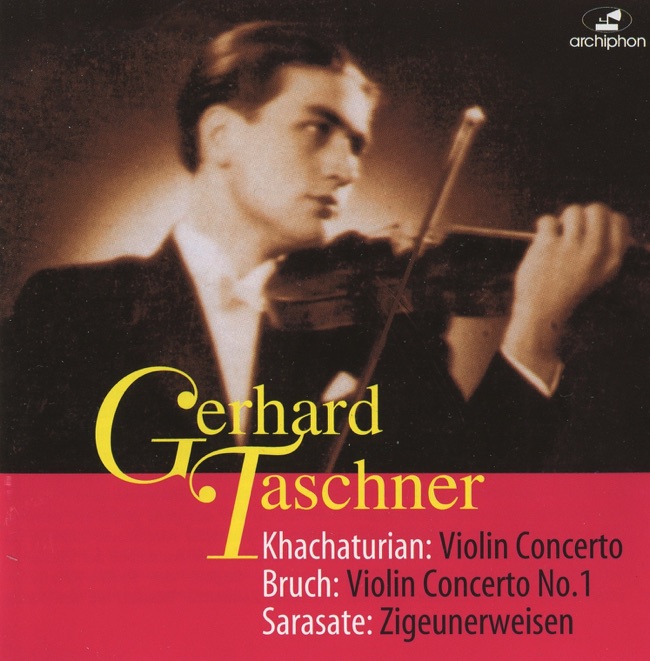 October 1, 2011
 -
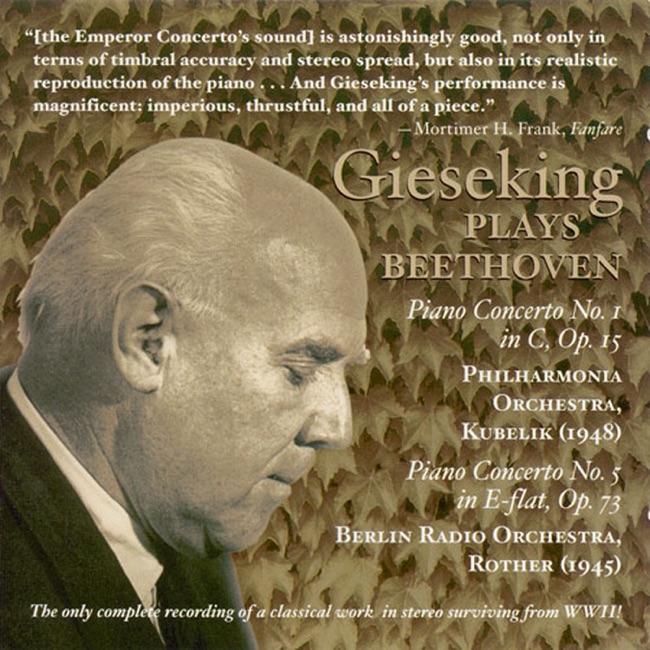 October 26, 2004
Vocal
-
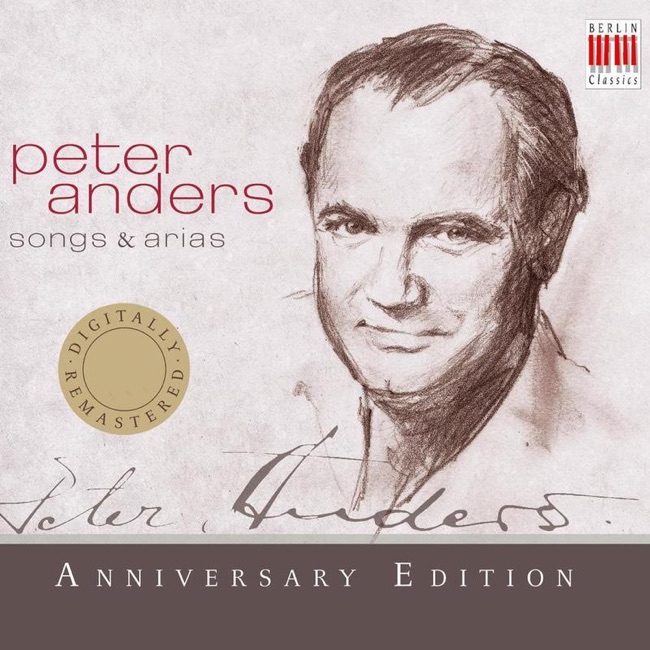 June 27, 2008
Artist Info
Role:Conductor PerformerBirth:October 12, 1885Death:September 22, 1972Genre:OperaArtur Rother was a renowned German conductor and composer who made significant contributions to the world of classical music during the 20th century. He was born on October 11, 1885, in Wuppertal, Germany, and grew up in a family of musicians. His father was a conductor, and his mother was a singer, which inspired him to pursue a career in music. Rother began his musical education at the age of six, studying piano and violin. He later attended the Cologne Conservatory, where he studied composition and conducting. After completing his studies, he worked as a conductor in various German cities, including Bremen, Kiel, and Frankfurt. In 1920, Rother was appointed as the principal conductor of the Berlin State Opera, where he remained until 1933. During his tenure, he conducted numerous operas and ballets, including works by Richard Wagner, Richard Strauss, and Giuseppe Verdi. He also collaborated with some of the most prominent singers of the time, such as Lotte Lehmann and Elisabeth Schwarzkopf. In addition to his work at the Berlin State Opera, Rother was also a guest conductor at many other leading orchestras and opera houses around the world. He conducted the Vienna State Opera, the Royal Opera House in London, and the Metropolitan Opera in New York, among others. He was particularly renowned for his interpretations of the works of Wagner, and his performances of the composer's operas were highly acclaimed. Rother was also a prolific composer, and his works were performed by many leading orchestras and ensembles. His compositions include symphonies, concertos, and chamber music, as well as operas and ballets. He was particularly interested in the music of his contemporaries, and he championed the works of many young composers, including Paul Hindemith and Kurt Weill. Despite his success as a conductor and composer, Rother's career was interrupted by the rise of the Nazi regime in Germany. As a result of his Jewish ancestry, he was forced to resign from his position at the Berlin State Opera in 1933. He subsequently emigrated to Switzerland, where he continued to work as a conductor and composer. During his exile, Rother conducted many leading orchestras in Europe and the United States, including the London Philharmonic Orchestra, the Boston Symphony Orchestra, and the Chicago Symphony Orchestra. He also continued to compose, and his works were performed by many leading ensembles. After the end of World War II, Rother returned to Germany and resumed his career as a conductor. He was appointed as the principal conductor of the Hamburg State Opera in 1949, where he remained until his retirement in 1953. He also conducted many other leading orchestras in Germany and Europe, including the Berlin Philharmonic Orchestra and the Vienna Philharmonic Orchestra. Throughout his career, Rother received many awards and honors for his contributions to the world of classical music. He was awarded the Goethe Medal in 1955, and he was made an honorary citizen of his hometown of Wuppertal in 1960. He was also awarded the Order of Merit of the Federal Republic of Germany in 1961. Artur Rother died on May 25, 1977, in Hamburg, Germany, at the age of 91. He left behind a legacy as one of the most important conductors and composers of the 20th century, and his contributions to the world of classical music continue to be celebrated today.More....
Recent Artist Music
5

Ode for St Cecilia's Day (Song for St Cecilia's Day), HWV 76
IX. Air 'Doch O, Wess Stimme Gleicht'
2:46
15
1:10

Related Artists
Copyright Ⓒ 2013 Davinci Finger. All rights reseved
Service Terms & Policy