


Margarete Teschemacher
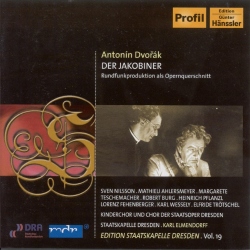
Released Album
Opera
-
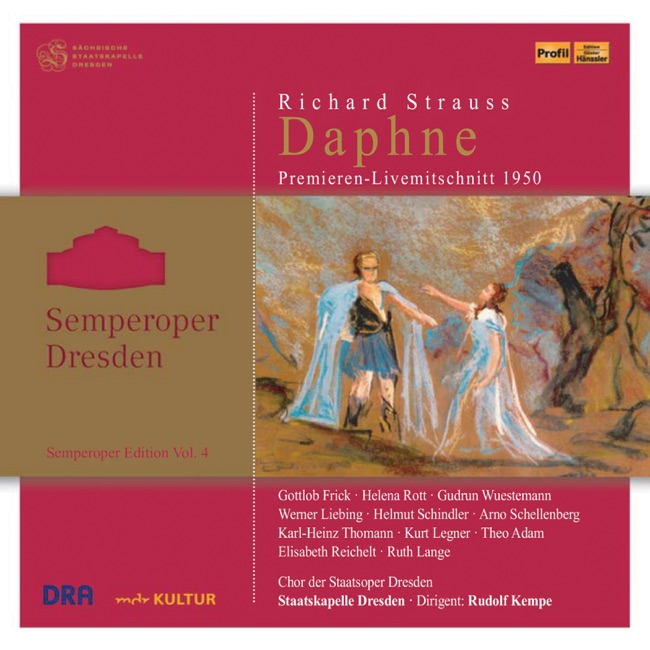 January 11, 2019
 -
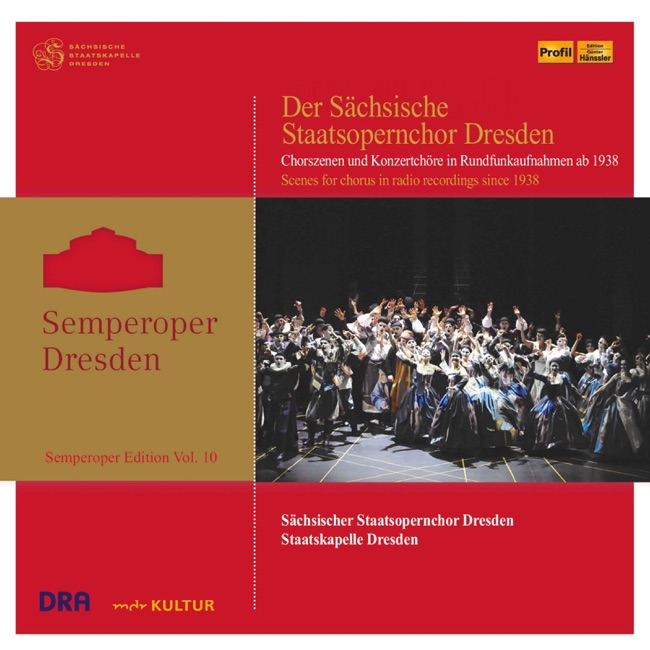
-
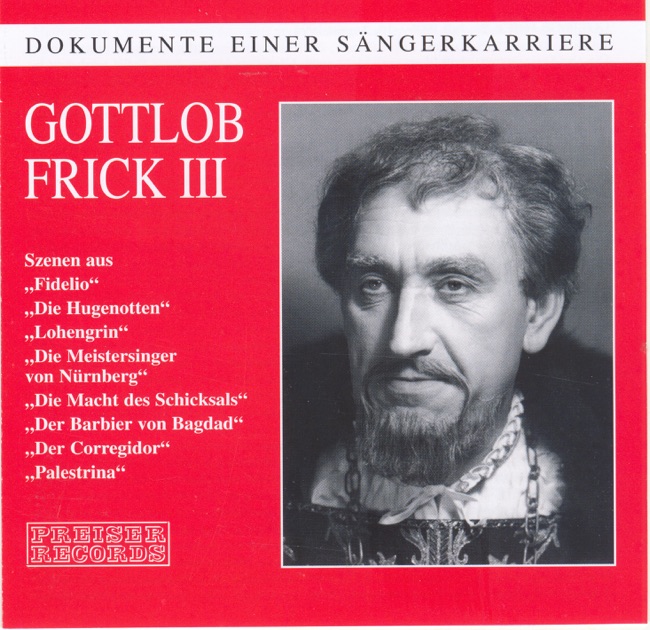 January 11, 2011
 -
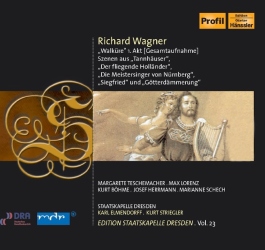
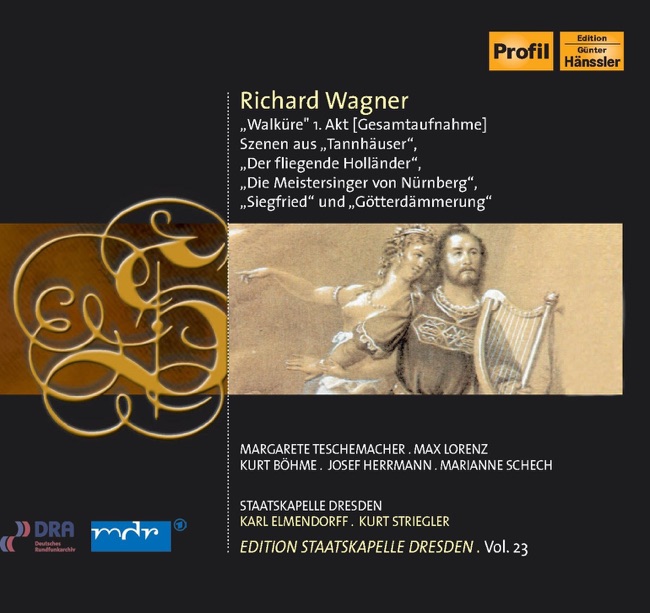 April 28, 2009
 -
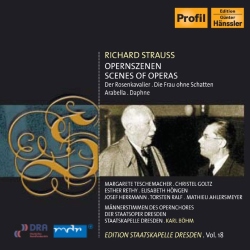
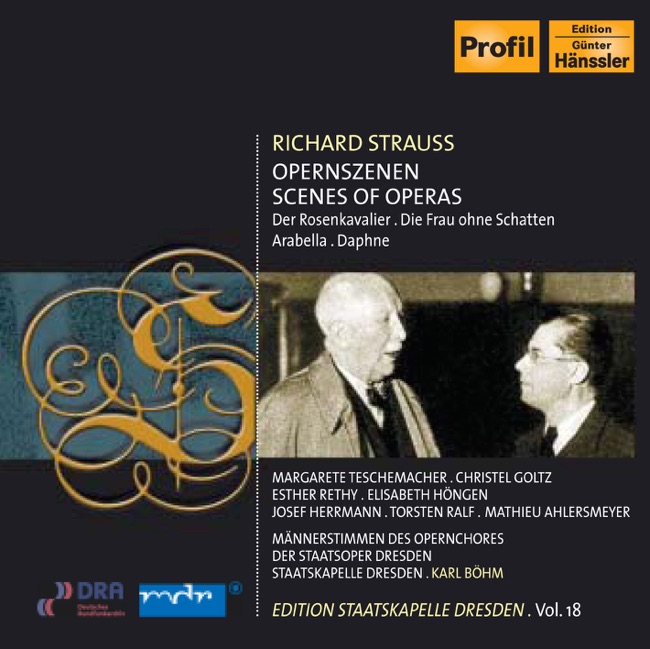 August 28, 2007
 -
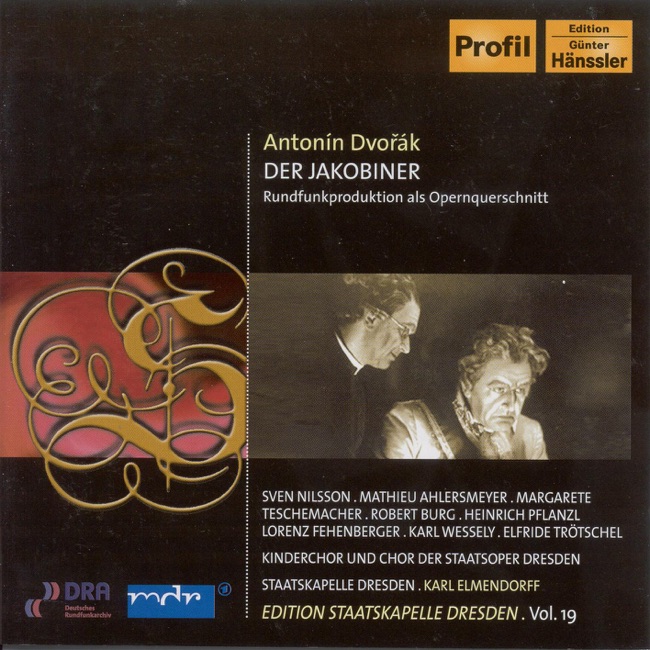
Symphony
-
 November 24, 2014
 -

-
 October 15, 2013
 -
 October 13, 2012
 -
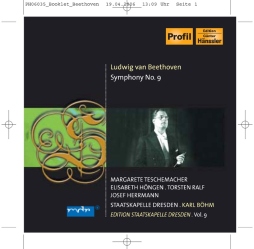
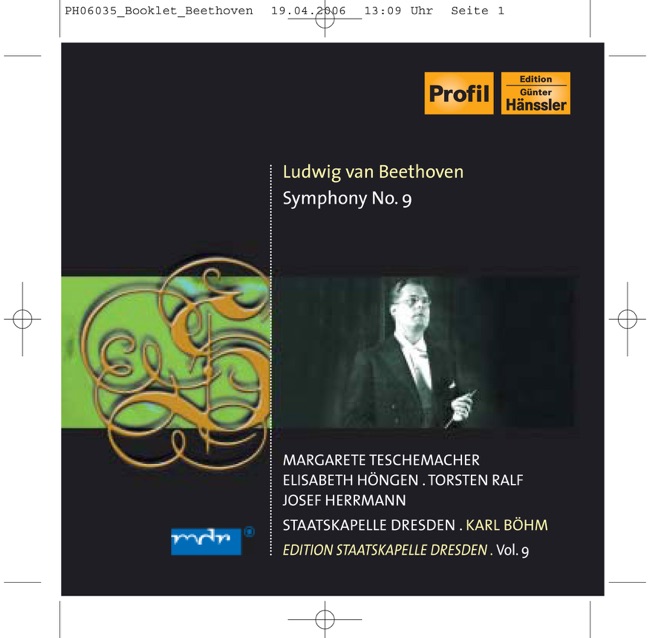 August 29, 2006
Orchestral
Artist Info
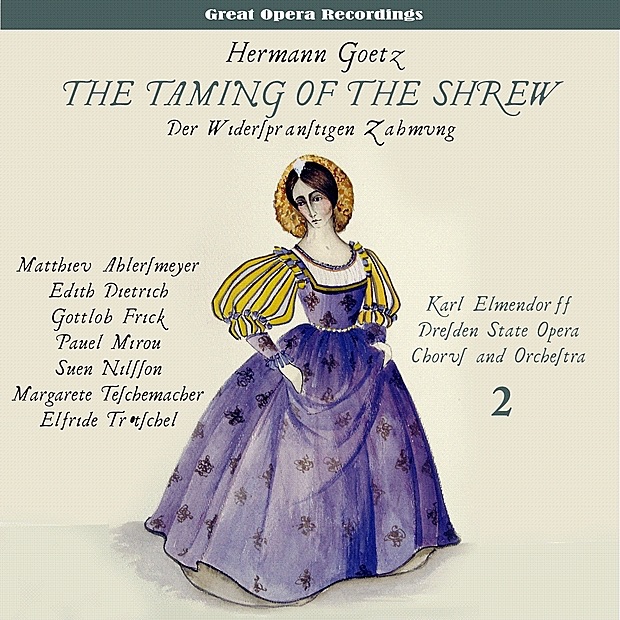
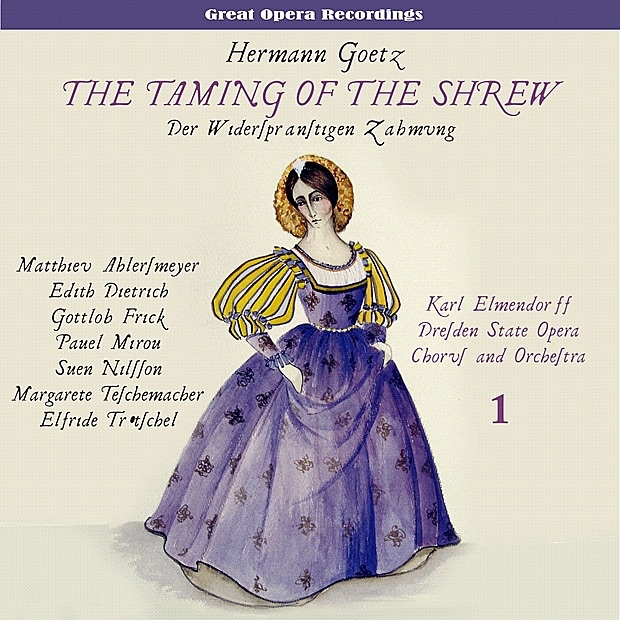
Birth:March 3, 1903 in Cologne, GermanyDeath:May 19, 1959 in GermanyPeriod:ClassicalRomanticGenre:OperaMargarete Teschemacher was a German soprano and one of the most celebrated classical music artists of her time. She was born on October 25, 1883, in Düsseldorf, Germany, to a family of musicians. Her father, Franz Teschemacher, was a well-known conductor, and her mother, Marie Teschemacher, was a pianist. Margarete showed an early interest in music and began singing at a young age. Margarete received her musical education at the Hochschule für Musik und Tanz Köln, where she studied under the renowned soprano Lilli Lehmann. She made her debut in 1906 at the Stadttheater in Mainz, Germany, as the Queen of the Night in Mozart's "The Magic Flute." Her performance was a huge success, and she quickly gained a reputation as a talented soprano. Margarete's career took off in the early 1910s when she began performing in major opera houses across Europe. She made her debut at the Royal Opera House in London in 1911 as Gilda in Verdi's "Rigoletto." Her performance was highly praised, and she became a regular performer at the Royal Opera House for the next few years. In 1913, Margarete made her debut at the Metropolitan Opera in New York City as the Queen of the Night in "The Magic Flute." Her performance was a huge success, and she quickly became a favorite among American audiences. She went on to perform at the Metropolitan Opera for the next few years, singing roles such as Lucia in Donizetti's "Lucia di Lammermoor" and Violetta in Verdi's "La Traviata." Margarete's career was interrupted by World War I, during which she returned to Germany and performed for the troops. After the war, she resumed her career and continued to perform in major opera houses across Europe. In 1924, she made her debut at the Salzburg Festival as Donna Anna in Mozart's "Don Giovanni." Her performance was highly praised, and she became a regular performer at the festival for the next few years. Margarete's career continued to flourish throughout the 1920s and 1930s. She performed in major opera houses across Europe, including the Vienna State Opera, the Berlin State Opera, and the Paris Opera. She also made several recordings, including a highly acclaimed recording of Mozart's "The Magic Flute" with conductor Bruno Walter. Margarete's career was again interrupted by World War II, during which she was forced to retire from performing. After the war, she returned to the stage and continued to perform until her retirement in 1950. She died on January 26, 1951, in Berlin, Germany, at the age of 67. Margarete received several awards and honors throughout her career. In 1919, she was awarded the title of Kammersängerin by the Bavarian State Opera. In 1925, she was awarded the title of Kammersängerin by the Vienna State Opera. She was also awarded the Order of Merit of the Federal Republic of Germany in 1950. Margarete Teschemacher was a talented soprano and one of the most celebrated classical music artists of her time. Her performances were highly praised, and she became a favorite among audiences around the world. Her legacy continues to live on through her recordings and the memories of those who were fortunate enough to see her perform live.More....
Recent Artist Music
Related Artists
Copyright Ⓒ 2013 Davinci Finger. All rights reseved
Service Terms & Policy