


Giacomo Meyerbeer
Released Album
Opera
-
 March 1, 2024
 -

-
 March 24, 2023
 -
 March 17, 2023
 -
 January 7, 2023
 -
 October 28, 2022
Vocal
-
 September 15, 2017
 -
 December 2, 2016
 -
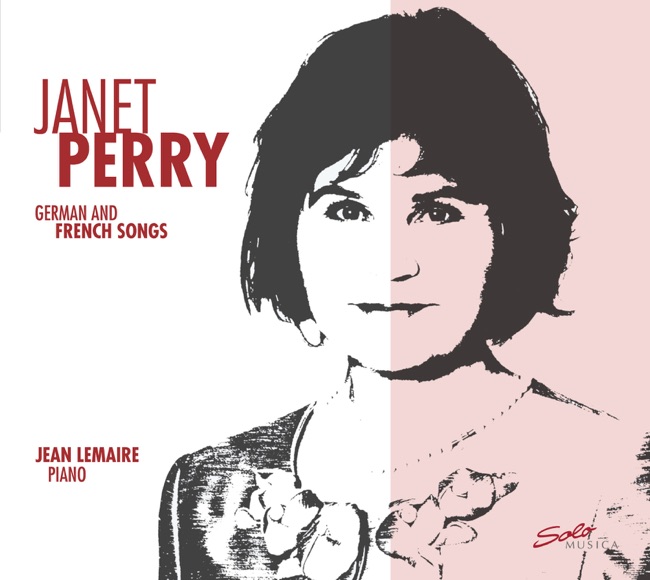 August 12, 2016
 -
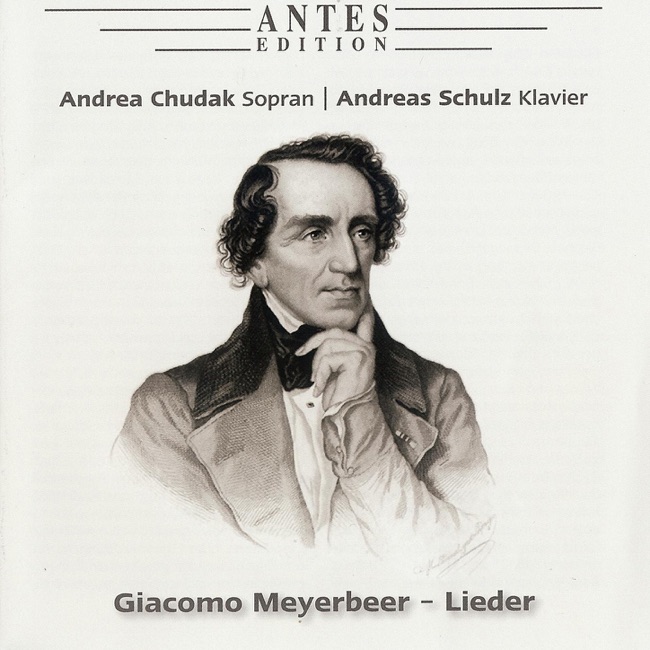 February 10, 2015
 -
 November 5, 2012
 -
 July 26, 2011
Ballet
-
 January 13, 2009
 -
 January 1, 1979
Orchestral
-
 April 25, 2011
 -
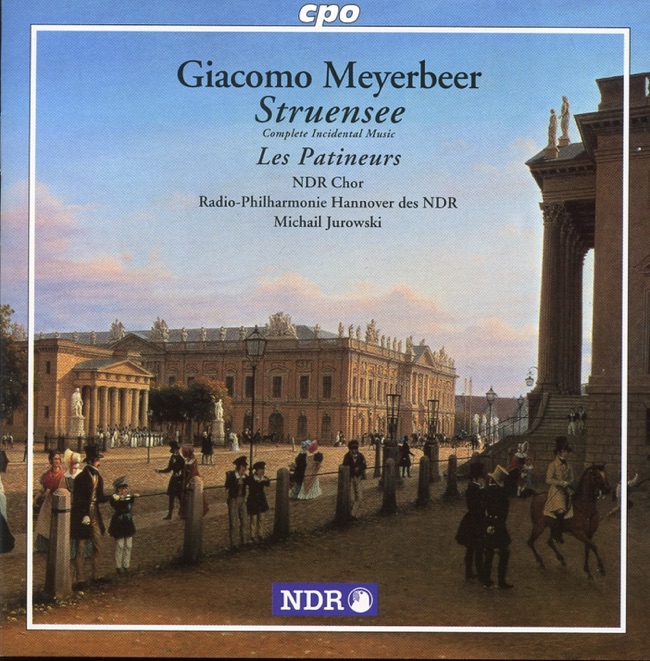 May 26, 1998
 -
 June 30, 1997
 -
 June 30, 1997
 -
 January 1, 1963
Artist Info
Role:ComposerCountry: GermanyBirth:September 5, 1791 in Vogelsdorf, GermanyDeath:May 2, 1864 in Paris, FrancePeriod:RomanticGenre:OperaGiacomo Meyerbeer was a prominent composer of the 19th century, known for his grand operas and innovative use of orchestration. Born on September 5, 1791, in Berlin, Germany, Meyerbeer was the son of a wealthy Jewish banker, Jacob Herz Beer. His family was highly cultured and encouraged his musical education from a young age. Meyerbeer began his musical studies with the composer and pianist Johann Georg Albrechtsberger, who had also taught Ludwig van Beethoven. He later studied with the composer and conductor Carl Friedrich Zelter, who introduced him to the works of Johann Sebastian Bach and George Frideric Handel. Meyerbeer also studied with the Italian composer Gaspare Spontini, who had a significant influence on his style. In 1810, Meyerbeer moved to Darmstadt, where he became the court composer for the Grand Duke of Hesse. He composed a number of works during this time, including his first opera, Jephthas Gelübde, which premiered in 1812. Meyerbeer's early works were heavily influenced by the German Romantic tradition, but he also incorporated elements of Italian opera and French grand opera. In 1814, Meyerbeer moved to Paris, where he became a prominent figure in the city's musical scene. He quickly established himself as a composer of grand opera, a genre that was becoming increasingly popular in France. His first major success came with the opera Robert le diable, which premiered at the Paris Opéra in 1831. The opera was a sensation, with its innovative use of orchestration and dramatic staging. Meyerbeer's next opera, Les Huguenots, premiered in 1836 and was even more successful than Robert le diable. The opera was a grand spectacle, with a cast of hundreds and elaborate sets and costumes. It was also notable for its use of historical events as a backdrop for the drama, a trend that would become a hallmark of Meyerbeer's work. Meyerbeer continued to compose grand operas throughout the 1840s and 1850s, including Le prophète, L'étoile du nord, and Dinorah. His operas were known for their complex plots, lush orchestration, and dramatic staging. Meyerbeer was also a master of the ensemble scene, in which multiple characters sing different melodies simultaneously, creating a complex and richly textured musical tapestry. Despite his success, Meyerbeer was not without his critics. Some accused him of pandering to popular tastes and sacrificing artistic integrity for commercial success. Others criticized his use of historical events as a backdrop for his operas, arguing that he distorted the facts for dramatic effect. Meyerbeer's final opera, L'Africaine, was left unfinished at the time of his death in 1864. The opera was completed by his friend and fellow composer François-Joseph Fétis and premiered in 1865. L'Africaine was not as successful as Meyerbeer's earlier operas, and it marked the end of the grand opera tradition in France. Despite the mixed reception to his work, Meyerbeer's influence on the development of opera cannot be overstated. His use of orchestration and dramatic staging paved the way for the works of Richard Wagner and other composers of the late 19th century. His operas also had a significant impact on the development of French grand opera, which would continue to be a popular genre well into the 20th century. In conclusion, Giacomo Meyerbeer was a highly influential composer of the 19th century, known for his grand operas and innovative use of orchestration.More....
Recent Artist Music






















Related Artists
Copyright Ⓒ 2013 Davinci Finger. All rights reseved
Service Terms & Policy