


Gottlob Frick
Released Album
Opera
-
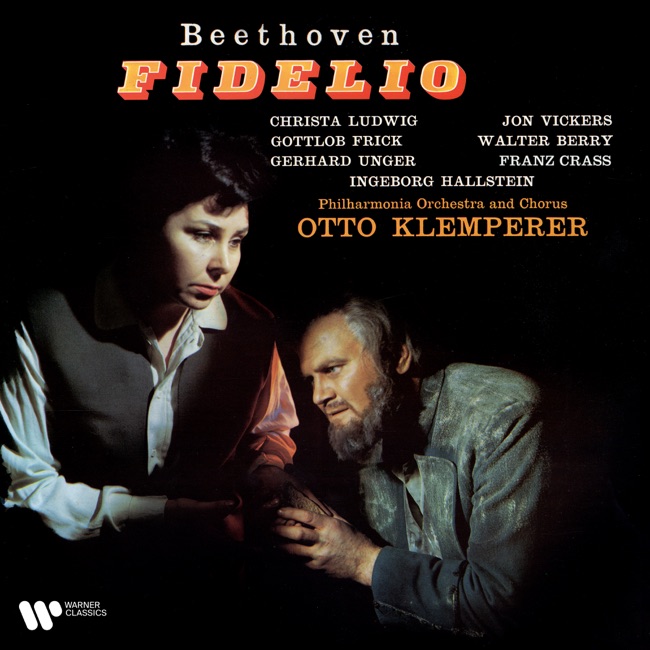 November 17, 2023
 -
 December 9, 2022
 -
 September 30, 2022
 -
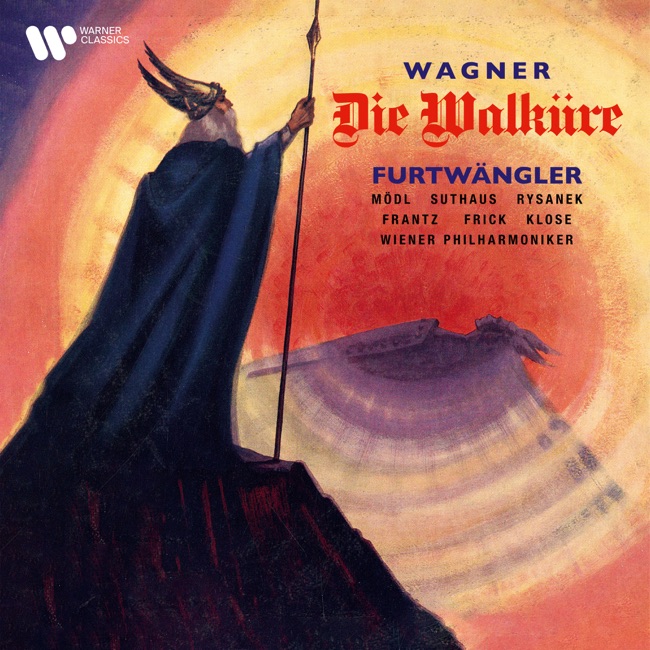 October 8, 2021
 -
 July 9, 2021
 -
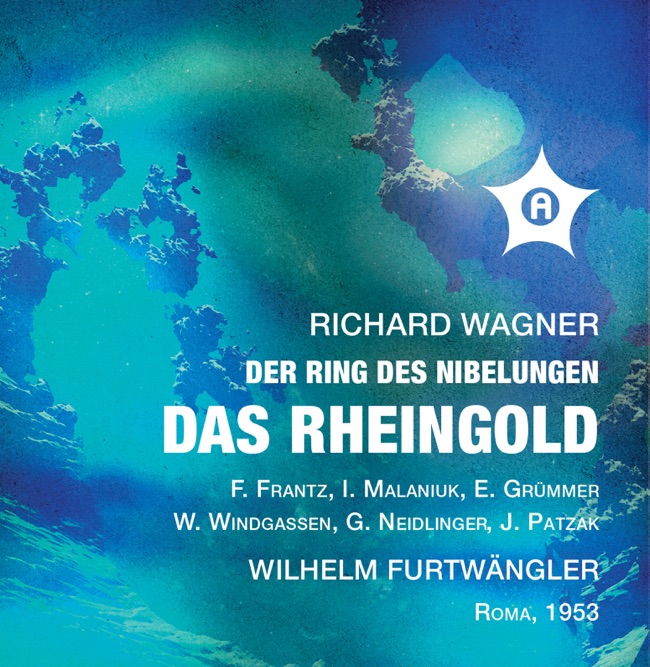 April 16, 2021
Choral
-
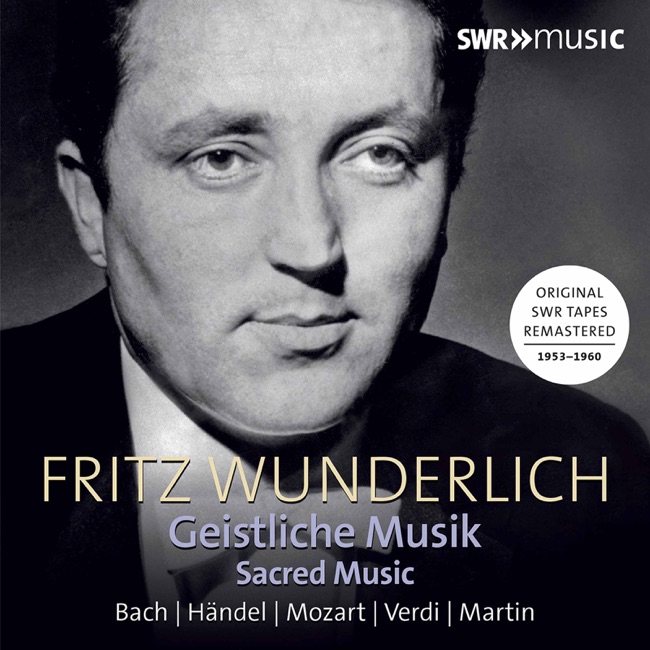 March 12, 2021
 -
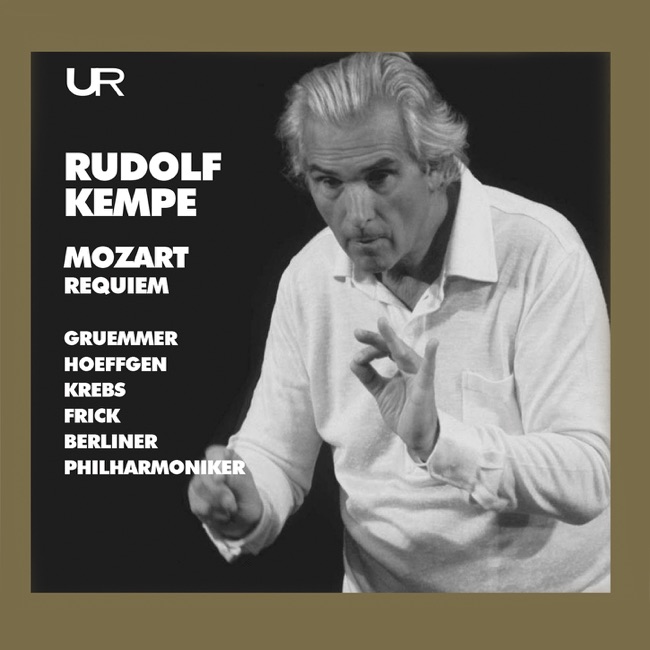 November 6, 2020
 -
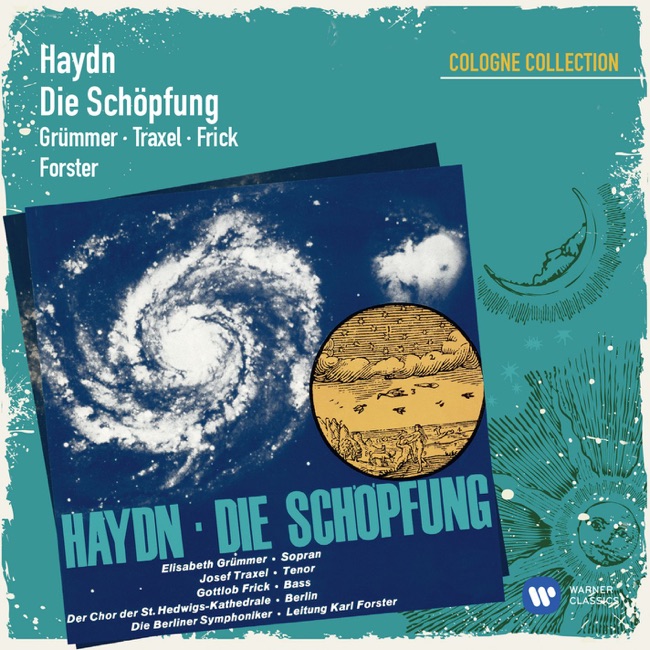 February 5, 2013
 -
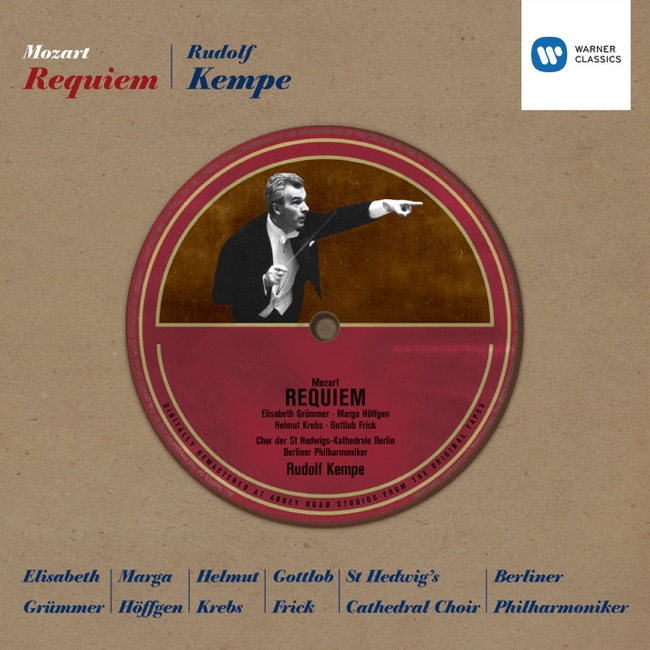 June 6, 2006
 -
 April 11, 1995
 -
 January 1, 1966
Symphony
-
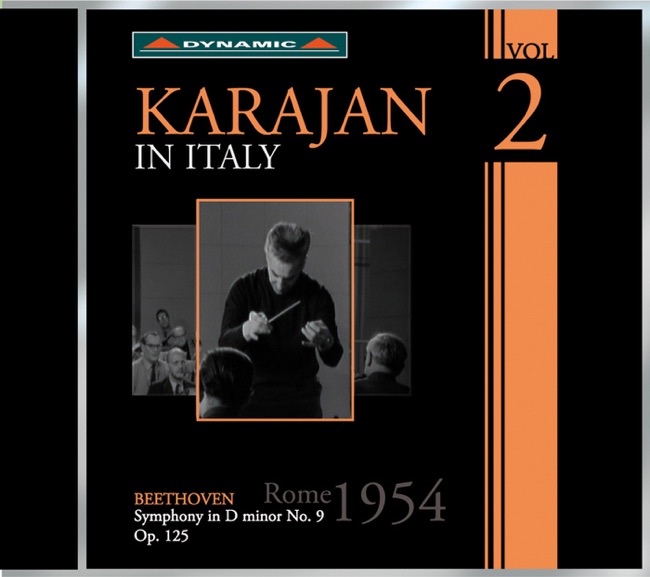 November 22, 2011
 -
 March 10, 2009
 -
Vocal
-
 October 28, 2014
Artist Info
Role:ConductorCountry: GermanyBirth:July 28, 1906 in Olbronn, GermanyDeath:August 18, 1994 in MuhlackerPeriod:ClassicalRomanticGenre:OperaGottlob Frick was a renowned German bass-baritone who made a significant contribution to the world of classical music. He was born on July 28, 1906, in Ölbronn-Dürrn, a small town in the state of Baden-Württemberg, Germany. Frick was the youngest of six children and grew up in a musical family. His father was a church organist, and his mother was a singer. Frick's siblings were also musically inclined, and they often performed together as a family choir. Frick's musical talent was evident from a young age, and he began singing in his father's church choir when he was just six years old. He received formal vocal training at the Stuttgart Conservatory, where he studied under the renowned bass-baritone Georg Hann. Frick's deep, resonant voice and exceptional vocal range quickly caught the attention of his teachers, and he was soon performing in operas and concerts throughout Germany. Frick made his professional debut in 1934 at the Stadttheater in Freiburg, where he sang the role of Rocco in Beethoven's Fidelio. He quickly gained a reputation as one of the most promising young bass-baritones in Germany, and his career took off. In 1936, he joined the Berlin State Opera, where he remained for the next 25 years. During his time at the Berlin State Opera, Frick performed in over 100 different roles, including many of the great bass-baritone roles in the operatic repertoire. Frick's performances were characterized by his powerful voice, impeccable technique, and dramatic intensity. He was particularly renowned for his performances of Wagnerian roles, including Hagen in Götterdämmerung, Wotan in Die Walküre, and the Dutchman in Der fliegende Holländer. Frick's interpretation of these roles was widely regarded as some of the finest in the history of opera, and he was often compared to the great bass-baritones of the past, such as Feodor Chaliapin and Hans Hotter. In addition to his work in the opera house, Frick was also a prolific concert performer. He sang in many of the great concert halls of Europe, including the Royal Albert Hall in London, the Concertgebouw in Amsterdam, and the Musikverein in Vienna. Frick's concert repertoire included works by Bach, Handel, Mozart, Beethoven, and Schubert, as well as many of the great German lieder composers, such as Schumann, Brahms, and Wolf. Frick's career was not without its challenges, however. He lived and worked through some of the most tumultuous periods in German history, including the rise of the Nazi party and World War II. Frick was a member of the Nazi party, which caused controversy in later years. However, he was not an active participant in the party's activities and was not involved in any war crimes or atrocities. Despite the challenges he faced, Frick continued to perform throughout the war years, often in difficult conditions. He was once forced to sing in a bombed-out opera house in Berlin, with no electricity or heating. Frick's dedication to his art and his audiences was unwavering, and he continued to perform until the end of the war. After the war, Frick's career continued to flourish. He performed in many of the great opera houses of Europe, including the Royal Opera House in London, La Scala in Milan, and the Paris Opera. He also made several tours of the United States, where he was widely acclaimed for his performances in Wagnerian roles. Frick's career was marked by many highlights and achievements.More....
Recent Artist Music
1
4:31

Recommend Playlist









Related Artists
Copyright Ⓒ 2013 Davinci Finger. All rights reseved
Service Terms & Policy