


Bernard Herrmann
Released Album
Film
-

-
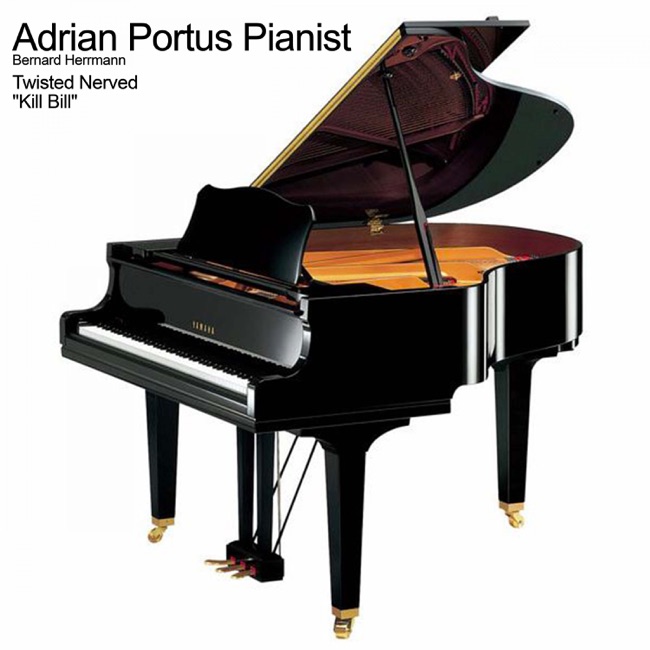 October 1, 2022
 -
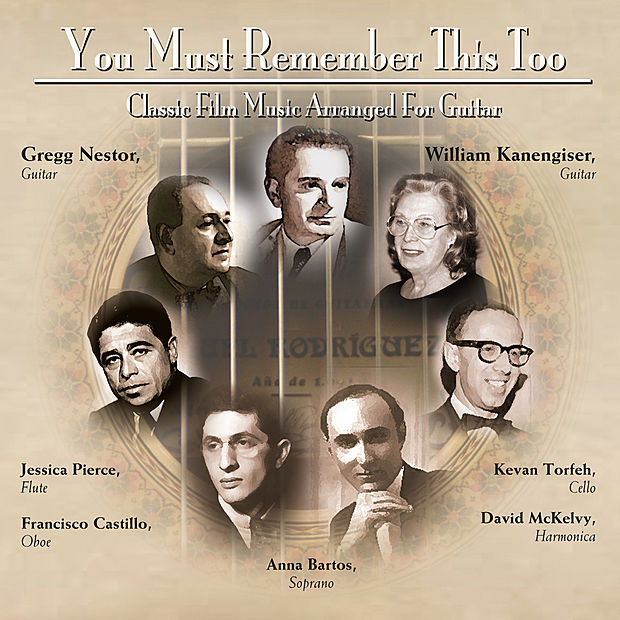 November 17, 2017
 -
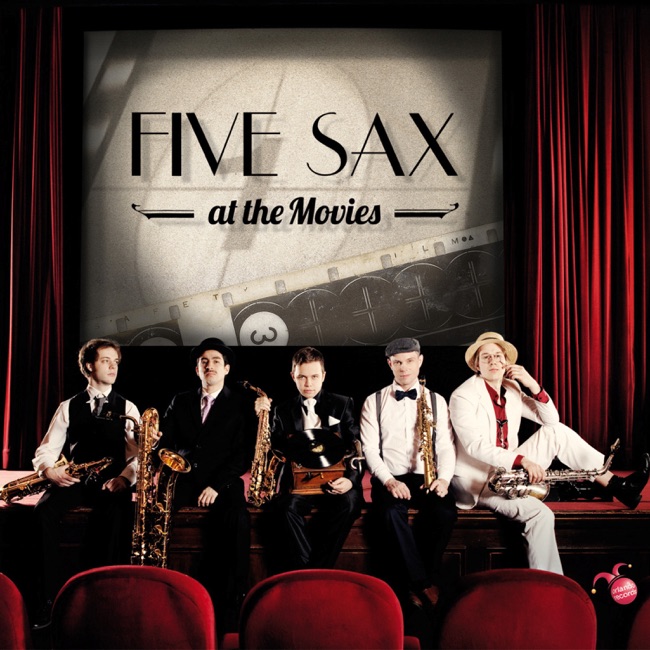 May 12, 2015
 -
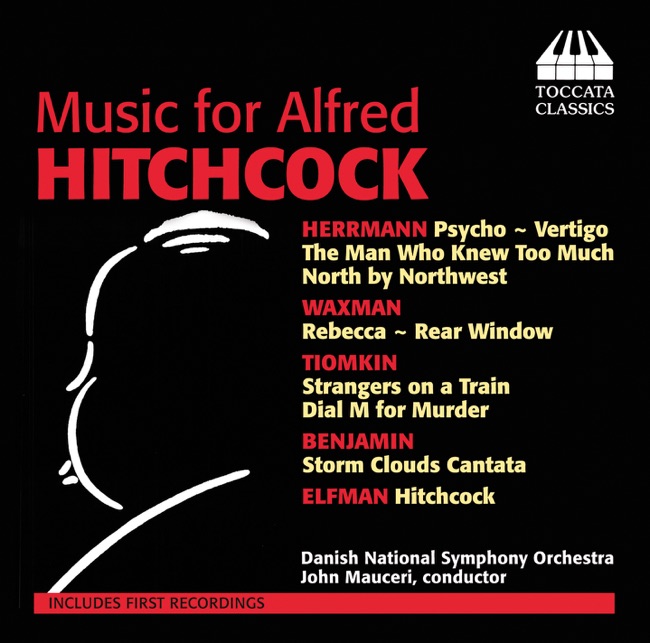 August 12, 2014
 -
 April 1, 2014
Orchestral
-
 September 27, 2005
 -
 September 21, 2004
 -
-
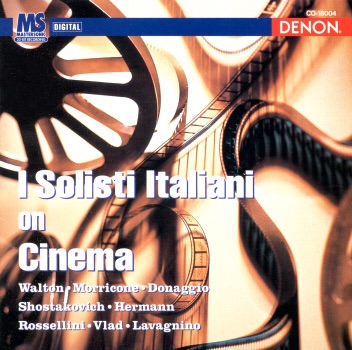 November 19, 1996
 -
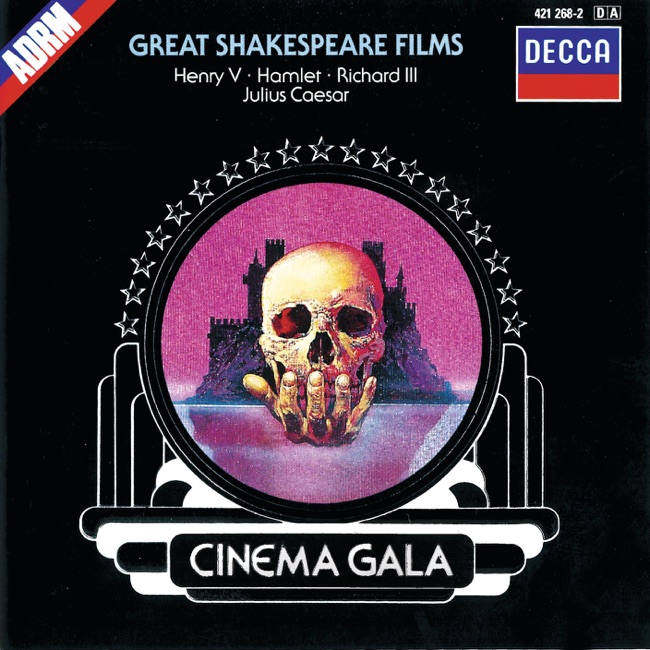 May 9, 1989
 -
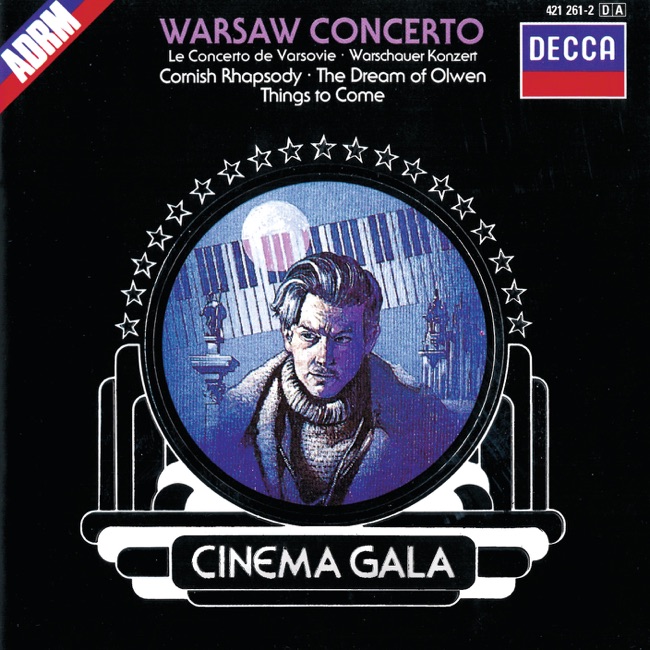 January 1, 1988
Concerto
-
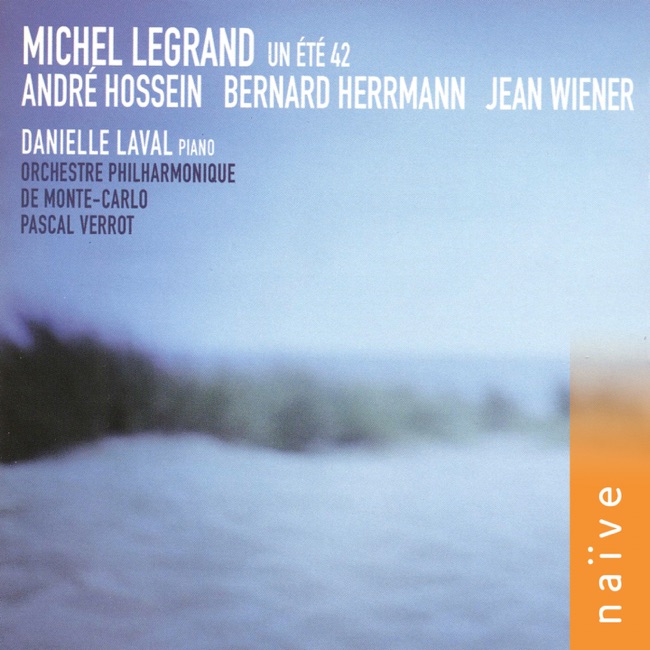 August 17, 2004
 -
Chamber
-
-
 November 11, 2016
 -
 February 1, 2011
 -
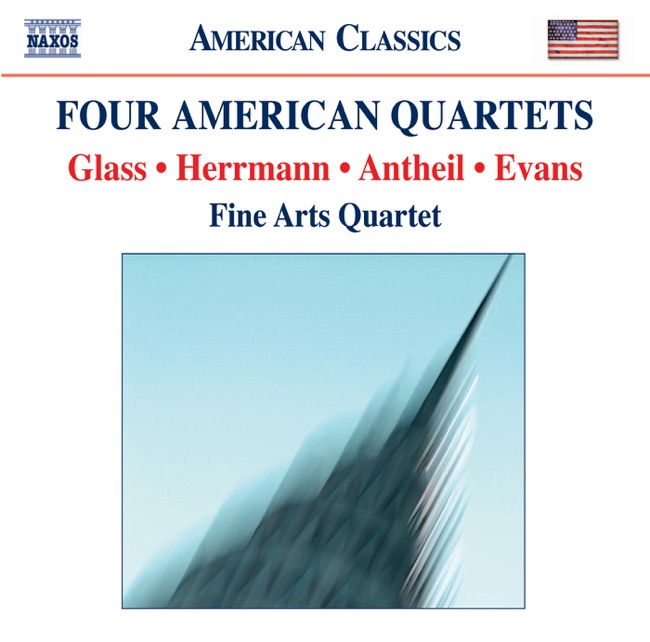 July 29, 2008
 -
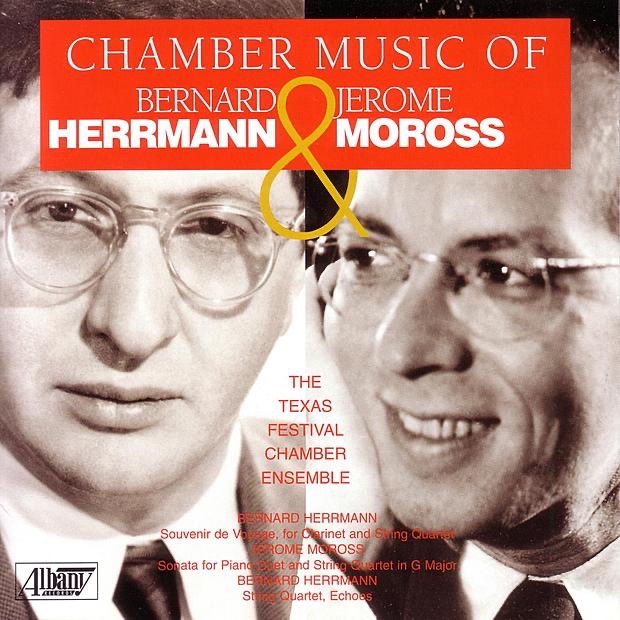 August 24, 1999
 -
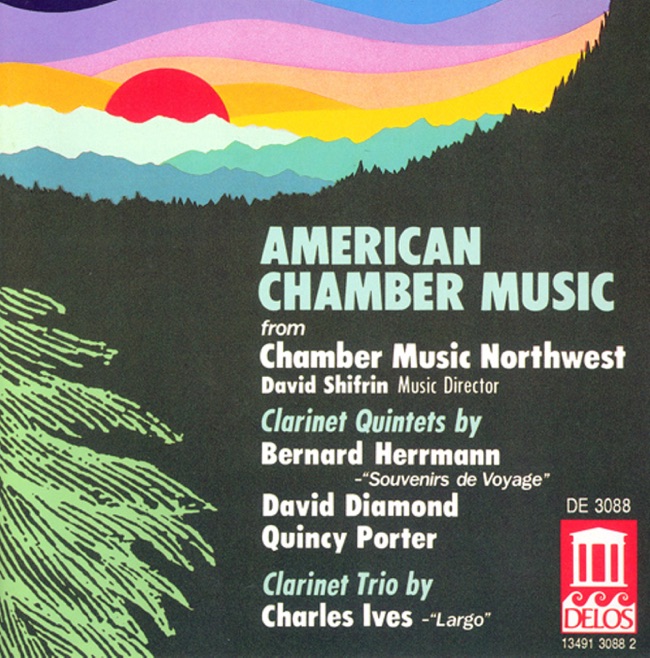 December 11, 1992
Artist Info
Role:Composer ConductorCountry: United States of AmericaBirth:June 29, 1911 in New York City, NYDeath:December 24, 1975 in Los Angeles, CAGenre:FilmBernard Herrmann was a renowned American composer and conductor, best known for his contributions to the world of classical music and film scores. Born on June 29, 1911, in New York City, Herrmann showed an early interest in music and began studying the violin at the age of eight. He later attended DeWitt Clinton High School, where he continued to hone his musical skills and developed a passion for composition. After graduating from high school, Herrmann enrolled at New York University, where he studied music theory and composition under the tutelage of Philip James. He also began working as a freelance composer and arranger, writing music for radio programs and other media. In 1934, he landed a job as a staff conductor for CBS Radio, where he worked for the next 15 years. During his time at CBS, Herrmann composed music for a wide range of programs, including dramas, comedies, and variety shows. He also worked on several notable radio plays, including Orson Welles' infamous "War of the Worlds" broadcast in 1938. Herrmann's work on the program helped establish him as one of the most talented and innovative composers of his time. In the 1940s, Herrmann began to branch out into other areas of music, including film scores. His first major film project was the score for "Citizen Kane," which he composed in 1941. The film, which was directed by Orson Welles, is widely regarded as one of the greatest movies ever made, and Herrmann's score played a significant role in its success. The score was notable for its use of unconventional instruments, including a bass harmonica and a glass harmonica, and its haunting, atmospheric sound. Herrmann went on to compose scores for several other classic films, including "The Day the Earth Stood Still" (1951), "Vertigo" (1958), and "Psycho" (1960). His work on "Psycho," in particular, is considered a masterpiece of film scoring. The score, which features only strings and percussion, is sparse and unsettling, perfectly capturing the mood of the film's tense and suspenseful scenes. In addition to his work in film, Herrmann continued to compose classical music throughout his career. He wrote several operas, including "Wuthering Heights" (1951) and "The King of Schnorrers" (1979), as well as numerous orchestral works and chamber pieces. His music was known for its emotional intensity, complex harmonies, and innovative use of orchestration. Herrmann's career was cut short by his untimely death in 1975, at the age of 64. However, his legacy lives on through his music, which continues to be celebrated and studied by musicians and music lovers around the world. His influence can be heard in the work of many contemporary composers, and his innovative approach to film scoring has had a lasting impact on the industry. In conclusion, Bernard Herrmann was a gifted and innovative composer who made significant contributions to the world of classical music and film scoring. His work was characterized by its emotional intensity, complex harmonies, and innovative use of orchestration, and his influence can still be felt in the work of many contemporary composers. Despite his untimely death, Herrmann's legacy lives on through his music, which continues to be celebrated and studied by musicians and music lovers around the world.More....
Recent Artist Music


7
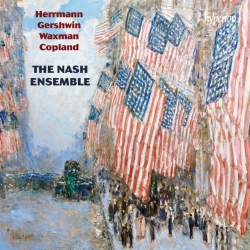
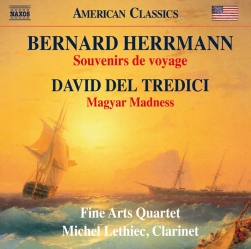
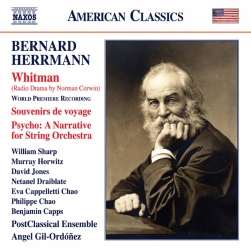
Souvenirs de Voyage for clarinet & string quartet
Lento: Molto tranquillo - Allegro moderato - Lento: Molto tranquillo - Adagio
11:44








Related Artists
Copyright Ⓒ 2013 Davinci Finger. All rights reseved
Service Terms & Policy