


Alfred Newman
Released Album
Film
-
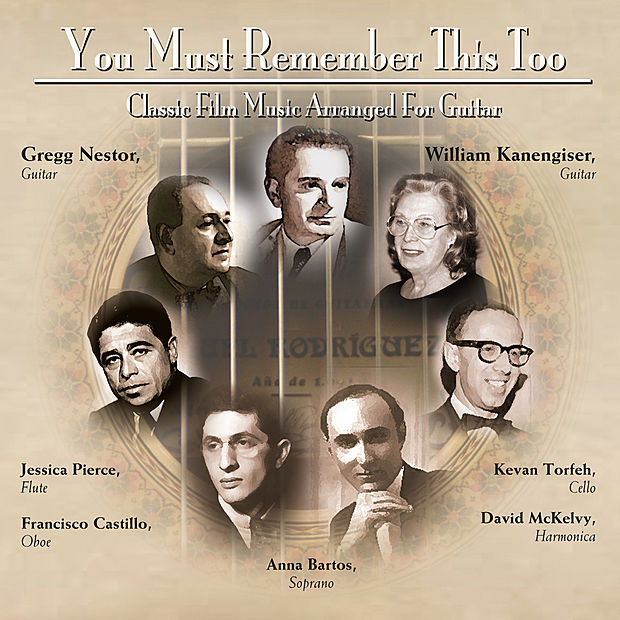 November 17, 2017
 -
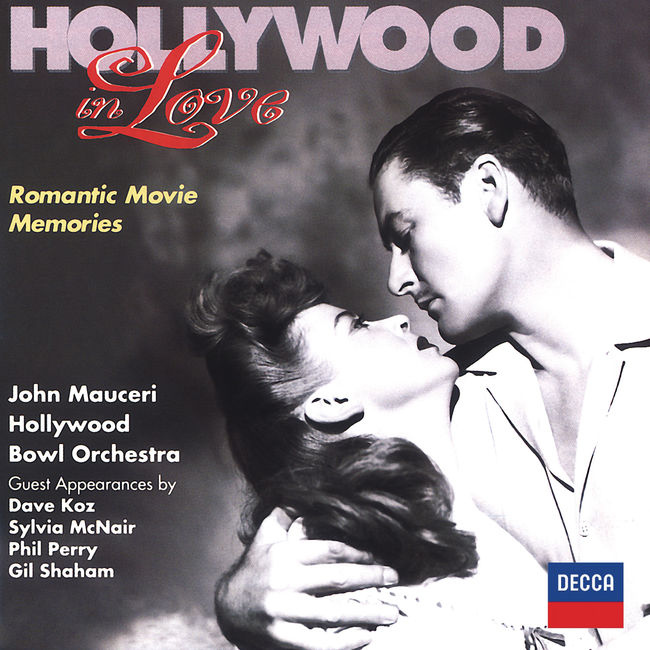 February 11, 2014
 -
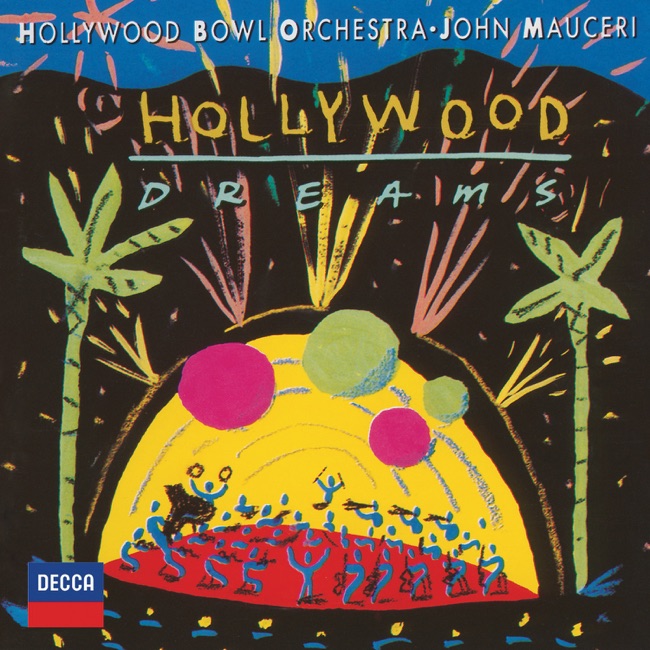 February 11, 2014
 -
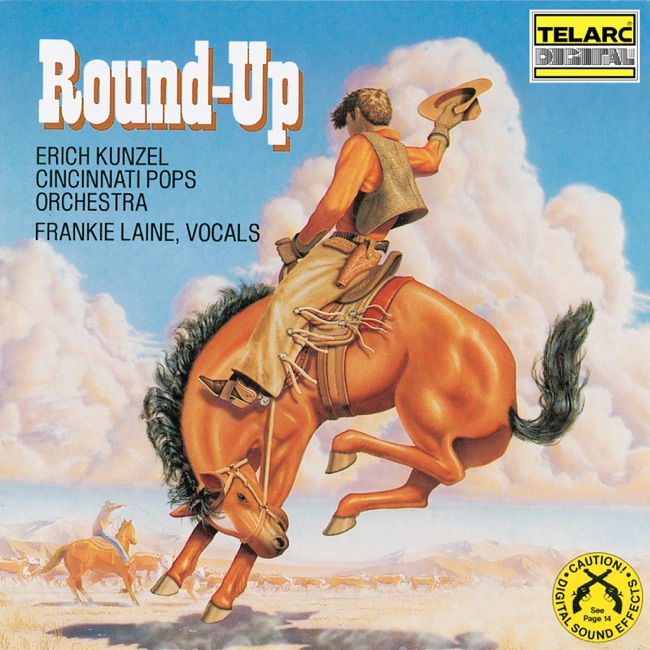 November 19, 2013
 -
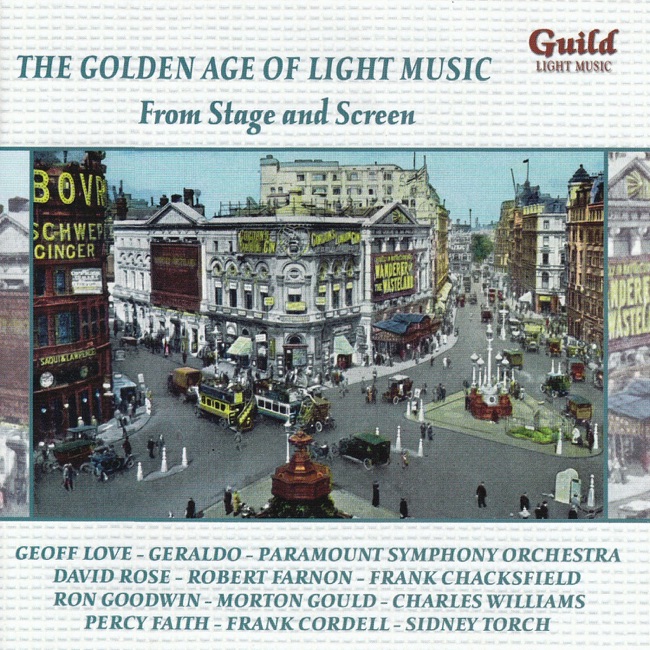 April 14, 2009
 -
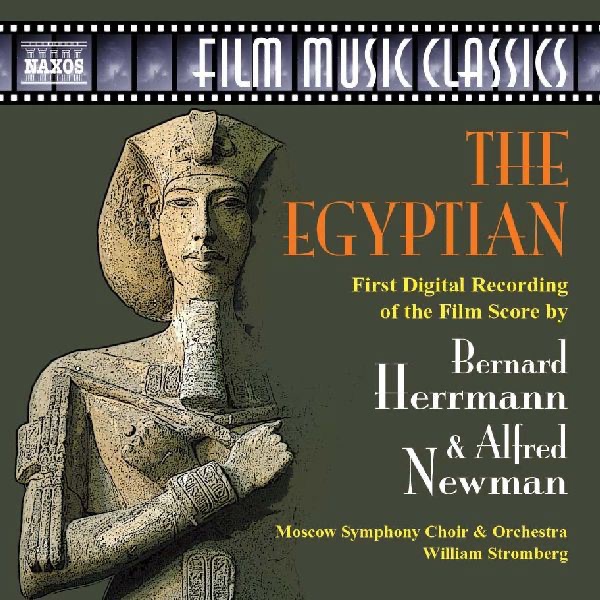 October 1, 2007
Opera
-
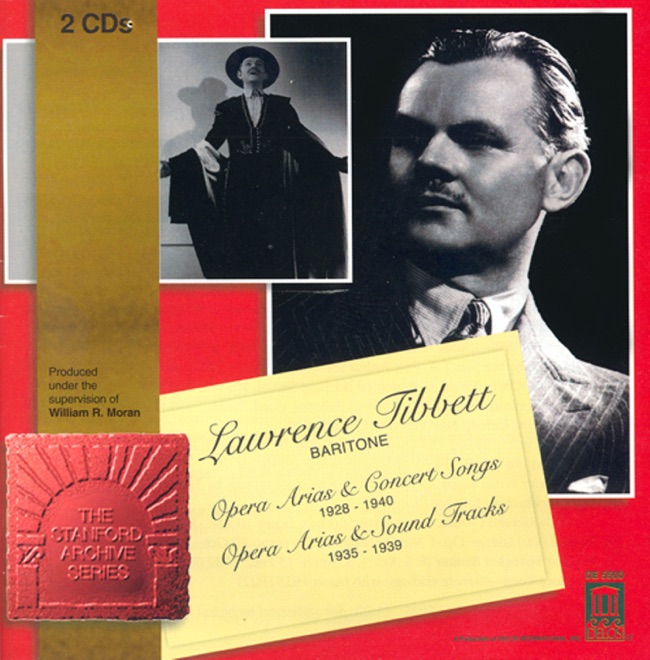 May 20, 1997
Artist Info
Role:Composer Conductor PerformerCountry: United States of AmericaBirth:March 17, 1901 in New Haven, CTDeath:February 17, 1970 in Hollywood, CAGenre:FilmAlfred Newman was a renowned American composer, conductor, and arranger who made significant contributions to the world of classical music. Born on March 17, 1900, in New Haven, Connecticut, Newman was the youngest of ten children in a family of musicians. His father, a Russian-Jewish immigrant, was a violinist and conductor, while his mother was a pianist and music teacher. Growing up in a musical household, Newman was exposed to music from an early age and showed a natural talent for the piano. Newman's formal music education began at the age of six when he started taking piano lessons from his mother. He later studied at the New Haven High School of Music and the Yale School of Music, where he received a degree in music composition. During his time at Yale, Newman was a member of the school's glee club and orchestra, and he also played piano in jazz bands to earn extra money. After graduating from Yale, Newman moved to New York City, where he began his career as a pianist and arranger. He worked for various music publishers and radio stations, and he also played in jazz bands and dance orchestras. In 1929, Newman moved to Hollywood, where he was hired as a staff arranger for United Artists. He quickly established himself as one of the top arrangers in the film industry, and he worked on numerous films, including "All Quiet on the Western Front" and "The Hunchback of Notre Dame." In 1930, Newman was hired by 20th Century Fox as the head of the studio's music department. He held this position for over two decades and was responsible for the music in hundreds of films. Newman's contributions to the film industry were significant, and he is credited with revolutionizing film scoring by introducing the concept of the "film score," which is a complete musical composition that accompanies a film from beginning to end. Newman's film scores were known for their lush orchestration and emotional depth. He was a master of creating memorable melodies and using music to enhance the emotional impact of a film. Some of his most famous film scores include "Wuthering Heights," "The Song of Bernadette," and "The Diary of Anne Frank." Newman won nine Academy Awards for Best Original Score, which is a record that still stands today. In addition to his work in film, Newman was also a prolific composer of concert music. He wrote numerous symphonies, concertos, and chamber works, many of which were performed by major orchestras around the world. Newman's concert music was heavily influenced by his film work, and he often used film techniques such as leitmotifs and programmatic music in his concert works. Newman was also a respected conductor, and he led many of the world's top orchestras, including the Los Angeles Philharmonic, the New York Philharmonic, and the London Symphony Orchestra. He was known for his meticulous attention to detail and his ability to bring out the best in his musicians. Newman's legacy in the world of classical music is significant. He was a pioneer in the field of film scoring and helped to establish it as a legitimate art form. His film scores are still studied and admired by composers today, and his concert music continues to be performed and recorded. Newman's contributions to the world of music were recognized in 1978 when he was inducted into the Songwriters Hall of Fame. Alfred Newman passed away on February 17, 1970, at the age of 69.More....
Recent Artist Music

Related Artists
Copyright Ⓒ 2013 Davinci Finger. All rights reseved
Service Terms & Policy