


Aram Khachaturian
Released Album
Ballet
-
 February 10, 2023
Orchestral
-
-
 April 5, 2024
 -
 March 16, 2024
 -
 January 19, 2024
 -
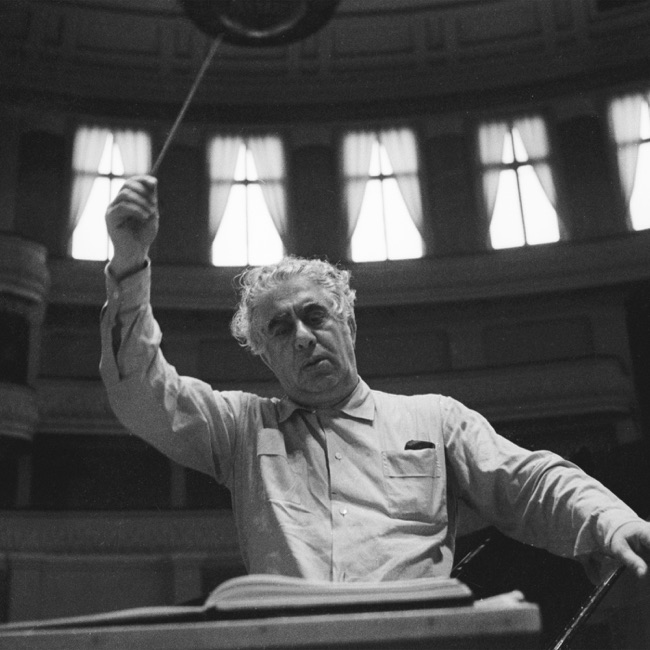 June 2, 2023
 -
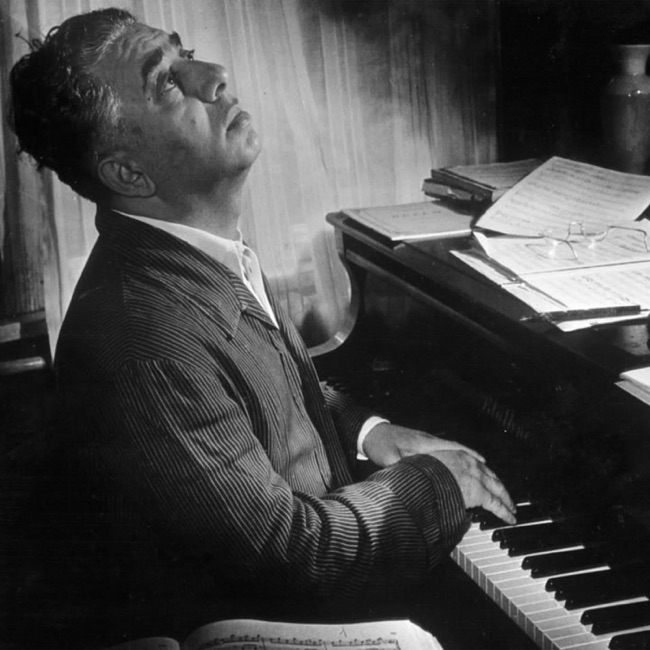 April 28, 2023
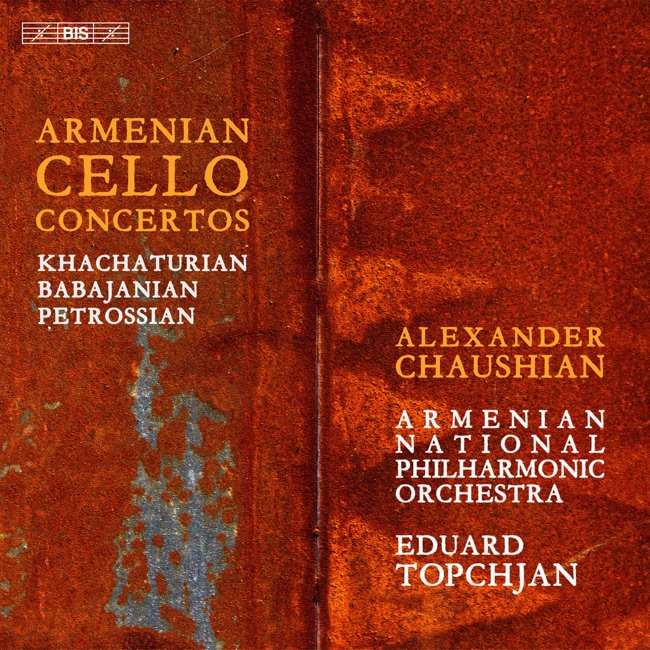
Concerto
-
-
-
 April 7, 2023
 -
 March 2, 2023
 -
 December 22, 2022
 -
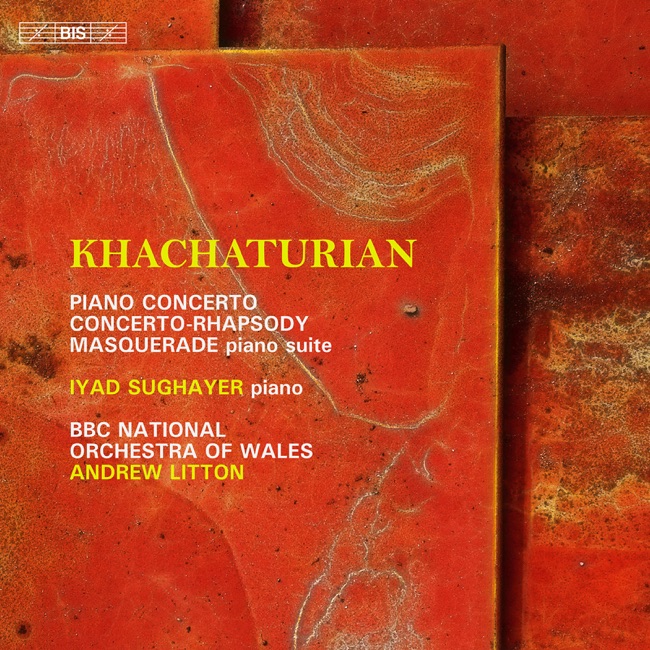 September 2, 2022
Keyboard
-
-
-
-
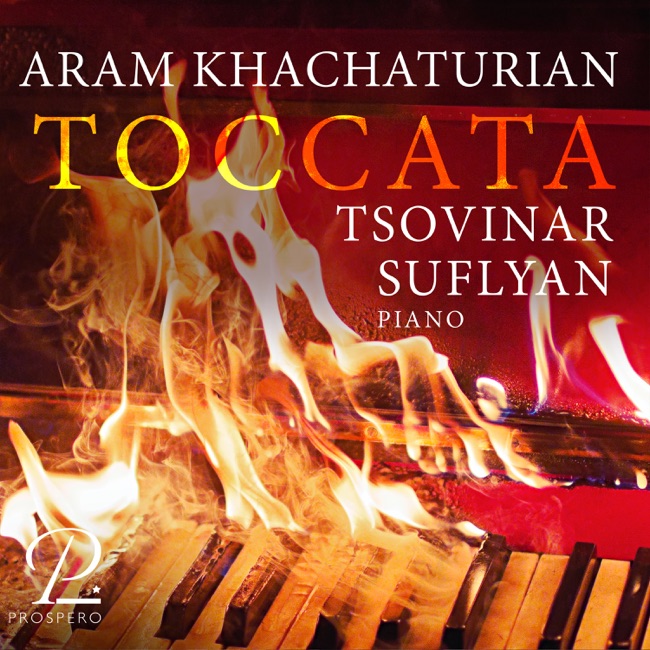 December 22, 2023
 -
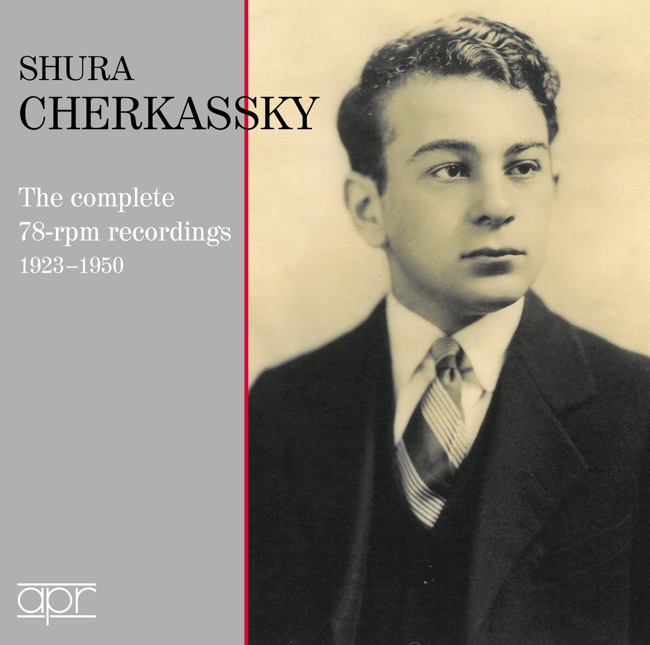 October 6, 2023
 -
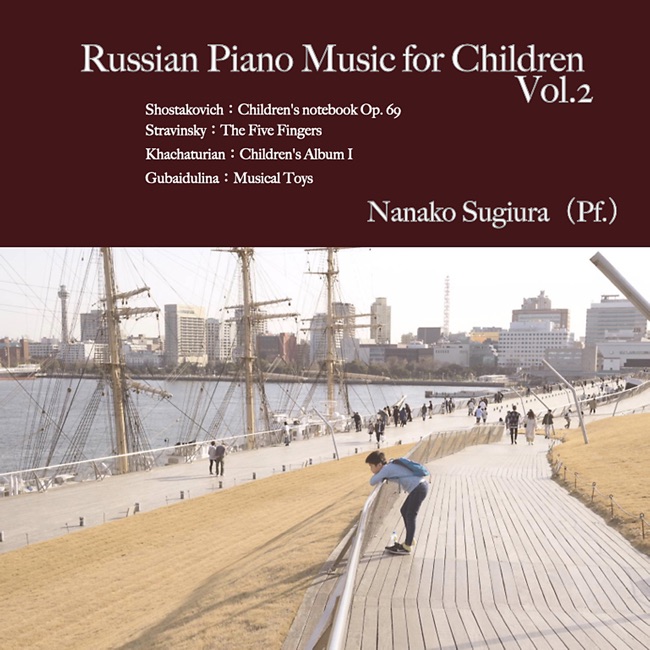 July 7, 2023
Artist Info
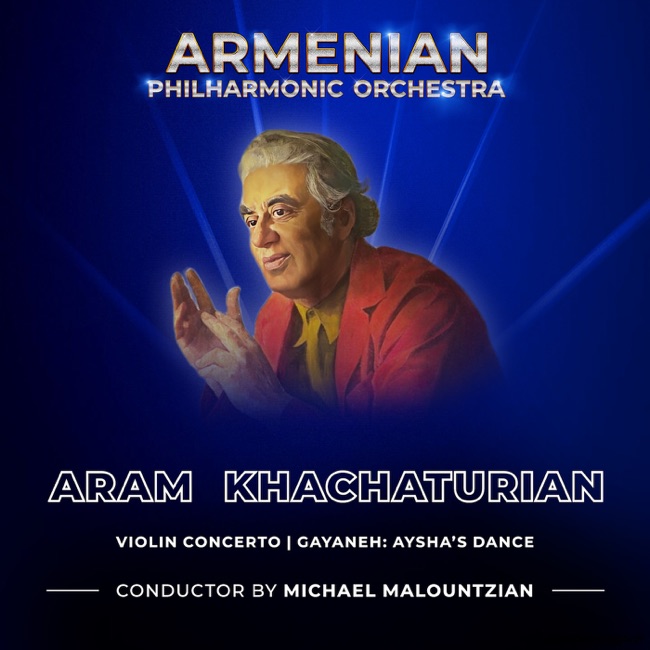
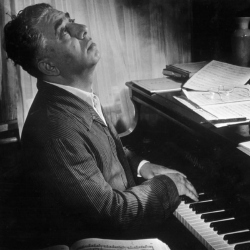
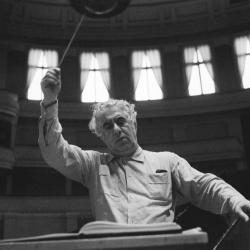
Role:Composer Conductor PerformerCountry: RussiaBirth:June 6, 1903 in Tiflis, RussiaDeath:May 1, 1978 in Moscow, RussiaPeriod:ContemporaryModernGenre:BalletConcertoOrchestralAram Khachaturian was a renowned Armenian composer of the 20th century, known for his unique style of blending traditional Armenian folk music with classical music. He was born on June 6, 1903, in Tiflis, Georgia, which was then a part of the Russian Empire. Khachaturian was the youngest of five children in a family of Armenian descent. Khachaturian's father, Yeghia, was a bookbinder and a craftsman, while his mother, Kumash, was a homemaker. Despite their modest means, Khachaturian's parents were supportive of their children's artistic pursuits. Khachaturian's older brother, Suren, was a talented violinist, and his sister, Seda, was a pianist. Khachaturian himself showed an early interest in music and began playing the piano at the age of six. Khachaturian's family moved to Yerevan, Armenia, in 1915, where he continued his musical education. He studied at the Gnessin State Musical College in Moscow from 1922 to 1926, where he was trained in composition by Nikolai Myaskovsky. Khachaturian's early works were heavily influenced by the folk music of Armenia, which he had grown up listening to. His first major work, the Piano Concerto in D-flat major, was composed in 1936 and premiered in Moscow the following year. Khachaturian's most famous work is the ballet Gayane, which was composed in 1942 and premiered in Moscow in 1943. The ballet tells the story of a young Armenian woman named Gayane, who falls in love with a Soviet soldier during World War II. The ballet features several memorable pieces, including the "Sabre Dance," which has become one of the most recognizable pieces of classical music. Khachaturian's other notable works include the ballets Spartacus and Masquerade, as well as the Symphony No. 2 and the Violin Concerto. Spartacus, which was composed in 1954, tells the story of the Roman slave who led a rebellion against the Roman Empire. The ballet features several memorable pieces, including the "Adagio of Spartacus and Phrygia," which has become one of Khachaturian's most famous compositions. Khachaturian's music was often criticized by Soviet authorities for being too nationalistic and not conforming to the ideals of socialist realism. However, Khachaturian remained popular with audiences both in the Soviet Union and abroad. He was awarded the Stalin Prize three times, in 1941, 1943, and 1946, and was named a People's Artist of the USSR in 1954. Khachaturian was also a respected teacher and served as the chairman of the Union of Soviet Composers from 1957 to 1974. He taught at the Moscow Conservatory from 1934 to 1948 and again from 1951 to 1956. His students included several notable composers, including Alfred Schnittke and Edvard Mirzoyan. Khachaturian died on May 1, 1978, in Moscow, at the age of 74. He was buried in the Komitas Pantheon in Yerevan, Armenia. Today, Khachaturian's music continues to be performed and enjoyed by audiences around the world. His unique blend of traditional Armenian folk music and classical music has made him one of the most important composers of the 20th century.More....
Recent Artist Music

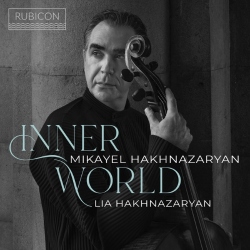
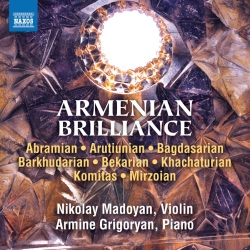

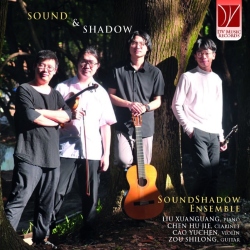
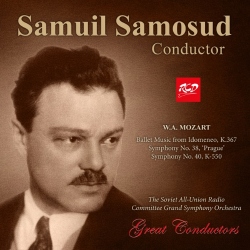
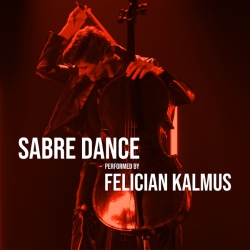
15
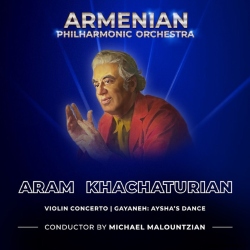
4:11
Works Highlight
Recommend Playlist












Related Artists
Copyright Ⓒ 2013 Davinci Finger. All rights reseved
Service Terms & Policy