


Arthur Bliss
Released Album
Orchestral
-
 March 18, 2022
 -
 September 6, 2019
 -
 March 17, 2017
 -
 November 18, 2014
 -
 May 3, 2014
 -
 August 14, 2012
Chamber
-
-
 September 3, 2021
 -
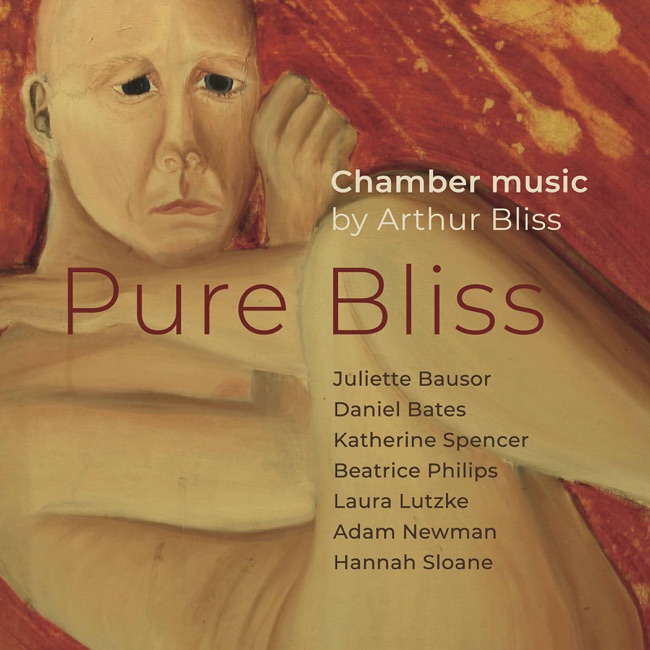 April 16, 2021
 -
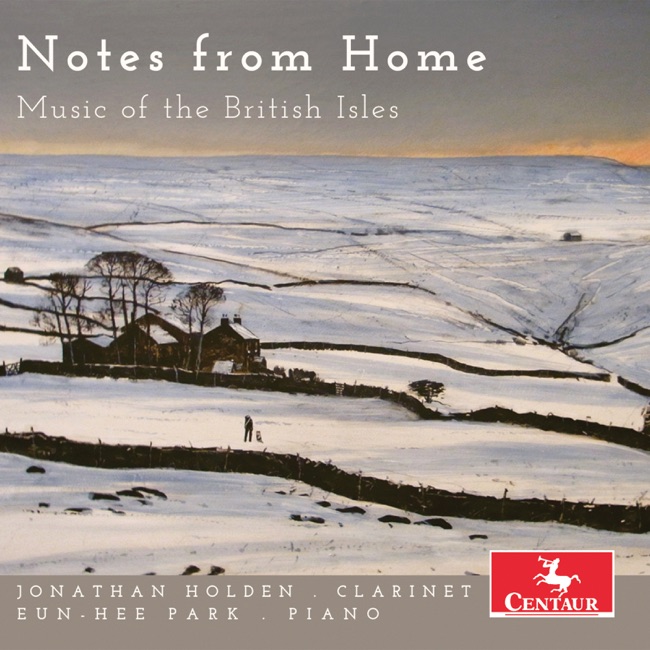 June 7, 2019
 -
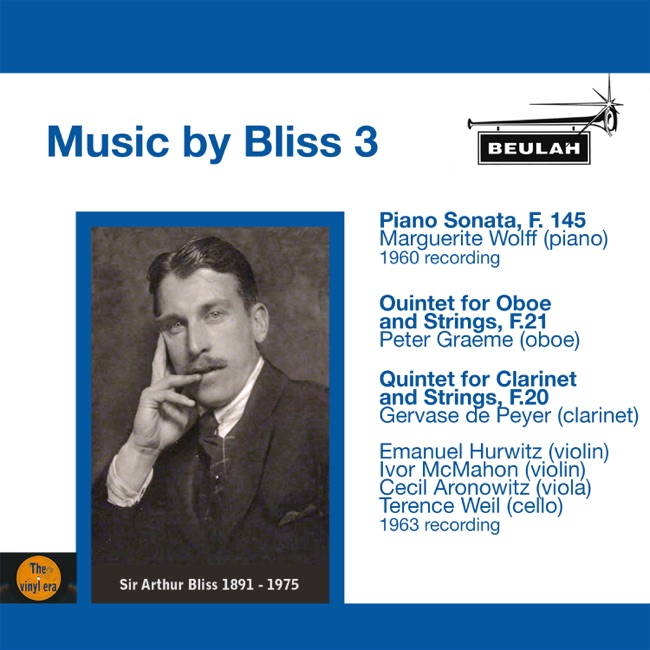 May 10, 2019
 -
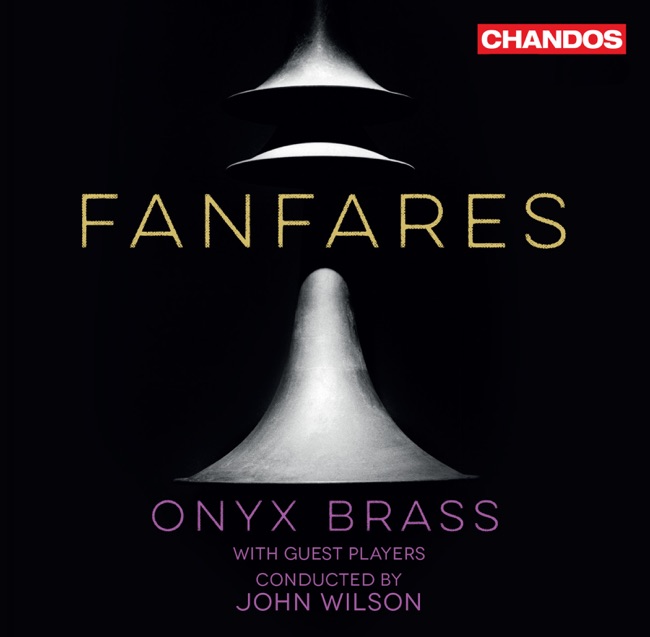 March 2, 2018
Concerto
-
 May 27, 2016
 -
 July 31, 2015
 -
-
 April 1, 2013
 -
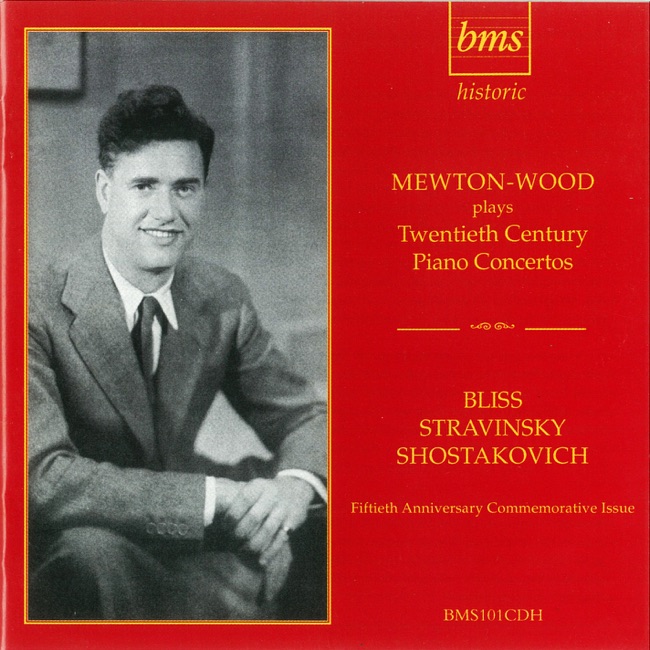 September 1, 2009
 -
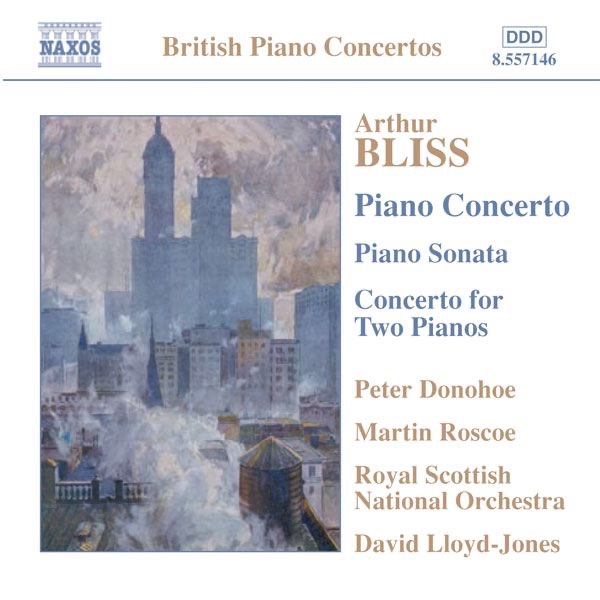 February 17, 2004
Choral
-
-
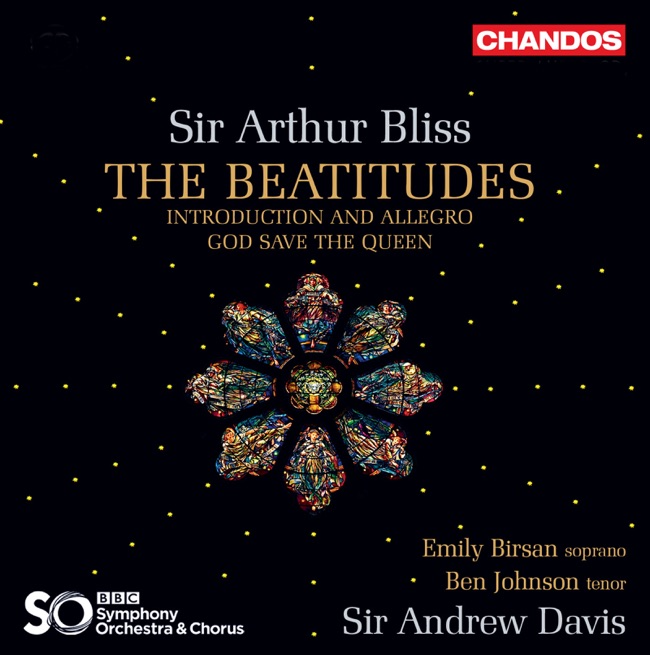 February 2, 2018
 -
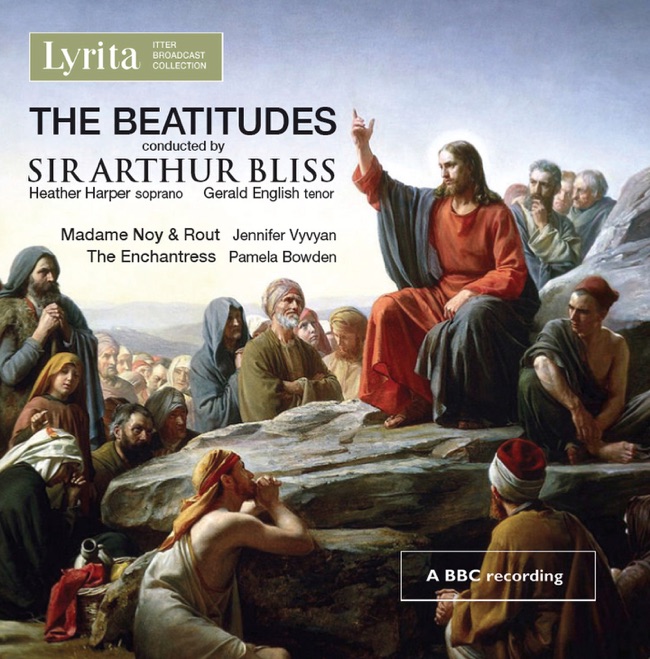 July 10, 2015
 -
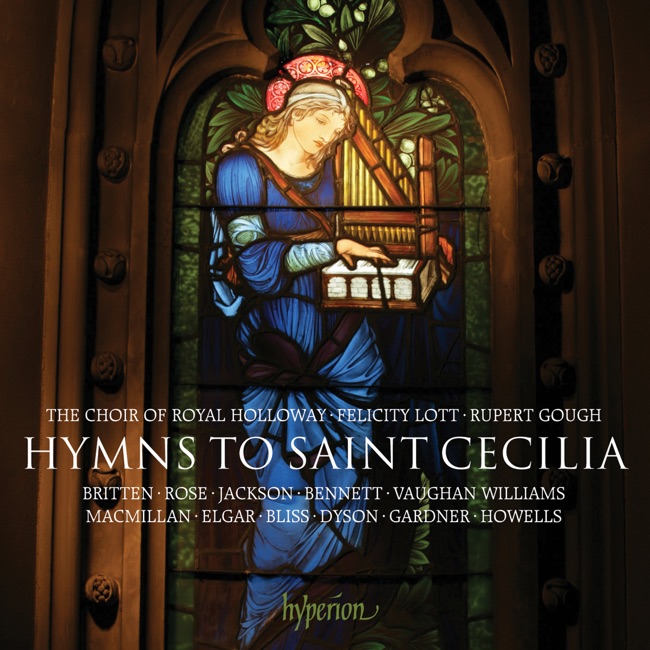 November 11, 2014
 -
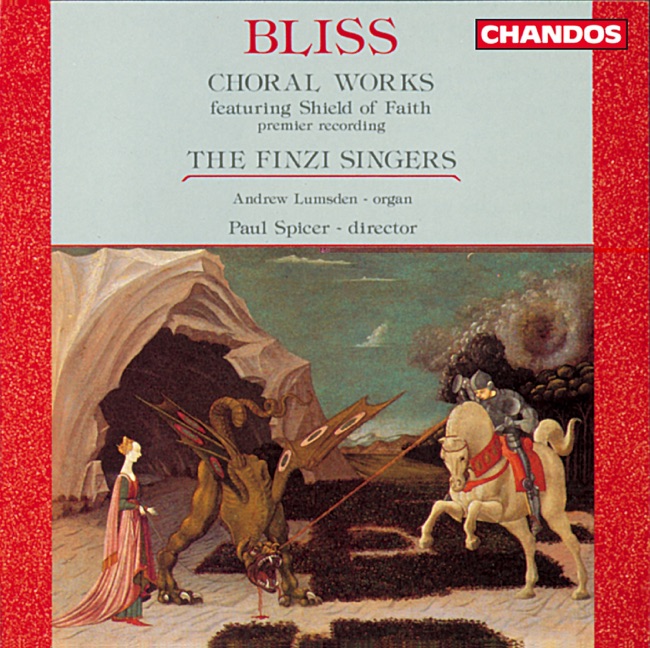 September 1, 2013
 -
 July 17, 2012
Artist Info
Role:Composer ConductorCountry: United KingdomBirth:August 2, 1891 in London, EnglandDeath:March 27, 1975 in London, EnglandPeriod:ContemporaryModernGenre:ChamberChoralFilmOrchestralVocalArthur Bliss was a British composer and conductor who was born on August 2, 1891, in London, England. He was the eldest son of Sir Arthur Edward Drummond Bliss, a wealthy businessman, and his wife, Agnes Kennard. Bliss grew up in a musical family, with his mother being a talented pianist and his father a keen amateur musician. He began playing the piano at a young age and showed a natural talent for music. Bliss attended Cambridge University, where he studied music and became involved in the university's musical scene. He was a member of the Cambridge University Musical Society and played in the university orchestra. After graduating, Bliss studied composition with Charles Villiers Stanford at the Royal College of Music in London. Bliss's early works were influenced by the music of his contemporaries, including Stravinsky and Ravel. His first major work was a ballet called Checkmate, which was premiered by the Vic-Wells Ballet in 1937. The ballet was a huge success and established Bliss as a major composer. During World War I, Bliss served in the army and was wounded in action. After the war, he worked as a music critic for the Daily Telegraph and as a conductor for the BBC. In 1923, he was appointed Master of the Queen's Music, a position he held until his death in 1975. Bliss's music is characterized by its lyricism, rhythmic vitality, and harmonic complexity. He wrote in a variety of genres, including orchestral music, chamber music, choral music, and opera. Some of his most famous works include A Colour Symphony, Piano Concerto, and the ballets Miracle in the Gorbals and Adam Zero. A Colour Symphony, written in 1922, is one of Bliss's most famous works. The symphony is scored for a large orchestra and is divided into four movements, each of which is associated with a different color. The first movement, "Purple," is slow and mysterious, while the second movement, "Red," is fast and energetic. The third movement, "Blue," is slow and serene, while the fourth movement, "Green," is lively and playful. Bliss's Piano Concerto, written in 1938, is another of his most famous works. The concerto is scored for piano and orchestra and is characterized by its virtuosic piano writing and lush orchestration. The concerto is in three movements, with the first and third movements being fast and energetic and the second movement being slow and lyrical. Bliss's ballets are also highly regarded. Miracle in the Gorbals, written in 1944, tells the story of a young woman who is murdered in a slum and is brought back to life by a group of angels. The ballet is characterized by its dramatic score and its powerful choreography. Adam Zero, written in 1946, is a surreal ballet that tells the story of a man who is trapped in a dream world. The ballet is characterized by its haunting score and its surreal imagery. Bliss's choral music is also highly regarded. His setting of Psalm 23, written in 1921, is one of his most famous choral works. The setting is characterized by its lush harmonies and its expressive melodies. Bliss's cantata The Beatitudes, written in 1962, is another of his famous choral works. The cantata is characterized by its powerful choral writing and its dramatic orchestration. Bliss's music was highly regarded during his lifetime and continues to be performed and recorded today. He was awarded numerous honors during his lifetime, including a knighthood in 1950 and the Order of Merit in 1971.More....
Recent Artist Music
1
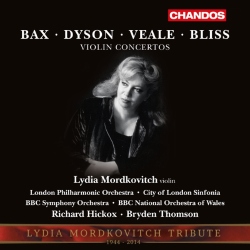
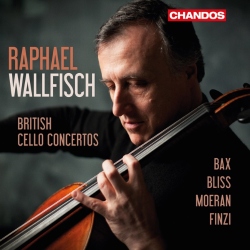
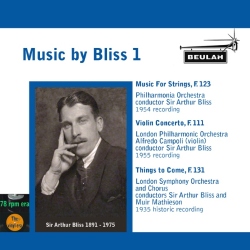
Concerto for violin & orchestra, Op. 79, F. 111
I. Allegro ma non troppo - più animato - L'istesso tempo - Più agitato - Tempo I - Tranquillo - Più animato - Tempo I - Più animato - Molto tranquillo - Moderato - Tempo I - Più mosso - Animato
15:41
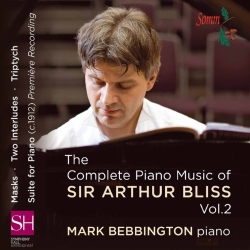
3
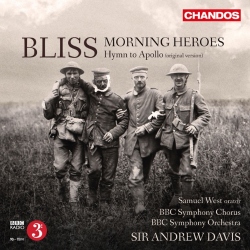
Hymn to Apollo, Op. 41, F. 116
Moderato Maestoso - Più mosso (assai allegro) - A tempo I (moderato) - PIù mosso - Tranquillo, ma non meno mosso - A tempo I meno mosso
9:27
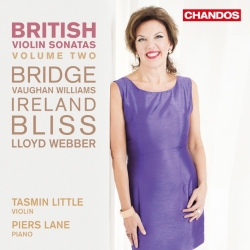
7
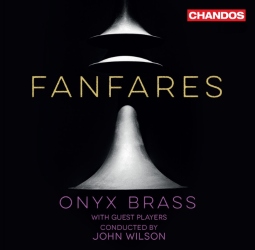
The Right of the Line: Fanfare, F. 77
The Right of the Line, Fanfare for four trumpets, three trombones, timpani, side drum, and cymbal
1:26
8
1:18
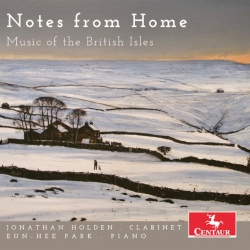
10
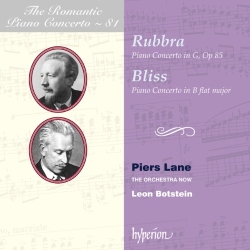
16:51
11
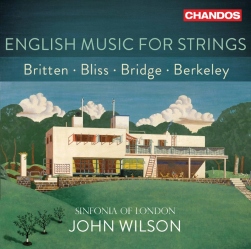
Music for Strings, Op. 54, F. 123
I. Allegro moderato, energico - Molto meno mosso - Ancora meno mosso -
8:38
12
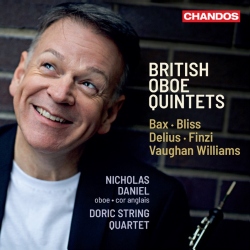
Quintet for oboe & string quartet, Op. 44, F. 21
I. Assai sostenuto - Moderato - Poco animato - Allegro assai agitato - Tempo I (Moderato) - Poco animato - Molto meno mosso
8:25





Related Artists
Copyright Ⓒ 2013 Davinci Finger. All rights reseved
Service Terms & Policy