


Eugene Goossens
Released Album
Concerto
-
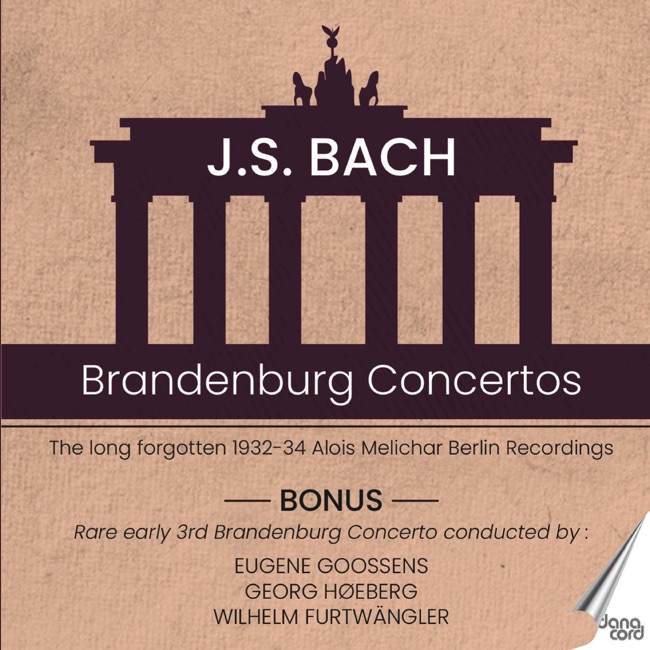 March 1, 2024
 -
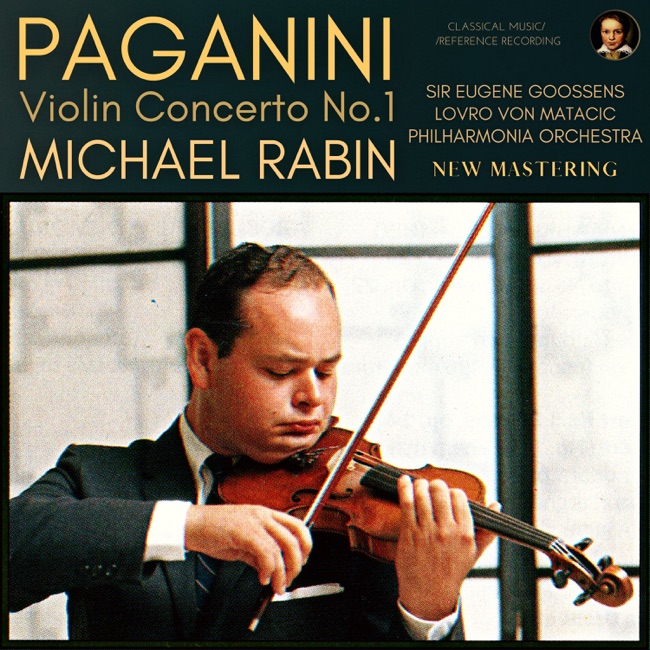 February 27, 2022
 -
-
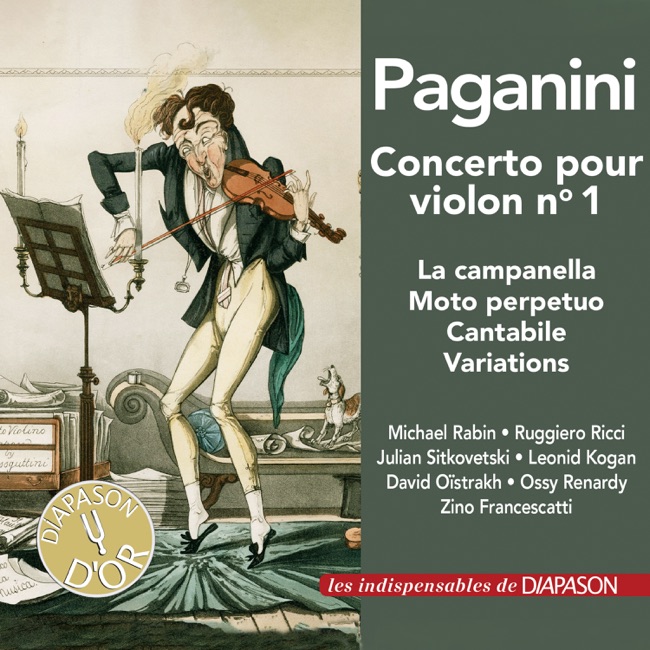
-
 May 17, 2019
 -
 May 17, 2019
Orchestral
-
 June 1, 2018
 -

-
 March 27, 2015
 -
 January 8, 2014
 -
 March 4, 2013
 -
Symphony
-
 January 3, 2020
 -
-
 September 18, 2015
 -
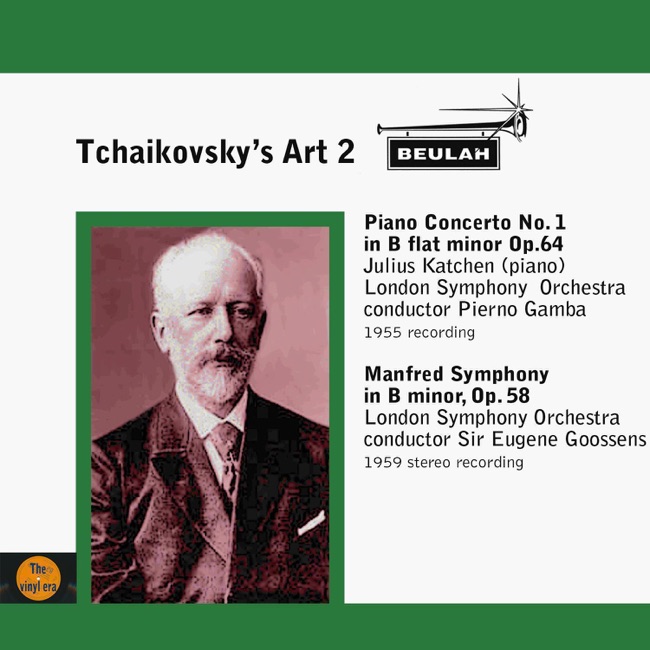 July 31, 2015
 -
 September 12, 2011
 -
 July 13, 2010
Chamber
-
 May 4, 2018
 -
 February 16, 2018
 -
 February 16, 2018
 -
 March 10, 2015
 -
 February 27, 2012
 -
 April 14, 2009
Artist Info
Role:Composer ConductorCountry: United KingdomBirth:May 26, 1893 in London, EnglandDeath:June 13, 1962 in Middlesex, EnglandPeriod:RomanticContemporaryModernGenre:ChamberConcertoOperaEugene Goossens was a renowned classical music artist who made significant contributions to the world of music as a composer, conductor, and violinist. He was born on May 26, 1893, in London, England, to a family of musicians. His father, Eugene Goossens Sr., was a conductor, and his mother, Marie, was a harpist. Eugene Goossens Jr. was the youngest of three children, and he showed an early interest in music. Goossens began his musical education at the age of six, studying the violin with his father. He later studied composition with Ralph Vaughan Williams and viola with Lionel Tertis. In 1911, he won a scholarship to the Royal College of Music in London, where he studied composition with Charles Villiers Stanford and conducting with Adrian Boult. After completing his studies, Goossens began his career as a violinist, playing in various orchestras in London. In 1916, he joined the Queen's Hall Orchestra, where he played under the direction of Sir Henry Wood. He also began to conduct, and in 1921, he was appointed conductor of the Rochester Philharmonic Orchestra in New York. In 1923, Goossens returned to London to become the conductor of the newly formed British National Opera Company. He also continued to compose, and his works were performed by leading orchestras and conductors around the world. In 1928, he was appointed conductor of the Cincinnati Symphony Orchestra, a position he held for ten years. During his tenure in Cincinnati, Goossens made significant contributions to the orchestra's repertoire and reputation. He introduced many new works to American audiences, including the music of British composers such as Vaughan Williams and Edward Elgar. He also commissioned new works from leading composers, including Aaron Copland, Samuel Barber, and Paul Hindemith. In 1939, Goossens returned to England to become the conductor of the BBC Symphony Orchestra. He held this position until 1946, when he resigned after a scandal involving a customs violation. Goossens had been caught smuggling a large quantity of pornography into the country, and he was fined and publicly disgraced. Despite this setback, Goossens continued to work as a conductor and composer. He conducted many of the world's leading orchestras, including the New York Philharmonic, the Boston Symphony Orchestra, and the London Symphony Orchestra. He also composed a wide range of works, including orchestral pieces, chamber music, and operas. One of Goossens' most famous works is his Symphony No. 1, which was premiered by the Cincinnati Symphony Orchestra in 1940. The symphony is a powerful and emotional work that reflects the turmoil of the times in which it was written. It has been performed by many leading orchestras around the world and is considered one of Goossens' greatest achievements. Goossens received many awards and honors throughout his career. He was made a Commander of the Order of the British Empire in 1955 and was awarded the Gold Medal of the Royal Philharmonic Society in 1962. He was also a Fellow of the Royal Academy of Music and a member of the American Academy of Arts and Sciences. Eugene Goossens died on June 13, 1962, in Hillingdon, England, at the age of 69. He left behind a legacy of great music and a reputation as one of the most talented and influential musicians of his time. His contributions to the world of classical music continue to be celebrated and appreciated by music lovers around the world.More....
Recent Artist Music
4
Scherzo for violin & piano in C minor, WoO posth. 2
Scherzo for Sonatensatz "FAE sonate" Op. 5/3
5:34
7
2:39

11
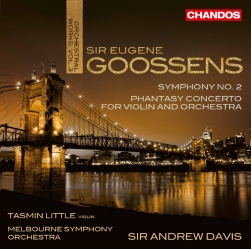
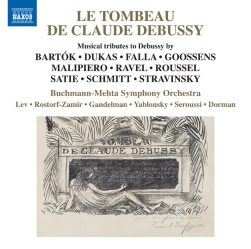
Phantasy Concerto, for violin & orchestra, Op. 63
I. Molto moderato - Più moto - Allegro moderato - Più moto - Allegro giusto - Più moto - Meno mosso (con dolore) - Tempo giusto - Moderato con moto - Poco più lento
9:9
13
4:11
14

9:35
15
8:45
Recommend Playlist


Related Artists
Copyright Ⓒ 2013 Davinci Finger. All rights reseved
Service Terms & Policy