


Alberto Ginastera
Released Album
Keyboard
-
 September 13, 2024
 -
 August 30, 2024
 -
 October 6, 2023
 -
 September 15, 2023
 -
 September 1, 2023
 -
 April 14, 2023
Chamber
-

-
 March 28, 2024
 -
 December 1, 2023
 -
 December 1, 2023
 -
 August 22, 2023
 -
 January 20, 2023
Vocal
-
 April 24, 2023
 -
 November 12, 2021
 -
 January 29, 2021
 -
 November 6, 2020
 -
 January 17, 2020
 -
 March 15, 2019
Orchestral
-
 June 27, 2024
 -
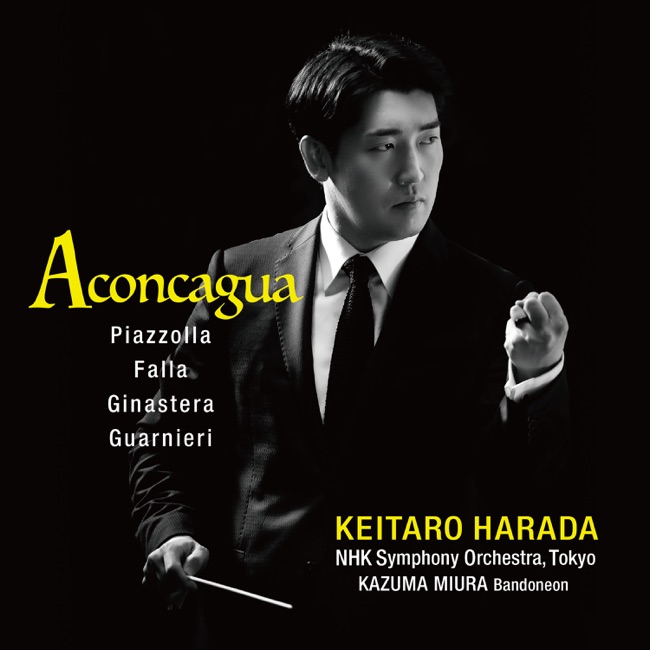 December 22, 2021
 -
 February 7, 2020
 -
 October 18, 2019
 -
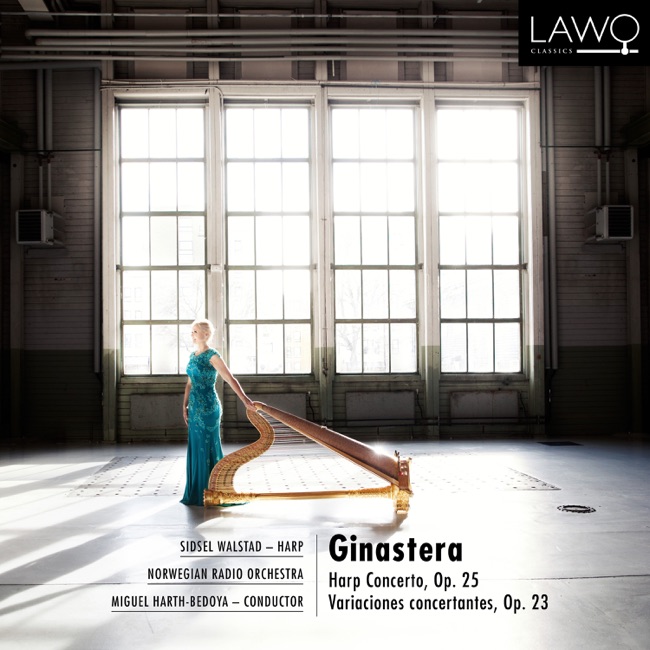 October 18, 2019
 -
 May 3, 2019
Artist Info
Role:ComposerCountry: ArgentinaBirth:April 11, 1916 in Buenos Aires, ArgentinaDeath:June 25, 1983 in Geneva, SwitzerlandPeriod:ContemporaryModernGenre:ChamberKeyboardOrchestralVocalAlberto Ginastera was a prominent Argentine composer of the 20th century, known for his innovative and expressive works that blended traditional Argentine folk music with modernist techniques. Born on April 11, 1916, in Buenos Aires, Ginastera grew up in a family of musicians and began studying piano and composition at a young age. Ginastera's early musical education was heavily influenced by the nationalist movement in Argentine music, which sought to incorporate elements of traditional folk music into classical compositions. He studied with prominent Argentine composers such as Aaron Copland and Carlos López Buchardo, and his early works reflected this nationalist style. In the 1940s, Ginastera began to experiment with more modernist techniques, incorporating dissonance, atonality, and complex rhythms into his compositions. This shift was influenced by his studies with composer and theorist Juan Carlos Paz, who introduced him to the ideas of Arnold Schoenberg and other European modernists. One of Ginastera's most famous works from this period is his Piano Sonata No. 1, which was premiered in 1952 and showcases his use of dissonance and complex rhythms. The piece is divided into three movements, each of which explores different textures and moods. In the 1960s, Ginastera's music became even more experimental, incorporating electronic sounds and aleatoric techniques (where the performer has some degree of freedom in interpreting the score). One of his most famous works from this period is his Cantata para América Mágica, which was commissioned by the Kennedy Center for the Performing Arts in Washington, D.C. The piece incorporates traditional folk music from across Latin America, as well as electronic sounds and spoken word passages. Throughout his career, Ginastera remained committed to incorporating elements of Argentine folk music into his compositions. One of his most famous works in this vein is his ballet Estancia, which tells the story of a group of gauchos (Argentine cowboys) and their interactions with a group of city-dwellers. The score incorporates traditional folk melodies and rhythms, as well as more modernist techniques. Ginastera's music was widely recognized during his lifetime, and he received numerous awards and honors for his contributions to Argentine and international music. He served as a professor of composition at the National Conservatory of Music in Buenos Aires, and his students included prominent composers such as Astor Piazzolla and Gerardo Gandini. Ginastera died on June 25, 1983, in Geneva, Switzerland, at the age of 67. His legacy as one of the most important Argentine composers of the 20th century continues to be celebrated today, and his works remain popular with performers and audiences around the world.More....
Recent Artist Music
1

Violin Concerto, Op. thirty
3. Scherzo pianissimo e Perpetuum mobile. Perpetuum mobile. Agitato ed allucinante
1:56




Works Highlight














Copyright Ⓒ 2013 Davinci Finger. All rights reseved
Service Terms & Policy